

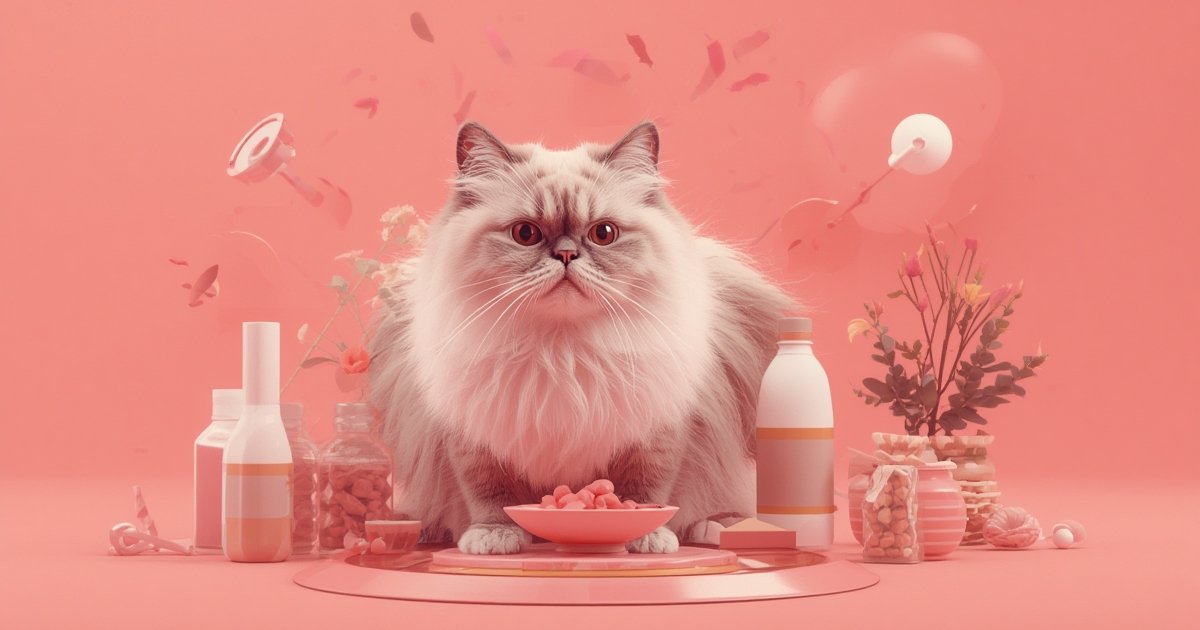
Meta Description: Unlock the secrets to a healthy Persian cat diet in 2026. Discover expert tips, essential nutrients, and food choices for your feline friend’s optimal well-being.
Understanding the Unique Nutritional Needs of Persian Cats
Persian cats, with their luxurious long coats, distinctive facial structure, and generally calmer demeanor, possess unique dietary requirements that differ from other breeds. Providing the right Persian Cat Diet is crucial for their overall health, vitality, and preventing common breed-specific issues. Their long fur, for instance, means they are more prone to hairballs, while their brachycephalic (flat) faces can influence how they eat.
As we look to 2026, understanding these specific needs is more important than ever. Advancements in feline nutrition continue to refine what constitutes an optimal Persian Cat Diet, focusing on high-quality ingredients, balanced macros, and targeted solutions for their particular characteristics. A well-planned diet supports everything from their coat health to their digestive system and energy levels.
Key Components of an Optimal Persian Cat Diet
Crafting the perfect Persian Cat Diet involves a careful balance of macronutrients and micronutrients, tailored to their life stage and activity level. Ensuring these foundational elements are met is the first step towards a healthy, happy cat.
High-Quality Protein Sources
Protein is the cornerstone of any feline diet, and Persian cats are no exception. They are obligate carnivores, meaning they require animal-based protein to thrive. Look for cat foods where real meat (chicken, turkey, lamb, fish) is listed as the first ingredient.
Protein supports muscle maintenance, fur health, and essential bodily functions. Avoid foods with excessive plant-based proteins or meat by-products as primary sources, as these are often less digestible and nutritionally complete for cats.
Essential Fats and Fatty Acids
Fats are a concentrated source of energy and are vital for nutrient absorption, skin health, and that magnificent Persian coat. Omega-3 and Omega-6 fatty acids are particularly important.
Sources like fish oil (salmon oil), flaxseed oil, and animal fats provide these essential fatty acids, contributing to a shiny coat, healthy skin, and anti-inflammatory benefits. A deficiency can lead to dull fur and dry, flaky skin.
Limited, Digestible Carbohydrates
While cats don’t have a high dietary need for carbohydrates, small amounts of easily digestible carbs can provide energy and fiber. However, excessive carbohydrates, especially from grains like corn or wheat, can be difficult for a Persian cat’s digestive system and may contribute to weight gain.
Opt for limited, whole-food carbohydrates such as peas, sweet potatoes, or small amounts of rice. The emphasis should always be on protein and fat, with carbs acting as a secondary energy source.
Vitamins, Minerals, and Taurine
A balanced Persian Cat Diet must include a full spectrum of vitamins and minerals to support bone health, immune function, and metabolic processes. Taurine, an amino acid, is especially critical for cats.
Cats cannot synthesize taurine sufficiently on their own, and a deficiency can lead to severe heart problems (dilated cardiomyopathy) and vision loss. Ensure your cat’s food is fortified with adequate taurine.
Choosing the Right Food for Your Persian Cat
With a plethora of options on the market, selecting the best food for your Persian cat can be overwhelming. Understanding the pros and cons of different food types and ingredient lists is key.
Dry Kibble vs. Wet Food
Many Persian cat owners find a combination of dry and wet food works best. Dry kibble can help clean teeth and is convenient, but wet food provides essential moisture, which is vital for kidney health.
Due to their brachycephalic faces, some Persian cats may struggle with certain kibble shapes and sizes. Look for specialized kibble designed for flat-faced breeds, often larger or uniquely shaped to facilitate easier pickup and chewing. Wet food can be particularly beneficial for these cats.
Key Considerations for Dry Kibble
– Look for specialized kibble shapes designed for brachycephalic breeds to prevent eating difficulties.
– Ensure the first ingredient is a high-quality animal protein.
– Check for balanced omega fatty acids for coat health.
– Opt for grain-free or limited-grain options if your cat has sensitivities.
Key Considerations for Wet Food
– High moisture content aids in hydration and urinary tract health.
– Often more palatable for picky eaters.
– Can be easier for cats with dental issues or flat faces to consume.
– Choose reputable brands with clear ingredient lists and no excessive fillers.
Ingredient Spotting: What to Look For and Avoid
When scrutinizing labels for your Persian Cat Diet, prioritize transparency and quality. Ingredients are listed by weight, so the first few ingredients are the most abundant.
Look for: real meat (chicken, salmon, turkey), specific meat meals (chicken meal, turkey meal – these are concentrated protein sources), healthy fats (chicken fat, fish oil), and digestible carbohydrates (sweet potato, peas in moderation).
Avoid: generic “meat by-products” without specific animal sources, excessive fillers like corn, wheat, or soy, artificial colors, flavors, and preservatives. High sugar content is also a red flag.
Comparison of Popular Persian Cat Food Options
The market offers various formulations catering to specific breed needs. Here’s a comparison of some common options you might consider for your Persian Cat Diet.
| Product | Price Range | Pros | Cons | Best For |
|---|---|---|---|---|
| Royal Canin Persian Adult Dry Food | $40-$70 | Kibble designed for flat faces, supports coat health, often highly palatable. | Contains grains (corn, wheat), some cats may prefer higher meat content. | Standard Persian cat diet, coat maintenance, ease of eating. |
| Blue Buffalo Wilderness Chicken Dry Food | $35-$65 | High protein, grain-free, contains beneficial fruits and vegetables. | Kibble shape might not be ideal for all brachycephalic cats, higher fat content. | Active Persians, those with grain sensitivities, muscle maintenance. |
| Wellness CORE Grain-Free Wet Food | $25-$50 (case) | Excellent moisture content, high quality protein, grain-free, complete and balanced. | More expensive per serving, requires refrigeration after opening. | Hydration, picky eaters, cats with urinary or kidney concerns, sensitive stomachs. |
| Orijen Cat & Kitten Dry Food | $50-$90 | Biologically appropriate, high fresh meat inclusion, freeze-dried liver coating for palatability. | Premium price point, very rich, might be too much for sensitive digestive systems initially. | High-energy cats, promoting natural diet, overall health for all life stages. |
Addressing Specific Persian Cat Dietary Challenges
Persian cats often face unique health challenges that can be mitigated or managed with a thoughtful Persian Cat Diet plan.
Managing Hairballs
Due to their luxurious long coats, Persian cats are notorious for hairballs. Their constant grooming means they ingest a significant amount of fur.
A diet rich in fiber can help move ingested hair through the digestive tract. Many specialized hairball formulas contain added fiber, such as psyllium husk or beet pulp. Regular grooming is also crucial to reduce the amount of loose hair your cat ingests.
Sensitive Stomachs and Digestive Issues
Some Persian cats can have sensitive digestive systems, leading to vomiting, diarrhea, or constipation. This might be due to food sensitivities or simply a delicate gut.
For these cats, a limited-ingredient diet (LID) might be beneficial, using novel protein sources like duck or venison. Probiotics and prebiotics can also support a healthy gut microbiome, improving digestion and nutrient absorption. Always consult your vet before making significant dietary changes, especially if digestive issues persist.
Weight Management
Persian cats can be prone to obesity, especially if they are less active indoor cats. Overweight cats face increased risks of diabetes, joint problems, and other health issues.
Portion control is paramount. Follow feeding guidelines on pet food packaging, but adjust based on your cat’s actual activity level and body condition. Choosing a formula with moderate fat and appropriate protein levels, and ensuring regular playtime, can help maintain a healthy weight. Regular weigh-ins and body condition scoring are recommended.
Feeding Schedule, Hydration, and Supplements
Beyond the type of food, how and when you feed your Persian cat, along with ensuring adequate hydration, play a significant role in their health. Incorporating certain supplements can also enhance their Persian Cat Diet.
Optimal Feeding Schedule
Cats are natural grazers, preferring several small meals throughout the day. For adult Persian cats, two to three meals per day are generally recommended. Free-feeding (leaving food out all day) can lead to overeating and obesity, especially with dry kibble.
Automated feeders can be a great tool for portion control and consistent meal times, even when you’re not home. Kittens and pregnant/nursing queens will require more frequent meals to support their higher energy demands.
Ensuring Adequate Hydration
Hydration is critical for feline health, particularly for kidney and urinary tract function. Cats naturally have a low thirst drive, often relying on their food for moisture.
– Provide multiple water bowls around the house.
– Consider a pet water fountain; many cats prefer moving water.
– Incorporate wet food into their Persian Cat Diet to increase water intake.
– Clean water bowls daily to prevent bacterial growth and encourage drinking.
Beneficial Supplements for Persian Cats
While a high-quality, balanced diet should provide most necessary nutrients, some supplements can offer targeted support, especially for specific concerns.
– **Omega-3 Fatty Acids (Fish Oil):** Excellent for coat luster, skin health, and reducing inflammation. Can be particularly helpful for managing hairballs and keeping their long fur silky.
– **Probiotics:** Can aid digestion, boost immunity, and help manage sensitive stomachs or during periods of stress (like after antibiotics).
– **Hairball Remedies:** Non-petroleum-based gels or chews containing lubricants or fiber can help hair pass through the digestive system more easily.
– **Joint Supplements (Glucosamine/Chondroitin):** Especially beneficial for older Persian cats or those prone to joint issues due to their body structure.
Always consult your veterinarian before introducing any new supplements to ensure they are appropriate for your individual cat’s health needs and won’t interact negatively with their current Persian Cat Diet.
Monitoring and Adjusting Your Persian Cat’s Diet
A cat’s dietary needs can change over time due to age, activity level, and health status. Regular monitoring and willingness to adjust are crucial for long-term health.
Signs of a Healthy Diet
Observing your cat’s physical condition and behavior can provide valuable clues about the effectiveness of their Persian Cat Diet.
– **Lustrous Coat:** A shiny, soft, and thick coat with minimal shedding (outside of seasonal cycles) is a good indicator.
– **Bright Eyes and Gums:** Clear, bright eyes and healthy pink gums suggest good overall health.
– **Healthy Energy Levels:** Appropriate energy for play and daily activities, not lethargic or hyperactive.
– **Regular, Healthy Stools:** Consistent, well-formed stools are a clear sign of good digestion.
– **Ideal Body Condition:** Your cat should have a visible waist, and you should be able to feel their ribs without seeing them protruding.
When to Consult Your Veterinarian
Any significant changes in your cat’s eating habits, weight, energy levels, or digestive patterns warrant a visit to the vet. These could be signs of underlying health issues or simply indicate that their current Persian Cat Diet is no longer suitable.
Symptoms such as persistent vomiting or diarrhea, sudden weight gain or loss, increased thirst or urination, or changes in coat quality should prompt a professional evaluation. Your vet can provide tailored advice and recommendations based on your cat’s specific health profile.
Mastering the Persian Cat Diet is an ongoing journey of learning and adaptation, but one that deeply rewards both you and your feline companion with years of health and happiness. By prioritizing high-quality ingredients, addressing specific breed challenges, and ensuring proper hydration and feeding practices, you’re setting the foundation for your Persian cat to thrive in 2026 and beyond. Regularly review your cat’s condition and consult with your veterinarian to fine-tune their nutritional plan, ensuring it evolves with their changing needs.
For more tailored advice on your Persian cat’s diet or any other health concerns, don’t hesitate to reach out to a trusted veterinarian. Your feline friend deserves the best!
Frequently Asked Questions (FAQ) About Persian Cat Diet
Can Persian cats eat human food?
While some human foods like plain cooked chicken or salmon can be safe in very small quantities as occasional treats, it’s generally best to stick to a balanced commercial Persian Cat Diet formulated for their specific nutritional needs. Many human foods can be harmful, toxic, or simply not provide the correct nutrient balance.
How often should I feed my Persian kitten?
Persian kittens, with their rapid growth and high energy levels, need to be fed more frequently than adult cats. Typically, kittens aged 8 weeks to 6 months should be fed 3-4 small meals a day. Always follow the guidelines on high-quality kitten food packaging and consult your vet.
Is a grain-free diet necessary for Persian cats?
Not all Persian cats require a grain-free diet. However, if your cat shows signs of digestive upset, skin irritations, or allergies, a grain-free or limited-ingredient diet might be beneficial. It’s important to differentiate between grain-free and low-carb, as some grain-free foods can still be high in other carbohydrates like potatoes or peas. Consult your vet to determine if a grain-free diet is right for your cat.
What are the best treats for a Persian cat?
Opt for healthy, low-calorie treats specifically designed for cats. Look for treats with natural ingredients and avoid those with excessive fillers or artificial additives. Freeze-dried meat treats are often a good choice. Treats should make up no more than 10% of your cat’s daily caloric intake to prevent unbalancing their Persian Cat Diet.
How can I encourage my Persian cat to drink more water?
Many cats have a low thirst drive. To encourage hydration, provide multiple water stations around your home, use ceramic or stainless steel bowls, and consider a pet water fountain (many cats prefer moving water). Incorporating wet food into their diet is also an excellent way to increase overall fluid intake.
References and Further Reading
- Association of American Feed Control Officials (AAFCO) – Guidelines for pet food labeling and nutritional adequacy.
- Cornell Feline Health Center – Comprehensive resources on feline health and nutrition.
- ASPCA: Cat Nutrition Tips – General advice on feeding your feline companion.
- VetSource: Nutrition for Cats – Veterinary insights into feline dietary needs.
Leave a Reply