

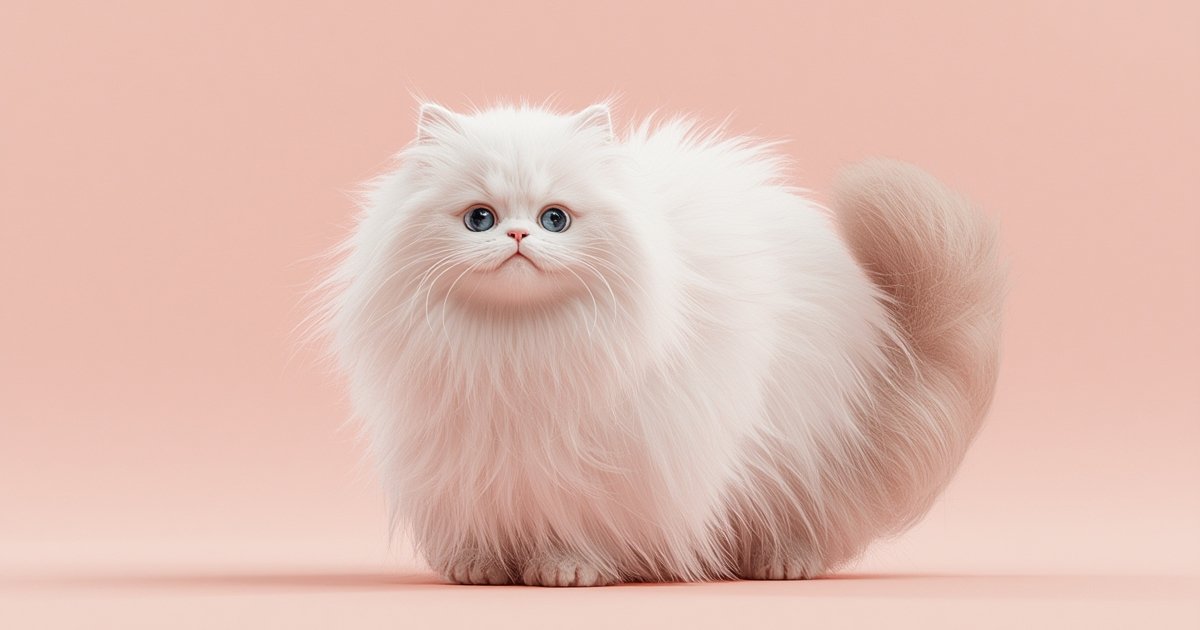
Unlock the secrets to maintaining your Persian cat’s iconic, luxurious coat. Dedicated Persian grooming is essential to keep them looking their best and prevent painful mats. This comprehensive 2026 guide provides actionable tips and techniques to ensure your feline friend remains tangle-free and fabulous.
Understanding Your Persian’s Unique Coat and Grooming Needs
The Persian cat is renowned for its stunning, long, flowing coat, a hallmark of its elegance and charm. However, this beauty comes with significant grooming responsibilities. Their double coat consists of a dense undercoat and a longer, silken topcoat, which is prone to tangling and matting if not regularly maintained. Understanding this unique coat structure is the first step in effective Persian grooming.
The dense undercoat can trap loose hair, dander, and debris, leading to discomfort and skin issues if neglected. Mats can pull on the skin, causing pain, infections, and even restricting movement. Regular grooming is not just about aesthetics; it’s crucial for your Persian’s overall health and well-being. A consistent routine establishes trust and makes the process more enjoyable for both of you.
The Science Behind the Persian Coat
Persian cats possess a genetically predisposed longhair trait. Their fur can grow up to several inches, requiring specialized care beyond that of a short-haired cat. The density and length mean that self-grooming, while diligent, is simply not enough for these majestic felines to keep their coats pristine. This is where dedicated Persian grooming becomes indispensable.
Their coat also acts as an insulator, providing warmth. However, in warmer climates or during summer months, this dense fur can lead to overheating if not properly managed through grooming. Regular brushing helps to thin out the undercoat, improving air circulation and preventing heat stress. It’s a year-round commitment that pays dividends in your cat’s comfort and health.
Essential Tools for Effective Persian Grooming
Having the right tools is paramount for a successful and stress-free Persian grooming experience. Investing in high-quality equipment will not only make the job easier but also prevent damage to your cat’s delicate coat and skin. These tools are specifically designed to navigate the challenges of long, dense fur.
Cheap or incorrect tools can pull hair, scratch skin, or simply be ineffective against mats, turning grooming into a dreaded ordeal. Professional groomers emphasize the importance of selecting brushes and combs suited for the specific texture and length of a Persian’s coat. A well-stocked grooming kit is a cornerstone of excellent Persian grooming.
A Groomer’s Kit for Your Persian
– Slicker Brush: Essential for removing loose hair and preventing mats, especially in the undercoat. Choose one with fine, flexible pins.
– Wide-Toothed Metal Comb: Perfect for detangling larger sections and working through the topcoat. Look for one with both wide and medium-spaced teeth.
– Fine-Toothed Metal Comb (Flea Comb): Useful for delicate areas like the face and paws, and for checking for fleas or debris.
– Mat Breaker/Dematter Tool: A specialized tool with sharp, inwardly curved blades designed to safely cut through stubborn mats without pulling. Use with extreme caution.
– Blunt-Tip Scissors: For trimming hair around the paws, sanitary areas, and any small, difficult-to-reach tangles. Always use blunt-tip for safety.
– Nail Clippers: Choose a guillotine or scissor-style clipper suitable for cat nails.
– Cat-Specific Shampoo and Conditioner: Hypoallergenic formulas are best to avoid skin irritation.
– Grooming Wipes: Handy for quick clean-ups around the eyes and mouth.
Comparison of Top Grooming Brushes and Combs for Persians
| Product | Price | Pros | Cons | Best For |
|---|---|---|---|---|
| Hertzko Self-Cleaning Slicker Brush | $15-$25 | Retracts pins for easy hair removal; effective for undercoat | Some cats dislike the feel of slicker brushes initially | Daily de-shedding and preventing light mats |
| Safari De-matting Comb for Cats | $10-$20 | Stainless steel, wide teeth; excellent for detangling | Can be sharp if not used carefully; not for severe mats | Working through tangles and general coat maintenance |
| GoPets Dematting Comb with 2 Sided Rake | $20-$35 | Dual-sided for light & stubborn mats; comfortable grip | Requires careful technique to avoid skin irritation | Targeting moderate mats and de-shedding thick coats |
| Andis Pet Grooming Steel Comb | $8-$15 | Two tooth spacings; durable stainless steel | Less effective on very dense undercoats alone | Finishing, checking for missed tangles, and delicate areas |
The Daily Grooming Routine: Keeping Tangles Away
Consistency is key in Persian grooming. A daily routine, even a short one, can prevent major problems down the line. Aim for at least 10-15 minutes of grooming each day, gradually increasing duration as your cat becomes more accustomed to it. Establishing a routine from a young age is highly beneficial, as kittens are more adaptable.
Start by creating a calm and positive environment. Choose a time when your cat is relaxed, perhaps after a meal or a nap. Use treats and praise generously throughout the session to build positive associations. This regular interaction also strengthens your bond with your Persian.
Step-by-Step Daily Brushing for Optimal Persian Grooming
1. **Preparation:** Gather all your tools within reach. Have treats ready. Place your Persian on a non-slip surface, like a grooming table or a towel on your lap.
2. **Gentle Start:** Begin with the wide-toothed comb, gently working through the topcoat. Start from the head and work your way down the body, including the chest, belly, and tail. Always brush in the direction of hair growth.
3. **Targeting the Undercoat:** Switch to the slicker brush. Use short, gentle strokes, lifting sections of fur to reach the undercoat. Pay extra attention to common matting areas: behind the ears, armpits, flanks, and around the “britches” (back of the legs).
4. **Addressing Small Tangles:** If you encounter a small tangle, do not pull. Use your fingers to gently try and separate the hairs. If it’s stubborn, use the wide-toothed comb to tease it apart from the ends, working your way up to the skin. Hold the base of the hair near the skin to prevent pulling.
5. **Paw and Tail Care:** Use a fine-toothed comb for the fur between the paw pads, ensuring no debris is trapped. For the tail, comb gently; Persian tails are glorious but delicate.
6. **Facial Cleaning:** Persians are known for their brachycephalic (flat) faces, which can lead to tear staining. Gently wipe around their eyes with a damp cloth or a specialized grooming wipe daily to prevent buildup.
7. **Final Check:** Run your wide-toothed comb through the entire coat one last time to ensure all tangles are gone and the fur is smooth. Reward your cat generously with treats and affection. This comprehensive approach to Persian grooming will keep their coat magnificent.
Bathing Your Persian: A Step-by-Step Guide
While daily brushing minimizes the need for frequent baths, Persians will require a full bath every 4-8 weeks, depending on their lifestyle and coat condition. Bathing helps remove accumulated oils, dirt, and dander that brushing alone cannot tackle. A proper bath contributes significantly to overall Persian grooming.
Never use human shampoos on your cat, as their pH levels are different and can irritate their skin. Always opt for cat-specific, preferably hypoallergenic, shampoos and conditioners. Prepare everything before you start, as cats are generally not fond of water and speed is of the essence.
The Art of Bathing a Persian Cat
1. **Pre-Bath Grooming:** Before even thinking about water, thoroughly brush your Persian’s coat. Ensure there are absolutely no mats or tangles. Water tightens mats, making them impossible to remove once wet. This pre-bath Persian grooming is critical.
2. **Gather Supplies:** Have two towels, cat shampoo, conditioner, a non-slip mat for the tub/sink, and a cup for rinsing readily available.
3. **Water Temperature:** Fill the tub or sink with a few inches of lukewarm water. Test the temperature with your elbow to ensure it’s comfortable, not too hot or cold.
4. **Wet the Coat:** Gently place your cat in the water. Use the cup or a shower sprayer on a low setting to thoroughly wet their entire coat, avoiding their face. Speak calmly and reassure your cat.
5. **Shampoo Application:** Apply a small amount of cat shampoo, working it gently into a lather from neck to tail. Be thorough but avoid harsh scrubbing. Focus on areas prone to oiliness like the tail base.
6. **Rinsing:** This is the most crucial part. Rinse until every trace of shampoo is gone. Leftover shampoo can irritate the skin and leave the coat dull. Rinse, rinse, and rinse again, ensuring the water runs clear.
7. **Conditioner (Optional but Recommended):** Apply a cat-specific conditioner, focusing on the ends of the fur. Let it sit for a minute or two as per product instructions, then rinse thoroughly. Conditioner helps to detangle and protect the coat.
8. **Towel Dry:** Lift your cat out of the tub and immediately wrap them in a clean, absorbent towel. Gently blot and squeeze the excess water; do not rub vigorously, as this can create tangles.
9. **Blow Dry (Carefully!):** For Persians, air drying isn’t usually sufficient and can lead to matting. Use a pet-specific forced-air dryer or a human blow dryer on the lowest heat setting. Keep the dryer moving constantly, never aiming directly at one spot for too long. Brush as you dry to prevent tangles and ensure the coat is completely dry, especially the undercoat. Incomplete drying is a primary cause of matting.
10. **Post-Bath Grooming:** Once completely dry, give your Persian a final brush-through to ensure their coat is smooth and mat-free. Reward them for their bravery!
Tackling Common Grooming Challenges and Solutions
Even with a diligent routine, specific challenges can arise in Persian grooming. Knowing how to address them effectively can prevent minor issues from escalating into major problems. Patience, persistence, and the right techniques are your best allies.
Addressing these challenges proactively contributes to your cat’s comfort and maintains the health of their magnificent coat. Skipping these steps can lead to painful mats and expensive trips to a professional groomer or veterinarian.
Dealing with Mats and Tangles
Mats are the bane of any Persian owner’s existence. Prevention through daily brushing is always best. However, if you find a mat:
– **Don’t Pull:** Never try to rip or pull a mat out. This is incredibly painful for your cat.
– **Isolate:** Gently isolate the mat with your fingers, holding the fur at the skin line to prevent pulling on your cat’s skin.
– **Powder:** You can sprinkle a small amount of cornstarch or detangling powder onto the mat to help loosen it.
– **Tease Apart:** Use the wide-toothed comb or the tip of a fine-toothed comb to gently tease the mat apart, starting from the outermost edge and working inwards. Only work a few hairs at a time.
– **Mat Breaker:** For stubborn or larger mats, a mat breaker can be used cautiously. Always use it pointed away from the skin. If you’re unsure, it’s safer to visit a professional groomer. Severe mats often require shaving, which should be done by a professional.
Eye and Ear Care
Persians are prone to tear staining due to their facial structure.
– **Daily Wiping:** Use a soft, damp cloth or a specialized feline eye wipe to gently clean around their eyes daily. This prevents crust buildup and staining.
– **Professional Cleaners:** For persistent stains, discuss safe, cat-specific tear stain removers with your vet.
– **Ear Checks:** Check your cat’s ears weekly. Look for redness, unusual odor, or excessive wax. Gently wipe the outer ear with a vet-approved ear cleaner on a cotton ball. Never insert anything into the ear canal. If you suspect an ear infection, consult your veterinarian.
Nail Trimming
Regular nail trims prevent nails from growing too long, which can cause discomfort, snagging, or even ingrown nails.
– **Frequency:** Aim for every 2-4 weeks.
– **Technique:** Hold your cat’s paw and gently press on the paw pad to extend the nail. Only clip the clear, sharp tip, avoiding the pink ‘quick’ (the blood vessel and nerve). If you accidentally cut the quick, apply styptic powder to stop the bleeding.
– **Positive Reinforcement:** Make nail trims a positive experience with treats and praise. If your cat resists, do a few nails at a time rather than trying to do all at once.
Nutrition and Health for a Luxurious Coat
A beautiful, healthy coat starts from within. Proper nutrition plays a crucial role in the luster, strength, and overall condition of your Persian’s fur. A diet rich in essential nutrients will complement your meticulous Persian grooming routine, making the coat more manageable and vibrant.
Consider high-quality cat food specifically formulated for long-haired breeds or those rich in omega fatty acids. These supplements contribute to skin health and coat shine. Consult your veterinarian for dietary recommendations tailored to your cat’s specific needs and age.
Key Nutrients for Coat Health
– **Omega-3 and Omega-6 Fatty Acids:** These are vital for healthy skin and a shiny coat. They can be found in fish oils (like salmon oil), flaxseed, and high-quality cat foods.
– **Protein:** As hair is primarily made of protein, a diet with sufficient high-quality animal protein is essential for strong, healthy hair growth.
– **Vitamins and Minerals:** Biotin, Vitamin E, Zinc, and Copper all play roles in maintaining skin integrity and coat quality.
If your Persian has a dull coat, excessive shedding, or skin issues despite good grooming, a dietary review with your vet is highly recommended. Sometimes, a simple supplement can make a world of difference. Always introduce new supplements or foods gradually to avoid digestive upset. Regular vet check-ups also ensure that any underlying health issues affecting coat quality are identified and treated promptly. This holistic approach ensures comprehensive Persian grooming from the inside out.
Maintaining the breathtaking coat of your Persian cat is a commitment, but one that is incredibly rewarding. By understanding their unique needs, utilizing the right tools, establishing a consistent daily routine, and providing proper nutrition, you can ensure your beloved feline companion remains tangle-free and utterly fabulous for years to come. Remember, every gentle brush stroke and patient bath strengthens the bond you share, making grooming a special time for both of you.
For more in-depth guidance, consider connecting with a certified feline groomer or your veterinarian.
Frequently Asked Questions (FAQ)
How often should I brush my Persian cat?
Ideally, Persian cats should be brushed daily for at least 10-15 minutes. This consistent routine is crucial to prevent mats and tangles in their long, dense coat.
What if my Persian cat hates grooming?
Start grooming sessions short and positive. Use treats, praise, and gentle strokes. If your cat is very resistant, try breaking grooming into very brief sessions (e.g., just a few minutes) multiple times a day. Consult a professional groomer or veterinarian for advice on handling fear or aggression during grooming.
Can I use human shampoo on my Persian cat?
No, you should never use human shampoo on your cat. Human shampoos have a different pH balance and can irritate your cat’s skin, leading to dryness, flakiness, or even allergic reactions. Always use cat-specific, preferably hypoallergenic, shampoos and conditioners.
How do I safely remove a mat from my Persian’s coat?
For small mats, use your fingers to gently tease them apart. You can apply a small amount of cornstarch or detangling powder to help. For larger or more stubborn mats, use a wide-toothed comb to work from the ends inwards, holding the fur at the skin to prevent pulling. If mats are severe or close to the skin, it’s best to consult a professional groomer to avoid injuring your cat.
What are tear stains, and how do I prevent them?
Tear stains are dark marks that appear under a Persian’s eyes, often due to their brachycephalic (flat) facial structure leading to excessive tearing. Prevent them by gently wiping around your cat’s eyes daily with a damp cloth or a specialized feline eye wipe. For persistent stains, consult your veterinarian for safe, cat-specific tear stain removers.
Leave a Reply