

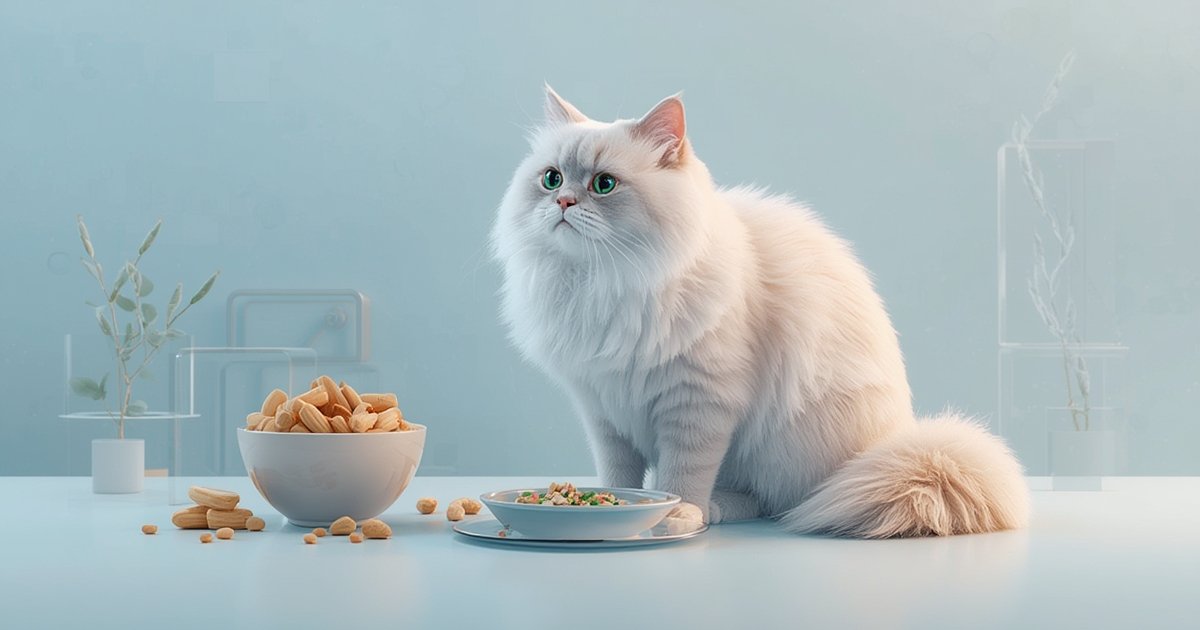
Meta Description: Unlock the secrets to optimal Persian Nutrition in 2026! Discover 5 essential hacks to boost your Persian cat’s health, coat, and longevity for a truly happy life.
Unlocking Longevity: The Foundation of Persian Nutrition for a Happier Life
Our majestic Persian cats, with their flowing coats and endearing flat faces, are truly a breed apart. Their unique beauty comes with specific care requirements, and none is more critical than their diet. Ensuring optimal Persian Nutrition is the cornerstone of their well-being, directly impacting everything from their magnificent fur to their overall vitality and lifespan. As we look to 2026 and beyond, understanding the cutting-edge nutritional strategies for these magnificent felines is key to providing them with the longest, happiest life possible. This guide will walk you through five essential nutrition hacks designed specifically for your beloved Persian.
Understanding the Unique Nutritional Needs of Persian Cats
The distinctive physiology of Persian cats, particularly their brachycephalic (flat-faced) skull structure, profoundly influences their nutritional requirements. This facial structure can make it challenging for them to pick up and chew certain kibble shapes, potentially leading to dental issues or inefficient eating. Their long, dense coats also demand a diet rich in specific nutrients to maintain health and prevent excessive shedding and matting.
Beyond these physical traits, Persian cats can be prone to certain health conditions that diet can either alleviate or exacerbate. These include kidney issues, digestive sensitivities, and a predisposition to hairballs due to their extensive grooming. Therefore, a targeted approach to Persian Nutrition isn’t just beneficial; it’s absolutely essential for their sustained health and happiness. Focusing on high-quality ingredients, proper nutrient ratios, and easily digestible formulas forms the bedrock of their dietary plan.
Hack 1: The Power of Targeted Protein and Fat Sources
The cornerstone of any feline diet, and particularly critical for Persian Nutrition, is high-quality protein. Cats are obligate carnivores, meaning their bodies are designed to derive nutrients primarily from animal sources. For Persians, this means a diet where animal protein is the leading ingredient, providing the essential amino acids they need for muscle maintenance, cellular repair, and a robust immune system.
High-Quality Animal Proteins for Muscle and Health
Look for whole meat sources like chicken, turkey, salmon, or lamb listed as the first ingredient on your cat’s food label. These provide a complete profile of amino acids vital for your Persian’s health. Avoid foods that list plant-based proteins or vague “meat by-products” as primary protein sources, as these may not offer the same bioavailability or nutritional completeness. Quality protein directly supports their energy levels and helps maintain their athletic physique beneath that luxurious coat.
Essential Fatty Acids for That Luscious Coat
The iconic Persian coat is not just for show; it’s a barometer of their internal health. A diet rich in essential fatty acids, particularly Omega-3 and Omega-6, is crucial for maintaining its luster, softness, and minimizing shedding. These fats also play a significant role in skin health, reducing dryness and irritation, and supporting joint flexibility.
Sources like fish oil (salmon, sardine, anchovy), flaxseed oil, and certain animal fats provide these beneficial omega fatty acids. Consider a food that naturally incorporates these or discuss a high-quality supplement with your veterinarian. The right balance of these fats ensures your Persian’s skin barrier remains strong and their coat remains a source of pride, not problems.
Hack 2: Specialized Kibble Design and Hydration Strategies
Given their unique facial structure, how a Persian cat interacts with their food is just as important as what’s in it. Standard kibble shapes can be difficult for them to pick up and chew effectively, leading to frustration and potentially poor nutrient absorption. Simultaneously, adequate hydration is a frequently overlooked aspect of Persian Nutrition that significantly impacts kidney and urinary tract health.
Kibble Engineered for Brachycephalic Breeds
Many premium cat food brands now offer specialized kibble designed with Persian cats in mind. These kibble pieces are often larger, flatter, or shaped in a way that’s easier for their short jaws to grasp and crunch. This not only makes mealtime more comfortable and efficient but also helps promote better dental health by encouraging chewing.
Properly designed kibble ensures your Persian can eat without undue stress, which can lead to better digestion and nutrient uptake. Always check the packaging for indications that the food is suitable for brachycephalic breeds. Your cat’s enjoyment of their meal is a good indicator of whether the kibble shape is working for them.
Elevating Hydration: Beyond the Bowl
Cats naturally have a low thirst drive, often not drinking enough water, especially if they are primarily on a dry kibble diet. For Persians, who can be prone to kidney issues, consistent hydration is paramount. Integrating wet food into their diet is an excellent strategy to boost their water intake. Wet food contains a high percentage of moisture, mirroring the hydration cats would get from prey in the wild.
Beyond wet food, innovative hydration tools can encourage your Persian to drink more. Running water from a fountain is often more appealing to cats than stagnant water in a bowl. Here’s a comparison of some popular smart water fountains that can revolutionize your Persian’s hydration habits:
Comparison of Top Smart Pet Water Fountains
| Product | Price | Pros | Cons | Best For |
|---|---|---|---|---|
| PetSafe Drinkwell Platinum | $59-$79 | Large capacity (168 oz), adjustable water flow, carbon filter. | Can be slightly noisy, requires regular cleaning to prevent slime build-up. | Multi-cat households or large Persians needing constant hydration. |
| Catit Flower Fountain | $35-$45 | Compact design, three water flow settings, quiet operation, triple action filter. | Smaller capacity (100 oz) requires more frequent refills, some cats dislike the flower top. | Single-cat homes, quiet environments, cats who prefer multiple stream options. |
| Pioneer Pet Raindrop | $60-$70 | Stainless steel (hygienic, easy to clean), elegant design, charcoal filter. | Can splash if overfilled, pump noise can increase with age, higher initial cost. | Owners prioritizing hygiene and durability, minimalist home aesthetics. |
Investing in a quality water fountain can make a significant difference in your Persian’s daily water consumption, contributing to better urinary tract health and overall well-being. Regular cleaning of any water source, whether a bowl or a fountain, is crucial to prevent bacterial growth and ensure your cat always has access to fresh, clean water.
Hack 3: The Role of Supplements and Probiotics in Persian Nutrition
Even with the best cat food, there are times when targeted supplementation can provide an extra layer of support for your Persian cat’s specific needs. Probiotics, in particular, are gaining recognition for their profound impact on digestive health, which in turn affects overall immunity and nutrient absorption.
Targeted Supplementation: When and What
While a balanced diet should provide most nutrients, certain life stages or predispositions might call for supplements. For aging Persians, joint support supplements containing glucosamine and chondroitin can help maintain mobility and alleviate discomfort associated with arthritis. Omega fatty acid supplements can further enhance coat health, especially for cats with dry skin or excessive shedding.
Digestive enzymes might be beneficial for Persians with sensitive stomachs or those prone to hairballs, helping to break down food more efficiently. Always consult your veterinarian before introducing any new supplements, as they can advise on appropriate dosages and identify any potential interactions with existing conditions or medications. Your vet can provide tailored advice on Persian Nutrition to ensure it’s meeting all specific requirements.
Gut Health is King: Probiotics for Digestive Harmony
A healthy gut microbiome is fundamental to a cat’s overall health, impacting everything from digestion and nutrient absorption to immune function. Probiotics, which introduce beneficial bacteria into the gut, can be incredibly helpful for Persian cats, especially those prone to digestive upsets, loose stools, or frequent hairballs.
By supporting a balanced gut flora, probiotics can improve the efficiency of digestion, reduce inflammation, and even help to manage stress-related digestive issues. Look for probiotic supplements specifically formulated for felines, containing strains like *Enterococcus faecium* or *Lactobacillus acidophilus*. Integrating probiotics into your Persian’s daily Persian Nutrition regimen can lead to a noticeable improvement in their coat, energy, and digestive comfort.
Hack 4: Strategic Feeding Schedules and Portion Control
Consistency and appropriate portion sizes are vital elements of effective Persian Nutrition. Establishing a regular feeding routine helps regulate your cat’s metabolism and digestion, while careful portion control prevents the common issue of feline obesity, which can lead to a cascade of health problems.
Establishing a Routine for Optimal Digestion
Cats thrive on routine. Feeding your Persian at consistent times each day helps their digestive system anticipate meals and function more smoothly. Instead of one large meal, consider dividing their daily food intake into two or three smaller meals. This approach can prevent overeating, reduce stomach upset, and keep their energy levels stable throughout the day.
A consistent feeding schedule also reduces anxiety and food guarding behaviors, contributing to a calmer household environment. It’s an easy hack that significantly contributes to their overall well-being and enhances the effectiveness of their Persian Nutrition plan.
Monitoring Weight and Preventing Obesity
Obesity is a serious health concern for cats, including Persians, leading to conditions like diabetes, joint problems, and heart disease. Precisely measuring your cat’s food at each meal is crucial. Do not free-feed; instead, use a measuring cup and adhere to the portion recommendations on your cat food packaging, adjusting as needed based on your cat’s activity level and body condition.
Regularly monitor your Persian’s weight and body condition score. You should be able to feel their ribs easily without seeing them, and they should have a discernible waist. If you notice weight gain, consult your veterinarian to rule out underlying health issues and adjust their Persian Nutrition plan. Preventing obesity is one of the most impactful things you can do for their long-term health.
Hack 5: Decoding Labels and Avoiding Common Nutritional Pitfalls
Navigating the myriad of cat food options can be overwhelming, but becoming an expert label reader is perhaps the most empowering hack for ensuring superior Persian Nutrition. Understanding what ingredients to look for and what to avoid will safeguard your cat’s health and prevent exposure to potentially harmful additives.
Becoming a Label-Reading Expert
The ingredient list on cat food labels is ordered by weight, so the first few ingredients are the most abundant. Look for whole, identifiable meat sources (e.g., “chicken meal,” “deboned salmon”) at the top. Be wary of ambiguous terms like “meat by-products” or “animal digest,” which can indicate lower-quality ingredients. Grains aren’t inherently bad for cats unless they have a sensitivity, but they shouldn’t be the primary ingredient.
Also, check for the nutritional adequacy statement, which indicates whether the food is complete and balanced for your cat’s specific life stage (e.g., “formulated to meet the nutritional levels established by the AAFCO Cat Food Nutrient Profiles for all life stages”). This ensures the food provides all necessary vitamins and minerals for balanced Persian Nutrition.
Allergies and Sensitivities: What to Watch For
Just like humans, cats can develop food allergies or sensitivities. Common allergens for felines include certain proteins (chicken, beef, fish, dairy), grains (corn, wheat), and artificial additives. Symptoms can manifest as skin issues (itching, excessive grooming, hot spots), digestive problems (vomiting, diarrhea, gas), or respiratory distress.
If you suspect your Persian has a food allergy, consult your veterinarian. They may recommend a food elimination trial, often starting with a novel protein or hydrolyzed protein diet. Choosing limited ingredient diets (LIDs) can also be helpful for sensitive cats, as they minimize exposure to potential irritants, making it easier to pinpoint and avoid triggers in their Persian Nutrition plan.
Taking the time to understand food labels empowers you to make informed choices that directly impact your Persian cat’s health, ensuring they receive the best possible Persian Nutrition.
Your Persian cat deserves a diet that caters to their unique needs, setting the stage for a life filled with vitality and joy. By implementing these five nutrition hacks—focusing on quality protein and fats, specialized kibble, strategic hydration, supportive supplements, thoughtful feeding schedules, and smart label reading—you are not just feeding your cat; you are investing in their future. Each of these strategies contributes significantly to their overall health, from the luxurious sheen of their coat to the robust function of their internal systems.
Remember, every cat is an individual, and while these hacks provide a powerful framework for superior Persian Nutrition, consulting with your veterinarian is always the best approach for tailored advice. Take the first step towards a healthier, happier life for your beloved Persian. Explore the options, make informed choices, and watch your cherished companion thrive.
Contact us today to learn more about personalized nutrition plans for your Persian cat!
Frequently Asked Questions About Persian Cat Nutrition
How often should I feed my Persian cat?
Most adult Persian cats benefit from two to three small meals per day. This helps to regulate their metabolism, prevent overeating, and maintain stable energy levels. Kittens and senior cats may have different needs, so always consult your veterinarian.
What human foods are safe for Persian cats?
Some human foods are safe in moderation, such as cooked lean meats (chicken, turkey, fish without bones or seasoning), plain cooked eggs, and small amounts of certain vegetables like cooked pumpkin or green beans. Always avoid toxic foods like chocolate, onions, garlic, grapes, raisins, and alcohol.
How do I know if my Persian has food allergies?
Signs of food allergies in Persian cats often include chronic itching (especially around the head and neck), excessive grooming, hair loss, skin lesions, recurrent ear infections, vomiting, diarrhea, or gas. If you notice these symptoms, consult your vet for diagnosis and a recommended elimination diet.
Is grain-free food always better for Persians?
Not necessarily. While some cats may have a grain sensitivity, most cats can digest grains perfectly well. The focus should be on high-quality, digestible ingredients overall, with meat as the primary protein source, rather than just avoiding grains for the sake of it. Always prioritize food approved by AAFCO for complete nutrition.
What’s the best way to transition my Persian to new food?
To avoid digestive upset, transition your Persian cat to new food gradually over 7-10 days. Start by mixing a small amount of the new food with their old food (e.g., 25% new, 75% old) and slowly increase the proportion of the new food each day until they are fully on the new diet.
Leave a Reply