

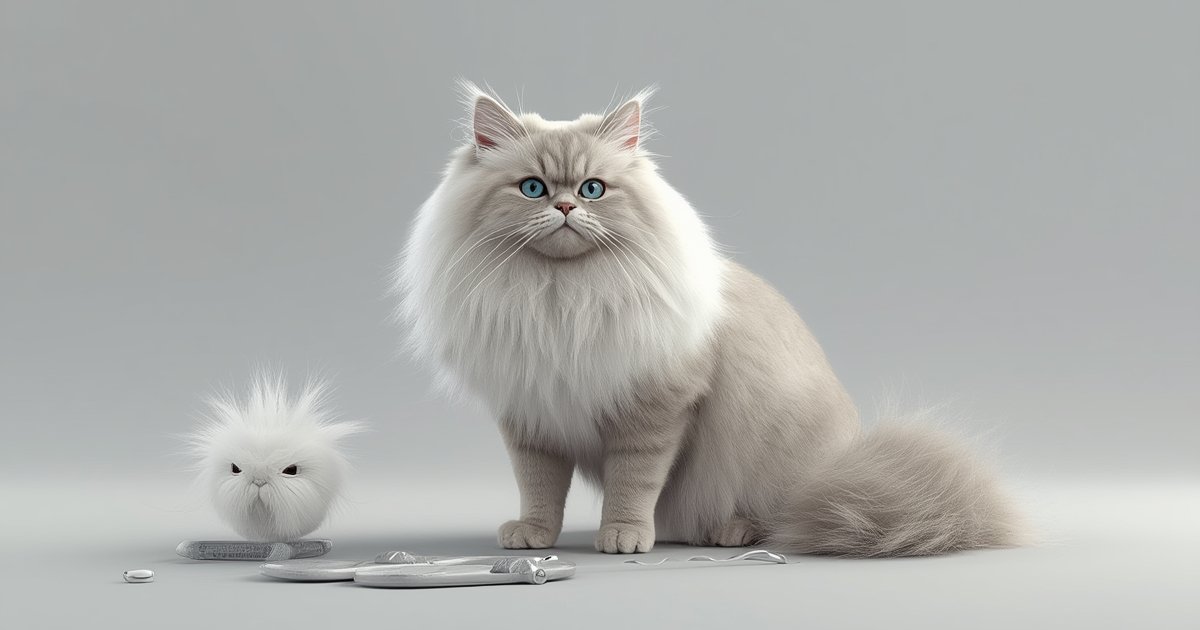
Learn to effectively tame your Persian cat’s luxurious fur and battle stubborn mats in 2026. Discover expert Persian grooming tips, essential tools, and preventative strategies for a happy, healthy feline.
The Unique Challenge of the Persian Coat: Why Mats Form
Persian cats are renowned for their stunning, luxurious coats, which are undeniably beautiful but also notoriously prone to matting. The sheer volume and fine texture of their double layer fur make consistent Persian grooming not just a luxury, but an absolute necessity for their comfort and health. By 2026, the challenges remain, but with the right knowledge and tools, you can transform the daunting task of mat prevention into a bonding experience. Understanding why these magnificent coats mat is the first step towards effectively taming them.
A Persian cat’s coat consists of a dense undercoat and a long, silky topcoat, sometimes reaching lengths of up to eight inches. This combination is breathtaking but also creates a perfect storm for tangles and mats. The fine hairs easily intertwine, especially when shedding or exposed to friction.
Several factors contribute to mat formation in Persian cats. Shedding is a primary culprit; as loose hair gets trapped within the dense coat, it quickly clumps together. Static electricity can also cause hairs to cling and tangle, while friction from movement, sleeping, or even collars can press the fur into tight knots.
Environmental factors like humidity or dryness can also play a role, altering the texture of the fur and making it more susceptible to matting. Even a cat’s diet can influence coat health; a lack of essential fatty acids can lead to dry, brittle fur that tangles more easily. Regular Persian grooming is your best defense.
Neglecting these mats can lead to serious health issues for your beloved feline. Mats pull on the skin, causing pain and discomfort, and can restrict movement. They also create a breeding ground for bacteria, leading to skin irritation, infections, and even parasites. In severe cases, mats can hide injuries or skin conditions, making them harder to detect and treat. Early intervention and consistent Persian grooming are crucial.
Essential Daily Persian Grooming Routines for Prevention
Preventative measures are the cornerstone of effective Persian grooming. Establishing a consistent daily routine is far easier and more comfortable for your cat than battling severe mats later on. Think of it as an investment in your cat’s health and happiness.
Daily Brushing: Your First Line of Defense
The most vital aspect of Persian grooming is daily brushing. This isn’t just about superficial beauty; it’s about removing loose hair before it has a chance to mat and distributing natural skin oils throughout the coat. You’ll need specific tools for this task.
– **Slicker Brush:** This brush features fine, short wires packed closely together, ideal for detangling the topcoat and removing loose undercoat hair. Use it gently, working in small sections, always brushing in the direction of hair growth.
– **Metal Comb (Wide-toothed and Fine-toothed):** A good quality metal comb is indispensable. Start with the wide-toothed side to work through any larger tangles, then switch to the fine-toothed side to ensure all small knots are removed and to check your work. Ensure the comb reaches all the way to the skin.
When brushing, always work slowly and patiently. Start from your cat’s head and work your way down their body. Pay special attention to areas prone to matting, such as behind the ears, armpits, flanks, and the “panties” (the fur around their hind legs). These high-friction areas accumulate mats quickly.
Make brushing a positive experience. Start with short sessions, offer treats, and use a soothing voice. This helps your cat associate Persian grooming with positive reinforcement, making future sessions much easier. Consistency in these daily rituals is key to maintaining their beautiful coat and reducing the need for more intensive de-matting.
Beyond the Brush: Diet and Bathing for Optimal Coat Health
While brushing is critical, it’s not the only component of comprehensive Persian grooming. What goes into your cat’s body, and how you bathe them, significantly impacts their fur’s health and mat resistance.
– **Diet and Supplements:** A high-quality diet rich in omega-3 and omega-6 fatty acids is crucial for a healthy coat. These essential fats promote skin hydration and a lustrous, less tangle-prone coat. Look for cat foods formulated for skin and coat health, or consider veterinarian-approved supplements like fish oil. Consult your vet before adding any supplements to ensure they are appropriate for your cat’s specific needs. A healthy coat starts from within.
– **Bathing Frequency and Products:** Persians generally require more frequent bathing than short-haired breeds, typically every 4-6 weeks, or as needed to keep their coat clean and free of oils that can encourage matting. Use a shampoo specifically formulated for cats, ideally one that is moisturizing and detangling. Always follow with a cat-specific conditioner to help smooth the hair cuticle and reduce static. Ensure you rinse thoroughly to prevent skin irritation from shampoo residue.
After bathing, gently towel dry your cat, then use a low-heat hairdryer while brushing their fur to ensure it dries completely and doesn’t tangle. Leaving a Persian’s coat to air-dry can often lead to severe matting, especially in the undercoat. This meticulous approach to bathing is a vital, though often overlooked, aspect of effective Persian grooming.
De-Matting Tools and Techniques: A 2026 Arsenal
Despite the best preventative efforts, mats can sometimes form. When they do, having the right tools and knowing safe techniques are crucial. Attempting to pull or cut mats incorrectly can cause pain and injury to your cat. Patience and a methodical approach are your best allies in this aspect of Persian grooming.
Safe and Effective De-Matting Step-by-Step
Before you begin, gather all your tools: a metal comb, a slicker brush, a de-matting rake, cornstarch or a detangling spray, and potentially blunt-nosed scissors (used with extreme caution). Choose a quiet time when your cat is relaxed.
1. **Assess the Mat:** Gently feel the mat to determine its size and how close it is to the skin. If it’s large, tight, or close to the skin, consider professional help.
2. **Apply Detangling Aid:** Lightly sprinkle cornstarch onto the mat, or spray with a cat-safe detangling spray. This helps to loosen the hairs and reduce friction. Work it into the mat gently with your fingers.
3. **Section and Isolate:** Hold the fur at the base of the mat close to the skin. This prevents pulling on the skin while you work. Use your fingers to try and gently pull apart the mat into smaller sections.
4. **Use a De-Matting Tool:** For tougher mats, a de-matting rake can be very effective. These tools have bladed edges designed to cut through mats without pulling the surrounding fur. Use short, light strokes, working from the outside of the mat inwards, and always away from the cat’s skin.
5. **Comb Through:** Once the mat is broken up, use your wide-toothed metal comb to gently work through the remaining tangles. Follow with the fine-toothed comb to ensure all knots are gone.
6. **Extreme Caution with Scissors:** Only use blunt-nosed grooming scissors as a last resort for very small, accessible mats that are not close to the skin. Always slide the comb underneath the mat, between the mat and the skin, and cut *above* the comb. Never cut blindly or directly against the skin, as it’s incredibly easy to cut your cat. When in doubt, do not use scissors; seek professional Persian grooming assistance.
Remember, de-matting should be done in short sessions to avoid stressing your cat. If your cat becomes agitated, take a break and try again later. This is an essential skill in effective Persian grooming.
Comparison of Essential De-Matting Tools for Persian Grooming
In 2026, the market offers an array of tools designed to tackle even the most stubborn mats. Choosing the right one can make all the difference in your Persian grooming routine.
| Product | Price | Pros | Cons | Best For |
|---|---|---|---|---|
| Safari De-Matting Comb | $15 – $20 | Features sharp, curved blades to cut through mats safely; ergonomic handle; suitable for various coat types. | Can be intimidating for new users; requires careful handling to avoid skin irritation. | Tackling moderate to severe mats that are not extremely tight to the skin. |
| Hertzko Self-Cleaning Slicker Brush | $20 – $25 | Excellent for daily brushing and detangling; self-cleaning feature saves time; promotes blood circulation and removes loose undercoat. | Not ideal for very tight, severe mats; individual bristles can bend over time. | Daily preventative brushing and removing smaller tangles. |
| Pet Republique Dematting Tool | $18 – $23 | Double-sided (9 and 17 teeth) for different mat severities; gentle rounded ends prevent scratching; effective for undercoat removal. | Might not be effective on extremely compacted, large mats; requires regular cleaning during use. | Medium to large mats, and for thorough undercoat removal during shedding seasons. |
| Chris Christensen Buttercomb (Coarse/Fine) | $40 – $55 | High-quality, durable stainless steel; glides smoothly through fur; perfect for identifying and separating tangles. | Higher price point; not a cutting tool, so severe mats need pre-treatment. | Finishing touches, checking for missed tangles, and general coat maintenance after de-matting. |
Advanced Persian Grooming Strategies and Professional Help
Sometimes, even with the best intentions and tools, a Persian cat’s coat can become overwhelming. Recognizing when to seek professional help and understanding advanced Persian grooming options are critical aspects of responsible pet ownership.
When to Call in the Experts
There are several situations where a professional groomer is not just helpful, but necessary.
– **Severe Matting:** If your cat has large, dense mats that are close to the skin, causing pain, or covering a significant portion of their body, attempting to remove them yourself can be dangerous. Professional groomers have specialized tools and techniques to safely remove severe mats, often requiring a full shave-down.
– **Aggressive or Anxious Cats:** If your cat becomes overly stressed or aggressive during grooming sessions, a professional can often manage them more effectively. They have experience with different feline temperaments and facilities designed to minimize stress.
– **Time Constraints or Lack of Experience:** Life happens, and if you simply don’t have the time for the rigorous daily Persian grooming your cat requires, or if you’re new to Persian care, a professional can provide regular maintenance. They can also offer valuable advice and demonstrate proper techniques.
A professional groomer can also identify potential skin issues or health concerns that might be hidden by fur, acting as an extra set of eyes for your cat’s well-being. Regular visits, perhaps every 6-8 weeks, can keep your cat’s coat in pristine condition, reducing the burden on daily home grooming. This is an invaluable component of complete Persian grooming.
Beyond Brushing: Lion Cuts and Building Positive Experiences
For some Persian cats, especially those prone to extreme matting or living in hot climates, a “lion cut” can be a practical solution. This involves shaving the body hair short, leaving a mane around the head, fur on the lower legs, and a pom-pom on the tail.
– **Lion Cut Benefits:** It drastically reduces matting risk, makes cleaning easier, and can help a cat stay cooler. It gives the coat a fresh start and allows for easier monitoring of skin health. However, it’s a significant change and should only be done by an experienced professional. The fur will grow back, but it takes several months.
– **Building Positive Grooming Experiences:** Regardless of whether you opt for professional cuts or stick to at-home care, building a positive association with grooming is paramount. Start grooming sessions when your cat is relaxed, perhaps after a meal or play. Use gentle strokes, speak in a calm voice, and offer treats and praise frequently. Keep sessions short, especially when starting out. Desensitization techniques, slowly introducing tools and touches, can also be beneficial. The goal is to make Persian grooming a pleasant ritual, not a dreaded chore, strengthening the bond between you and your feline companion.
Common Mistakes in Persian Grooming and How to Avoid Them
Even the most dedicated cat owners can sometimes fall into common traps when it comes to Persian grooming. Recognizing these pitfalls can save you and your cat from unnecessary stress and discomfort. Prevention is always better than cure, and avoiding these mistakes is key to maintaining a healthy, mat-free coat.
Don’t Sabotage Your Grooming Efforts
– **Using Human Scissors:** This is perhaps the most dangerous mistake. Human scissors are sharp and pointed, designed for cutting hair on a flat surface. Using them on a cat’s skin, especially near a mat, significantly increases the risk of accidental cuts, which can be severe. Always use blunt-nosed grooming scissors, and only as a last resort with extreme caution, as described previously. Professional groomers have specialized safety shears.
– **Neglecting Certain Areas:** It’s easy to focus on the most visible parts of your cat’s coat. However, mats commonly form in less obvious, high-friction areas: behind the ears, in the armpits, on the belly, and around the sanitary areas. Make a conscious effort to gently check and brush these spots daily. A full body check during each Persian grooming session is essential.
– **Infrequent Grooming:** The “battle of the mats” is won with consistency, not intensity. Waiting until mats are severe before attempting to groom makes the process painful and stressful for your cat. Daily, or at least every-other-day, brushing is far more effective than an intense, once-a-week session. Little and often is the mantra for successful Persian grooming.
– **Skipping Baths or Using Wrong Products:** While cats are self-cleaning, the length and density of a Persian’s coat require regular bathing to remove oils and dander that contribute to matting. Using human shampoos or conditioners can strip natural oils, irritate skin, or leave residue that attracts dirt. Always use cat-specific, moisturizing, and detangling products. Thorough rinsing and drying are also non-negotiable.
– **Ignoring Diet and Hydration:** A poor diet lacking essential nutrients can lead to a dull, dry, and brittle coat that mats easily. Ensure your cat is on a high-quality, balanced diet rich in omega fatty acids. Adequate hydration also plays a role in skin and coat health. A healthy coat truly reflects overall internal well-being, complementing your external Persian grooming efforts.
By consciously avoiding these common mistakes, you significantly enhance your ability to keep your Persian’s coat magnificent and mat-free. Empowering yourself with knowledge and the right approach makes all the difference in successful Persian grooming.
Conclusion
Taming your Persian cat’s luxurious fur is an ongoing journey that requires dedication, patience, and the right tools. By understanding the unique challenges of their coat, implementing a consistent daily Persian grooming routine, and knowing when to utilize advanced techniques or professional help, you can ensure your beloved feline remains comfortable, healthy, and beautiful. Remember that prevention is always easier than cure, and every gentle brush stroke contributes to their well-being and strengthens your bond. Embrace the responsibility of Persian grooming, and you’ll be rewarded with a happy, purring companion whose coat is as magnificent as their personality.
Ready to take your Persian grooming skills to the next level? Explore our other articles on feline care or consult with a professional groomer to tailor a routine perfect for your cat. For personalized advice or to book a consultation, please contact us today.
Frequently Asked Questions (FAQ)
How often should I brush my Persian cat?
Persian cats should ideally be brushed daily. Their long, dense fur is highly prone to matting, and daily brushing helps remove loose hair, prevents tangles, and distributes natural oils, keeping their coat healthy and mat-free.
What are the essential tools for Persian grooming?
Essential tools include a slicker brush, a wide-toothed metal comb (and a fine-toothed side), and a de-matting rake. Blunt-nosed grooming scissors should only be used with extreme caution and only for very small, accessible mats, or by a professional.
Can I use human shampoo on my Persian cat?
No, you should never use human shampoo on your Persian cat. Human shampoos have a different pH balance and can dry out your cat’s skin, strip natural oils, and cause irritation. Always use cat-specific shampoos and conditioners designed for long-haired breeds.
How often should I bathe my Persian cat?
Persian cats generally require bathing every 4-6 weeks to keep their coat clean, free of oils, and to prevent matting. Always ensure you thoroughly rinse and dry their fur with a low-heat hairdryer after a bath to prevent new mats from forming.
When should I consider taking my Persian to a professional groomer?
You should consider a professional groomer if your cat has severe, tightly packed mats close to the skin, if your cat is highly stressed or aggressive during grooming, or if you simply lack the time or experience to manage their extensive coat needs. Professionals can safely remove mats and offer specialized services like lion cuts.
Leave a Reply