

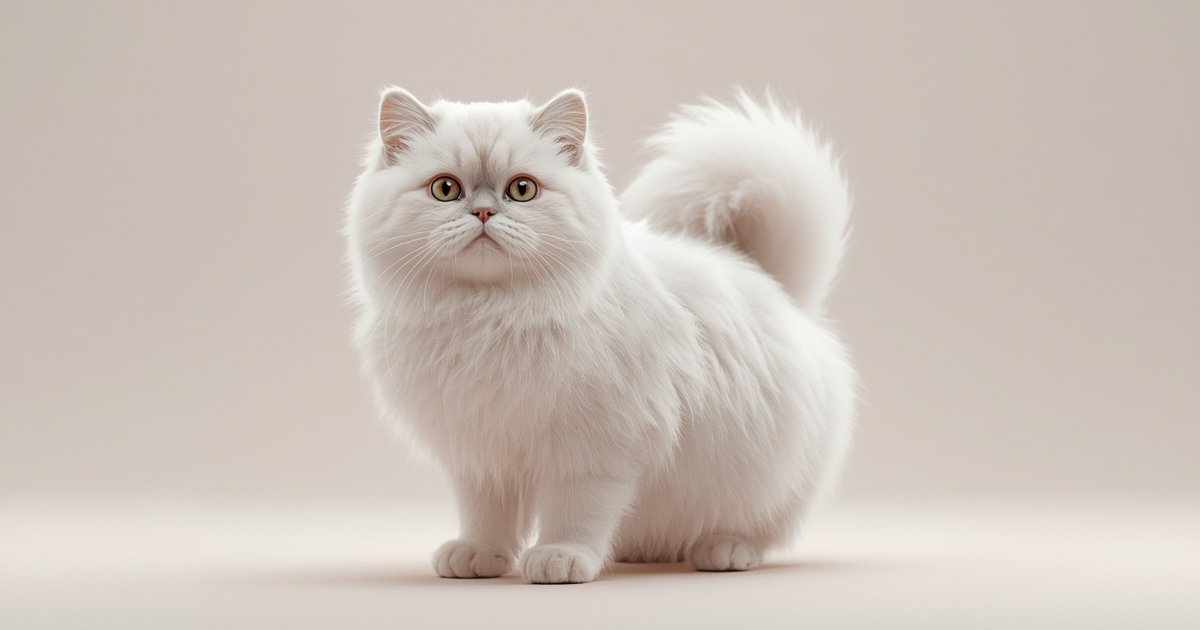
Master Persian grooming in 2026 with our ultimate guide. Learn essential tips for brushing, bathing, and health to keep your feline majestic and happy.
The Uniqueness of the Persian Coat: Why Grooming is Non-Negotiable
The Persian cat, with its distinctive long, flowing coat, flat face, and sweet disposition, is undeniably one of the most beautiful feline breeds. However, this majestic appearance comes with a significant commitment: intensive grooming. Neglecting a Persian’s coat can quickly lead to painful mats, skin issues, and discomfort for your beloved pet. Understanding the specific challenges and rewards of Persian grooming is the first step towards ensuring your cat’s health and happiness.
Their luxurious double coat, consisting of a dense undercoat and long, silky guard hairs, is prone to tangling and matting if not regularly maintained. This isn’t just about aesthetics; mats can pull on the skin, cause irritation, hide parasites, and even restrict movement. Regular and proper Persian grooming is crucial not only for their beauty but for their overall well-being.
Beyond the coat, Persians also have unique needs concerning their eyes, ears, and nails due to their brachycephalic (flat-faced) structure. Tear staining is common, and their ears can accumulate wax more easily. This comprehensive guide will equip you with the knowledge and techniques to tackle every aspect of Persian grooming, ensuring your feline companion thrives in 2026 and beyond.
Daily Essentials: Brushing Techniques for a Majestic Mane
Brushing is the cornerstone of effective Persian grooming. It’s not an optional activity but a daily necessity. Skipping even a day can allow minor tangles to escalate into stubborn mats, especially during shedding seasons. Establishing a consistent daily brushing routine will save both you and your cat a lot of stress in the long run.
Choosing the Right Tools
Having the correct grooming tools is just as important as the technique itself. Invest in high-quality brushes specifically designed for long-haired cats. Poor quality tools can pull fur, irritate skin, and make the experience unpleasant for your cat, leading to resistance.
- Metal Comb (Wide-toothed and Fine-toothed): Essential for detangling and checking for mats. Start with the wide-toothed side, then move to the fine-toothed.
- Slicker Brush: Excellent for removing loose fur and stimulating the skin. Use with a light hand to avoid scratching.
- Pin Brush: Good for overall grooming and distributing natural oils, giving the coat a healthy sheen.
- Dematter Tool or Mat Splitter: A specialized tool for safely breaking up minor mats, used with extreme caution.
- Grooming Spray: A conditioning spray can help lubricate the coat, making brushing easier and reducing static.
Step-by-Step Brushing Routine
Make grooming a positive experience. Start young if possible, and always be gentle. Reward your cat with treats and praise during and after each session. Consistency helps your Persian become accustomed to the routine.
1. Preparation: Find a quiet, comfortable space. Lay out all your tools. A non-slip mat on your lap or a table can help keep your cat steady. A grooming spray can be lightly applied to the coat before you begin.
2. Start with the Belly and Legs: These areas are often prone to matting because they rub against surfaces. Gently brush upwards against the direction of hair growth to lift the fur, then brush down. Be extra careful around sensitive areas like armpits and inner thighs.
3. Move to the Sides and Back: Use your slicker brush or pin brush, working in small sections. Always brush through the entire length of the hair, ensuring you reach the undercoat. Many new owners only brush the top layer, leaving the undercoat to mat.
4. Address the Ruffle and Tail: The neck ruffle and plumed tail are signature Persian features. Brush them thoroughly but gently. The tail hair can be delicate, so avoid harsh pulling.
5. Face and Head: Use a fine-toothed comb around the face, being very careful near the eyes and mouth. This area is delicate and requires a soft touch.
6. Check for Mats: After brushing, run your metal comb through the entire coat. If the comb snags, you’ve found a tangle or mat. Try to gently tease it apart with your fingers or the wide-toothed comb. For stubborn mats, a dematter tool can be used, but extreme care is necessary to avoid cutting the skin. If a mat is severe or close to the skin, professional help is recommended.
The Art of Bathing: Keeping Your Persian Pristine
While daily brushing minimizes the need for frequent baths, Persian cats generally require bathing more often than short-haired breeds. A bath every 4-6 weeks is typically recommended, or more frequently if their coat becomes oily or they get into something messy. Bathing helps remove dirt, loose hair, and dander, contributing to overall skin and coat health.
Essential Bathing Preparations and Products
Just like brushing, preparing for a bath makes the process smoother for everyone involved. Gather all your supplies beforehand, so you don’t have to leave your cat unattended.
- Cat-Specific Shampoo and Conditioner: Never use human products. Choose a high-quality, tearless cat shampoo. A conditioning rinse designed for long-haired cats can help prevent tangles.
- Rubber Mat: Place this in the sink or tub to prevent your cat from slipping.
- Cotton Balls: Gently place these in your cat’s ears to prevent water from entering the ear canal.
- Washcloths: For washing the face and rinsing.
- Several Towels: Persians have a lot of fur, so you’ll need multiple towels for drying.
- Hair Dryer (Optional, set to cool/low): Only use if your cat tolerates it, and always on a low, cool setting.
Step-by-Step Bathing Process
The goal is to make bath time as calm and quick as possible. Keep a gentle, reassuring tone throughout.
1. Pre-Bath Grooming: Thoroughly brush your cat before the bath. Any mats present will tighten when wet, becoming impossible to remove. This is a critical step in effective Persian grooming.
2. Water Temperature: Fill the sink or tub with 3-4 inches of lukewarm water. Test it with your elbow to ensure it’s not too hot or cold.
3. Wetting the Coat: Gently place your cat into the water. Use a cup or shower sprayer (on low pressure) to thoroughly wet their coat, starting from the neck down, avoiding the face. Reassure your cat with soft words.
4. Shampooing: Apply a small amount of shampoo and gently work it through the coat, paying attention to areas that tend to get oily, like the tail base. Massage gently, being careful not to rub vigorously, which can cause tangles. Avoid the eyes and ears.
5. Rinsing: This is the most crucial part. Rinse until every trace of shampoo is gone. Leftover shampoo can irritate the skin and leave a residue that attracts dirt. Use clean water and a clean washcloth for the face.
6. Conditioning (Optional): If using conditioner, apply it as directed, focusing on the ends of the fur. Rinse thoroughly.
7. Drying: Lift your cat out of the water and wrap them immediately in a warm towel. Gently blot and squeeze the water out, rather than rubbing. Repeat with fresh, dry towels until your cat is mostly damp. If using a hairdryer, keep it on a low, cool setting and move it constantly to prevent overheating. Continue to comb through the fur gently as it dries to prevent tangles.
Nails, Eyes, and Ears: The Often-Overlooked Aspects of Persian Grooming
Beyond the magnificent coat, other crucial aspects of Persian grooming require regular attention. These tasks might seem minor, but they significantly impact your cat’s comfort and health.
Nail Trimming
Regular nail trims prevent ingrown claws, snagging, and potential injury to both your cat and furniture. Start young to get your cat accustomed to having their paws handled.
- Frequency: Every 2-4 weeks, or as needed.
- Tools: Use sharp, cat-specific nail clippers (scissor-style or guillotine-style).
- Technique: Gently press on the paw pad to extend the claw. Clip only the clear, sharp tip, avoiding the pink “quick” (which contains blood vessels and nerves). If you accidentally cut the quick, a styptic powder can stop the bleeding. If unsure, ask your vet or a professional groomer for a demonstration.
Eye Care for Brachycephalic Breeds
Persians’ flat faces often lead to epiphora (excessive tearing), which can cause dark tear stains and skin irritation around the eyes. Daily cleaning is paramount.
- Frequency: Daily, or multiple times a day as needed.
- Tools: Soft, damp cloth or cotton pads, specific pet eye-wipes, or a veterinary-approved eye cleaning solution.
- Technique: Gently wipe away any discharge or crust from the corner of the eye, moving outwards. Use a fresh part of the cloth or a new pad for each eye to prevent spreading any potential infection. For stubborn stains, specialized pet stain removers can be used, but always ensure they are safe for use around the eyes.
Ear Cleaning
Persians can be prone to ear wax buildup, especially those with thicker fur inside their ears. Regular checks and cleaning can prevent infections.
- Frequency: Check weekly; clean every 2-4 weeks or as needed.
- Tools: Cotton balls or gauze, veterinary-approved ear cleaning solution (never use cotton swabs inside the ear canal).
- Technique: Gently fold back the ear flap. Apply a few drops of ear cleaning solution into the ear canal (as directed by the product). Gently massage the base of the ear for 30 seconds to loosen debris. Allow your cat to shake their head. Then, use a cotton ball or gauze wrapped around your finger to gently wipe away any visible wax or dirt from the outer ear and accessible parts of the ear canal. Never insert anything deep into the ear canal. If you notice a foul odor, excessive discharge, or redness, consult your veterinarian.
Advanced Persian Grooming Tools for 2026
As technology advances, so do the tools available to make Persian grooming more efficient and comfortable. Investing in quality, modern grooming equipment can significantly improve your experience and your cat’s enjoyment of the process. Here’s a look at some advanced tools that can elevate your grooming game in 2026.
Comparison of Advanced Grooming Tools
Investing in the right tools can make a world of difference in managing your Persian’s coat effectively and comfortably.
| Product | Price | Pros | Cons | Best For |
|---|---|---|---|---|
| Dyson Pet Grooming Kit | $169 – $229 | Attaches to Dyson vacuums for effective loose hair removal without mess. Quieter than standard pet vacuums. | Requires a compatible Dyson vacuum. Can be expensive if you don’t already own one. | Owners looking for a mess-free deshedding solution, especially for cats tolerant of vacuums. |
| Andis ProClip AGC2 Clippers | $130 – $180 | Heavy-duty, quiet operation, detachable blades for easy cleaning and different lengths. Corded for consistent power. | Higher initial cost. Can be intimidating for first-time groomers. | Full body clipping, tackling severe mats, or maintaining specific coat lengths. |
| Petkit Pura Air Purifier + Odor Eliminator | $40 – $60 | Automatically detects and eliminates odors from litter boxes and grooming areas, improving air quality. | Requires battery changes. Effectiveness can vary in very large spaces. | Keeping grooming areas and the home smelling fresh, especially for multi-cat households. |
| ChomChom Pet Hair Remover Roller | $20 – $30 | Highly effective for removing pet hair from furniture, clothing, and carpets without sticky refills. Reusable and eco-friendly. | Not designed for use directly on the pet. Requires manual effort. | Quick cleanup of shedding hair from surfaces after grooming sessions. |
Tackling Common Grooming Challenges
Even with the best routine, challenges can arise in Persian grooming. Knowing how to address them effectively can prevent minor issues from becoming major problems.
Matting and Tangles
Mats are the biggest adversary for Persian owners. Prevention through daily brushing is key. If mats occur:
- Small Tangles: Try to gently work them out with your fingers, followed by a wide-toothed comb. Use a grooming spray to help lubricate the fur.
- Minor Mats: If a mat is small and not too close to the skin, you might use a mat splitter. Always hold the skin taut at the base of the mat to prevent pulling.
- Severe Mats: Never try to cut out large, tight mats with scissors unless you are a professional. The skin underneath a mat can be surprisingly close and thin, leading to accidental cuts. Severe mats often require professional groomer intervention or a vet visit for safe removal, sometimes under sedation.
Shedding Management
Persians shed year-round, with heavier shedding during seasonal changes. While you can’t stop shedding, you can manage it:
- Daily Brushing: Essential for removing loose hair before it can form mats or spread around your home.
- Bathing: Helps to release dead hair from the undercoat.
- Nutrition: A high-quality diet rich in Omega-3 and Omega-6 fatty acids can promote a healthy coat and potentially reduce excessive shedding.
Dealing with a Reluctant Cat
Some cats naturally resist grooming. Patience and positive reinforcement are your best tools.
- Start Small: Begin with very short grooming sessions (1-2 minutes) and gradually increase the duration.
- Positive Reinforcement: Offer treats, praise, and gentle petting during and immediately after grooming.
- Comfortable Environment: Groom in a quiet, calm space. Ensure you are relaxed, as cats can pick up on your stress.
- Professional Help: If your cat is consistently aggressive or uncooperative, a professional groomer or even a veterinary behaviorist might offer strategies or sedation options for necessary grooming.
Building a Positive Grooming Routine
The key to successful Persian grooming isn’t just about the techniques; it’s about building a trusting relationship with your cat around the grooming process. Consistency, patience, and positive associations are vital.
Consistency is Key
Cats are creatures of habit. Establishing a regular grooming schedule helps them anticipate and accept the process. Daily brushing at the same time and in the same place can become a comforting ritual rather than a dreaded chore. This consistency reinforces what Persian grooming truly means for a healthy cat.
Positive Reinforcement
Always associate grooming with positive experiences. This means treats, gentle praise, and playtime immediately after a session. Avoid scolding or punishing your cat during grooming, as this will only create negative associations and increase resistance.
Start Young and Gradually Introduce
If you have a Persian kitten, start handling their paws, ears, and mouth gently from a young age. Introduce brushes and combs for very short periods, gradually increasing exposure. This early desensitization is invaluable for lifelong grooming cooperation.
Know When to Seek Professional Help
While DIY Persian grooming is achievable, don’t hesitate to seek professional help. A professional groomer has specialized tools, techniques, and experience with difficult coats and temperaments. They can also offer full clipping services, which can be a lifesaver for cats with severe matting or for owners who struggle with the intensive upkeep. Think of them as partners in your cat’s care.
Grooming your Persian cat is a significant commitment, but it’s also a wonderful way to bond with your pet and ensure their comfort and health. By understanding their unique needs, using the right tools, and approaching the task with patience and consistency, you can master the art of Persian grooming and keep your magnificent feline looking and feeling their best for years to come. Remember, a well-groomed Persian is a happy Persian.
Frequently Asked Questions (FAQ)
How often should I brush my Persian cat?
Persian cats should be brushed daily to prevent mats and tangles from forming. Their long, dense coats are highly prone to matting, which can cause discomfort and skin issues if neglected.
How often does a Persian cat need a bath?
Most Persian cats benefit from a bath every 4-6 weeks. This helps to remove dirt, excess oils, and loose hair from their double coat, which daily brushing alone cannot fully achieve.
What if my Persian cat hates grooming?
Start with short, positive grooming sessions, offering treats and praise. Be patient and gentle. If your cat is consistently aggressive or extremely stressed, consider consulting a professional groomer or a veterinarian for advice, as they may offer specialized techniques or gentle sedation for necessary grooming.
What are tear stains on a Persian cat and how do I clean them?
Tear stains are dark marks caused by excessive tearing common in flat-faced breeds like Persians. Clean them daily with a soft, damp cloth or pet-specific eye wipes. For persistent stains, veterinary-approved solutions can be used, ensuring they are safe for use around the eyes.
Can I use human shampoo on my Persian cat?
No, you should never use human shampoo on cats. Human shampoos have different pH levels and ingredients that can irritate a cat’s skin and strip their coat of essential oils. Always use a high-quality shampoo specifically formulated for cats.
When should I take my Persian to a professional groomer?
You should consider a professional groomer if your cat has severe matting, if you struggle to keep up with their grooming needs, or if your cat is resistant to at-home grooming. Professionals have the expertise and tools to handle challenging situations safely and effectively.
Leave a Reply