

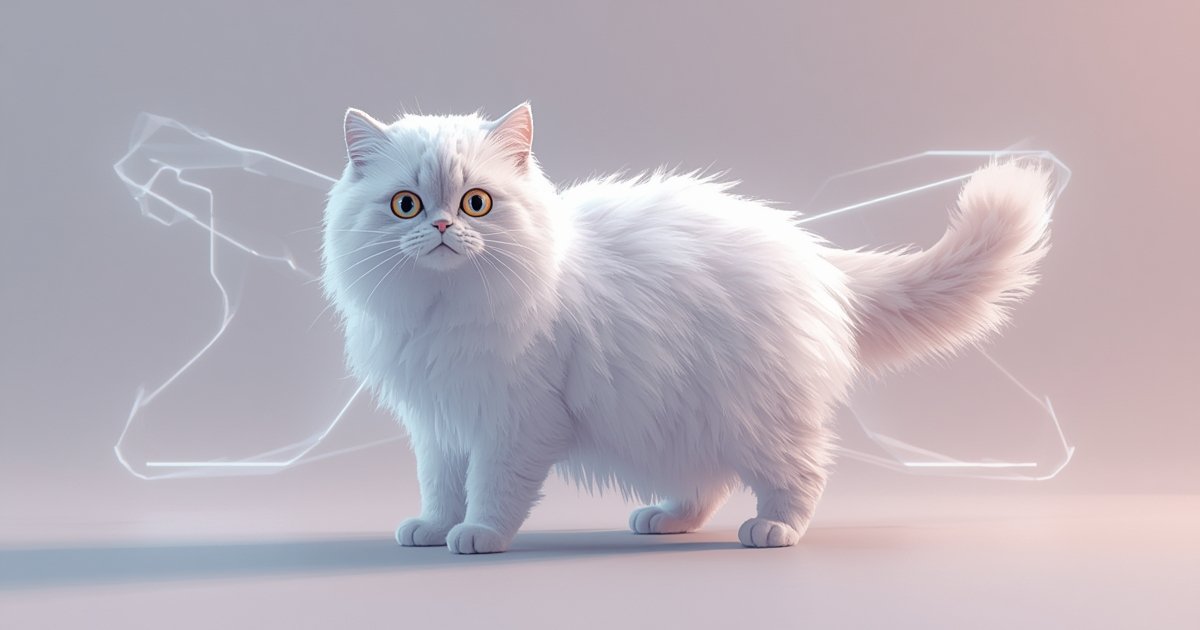
To unlock a truly joyful life for your beloved Persian cat in 2026, understanding and proactively addressing their unique health needs is paramount. Persian cats are known for their luxurious coats and sweet dispositions, but their distinctive features also predispose them to specific health challenges. Ensuring optimal Persian Health means equipping yourself with the knowledge to sidestep common pitfalls and provide the best possible care. This comprehensive guide will reveal five critical health traps to avoid, offering actionable strategies to keep your feline friend thriving for years to come.
Meta Description: Discover 5 critical health traps for Persian cats in 2026. Learn proactive strategies for optimal Persian Health and ensure your feline friend lives a happy, healthy life.
Understanding the Unique Blueprint of Persian Health
Persian cats possess a genetic heritage that makes them distinctive, but also susceptible to certain health conditions. Their brachycephalic (flat) faces, long flowing coats, and docile temperaments all contribute to their charm, yet each trait carries potential health implications. A deep dive into the specific challenges these features present is the first step in mastering Persian Health.
Recognizing early warning signs and implementing preventative care is far more effective than reacting to established problems. This proactive approach is key to mitigating risks associated with their breed-specific traits. By staying informed about the potential health traps, you can ensure your Persian lives a life of comfort and joy.
Trap 1: Navigating Respiratory and Ocular Vulnerabilities
The most defining feature of a Persian cat, their brachycephalic face, is also the source of significant health concerns. Their shortened nasal passages, elongated soft palates, and narrow nostrils can lead to Brachycephalic Airway Syndrome (BAS). This condition compromises their ability to breathe efficiently, especially during exercise or in warm weather.
Symptoms of BAS can range from noisy breathing, snorting, and snoring to more severe issues like gagging, coughing, and even fainting. Monitoring your cat’s breathing patterns is crucial. Any persistent labored breathing or unusual sounds warrant immediate veterinary attention. Ensuring optimal Persian Health means taking these respiratory issues seriously.
– Keep your home environment cool and calm, especially during hot months.
– Avoid strenuous exercise that could overexert their respiratory system.
– Use a harness instead of a collar for walks to avoid pressure on the windpipe.
– Consider air purifiers to reduce airborne irritants like dust and pollen.
Beyond respiratory issues, their prominent, large eyes are prone to a condition called epiphora, or excessive tearing. The flat face often means tears cannot drain properly through the tear ducts, leading to tear stains on the fur and potential skin irritation or infections around the eyes. Regular cleaning is non-negotiable for good Persian Health.
– Gently wipe their eyes daily with a soft, damp cloth or a vet-approved eye wipe.
– Trim the fur around their eyes carefully to prevent it from irritating the conjunctiva.
– Watch for signs of irritation, redness, or discharge, which could indicate infection.
– Consult your vet if tear staining becomes severe or if you notice any changes in eye appearance.
Another common ocular issue is entropion, where the eyelid rolls inward, causing eyelashes to rub against the cornea. This can be painful and lead to corneal ulcers if not addressed. Routine veterinary check-ups can detect such conditions early.
Trap 2: The Silent Threat of Dental Disease
Dental health is often overlooked but is a major contributor to a Persian cat’s overall well-being. Their compact jaws can lead to crowded teeth, making them more susceptible to plaque and tartar buildup. This accumulation can progress to gingivitis, periodontitis, and eventually tooth loss, pain, and systemic infections. Maintaining good Persian Health includes a robust dental care routine.
The signs of dental disease can be subtle: bad breath, difficulty eating, pawing at the mouth, or excessive drooling. By the time these symptoms become obvious, the disease may be quite advanced. Preventative care is paramount.
– Daily brushing with a vet-approved feline toothbrush and toothpaste is the gold standard. Start early to accustom your kitten to the routine.
– Offer dental treats and specialized dental diets that help reduce plaque buildup. Look for products with the Veterinary Oral Health Council (VOHC) seal.
– Schedule regular professional dental cleanings under anesthesia with your veterinarian, as recommended. This is crucial for removing stubborn tartar below the gum line.
– Regularly inspect your cat’s mouth for red gums, broken teeth, or unusual growths.
The bacteria from severe dental disease can enter the bloodstream and affect vital organs like the heart, kidneys, and liver. Investing in your Persian’s dental hygiene is an investment in their long-term health and happiness.
Trap 3: Battling Hairballs and Digestive Sensitivities
Persian cats are renowned for their long, luxurious coats, which, while beautiful, come with a significant downside: excessive shedding and the inevitable ingestion of hair during grooming. This often leads to hairballs, a common but potentially serious issue for Persian Health. While occasional hairballs are normal, frequent or large hairballs can cause blockages in the digestive tract, leading to discomfort, vomiting, appetite loss, and even life-threatening obstructions.
Beyond hairballs, some Persians can have sensitive digestive systems, reacting poorly to certain food ingredients. Identifying and managing these sensitivities is vital for their comfort and nutrient absorption.
– Regular grooming is the most effective defense against hairballs. Brush your Persian daily, or even twice daily, to remove loose hair before they can ingest it.
– Incorporate hairball control diets or supplements into their routine. These products often contain increased fiber to help hair pass through the digestive system more easily.
– Ensure your cat has access to fresh water at all times, as proper hydration aids digestion.
– Watch for changes in appetite, frequent vomiting, straining to defecate, or lethargy, all of which could indicate a severe hairball obstruction or other digestive issues.
When it comes to diet, a high-quality, easily digestible food formulated for sensitive stomachs or long-haired breeds can make a significant difference. Look for foods with limited ingredients and without common allergens like corn, wheat, or soy if your cat shows signs of sensitivity.
– Introduce new foods gradually over 7-10 days to avoid upsetting their stomach.
– Consult with your veterinarian to determine the best diet plan, especially if your cat has persistent digestive problems.
– Avoid feeding table scraps, which can be difficult for their systems to process and may contain harmful ingredients.
Trap 4: Addressing Kidney Disease, Especially PKD
Polycystic Kidney Disease (PKD) is a hereditary condition particularly prevalent in Persian cats and related breeds. It causes fluid-filled cysts to form in the kidneys, progressively enlarging and eventually impairing kidney function. Unfortunately, symptoms often don’t appear until the disease is advanced, making early detection through screening crucial for optimal Persian Health.
PKD is passed down genetically, so responsible breeding practices involve screening parent cats for the condition. If you are considering a Persian kitten, always ask the breeder for proof that the parents have been screened and are PKD-negative.
– Early detection is key. A simple ultrasound can diagnose PKD, often before symptoms appear.
– If diagnosed, your veterinarian will help manage the disease through dietary changes (low-phosphorus, high-quality protein diets) and medication to support kidney function and alleviate symptoms.
– Ensure your Persian has constant access to fresh water to encourage hydration, which supports kidney health.
– Regular veterinary check-ups, including blood and urine tests, are vital for monitoring kidney function, especially as your cat ages.
Symptoms of advanced kidney disease can include increased thirst and urination, weight loss, decreased appetite, vomiting, and lethargy. While PKD is not curable, managing it can significantly improve your cat’s quality of life and extend their lifespan.
Trap 5: Preventing Skin and Coat Neglect
The Persian cat’s opulent, long coat is its crowning glory, but it’s also a high-maintenance feature that can quickly become a health trap if neglected. Without diligent care, their thick double coat is prone to matting, tangles, and skin issues. Mats can pull on the skin, causing pain, irritation, and even skin infections beneath the matted fur. This is a common but entirely preventable threat to overall Persian Health.
Beyond matting, Persians can also suffer from various dermatological conditions, including fungal infections (ringworm), bacterial skin infections, and allergies, which can be exacerbated by poor grooming or environmental factors.
– Daily grooming is non-negotiable. Use a wide-toothed comb to untangle the top coat and a slicker brush to remove loose undercoat. Pay special attention to areas prone to matting, such as behind the ears, armpits, and hindquarters.
– Regular bathing (every 4-6 weeks) with a gentle, cat-specific shampoo can help keep the coat clean and free of oils that can contribute to matting. Always ensure the coat is thoroughly dried to prevent skin issues.
– Consider professional grooming every few months, especially if you struggle to maintain their coat at home. A professional groomer can address severe mats and provide a sanitary trim.
– Supplementing their diet with omega-3 fatty acids can promote healthy skin and a shiny coat from the inside out. Consult your vet for appropriate dosages.
– Watch for signs of skin irritation, redness, dandruff, excessive scratching, or bald patches. These could indicate allergies, parasites, or infections.
Preventing coat neglect is not just about aesthetics; it’s about comfort and preventing painful skin conditions. A well-groomed Persian is a happier, healthier Persian.
Comparison of Top Persian Cat Grooming Tools
Proper grooming is essential to avoid coat-related health traps. Investing in the right tools can make this daily task much easier and more effective for maintaining excellent Persian Health. Here’s a comparison of some top grooming tools suitable for Persian cats:
| Product | Price | Pros | Cons | Best For |
|---|---|---|---|---|
| Slicker Brush (e.g., Chris Christensen Big G) | $50-$70 | Excellent for removing loose undercoat and preventing mats; stimulates blood flow. High-quality construction for durability. | Can be expensive; requires a gentle hand to avoid skin irritation. | Daily detangling and dematting, maintaining coat volume. |
| Stainless Steel Comb (e.g., Safari by Coastal Pet) | $10-$20 | Essential for finding and gently working out small tangles and mats. Perfect for face and leg areas. | Not effective for removing large amounts of loose undercoat on its own. | Finishing touches, checking for mats, grooming sensitive areas. |
| Dematting Tool (e.g., FURminator Deshedding Tool) | $30-$40 | Designed to safely cut through small mats and remove large amounts of loose undercoat. Reduces shedding significantly. | Can pull hair if not used carefully; not suitable for very dense, severe mats. | Heavy shedding periods, reducing overall loose hair, preventing severe matting. |
| Grooming Glove (e.g., Pet Grooming Glove) | $10-$15 | Gentle, excellent for bonding and cats sensitive to traditional brushes. Collects loose hair while petting. | Less effective for deep dematting or severe shedding; not a primary tool. | Young cats, cats new to grooming, daily light shedding removal. |
Proactive Strategies for Lifelong Persian Health
Beyond avoiding specific health traps, a holistic approach to your Persian’s well-being is crucial. This involves regular veterinary care, a balanced diet, proper exercise, and a stimulating environment. Each of these pillars supports overall Persian Health and resilience.
Routine Veterinary Check-ups and Preventative Care
Annual or semi-annual veterinary visits are the cornerstone of preventative care. These check-ups allow your vet to detect potential issues early, administer necessary vaccinations, and provide personalized advice based on your cat’s age, lifestyle, and breed-specific predispositions. This is vital for maintaining optimal Persian Health.
– Discuss any changes in behavior, appetite, or litter box habits with your vet.
– Ensure your cat is up-to-date on vaccinations and parasite control (fleas, ticks, worms).
– Regular blood and urine tests, especially for older cats, can help monitor organ function and detect diseases like kidney disease or diabetes.
Nutrition Tailored for Persian Needs
A high-quality diet is fundamental to a healthy Persian cat. Given their predisposition to hairballs and potential digestive sensitivities, selecting the right food is especially important.
– Look for cat foods specifically formulated for long-haired breeds or sensitive stomachs. These often contain ingredients to support coat health, reduce hairballs, and aid digestion.
– Ensure the food’s primary ingredients are animal proteins, not fillers or by-products.
– Monitor your cat’s weight. Persians are prone to obesity if overfed, which can exacerbate respiratory issues and increase the risk of other health problems.
– Provide puzzle feeders to slow down eating and offer mental stimulation, helping to prevent obesity and boredom.
Mental and Physical Enrichment
While Persians are known for their calm demeanor, they still need mental and physical stimulation. A happy cat is often a healthy cat, and this plays a significant role in overall Persian Health.
– Provide engaging toys that encourage play and activity.
– Create vertical spaces, like cat trees or shelves, for them to climb and observe their surroundings.
– Dedicate time each day for interactive play with wand toys or laser pointers.
– Consider enriching their environment with catnip, cat grass, or puzzle feeders.
– Although they are primarily indoor cats, supervised outdoor time in a secure enclosure can provide beneficial stimulation.
Prioritizing mental and physical well-being contributes to a stronger immune system and a more resilient cat, making them better equipped to handle any health challenges that may arise.
By implementing these proactive strategies and remaining vigilant about the five health traps discussed, you are setting your Persian cat up for a truly happy, healthy, and long life in 2026 and beyond. Their unique charm comes with unique responsibilities, and embracing these responsibilities is the ultimate act of love for your feline companion.
To ensure your Persian cat thrives, a holistic approach combining attentive daily care with professional veterinary oversight is essential. By understanding their unique needs and proactively addressing potential health challenges, you are investing in a long and joyful life together. Don’t wait for issues to arise; take action today to secure your cherished companion’s well-being.
For personalized advice on your Persian cat’s health plan, consider scheduling a consultation with your trusted veterinarian.
Frequently Asked Questions (FAQ)
What is Brachycephalic Airway Syndrome (BAS)?
Brachycephalic Airway Syndrome (BAS) is a condition affecting flat-faced breeds like Persians. It refers to a combination of anatomical abnormalities, such as narrowed nostrils, an elongated soft palate, and a hypoplastic trachea, which obstruct airflow and make breathing difficult for the cat.
How often should I groom my Persian cat to prevent hairballs?
To effectively prevent hairballs and matting, Persian cats should be groomed daily. Use a combination of a comb and a slicker brush to remove loose hair and detangle their long, dense coat. Regular grooming also serves as a great bonding experience.
Can Persian cats eat human food?
It is generally not recommended to feed Persian cats human food. Many human foods are high in salt, sugar, fats, or contain ingredients that are toxic to cats (like onions, garlic, chocolate). Sticking to a high-quality, cat-specific diet is the safest and most nutritious option for maintaining optimal Persian Health.
Is Polycystic Kidney Disease (PKD) preventable?
While PKD itself is a genetic condition and not directly preventable in an individual cat that inherits the gene, its prevalence can be reduced through responsible breeding practices. Reputable breeders screen their breeding cats for PKD using ultrasound to ensure they are negative for the gene, thus preventing its transmission to offspring.
What are the signs of dental problems in Persian cats?
Signs of dental problems in Persian cats can include bad breath (halitosis), red or swollen gums, yellow or brown tartar buildup on teeth, difficulty eating, pawing at the mouth, drooling, or a reluctance to play with toys. Regular dental checks, both at home and with your vet, are crucial for early detection and intervention.
Leave a Reply