

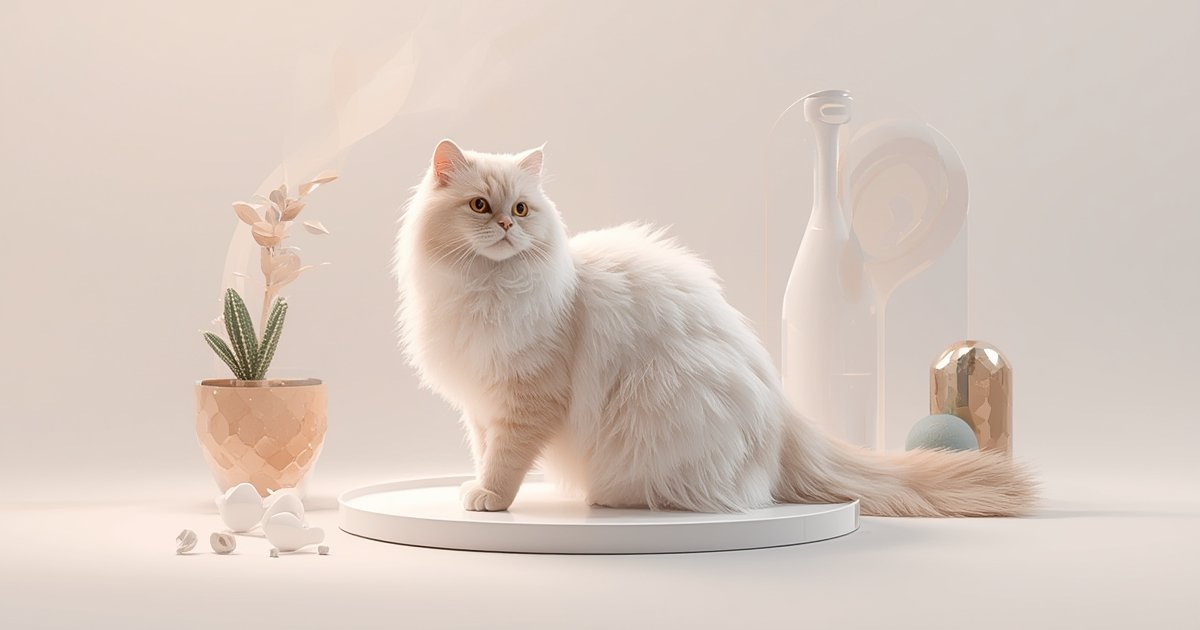
Meta Description: Master your Persian cat’s diet in 2026 with this ultimate guide. Learn about unique needs, food choices, feeding schedules, and common challenges for a healthy, happy feline.
Understanding Your Persian Cat’s Unique Nutritional Needs
Caring for a Persian cat is a rewarding experience, filled with their charming personalities and luxurious coats. However, their distinctive features—from their brachycephalic (flat) faces to their long, flowing fur—come with specific dietary considerations that differ significantly from other breeds. Understanding these unique needs is the cornerstone of providing an optimal Persian Diet. A well-tailored feeding plan directly impacts their overall health, coat quality, and even their joyful demeanor.
The Distinctive Persian Anatomy and Digestion
Persian cats are known for their elegant, flat faces. While adorable, this brachycephalic structure can make eating a challenge. They often struggle to pick up and chew certain kibble shapes, leading to messy eating habits and potential digestive issues if food isn’t properly broken down. Their digestive systems, like all cats, are primarily designed for meat, emphasizing the importance of high-quality animal protein in their diet. A premium Persian Diet must account for these physical traits to ensure comfort and nutrient absorption.
Common Health Concerns Influenced by Persian Diet
Several health issues are prevalent in Persian cats, many of which can be managed or exacerbated by their diet. Awareness of these can help you proactively choose the best Persian Diet. Proactive dietary management is crucial for their long-term well-being.
Hairball Management
Persian cats are prolific groomers, and their long, dense fur means they ingest a significant amount of hair. This often leads to hairballs, which can cause vomiting, constipation, or, in severe cases, intestinal blockages. A Persian Diet rich in fiber and specific ingredients designed to aid hair passage through the digestive system is essential for prevention. Special formulations often include psyllium husk or beet pulp to support this.
Skin and Coat Health
The hallmark of a Persian is their stunning coat. Maintaining its luster and preventing matting requires more than just regular grooming; it starts from within. A diet lacking in essential fatty acids can lead to dry, flaky skin, dull fur, and excessive shedding. A high-quality Persian Diet should include omega-3 and omega-6 fatty acids to nourish the skin and promote a healthy, shiny coat that resists matting. This nutritional support is vital for their iconic appearance.
Dental Health Considerations
Due to their facial structure, Persians can be prone to dental issues, including overcrowding of teeth and gum disease. While wet food is beneficial for hydration, dry kibble with a specific shape and texture can help reduce tartar buildup as the cat chews. Incorporating dental health into the Persian Diet strategy is important, alongside regular dental check-ups and cleanings by a veterinarian. Choosing appropriate food textures can make a significant difference.
Choosing the Right Food for the Ideal Persian Diet
Selecting the best food for your Persian cat can feel overwhelming with the myriad of options available. The key is to look for foods specifically formulated to meet their unique needs, supporting their digestion, coat health, and overall vitality. A thoughtful approach to their Persian Diet ensures they receive all necessary nutrients.
Dry Kibble vs. Wet Food: A Balanced Approach
Many owners opt for a combination of dry and wet food to provide a comprehensive Persian Diet. Each type offers distinct advantages. The right balance can support hydration, dental health, and nutrient intake, addressing multiple aspects of their well-being.
Benefits of High-Quality Dry Kibble
Dry kibble formulated for Persian cats often features uniquely shaped pieces that are easier for their brachycephalic jaws to pick up and chew. Chewing kibble can also help scrape plaque off teeth, contributing to better dental hygiene. Look for kibbles that are nutrient-dense, with high-quality protein and appropriate fiber levels to assist with hairball control. Dry food is also convenient for free-feeding, though portion control is often better for most cats.
The Importance of Moisture in Wet Food
Cats naturally have a low thirst drive, meaning they may not drink enough water to stay adequately hydrated. Wet food is an excellent source of moisture, which is crucial for kidney and urinary tract health. It can also be more palatable for finicky eaters and provides a softer texture for cats with dental sensitivities. Combining wet and dry food ensures a balanced approach to the Persian Diet, addressing both hydration and varied nutritional needs.
Ingredient Deep Dive: What to Look For (and Avoid)
Understanding food labels is crucial for making informed decisions about your Persian Diet. Focus on whole, recognizable ingredients and be wary of fillers and artificial additives.
High-Quality Protein Sources
Cats are obligate carnivores, meaning their primary source of nutrition must come from animal protein. Look for ingredients like chicken, turkey, salmon, or beef listed as the first few ingredients. These provide the essential amino acids necessary for muscle maintenance, energy, and overall health. Avoid foods that list “meat by-products” or “meat meal” without specifying the animal source as a primary protein.
Essential Fats and Omega Fatty Acids
Fats are a concentrated source of energy and are vital for nutrient absorption and a healthy coat. Omega-3 fatty acids (found in fish oils like salmon oil) and omega-6 fatty acids (found in chicken fat, sunflower oil) are critical for skin health, a shiny coat, and reducing inflammation. Ensure these healthy fats are present in your chosen Persian Diet formula. They are particularly beneficial for their luxurious fur.
Vitamins, Minerals, and Fiber
A balanced Persian Diet includes a complex array of vitamins and minerals to support every bodily function. Look for added vitamins like A, D, E, and B-complex, and minerals such as calcium, phosphorus, zinc, and iron. Fiber, often from ingredients like psyllium husk, beet pulp, or sweet potatoes, is essential for digestive health and especially critical for hairball management in long-haired breeds like Persians.
Ingredients to Avoid
While some ingredients are beneficial, others offer little nutritional value or can even be harmful. Avoid foods with excessive fillers like corn, wheat, and soy, which can be difficult for cats to digest and offer minimal nutritional benefit. Artificial colors, flavors, and preservatives should also be avoided, as they can cause sensitivities or allergies. Stick to natural ingredients for the best Persian Diet.
Comparison of Premium Persian Cat Foods
Choosing the right specialized food is critical for a well-rounded Persian Diet. Here’s a comparison of some high-quality options suitable for Persians, focusing on their unique needs.
| Product | Price | Pros | Cons | Best For |
|---|---|---|---|---|
| Royal Canin Persian Adult Dry Food | $35-$45 (3.5lb bag) | Formulated with an almond-shaped kibble for easy grasping by brachycephalic jaws. Contains specific nutrients for skin and coat health, and high fiber for hairball control. | Can be high in carbohydrates compared to some grain-free options. Price point is higher due to specialization. | Persian cats with specific needs related to facial structure, coat, and hairballs. |
| Blue Buffalo Wilderness Chicken Dry Food | $30-$40 (4lb bag) | Grain-free, high-protein formula with real chicken. Enriched with Omega 3 & 6 fatty acids for skin and coat. Contains LifeSource Bits for antioxidant health. | Kibble shape might not be specifically designed for flat-faced breeds, though many Persians manage well. | Persian cats needing a high-protein, grain-free diet with excellent skin and coat support. |
| Wellness Core Grain-Free Indoor Chicken & Turkey Recipe | $28-$38 (5lb bag) | Features a balanced blend of lean protein sources. Rich in flaxseed and salmon oil for healthy skin and coat. Contains probiotics for digestive health, beneficial for a sensitive Persian Diet. | The kibble size might be standard, requiring careful eating for some flat-faced Persians. | Indoor Persian cats who need weight management, digestive support, and superior coat health from their Persian Diet. |
| Merrick Purrfect Bistro Grain-Free Real Salmon & Whitefish | $32-$42 (4lb bag) | Deboned salmon and whitefish are the first ingredients. Packed with Omega fatty acids for luxurious fur. Includes prebiotics and probiotics for optimal digestion. | Fish-based formula might not be preferred by all cats or owners due to smell. | Persian cats who thrive on a fish-based, grain-free diet, especially those needing extra skin and coat support. |
Establishing a Healthy Feeding Schedule and Portion Control
Consistency is key when it comes to feeding your Persian cat. Establishing a regular feeding schedule and controlling portions are critical for maintaining a healthy weight, preventing obesity, and ensuring proper digestion. These practices are integral to a successful Persian Diet.
Determining Optimal Calories for Your Persian Diet
The caloric needs of your Persian cat depend on several factors: age, activity level, and whether they are spayed/neutered. Kittens require more calories for growth, while senior cats may need fewer. Active cats burn more energy than sedentary ones. Consult your veterinarian for precise caloric recommendations tailored to your cat’s specific situation. Most food packaging also provides guidelines based on weight, but these are general starting points.
The Benefits of Scheduled Meals
While free-feeding (leaving food out all day) is convenient, scheduled meals offer better control over portion sizes and can help prevent overeating. Feeding your Persian two to three times a day at consistent intervals can help regulate their metabolism and digestive system. This routine also allows you to monitor their appetite, which can be an early indicator of health issues. Scheduled feeding promotes a healthy Persian Diet.
Monitoring Weight and Adjusting Portions
Regularly weighing your Persian cat is crucial to ensure they maintain a healthy weight. You should be able to feel their ribs easily without seeing them, and they should have a discernible waist when viewed from above. If your cat is gaining too much weight, gradually reduce their portion sizes. If they are losing weight, increase portions or consult your vet to rule out underlying health problems. Adjusting the Persian Diet based on their weight is a dynamic process.
Hydration and Supplements for a Comprehensive Persian Diet
Beyond food, proper hydration and, at times, targeted supplements play a vital role in the overall health of your Persian cat. These elements complete the picture of a truly comprehensive Persian Diet, supporting various bodily functions and addressing specific needs.
The Critical Role of Water Intake
Water is essential for nearly every bodily function, including nutrient absorption, temperature regulation, and waste elimination. Cats, particularly those on a dry kibble Persian Diet, are prone to dehydration if they don’t drink enough. Adequate water intake helps prevent urinary tract infections and kidney disease, which can be common in older cats.
Encouraging Water Consumption
Many cats prefer fresh, moving water. Consider investing in a cat drinking fountain to entice them to drink more. Place multiple water bowls around the house, ensuring they are always clean and filled with fresh water. Ceramic or stainless steel bowls are often preferred over plastic. If your cat primarily eats dry food, incorporating wet food into their Persian Diet is an excellent way to boost their daily water intake significantly.
When to Consider Supplements
While a high-quality, balanced Persian Diet should provide most necessary nutrients, there are instances where supplements can offer targeted support. Always consult your veterinarian before adding any supplements to your cat’s regimen to ensure they are appropriate and dosed correctly.
Omega Fatty Acid Supplements
For Persians with persistent dry skin, dull coats, or excessive shedding, an omega-3 fatty acid supplement (such as fish oil) can work wonders. These fats reduce inflammation and nourish the skin and fur from within, promoting a soft, lustrous coat. This is a common and highly effective addition to a Persian Diet focused on coat health.
Probiotics and Digestive Aids
If your Persian cat experiences frequent digestive upset, loose stools, or has recently been on antibiotics, probiotics can help restore a healthy balance of gut bacteria. These beneficial microorganisms aid digestion and boost the immune system. A vet can recommend specific strains suitable for felines.
Hairball Control Supplements
Even with a fiber-rich Persian Diet, some Persians may still struggle with hairballs. Supplements specifically designed for hairball control, often containing lubricants like petroleum jelly or specific fibers, can help hair pass through the digestive tract more easily. These are usually given as a paste or gel.
Addressing Common Persian Diet Challenges and Solutions
Even with the best intentions, owners can face challenges when managing their Persian cat’s diet. From picky eating to transitioning foods, understanding common issues and their solutions can ensure your cat remains healthy and well-fed. Successfully navigating these hurdles is part of providing an optimal Persian Diet.
Managing Finicky Eaters
Persian cats can be notoriously finicky. If your cat suddenly refuses to eat, first rule out any underlying health issues with a vet visit. Once health is confirmed, try different textures (pâté vs. shredded), flavors, or brands. Warming wet food slightly can enhance its aroma, making it more appealing. Avoid constantly changing foods, as this can reinforce pickiness. Patience and consistency are key to finding the right Persian Diet for a choosy cat.
Transitioning Foods Smoothly
When changing your cat’s food, whether due to age, health needs, or simply finding a better option, do so gradually. A sudden change can lead to digestive upset. Over 7-10 days, slowly mix increasing amounts of the new food with decreasing amounts of the old food. Start with 25% new food and 75% old food for a few days, then move to 50/50, then 75% new, until they are fully on the new Persian Diet.
Dietary Adjustments for Senior or Special Needs Persians
As Persians age, their nutritional needs change. Senior cats may have reduced activity levels, requiring fewer calories, but might benefit from foods easier to digest and higher in certain nutrients for joint or kidney support. Cats with specific health conditions (e.g., kidney disease, diabetes) will require prescription diets formulated to manage their condition. Always work closely with your veterinarian to tailor the Persian Diet to these specialized requirements. This collaboration ensures they receive the most appropriate and beneficial nutrition.
Providing your Persian cat with an optimal diet is one of the most important aspects of their care. From understanding their unique physiological needs to carefully selecting high-quality foods and maintaining consistent feeding routines, every step contributes to their longevity and happiness. A well-managed Persian Diet ensures their luxurious coat stays pristine, their digestion is smooth, and their overall health thrives. Remember, your cat’s diet is a dynamic aspect of their care; staying informed and consulting with your veterinarian regularly will help you make the best choices for your cherished companion.
Ready to optimize your Persian’s diet or have specific questions about their health? Don’t hesitate to reach out to a veterinary professional for personalized advice.
Frequently Asked Questions (FAQ)
Q: How often should I feed my Persian cat?
A: Most adult Persian cats benefit from being fed two to three times a day at consistent intervals. This helps regulate their metabolism and digestive system, and allows for better portion control.
Q: What type of kibble shape is best for a Persian cat?
A: Due to their brachycephalic (flat) faces, Persian cats often find it easier to pick up and chew kibble that is specifically designed for them, such as almond or crescent shapes. These shapes are easier for them to grasp with their specialized jaw structure.
Q: Are grain-free diets necessary for Persian cats?
A: Not necessarily for all Persian cats. While some cats may have sensitivities to grains, a quality Persian Diet can include grains as long as they are digestible and not primary fillers. The focus should be on high-quality animal protein as the main ingredient. Consult your vet if you suspect a grain sensitivity.
Q: How can I prevent hairballs in my Persian cat?
A: Regular grooming is crucial. Additionally, a Persian Diet rich in fiber (e.g., formulations with psyllium husk or beet pulp) helps hair pass through the digestive system. Hairball control supplements or pastes can also be beneficial, but always check with your vet first.
Q: Can my Persian cat eat human food?
A: While some human foods are safe in small quantities (like plain cooked chicken or salmon), many are not suitable or can even be toxic (e.g., onions, garlic, chocolate, grapes). It’s best to stick to a balanced commercial cat food specifically designed for their nutritional needs to avoid deficiencies or harmful ingredients. Always consult your vet before offering any human food.
Leave a Reply