

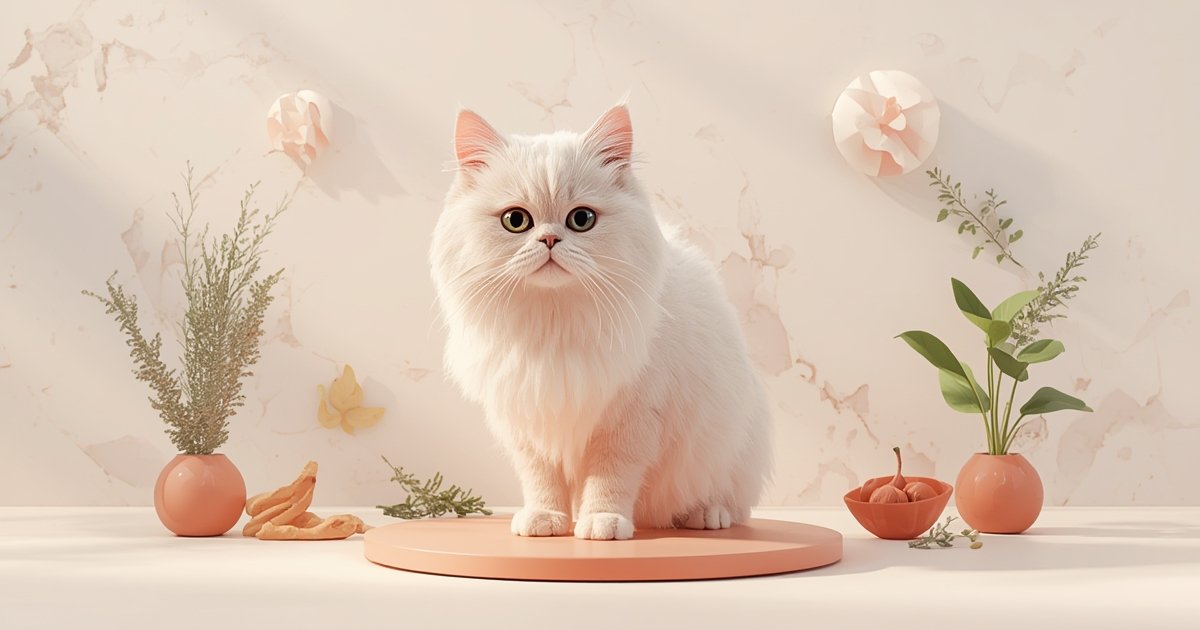
Meta Description: Debunking the top 5 Persian cat nutrition myths for 2026! Discover expert insights and practical advice for optimal Persian Nutrition, ensuring your fluffy friend thrives. Learn the truth!
Decoding the Dietary Demands of Your Regal Persian Companion
Persian cats, with their majestic long coats, striking eyes, and endearing flat faces, are truly a sight to behold. These magnificent felines bring immense joy and companionship, but their unique physiology often leads to specific care requirements, especially concerning their diet. Unfortunately, many misconceptions circulate regarding optimal Persian Nutrition, often fueled by outdated advice or well-meaning but misinformed owners.
Ensuring your Persian receives the right nutrients is paramount to their health, longevity, and coat quality. Neglecting their specific dietary needs can lead to a host of problems, from digestive issues and skin conditions to more serious long-term health complications. It’s time to cut through the noise and debunk the most prevalent Persian Nutrition myths that persist into 2026, empowering you to make informed decisions for your beloved pet.
Myth #1: More Protein is Always Better for Persian Cats
One of the most enduring myths in feline nutrition, particularly for breeds like the Persian, is the belief that an ultra-high protein diet automatically equates to superior health. While cats are obligate carnivores and require a significant amount of protein, simply maximizing protein content without considering its source or digestibility can be detrimental rather than beneficial.
Cats derive their energy and essential amino acids from protein, and a high-quality protein source is indeed crucial. However, the notion that “more is always better” often leads owners to choose foods with excessively high, sometimes unbalanced, protein levels. The quality of the protein, meaning its bioavailability and the amino acid profile, is far more important than the crude percentage listed on a bag of kibble.
The Truth About Protein Sources and Quality
Not all proteins are created equal. A diet rich in animal-derived proteins, such as chicken, turkey, fish, and beef, provides a complete amino acid profile essential for your Persian’s muscle maintenance, healthy skin, and luxurious coat. Plant-based proteins, while present in some cat foods, do not offer the same comprehensive nutritional value for a carnivore.
Excessive protein, especially from low-quality sources, can put unnecessary strain on your cat’s kidneys and liver over time. Furthermore, if protein levels are too high without adequate fat and carbohydrate balance, your cat might not be getting enough energy from other sources, potentially leading to the body breaking down protein for energy, which is inefficient.
What your Persian cat truly needs is a diet with moderate to high levels of highly digestible animal-based protein. Look for ingredients where meat is listed as the first few components. Consulting with your veterinarian can help determine the ideal protein percentage based on your cat’s age, activity level, and health status.
Myth #2: Dry Kibble Alone is Sufficient for Optimal Persian Nutrition
Many cat owners opt for dry kibble due to its convenience, cost-effectiveness, and ability to be left out for free-feeding. While modern dry kibbles have come a long way in nutritional completeness, the idea that a purely dry diet is sufficient for optimal Persian Nutrition is a significant myth that needs addressing.
The primary concern with an exclusive dry kibble diet for cats, especially Persians, is hydration. Cats, by nature, have a low thirst drive. In the wild, they obtain most of their moisture from their prey. Dry kibble typically contains only 6-10% moisture, significantly less than the 70-80% found in wet food or natural prey.
The Critical Role of Hydration for Persians
Persian cats are prone to certain health issues, including kidney disease and urinary tract problems, which can be exacerbated by chronic dehydration. A lack of sufficient moisture intake can lead to concentrated urine, increasing the risk of crystal formation and bladder infections.
Incorporating wet food into your Persian’s diet, even if only for one meal a day, can dramatically improve their overall hydration. Wet food not only provides essential moisture but can also be more palatable, encouraging better appetite for fussy eaters. A mixed diet of both high-quality dry kibble and wet food is often recommended by veterinarians for balanced Persian Nutrition.
For Persians, their flattened facial structure can sometimes make it challenging to eat certain types of kibble or drink water efficiently from standard bowls. Consider shallow, wide bowls for food and water fountains to encourage more drinking. Adequate hydration supports not just urinary health, but also digestion, circulation, and overall vitality.
Choosing the Right Food for Optimal Persian Nutrition
When selecting food for your Persian, it’s essential to look beyond marketing claims and focus on ingredient quality and nutritional balance. The shape and size of kibble can also play a role for brachycephalic (flat-faced) breeds, as some larger or irregularly shaped pieces might be difficult for them to pick up and chew.
Consider specialized formulas designed for long-haired cats or specific breeds, but always scrutinize the ingredient list. Look for whole meat as the primary ingredient, limited fillers, and balanced omega fatty acids for coat health. Below is a comparison of common cat food types that can contribute to excellent Persian Nutrition:
| Product Type | Average Price (per lb/can) | Pros | Cons | Best For |
|---|---|---|---|---|
| Premium Dry Kibble | $3-7 / lb | Convenient, dental benefits (some), higher calorie density. | Low moisture content, can be less palatable, potential for overeating. | Maintenance, busy owners, part of a mixed diet. |
| High-Quality Wet Food (Pate) | $1.50-3.00 / can | Excellent hydration, highly palatable, easier to digest for some. | Can be more expensive, less convenient for free-feeding, potential for dental issues without dry food. | Hydration, fussy eaters, managing urinary health. |
| High-Quality Wet Food (Chunks/Gravy) | $1.75-3.50 / can | Good hydration, varied texture, appealing to many cats. | Similar cons to pate, gravy can be high in calories/carbs. | Providing variety, encouraging interest in food. |
| Freeze-Dried Raw | $15-30 / lb | Minimally processed, high nutrient retention, palatable. | Very expensive, requires rehydration, not suitable for all cats. | Cats with sensitivities, owners committed to raw feeding. |
| Limited Ingredient Diet (LID) | $4-9 / lb (dry), $2-4 / can (wet) | Reduces allergens, ideal for sensitive stomachs or allergies. | Fewer protein sources, may require veterinary guidance. | Cats with food sensitivities or allergies. |
Myth #3: All Hairball Formulas Are Created Equal and Solve All Issues
Persian cats are renowned for their magnificent, long, flowing coats. This beautiful feature, however, comes with a trade-off: a higher propensity for hairballs. It’s common for owners to reach for specialized “hairball control” formulas, believing they offer a universal solution. While these foods can be helpful, the myth lies in the assumption that all are equally effective or that diet alone can fully mitigate the problem.
Hairball formulas typically work by increasing fiber content, which helps ingested hair pass through the digestive tract more easily. Some may also include ingredients that promote healthy skin and coat, reducing shedding in the first place. However, the effectiveness varies greatly between brands, and not all cats respond the same way.
Beyond the Bowl: Comprehensive Hairball Management
Relying solely on a hairball formula without addressing other aspects of care is a common oversight. Effective hairball management for Persians requires a multi-pronged approach:
- Regular Grooming: This is arguably the most critical component. Daily brushing with a specialized long-hair comb or brush removes loose hair before your cat can ingest it. This significantly reduces the amount of hair entering their digestive system.
- Dietary Fiber: While hairball formulas contain fiber, some cats may benefit from additional sources. Natural psyllium husk or certain pumpkin purees (plain, unsweetened) can be added in small, vet-approved quantities.
- Hydration: As discussed, proper hydration is crucial for digestive motility. A well-hydrated cat’s digestive system is more efficient at moving hair through.
- Supplements: Some owners find certain supplements, such as digestive enzymes or omega-3 fatty acids, can help. Omega-3s improve skin health, potentially reducing excessive shedding. Always consult your vet before adding supplements.
- Veterinary Check-ups: Persistent or severe hairball issues can sometimes indicate underlying digestive problems, such as inflammatory bowel disease or other gastrointestinal motility disorders. A vet can rule out serious issues and recommend medical interventions if necessary.
No single hairball formula is a magic bullet. A holistic approach focusing on grooming, hydration, and appropriate dietary fiber, guided by your vet, offers the best chance at managing hairballs effectively and supporting overall Persian Nutrition.
Myth #4: “Human Food” Treats Are Harmless and Even Beneficial for Persians
It’s tempting to share a morsel of your meal with your adorable Persian, especially when they gaze up with those pleading eyes. The myth that sharing “human food” is harmless, or even beneficial for bonding, is widespread. While some human foods are non-toxic to cats, many are not, and even seemingly benign options can lead to nutritional imbalances or digestive upset for your feline friend.
Cats have very different nutritional requirements and digestive systems compared to humans. Their bodies are not equipped to process many common human ingredients, and even small amounts can cause problems. For Persian Nutrition, maintaining a balanced, species-appropriate diet is key, and human food often disrupts this balance.
Dangerous and Detrimental Human Foods
Many common human foods are toxic or unhealthy for cats:
- Onions, Garlic, Chives: Can cause damage to red blood cells, leading to anemia.
- Chocolate: Contains theobromine, which is toxic to cats and can cause heart problems, tremors, and seizures.
- Grapes and Raisins: Can cause kidney failure in cats, though the exact toxic mechanism isn’t fully understood.
- Alcohol: Highly toxic, even small amounts can cause severe health issues.
- Caffeine: Found in coffee, tea, and some sodas, it can cause restlessness, rapid breathing, heart palpitations, and muscle tremors.
- Raw Dough: Yeast in raw dough can expand in the stomach, causing pain and bloat, and can produce alcohol.
- Bones: Can splinter and cause choking or internal damage.
- Fat Trimmings/Cooked Bones: Can cause pancreatitis or digestive upset.
- Dairy Products: While cats enjoy milk, most adult cats are lactose intolerant and dairy can cause digestive upset.
Even non-toxic human foods, like plain cooked chicken or fish, should only be given in very small, infrequent amounts as a special treat, and only if they don’t contain any seasonings, bones, or skin. These foods should never replace a balanced cat food. The best treats for your Persian are commercially prepared cat treats designed for feline health and specific Persian Nutrition needs.
Bonding with your Persian is best achieved through play, gentle grooming, and affection, rather than sharing potentially harmful human foods. Prioritize their specialized diet to ensure their long-term health.
Myth #5: Persians Don’t Need Special Hydration Strategies Beyond a Water Bowl
While we touched on hydration earlier in the context of dry kibble, the myth extends further: many owners believe simply placing a water bowl down is sufficient. Given the Persian cat’s physiology and genetic predispositions, specific strategies are often needed to ensure they consume enough water, making proper hydration a cornerstone of effective Persian Nutrition.
As mentioned, cats naturally have a low thirst drive. This instinct stems from their desert ancestors, who obtained most of their water from prey. Our domesticated Persians retain this trait, and a stationary bowl of water may not always entice them to drink adequately, especially if it’s not clean or appealing.
Enhancing Water Intake for Your Persian Cat
Adequate hydration is vital for kidney function, urinary tract health, digestion, and preventing constipation, all of which are common concerns for Persians. Here are actionable strategies to encourage your Persian to drink more:
- Multiple Water Stations: Place several water bowls throughout your home in different locations. Cats often prefer to drink away from their food bowl.
- Water Fountains: Many cats are attracted to moving water. A filtered pet water fountain can significantly increase water intake, as the running water is often perceived as fresher and more enticing.
- Wide, Shallow Bowls: Persians, with their brachycephalic faces, can struggle with deep bowls that might irritate their whiskers. Use ceramic or stainless steel bowls that are wide and shallow.
- Freshness is Key: Change the water in bowls at least once, preferably twice, daily. Cats are sensitive to stale water. Clean the bowls regularly to prevent bacterial buildup.
- Add Water to Food: If feeding dry kibble, you can add a small amount of warm water to it. This softens the kibble and increases moisture content.
- Wet Food Inclusion: Incorporating wet food into their diet is one of the most effective ways to boost hydration, as wet food is primarily water.
- Flavor Enhancers (Vet-Approved): In some cases, a veterinarian might suggest adding a very small amount of low-sodium chicken broth (without onions or garlic) to water to make it more appealing, but this should be done cautiously.
By implementing these strategies, you can proactively ensure your Persian receives the vital hydration they need, contributing significantly to their overall health and well-being, complementing their rigorous Persian Nutrition plan.
Unlocking Optimal Health Through Informed Persian Nutrition
Navigating the world of pet care can be challenging, with a plethora of information and misinformation vying for your attention. For Persian cats, whose unique beauty comes with specific health considerations, understanding and debunking common nutrition myths is not just beneficial—it’s essential for their quality of life. We’ve explored how “more protein isn’t always better,” the limitations of an exclusive dry kibble diet, the nuances of hairball management beyond simple formulas, the dangers of human food treats, and the critical need for proactive hydration strategies.
By moving beyond these widespread myths and embracing evidence-based practices, you empower yourself to provide the best possible Persian Nutrition. Focus on high-quality, species-appropriate ingredients, balance wet and dry food, commit to regular grooming, avoid harmful human foods, and actively promote hydration. These informed choices will contribute significantly to your beloved Persian’s vibrant health, lustrous coat, and long, happy life by your side. Always remember to consult with your veterinarian for personalized dietary advice tailored to your cat’s individual needs, age, and health status.
Want to delve deeper into feline health or explore more tips for your furry companion? Subscribe to our newsletter for exclusive insights and expert advice!
Frequently Asked Questions About Persian Nutrition
What is the best type of food for a Persian cat?
The best food for a Persian cat is typically a high-quality, balanced diet rich in animal-based protein, with moderate fat and appropriate carbohydrates. Many veterinarians recommend a mix of wet and dry food to ensure adequate hydration and provide comprehensive nutrition. Look for formulations specifically designed for long-haired breeds or sensitive stomachs, and always prioritize whole meat ingredients.
Do Persian cats need special supplements?
Most healthy Persian cats on a complete and balanced commercial diet do not require additional supplements. However, some individual cats might benefit from omega-3 fatty acids for coat health or digestive aids for hairball management, especially if recommended by a veterinarian. Always consult your vet before adding any supplements to your cat’s diet to avoid imbalances.
How often should I feed my Persian cat?
Adult Persian cats typically thrive on two meals per day. Kittens and senior cats might require more frequent, smaller meals. The total daily caloric intake should be based on your cat’s age, weight, activity level, and whether they are maintaining, gaining, or losing weight. Always follow feeding guidelines on pet food packaging and adjust as necessary, with vet consultation.
Can Persian cats eat a raw diet?
While some owners choose to feed raw diets, it’s a complex decision that requires careful research and strict adherence to food safety protocols. Raw diets, if not properly balanced, can lead to nutritional deficiencies or expose your cat to harmful bacteria like Salmonella. If considering a raw diet for your Persian, work closely with a veterinary nutritionist to ensure it’s complete and safe.
Leave a Reply