

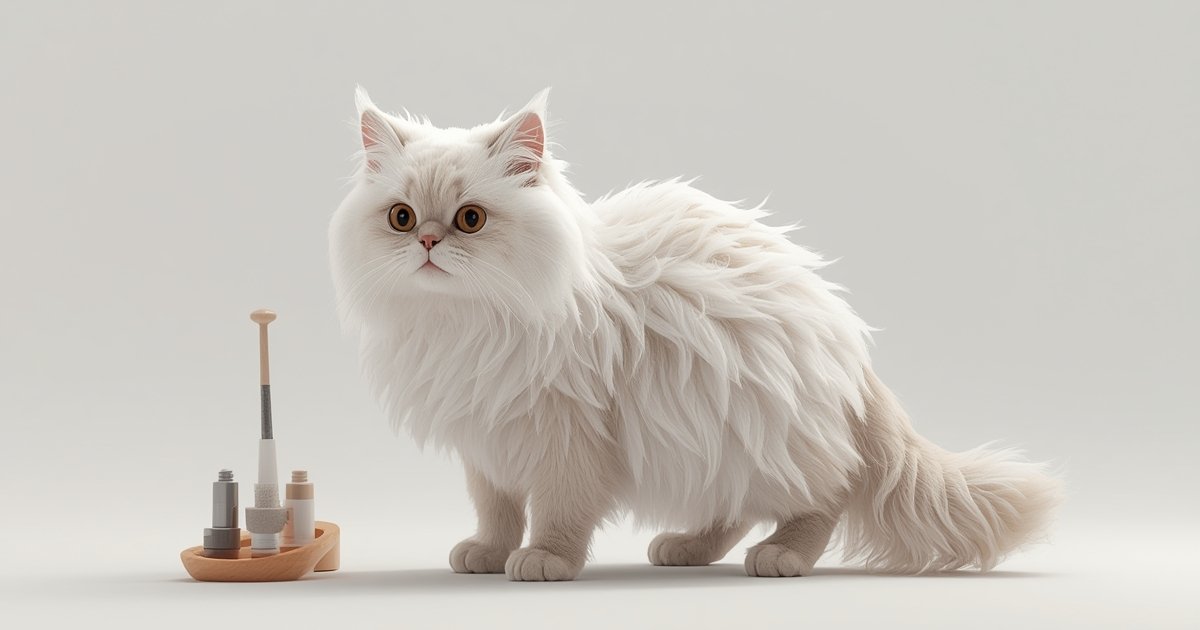
Grooming your majestic Persian cat doesn’t have to be a battle. These beautiful felines are renowned for their luxurious, flowing coats, but that elegance comes with a commitment to consistent Persian grooming. Without proper care, their long hair can quickly become a tangled mess, leading to discomfort and health issues. Fortunately, with the right techniques and tools, maintaining your Persian’s stunning appearance is entirely achievable. This guide will equip you with seven essential grooming hacks to keep your beloved companion looking and feeling their best in 2026 and beyond.
Mastering the Daily Brush: Your First Line of Defense
The cornerstone of effective Persian grooming is a diligent daily brushing routine. This isn’t just about aesthetics; it’s vital for your cat’s health and comfort. Regular brushing prevents mats from forming, distributes natural oils, and removes loose fur, significantly reducing the amount of hair your cat ingests during self-grooming.
The Importance of Consistent Persian Grooming
Persian cats have two layers of fur: a dense undercoat and a long, silky outer coat. This combination is prone to tangles and mats, especially in high-friction areas like behind the ears, armpits, and hindquarters. Neglecting daily brushing, even for a few days, can lead to severe matting that may require professional intervention or even veterinary shaving, which can be stressful for your cat.
Regular brushing also acts as a bonding experience between you and your cat, fostering trust and affection. It allows you to check for any skin irritations, parasites, or lumps that might go unnoticed otherwise. Make it a calm, pleasant experience from a young age, and your Persian will likely come to enjoy their grooming sessions.
Choosing the Right Brushes for Your Persian
Selecting the appropriate tools is crucial for effective Persian grooming. You’ll need a combination of brushes to tackle both layers of their coat.
– Slicker Brush: This brush has fine, short wires packed closely together on a flat surface. It’s excellent for removing loose hair from the topcoat and gently detangling superficial mats. Use it carefully, as the wires can be sharp if pressed too hard.
– Metal Comb (Wide-toothed and Fine-toothed): A good quality metal comb is indispensable. Start with the wide-toothed end to work through larger sections and initial tangles, then switch to the fine-toothed end to check for smaller knots and ensure the undercoat is clear. Look for one with rounded teeth to avoid scratching the skin.
– Bristle Brush: While not for deep detangling, a natural bristle brush can be used after combing to smooth the coat and distribute natural oils, leaving it shiny and sleek. This is more for finishing and polishing the coat.
Start your daily brushing routine by gently sectioning the fur and working from the tips towards the skin. Always brush in the direction of hair growth. Pay special attention to areas where mats commonly form. Short, gentle strokes are more effective and comfortable than long, hard pulls.
Beyond the Brush: Specialized Tools for a Pristine Coat
While daily brushing is foundational, specific tools can elevate your Persian grooming routine, especially when dealing with stubborn mats or excessive shedding. These specialized gadgets help maintain your cat’s coat health and appearance, making the process smoother for both of you.
Demystifying Dematting Tools
Even with regular brushing, a persistent mat can occasionally form. Dematting tools are designed to safely break up these knots without pulling your cat’s skin excessively. They typically feature sharp, bladed teeth that cut through the mat.
– Dematting Rake: This tool has a series of curved, sharp blades designed to cut through mats with minimal effort. It should be used with extreme caution and only on mats that cannot be worked out with a comb. Always hold the skin near the mat taught to prevent pulling.
– Mat Splitter: A mat splitter is a small tool with a single blade designed to split a mat into smaller, more manageable sections, making it easier to comb out. Again, precision and gentleness are key. Never attempt to cut a mat close to the skin with scissors, as it’s incredibly easy to accidentally cut the cat.
These tools are not for daily use but are invaluable for occasional problem areas. If a mat is too close to the skin, too large, or too tight, it’s always best to consult a professional groomer or veterinarian. Forcing a mat out can cause significant pain and even skin damage.
Tackling Shedding with Precision
Persians shed year-round, with heavier shedding periods seasonally. A deshedding tool can significantly reduce the amount of loose undercoat, preventing mats and hairballs.
– Deshedding Tool (e.g., FURminator-style): These tools feature a fine-toothed blade designed to reach through the topcoat and gently remove loose undercoat without cutting the guard hairs. Use sparingly, perhaps once or twice a week during shedding seasons, as overusing it can irritate the skin or damage the coat.
Remember, the goal is to remove dead hair, not to pull or cut healthy hair. Always follow the manufacturer’s instructions for any specialized tool and observe your cat’s comfort level. If they show signs of distress, stop immediately.
Comparison of Top Grooming Tools for Persians
| Product | Price | Pros | Cons | Best For |
|---|---|---|---|---|
| Slicker Brush (e.g., Chris Christensen Big G) | $30-60 | Excellent for removing loose fur, great for fluffing and detangling. Durable construction. | Can be sharp if not used gently, higher price point for premium brands. | Daily brushing, light detangling, finishing coat. |
| Metal Grooming Comb (e.g., Resco Pro-Series) | $15-30 | Essential for finding mats and working through tangles. Versatile with wide and fine teeth. | Requires patience and careful technique, can pull if not used correctly. | Deep detangling, mat detection, checking coat integrity. |
| Dematting Rake (e.g., Safari Dematting Comb) | $10-25 | Effectively cuts through stubborn mats without overly pulling the coat. | Must be used with extreme caution to avoid skin injury, not for regular use. | Occasional severe mats that cannot be combed out. |
| Deshedding Tool (e.g., FURminator Long Hair deShedding Tool) | $25-50 | Significantly reduces shedding and prevents hairballs by removing undercoat. | Can be overused leading to coat damage or skin irritation; specific technique required. | Seasonal shedding, reducing loose undercoat. |
The Art of the Bath: Keeping Your Persian Purrfectly Clean
Bathing a Persian cat can seem daunting, but it’s an essential part of comprehensive Persian grooming. Their long, dense coats can easily collect dirt, oils, and dander, leading to greasy fur, skin problems, and matting. Regular baths, typically every 4-6 weeks, will keep their coat in pristine condition.
Pre-Bath Preparations and Products
Before you even think about water, thorough preparation is key. First and foremost, brush your Persian thoroughly to remove any mats or tangles. Water will only tighten mats, making them nearly impossible to remove post-bath.
Gather all your supplies beforehand:
– Two towels (one for immediate drying, one for wrapping).
– Cat-specific shampoo and conditioner (hypoallergenic and formulated for long-haired cats are best). Do not use human shampoo, as it can be too harsh for a cat’s skin.
– A non-slip mat for the tub or sink.
– Cotton balls for ears (to prevent water from entering the ear canal).
– A cup or sprayer for rinsing.
Make sure the bathroom is warm, and try to create a calm environment. A little positive reinforcement, like treats before and after, can go a long way.
Step-by-Step Bathing for Persians
1. **Gentle Introduction to Water:** Fill the tub or sink with 2-3 inches of lukewarm water. Gently place your cat into the water, speaking to them calmly. Avoid forcing them. Use a non-slip mat to help them feel secure.
2. **Wet the Coat:** Using a cup or a low-pressure sprayer, thoroughly wet your cat’s coat, working from the neck down. Be careful to avoid their face, eyes, and ears.
3. **Apply Shampoo:** Apply a small amount of cat-specific shampoo, working it gently through the coat. Start from the neck and move towards the tail, paying attention to areas prone to greasiness or dirt. Gently massage, but avoid harsh scrubbing, which can create tangles.
4. **Thorough Rinse:** This is arguably the most important step. Rinse the coat until the water runs clear and there’s absolutely no shampoo residue left. Residue can irritate the skin and lead to matting. Repeat the rinse process if necessary.
5. **Condition:** Apply a cat-specific conditioner, working it through the coat. Leave it on for the recommended time (usually 2-5 minutes) to help detangle and moisturize the fur.
6. **Final Rinse:** Rinse the conditioner out completely. Again, thoroughness is key.
Drying Techniques to Prevent Matting
After bathing, gentle but effective drying is paramount to prevent matting and chilling.
– **Towel Dry:** Immediately wrap your cat in a warm towel and gently blot and squeeze excess water from their fur. Do not rub vigorously, as this can create tangles. Replace the towel with a dry one as it becomes saturated.
– **Blow Drying:** Many Persians tolerate a blow dryer on a low, cool setting. Hold the dryer at a safe distance and keep it moving to prevent overheating. Brush the coat as you dry to prevent mats and ensure the fur dries straight and fluffy. A pet-specific force dryer can be very effective at speeding up the drying process and separating hairs to prevent tangles.
– **Air Dry (with caution):** While some cats can air dry, for a Persian, it’s not recommended. Their dense undercoat can take hours to dry, creating a breeding ground for mildew or fungus and almost guaranteeing severe matting. If you must air dry, ensure they are in a warm, draft-free room and continue to brush frequently until completely dry.
A properly dried Persian will have a beautiful, fluffy coat that is much easier to maintain. Never leave a damp Persian unsupervised, especially in a cool environment.
Eyes, Ears, and Paws: Essential Detail Care
Beyond the magnificent coat, proper Persian grooming extends to delicate areas like eyes, ears, and paws. Neglecting these can lead to health issues and discomfort for your cat. Incorporating these specific care routines will ensure your Persian is healthy from nose to tail.
Gentle Eye Cleaning: Banishing Tear Stains
Persian cats are known for their brachycephalic (flat) faces, which can lead to excessive tearing and tear staining. These reddish-brown stains are caused by porphyrins in the tears and can become a breeding ground for bacteria if not cleaned regularly.
– **Daily Wipe-Down:** Use a soft, damp cloth or a specialized pet eye wipe to gently clean around your cat’s eyes daily. Wipe from the inner corner outwards.
– **Tear Stain Removers:** For stubborn stains, there are pet-safe tear stain removers available. Follow product instructions carefully, ensuring they are safe for use around the eyes. Some contain mild bleaching agents, so use with caution.
– **Veterinary Check-up:** If tearing is excessive, discolored, or accompanied by redness or swelling, consult your vet. It could indicate an underlying medical condition, such as allergies, blocked tear ducts, or an infection.
Consistency is key to managing tear stains. Making it a part of your daily routine will prevent buildup and keep your Persian’s face clean and bright.
Routine Ear Checks and Cleaning
Persian cats, with their long fur, can sometimes have hair growing inside their ear canals, trapping dirt and wax. Regular ear checks are crucial to prevent infections.
– **Weekly Inspection:** Gently fold back your cat’s ear flap and inspect the inner ear. Look for redness, swelling, discharge, or an unpleasant odor. A small amount of pale wax is normal, but dark brown or black debris, or a strong smell, indicates a potential infection or mites.
– **Gentle Cleaning:** If the ears appear slightly dirty but healthy, use a vet-approved ear cleaner. Apply a few drops to a cotton ball and gently wipe the visible parts of the ear. Never insert cotton swabs or any object deep into the ear canal, as this can cause damage.
– **Professional Help:** If you suspect an infection, or if your cat is shaking its head, scratching its ears excessively, or seems in pain, consult your veterinarian immediately. They can diagnose the issue and provide appropriate treatment.
Nail Trimming: A Crucial Grooming Hack
Regular nail trimming is essential for your Persian’s comfort and health, preventing overgrown nails that can get snagged, grow into their paw pads, or cause pain.
– **Frequency:** Most cats need their nails trimmed every 2-4 weeks. Start this early to get your kitten accustomed to the process.
– **Tools:** Use sharp, cat-specific nail clippers (scissor or guillotine style).
– **Technique:** Gently grasp your cat’s paw and extend a single nail by pressing lightly on the top of the paw and the paw pad. Identify the “quick,” which is the pink part inside the nail containing blood vessels and nerves. Cut only the clear tip of the nail, avoiding the quick. Cutting the quick is painful and will cause bleeding.
– **Accident Protocol:** If you accidentally cut the quick, don’t panic. Apply styptic powder (available at pet stores) or cornstarch to stop the bleeding.
– **Patience and Rewards:** If your cat is resistant, trim one or two nails at a time and reward them with treats. Over time, they will become more tolerant. If you’re uncomfortable, your vet or groomer can perform this task.
Don’t forget to check the fur between their paw pads. This fur can also become matted or collect debris, making walking uncomfortable. Gently trim any excess hair flush with the paw pads using blunt-nosed grooming scissors.
Dealing with Challenges: Matting and Professional Help
Despite your best efforts in Persian grooming, mats can sometimes form. Understanding how to address them safely and when to seek professional assistance is a vital part of responsible pet ownership.
Preventing and Handling Mats Safely
Prevention is always better than cure, especially with mats. Consistent daily brushing with the right tools is your strongest defense. However, if a mat does appear, approach it with caution and patience.
– **Small, Loose Mats:** For small, superficial mats, try gently working them out with your fingers first. Then, use the wide-toothed end of a metal comb, starting at the edges of the mat and working your way in, a few hairs at a time. Hold the base of the mat near the skin to minimize pulling.
– **Using Dematting Tools:** As discussed, specialized dematting rakes or mat splitters can be used for more stubborn mats. Always use these tools away from the skin, and never try to force them. If you hear tearing or your cat shows significant discomfort, stop immediately.
– **NEVER Use Scissors:** It cannot be stressed enough: never use household scissors to cut out mats. Persian cat skin is incredibly thin and loose, making it exceptionally easy to accidentally snip the skin, which can result in deep lacerations requiring veterinary attention. The skin can get pulled right up into the mat, making it impossible to see where the mat ends and the skin begins.
If a mat is tight, large, close to the skin, or if your cat is uncooperative, it’s time to call in a professional.
When to Call in a Professional Groomer
Professional groomers are equipped with specialized tools, training, and experience in handling long-haired breeds like Persians. There are several instances where their expertise is invaluable:
– **Severe Matting:** If your cat has extensive or very tight mats that you cannot safely remove, a professional groomer can often shave them out using clippers. This is typically done as a last resort but is far safer than attempting it yourself.
– **Full-Body Grooming:** For a complete coat overhaul, including a thorough bath, blow-dry, full brush-out, and even a “lion cut” (shaving the body while leaving the head, paws, and tail), professional grooming ensures a pristine finish.
– **Difficult Cats:** If your Persian is particularly resistant to grooming, a professional groomer often has techniques and facilities to manage them safely and efficiently. Some even offer sedation-free grooming in partnership with veterinarians.
– **Maintenance Between Home Sessions:** Even if you do most of the grooming at home, occasional professional visits (e.g., quarterly) can help maintain coat health and keep major issues at bay.
– **Specialized Treatments:** Professionals can offer services like medicated baths for skin conditions, flea treatments, and specialized conditioning treatments that enhance coat health.
Investing in professional Persian grooming services is not a luxury but a necessity for many Persian owners. It ensures your cat’s comfort, health, and stunning appearance without putting either of you through undue stress. Always choose a groomer with experience specifically with long-haired cat breeds.
Regular and gentle Persian grooming is not just about aesthetics; it’s a profound act of care that contributes significantly to your cat’s overall well-being. By implementing these seven hacks—from daily brushing and specialized tools to proper bathing, meticulous detail care, and knowing when to seek professional help—you can ensure your beloved Persian cat remains comfortable, healthy, and majestically beautiful. Consistency, patience, and the right approach will transform grooming from a chore into a cherished bonding experience.
Don’t let the luxurious coat become a source of stress for you or your furry friend. Embrace these strategies, and watch your Persian thrive, tangled no more.
Want to learn more about advanced cat care or discover other essential tips for your feline companion? Explore our extensive library of articles and guides. If you have specific questions or need personalized advice, reach out to us!
Frequently Asked Questions About Persian Grooming
How often should I brush my Persian cat?
For most Persian cats, daily brushing is highly recommended. Their long, dense coats are very prone to matting, and a few minutes of daily brushing can prevent significant problems. During shedding seasons, you might even need to brush twice a day.
Can I use human shampoo on my Persian cat?
No, you should never use human shampoo on your Persian cat. Human shampoos are formulated for human skin pH levels, which are different from a cat’s. Using human products can dry out their skin, cause irritation, or lead to allergic reactions. Always use cat-specific shampoos and conditioners, ideally those formulated for long-haired cats.
What should I do if my Persian cat hates grooming?
Start grooming early in life, even when they are kittens, to get them accustomed to it. Keep sessions short and positive, using treats and praise. If your cat is still highly resistant, try breaking grooming into very brief segments, perhaps focusing on just one paw or a small section of fur at a time. For extreme cases, consult with your veterinarian or a professional cat groomer who may have techniques or tools to help, or suggest ways to make the experience less stressful.
Are tear stains a health concern for Persians?
While often just a cosmetic issue, excessive tear staining can sometimes indicate an underlying health problem like blocked tear ducts, allergies, or an infection. The dampness from tears can also create a breeding ground for yeast or bacteria, leading to skin irritation. It’s best to keep the area clean daily and consult your vet if tearing is excessive, discolored, or accompanied by other symptoms.
How often should I bathe my Persian cat?
The frequency of bathing depends on your cat’s lifestyle and coat condition, but generally, a Persian cat should be bathed every 4-6 weeks. This helps to remove accumulated dirt, oils, and loose fur, preventing matting and keeping their coat healthy and clean. More frequent baths might be needed for show cats or those prone to getting dirty.
Is it safe to trim my Persian’s fur with scissors?
It is generally NOT recommended to trim your Persian’s fur with regular scissors, especially if you are not experienced. Persian cat skin is very thin and loose, making it extremely easy to accidentally cut them, even when trying to remove a mat. If you need to trim specific areas or remove mats, it is always safest to use blunt-nosed grooming scissors with extreme caution, or better yet, seek the help of a professional groomer or veterinarian.
Leave a Reply