

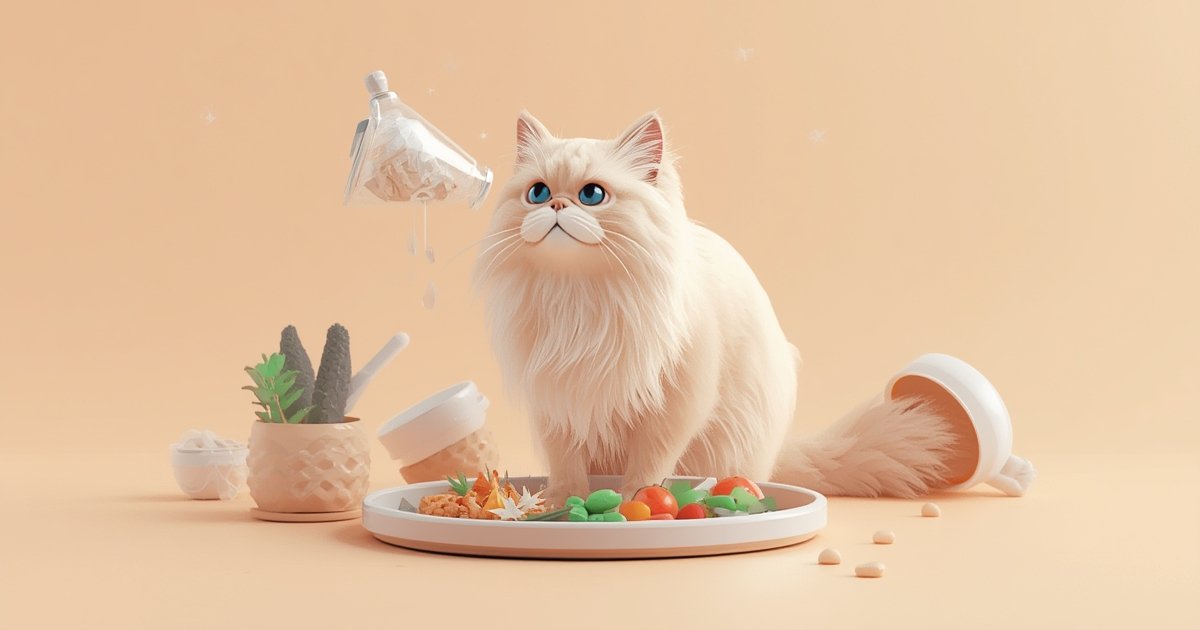
Unlock the secrets to a long, happy life for your Persian cat. This ultimate Persian Diet guide covers nutrition, food choices, common mistakes, and expert tips for optimal health.
Understanding Your Persian Cat’s Unique Nutritional Needs
Persian cats are renowned for their majestic appearance, sweet temperament, and distinctive flat faces. While their luxurious long coats and docile nature make them beloved companions, these unique characteristics also mean they have specific dietary requirements that differ from other breeds. A carefully considered Persian Diet is fundamental to ensuring their health, longevity, and coat quality.
Their brachycephalic (flat) facial structure can influence how they eat, sometimes making it challenging to pick up certain kibble shapes. This physical trait means food texture and kibble size are not just preferences but critical factors in preventing dental issues and ensuring proper nutrient intake. Beyond this, their long, dense fur requires a diet rich in specific nutrients to maintain its luster and minimize hairballs.
Moreover, Persian cats can be prone to certain health conditions such as polycystic kidney disease, hypertrophic cardiomyopathy, and sensitivity to certain ingredients, which means their diet needs to be carefully monitored. Providing the right Persian Diet isn’t just about feeding them; it’s about tailoring their nutrition to support their unique physiology and preempt potential health issues.
Key Nutrients for Your Persian’s Health
Just like all felines, Persian cats are obligate carnivores, meaning their diet must be primarily meat-based. This translates to a high protein requirement, ideally from animal sources, to support their muscle mass, energy levels, and overall body function. Protein is the building block for everything from their magnificent coat to their immune system.
Beyond protein, specific fats play a crucial role. Omega-3 and omega-6 fatty acids are essential for maintaining skin health, reducing inflammation, and giving their long coats that signature silky shine. These healthy fats are typically found in fish oil and certain plant oils. A deficiency in these can lead to dull fur, dry skin, and increased shedding.
Vitamins and minerals, though required in smaller amounts, are vital cofactors for countless bodily processes. For Persian cats, particular attention should be paid to Vitamin A for vision, B vitamins for energy metabolism, and essential minerals like calcium and phosphorus for bone health. Antioxidants, like Vitamin E and C, help bolster their immune system and protect against cellular damage.
The Foundation of a Healthy Persian Diet: What to Look For
Choosing the right food for your Persian cat can seem daunting with the myriad of options available. However, focusing on quality ingredients and understanding nutritional labels can simplify the process. The core principle of a sound Persian Diet is to provide a balanced, species-appropriate meal that meets all their physiological needs.
When examining pet food labels, always look for real meat as the first ingredient. Chicken, turkey, salmon, or beef should be prominently listed, not by-products or vague “meat meals” without specification. High-quality protein sources are paramount for their carnivorous nature.
Avoid foods with excessive fillers like corn, wheat, and soy, as these offer little nutritional value to cats and can sometimes trigger allergies or digestive upset. Similarly, artificial colors, flavors, and preservatives should be minimized. Natural preservatives like mixed tocopherols (Vitamin E) are preferable.
Selecting the Right Kibble Shape and Texture
Due to their distinctive facial structure, Persian cats often benefit from specific kibble shapes. Many premium brands now offer specialized kibble designed for brachycephalic breeds. These kibbles are typically larger, crescent-shaped, or uniquely formed to make it easier for them to pick up and chew.
The texture is also important. While dry kibble can help with dental hygiene, it’s crucial that it’s not too hard for their jaws or too crumbly, which can lead to waste and mess. A good quality kibble will be palatable and easy for your Persian to consume without struggle.
For some Persians, especially those with more pronounced brachycephaly, wet food might be an easier and more hydrating option. We’ll delve deeper into the wet vs. dry food debate shortly, but always consider ease of consumption as a top priority in their Persian Diet.
Comparison of Specialized Cat Foods for Persian Cats
Selecting the right food involves understanding the different types available and how they cater to a Persian cat’s specific needs. Here’s a comparison of common food types suitable for the Persian Diet:
| Product Type | Average Price | Pros | Cons | Best For |
|---|---|---|---|---|
| High-Quality Dry Kibble (Breed Specific) | $30-$60 per 7lb bag | Convenient, helps dental health, often designed for brachycephalic jaws, good for free feeding. | Lower moisture content, can contribute to dehydration if not supplemented with water, may contain some fillers. | Owners seeking convenience and dental support, cats prone to plaque buildup. |
| Premium Wet Food (Pate/Shredded) | $20-$40 per 24-can case | High moisture content aids hydration, very palatable, easier for flat-faced cats to eat, good for urinary health. | Less beneficial for dental hygiene, needs refrigeration after opening, typically more expensive per meal. | Cats needing extra hydration, picky eaters, those with dental issues or urinary tract concerns. |
| Freeze-Dried Raw Cat Food | $40-$70 per 1lb bag | Minimal processing, high protein, often single-ingredient, mimics ancestral diet. | Can be expensive, requires rehydration, some owners are wary of raw feeding risks, not always complete and balanced. | Owners interested in raw feeding benefits, cats with sensitivities, can be used as a topper. |
| Veterinary-Prescribed Diet | $40-$80 per 8lb bag/12-can case | Formulated for specific health issues (e.g., kidney, urinary, sensitive stomach), highly digestible. | Only available via vet prescription, higher cost, may not be as palatable to all cats. | Persians with diagnosed health conditions requiring specific nutritional management. |
Wet vs. Dry Food: Making the Best Choices for Your Persian
The debate between wet and dry food is a longstanding one in the pet nutrition world, and for Persian cats, both have their merits and drawbacks. Understanding these can help you formulate the optimal Persian Diet for your furry friend. Many owners find a combination approach works best, leveraging the advantages of both types.
Dry kibble is convenient, can be left out for free-feeding, and its abrasive texture can help scrape plaque off teeth, promoting dental health. However, its low moisture content means cats need to drink more water to stay hydrated, which can be a concern for cats who aren’t avid drinkers. For Persians, the kibble shape is paramount, as discussed earlier.
Wet food, on the other hand, boasts a high moisture content, which is excellent for hydration and urinary tract health. This is particularly beneficial for Persians, who can be prone to urinary issues. It’s often more palatable and easier for flat-faced cats to consume, reducing eating stress. The downside is it’s generally more expensive, requires refrigeration once opened, and doesn’t offer the same dental benefits as kibble.
The Benefits of Hydration for Persian Cats
Hydration is a cornerstone of any healthy Persian Diet. Cats naturally have a low thirst drive, evolved to get most of their water from their prey. Domestic cats fed primarily dry food often don’t drink enough water, which can stress their kidneys and contribute to issues like urinary crystals or stones.
Incorporating wet food into their diet significantly boosts their daily water intake. Offering fresh, filtered water in multiple bowls around the house, or even using a pet water fountain, can also encourage more drinking. Proper hydration supports kidney function, promotes healthy digestion, and helps regulate body temperature, all critical for a long and happy life.
Monitoring your Persian’s water intake is a good practice. Signs of dehydration can include lethargy, sunken eyes, and reduced skin elasticity. Always consult your veterinarian if you suspect your cat isn’t getting enough fluids or shows any signs of illness.
Navigating Supplements and Treats in the Persian Diet
While a complete and balanced diet should ideally provide all necessary nutrients, there are instances where supplements and treats can play a beneficial role in a Persian Diet. However, moderation and veterinary guidance are key to avoid over-supplementation or nutrient imbalances.
Common supplements for Persian cats often target their specific needs. For example, hairball remedies containing psyllium husk or other fiber sources can help manage the ingestion of their long fur. Omega-3 fatty acid supplements (like fish oil) can further enhance coat health and reduce inflammation, especially beneficial for skin allergies or joint issues.
Multivitamins are generally not needed if your cat is on a high-quality commercial diet, as these foods are already fortified. Always discuss any potential supplements with your veterinarian to ensure they are appropriate and won’t interfere with existing medications or health conditions. Unnecessary supplements can sometimes do more harm than good.
Choosing Healthy Treats
Treats are an excellent way to bond with your Persian cat, reward good behavior, or entice a picky eater. However, they should always be given in moderation and chosen carefully. High-calorie treats can quickly lead to weight gain, which is detrimental to their health.
Look for treats that are low in calories, made with natural ingredients, and specifically formulated for cats. Freeze-dried meat treats (e.g., chicken, salmon) are often a good choice as they are high in protein and free from artificial additives. Dental treats can also be a good option to help with plaque control, provided they are vet-approved.
Avoid giving human food as treats unless specifically approved by your vet. Many human foods are toxic to cats (like chocolate, onions, garlic) or contain ingredients that can cause digestive upset (like excessive salt, sugar, or spices). A healthy Persian Diet relies on carefully selected and controlled treats.
Common Dietary Mistakes to Avoid for Persian Cats
Even with the best intentions, owners can sometimes make dietary choices that inadvertently harm their Persian cat’s health. Being aware of these common pitfalls can help you maintain an optimal Persian Diet and prevent unnecessary health complications. Proactive prevention is always better than reactive treatment.
One major mistake is overfeeding. Persian cats, being less active than some other breeds, can easily gain weight if their food portions are not carefully controlled. Obesity leads to a host of health problems, including diabetes, joint issues, and a shorter lifespan. Always follow feeding guidelines on food packaging, adjusting based on your cat’s activity level and weight, and consult your vet for precise portioning.
Another common error is frequent food changes. Cats, especially Persians, can have sensitive digestive systems. Abruptly switching foods can lead to upset stomachs, vomiting, or diarrhea. If you need to change your cat’s food, do so gradually over 7-10 days, mixing increasing amounts of the new food with decreasing amounts of the old food.
Ignoring Dental Health
While often overlooked, dental health is intimately linked to a cat’s overall diet and well-being. Periodontal disease is rampant in cats, and Persians are no exception. Bacteria from dental disease can enter the bloodstream and affect vital organs, including the heart and kidneys.
Relying solely on wet food, while good for hydration, doesn’t provide the abrasive action needed to clean teeth. Incorporating appropriate dry kibble, dental treats, or even regular teeth brushing (if your cat tolerates it) are crucial components of their health regimen. Regular veterinary dental check-ups are also vital to catch and address issues early.
The type of food consumed impacts dental health in other ways too. Sugary or sticky treats can promote plaque buildup. A balanced Persian Diet with appropriate food textures will contribute significantly to maintaining healthy teeth and gums, preventing future pain and expensive dental procedures.
Crafting a Lifelong Persian Diet Plan
Creating a diet plan for your Persian cat is not a one-time decision but an ongoing process that adapts to their life stage, activity level, and health status. A well-structured Persian Diet plan will evolve from kittenhood through their senior years, ensuring they receive tailored nutrition at every stage.
For kittens, a diet rich in protein and fat is essential to support their rapid growth and development. Kitten-specific formulas are designed to meet these higher energy demands. As they transition to adulthood, their energy needs stabilize, requiring a shift to adult formulas to prevent weight gain.
Senior Persians often require diets lower in calories but still high in digestible protein to maintain muscle mass. They may also benefit from increased fiber for digestive health and joint-supporting nutrients like glucosamine. Regular veterinary check-ups are crucial to adjust their Persian Diet as their needs change with age or new health conditions arise.
Establishing Feeding Routines and Environment
Consistency is key for a happy and healthy Persian cat. Establishing a regular feeding schedule (e.g., two meals a day) helps regulate their metabolism and digestive system. While some cats do well with free-feeding dry kibble, portion control is usually recommended, especially for Persians prone to weight gain.
The feeding environment also plays a role. Persians prefer quiet, clean places to eat. Use wide, shallow bowls (ceramic or stainless steel are best) to accommodate their flat faces and prevent “whisker fatigue,” where their sensitive whiskers constantly touch the sides of the bowl. This can make eating uncomfortable and stressful for them.
Ensure fresh water is always available and separate from their food bowl. A calm, predictable feeding routine contributes to their overall well-being and makes mealtime a pleasant experience, crucial for ensuring they eat well and thrive on their meticulously planned Persian Diet.
Monitoring and Adjusting the Diet
Even with the perfect plan, continuous monitoring of your Persian cat’s condition is essential. Observe their appetite, energy levels, coat quality, stool consistency, and body condition. Any significant changes could indicate that their Persian Diet needs an adjustment or that a veterinary visit is warranted.
Regular weigh-ins are a simple yet effective way to track their weight and catch any issues early. A sudden increase or decrease in weight, or changes in eating habits, should always be discussed with your vet. They can provide personalized advice based on your cat’s specific health profile.
Remember that every Persian cat is an individual. What works perfectly for one might not be ideal for another. Be patient, observant, and always prioritize your cat’s health and happiness by working closely with your veterinarian to fine-tune their lifelong Persian Diet plan.
Crafting the ultimate Persian Diet is a journey that intertwines love, knowledge, and careful attention to detail. By understanding their unique needs, choosing high-quality foods, managing treats wisely, and maintaining vigilance, you can provide your magnificent Persian cat with the nutritional foundation for a long, vibrant, and incredibly happy life. Their health and happiness are a direct reflection of the care and thoughtful consideration you put into their daily meals.
For more personalized advice on your Persian cat’s dietary needs, always consult your trusted veterinarian. They can provide tailored recommendations based on your cat’s specific health profile, age, and lifestyle. If you’re looking for further resources or have questions, don’t hesitate to reach out to veterinary nutritionists or reputable pet care organizations.
Frequently Asked Questions (FAQ)
How often should I feed my Persian cat?
Most adult Persian cats benefit from two meals a day, typically once in the morning and once in the evening. Kittens, however, require more frequent smaller meals, usually 3-4 times a day, due to their rapid growth and higher energy demands.
What kind of bowls are best for Persian cats?
Wide, shallow bowls made of ceramic or stainless steel are ideal for Persian cats. Their flat faces make it difficult to eat from deep bowls, and wide bowls prevent “whisker fatigue,” which can make eating uncomfortable. Avoid plastic bowls as they can harbor bacteria and cause chin acne.
Can Persian cats be picky eaters?
Yes, Persian cats can be notoriously picky eaters. Their sensitivity to food texture, shape, and even the smell can influence their preferences. Gradual food transitions, offering a variety of high-quality options, and avoiding table scraps can help manage pickiness.
Are hairball control foods necessary for Persian cats?
Due to their long, dense coats, Persian cats are prone to hairballs. Hairball control formulas, often rich in fiber, can help ingested hair pass through their digestive system more easily. Regular grooming and specific hairball remedies (like pastes or gels) are also highly beneficial.
What human foods are safe for my Persian cat?
While a cat’s diet should primarily consist of cat food, small amounts of plain cooked chicken, turkey, or fish (without bones or seasoning) can be safe occasional treats. Always avoid toxic foods like chocolate, onions, garlic, grapes, and xylitol, and consult your vet before introducing any human foods.
Leave a Reply