

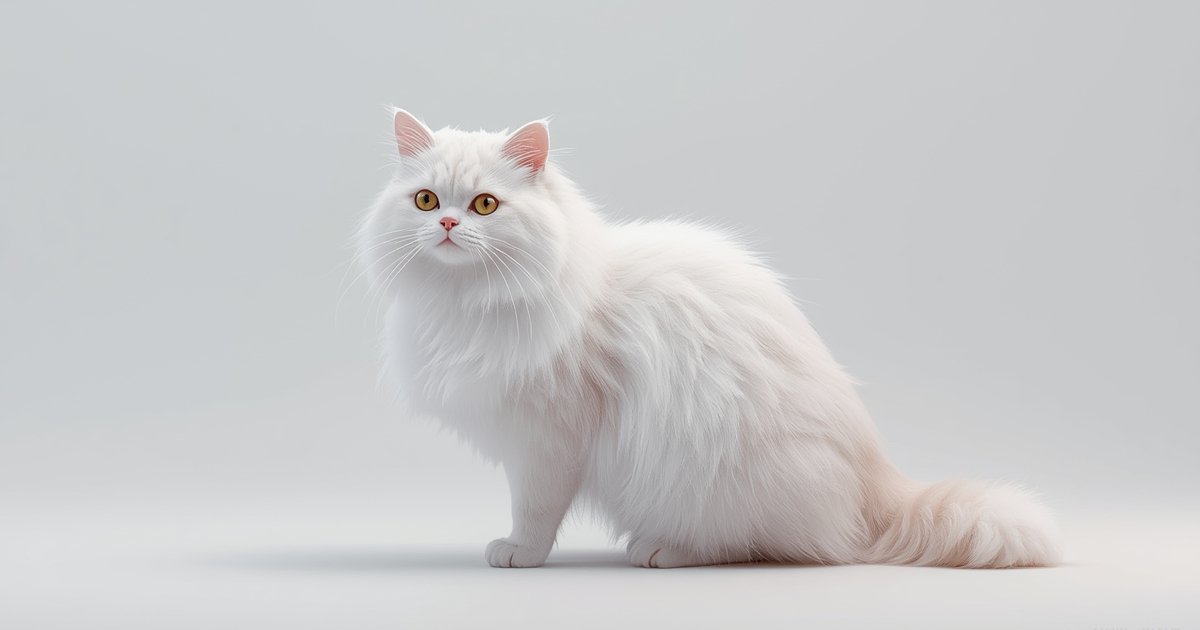
Unlock the secrets to optimal Persian cat health in 2026. Discover expert tips for diet, grooming, common ailments, and proactive care to ensure your feline friend thrives.
Understanding the Unique Aspects of Persian Health
Persian cats, with their luxurious coats and distinctive flat faces, are undeniably beautiful companions. However, their unique breed characteristics also come with specific health considerations. To ensure your beloved feline lives a long, happy, and healthy life, understanding these predispositions is key, especially as we look to advances in `Persian health` in 2026. Proactive care and informed decisions are paramount for these majestic creatures.
The Persian Breed’s Genetic Predispositions
Persian cats are known for several genetic conditions that require careful management. Awareness of these potential issues allows owners to work closely with their veterinarians for early detection and intervention. This preventative approach is a cornerstone of responsible `Persian health` management.
– Polycystic Kidney Disease (PKD): This inherited disorder causes cysts to form in the kidneys, progressively impairing kidney function. Genetic testing for PKD is readily available and highly recommended for all breeding Persians to prevent its spread.
– Hypertrophic Cardiomyopathy (HCM): HCM is a heart condition characterized by the thickening of the heart muscle. It can lead to heart failure. Regular cardiac screenings, including echocardiograms, are crucial, particularly for adult Persians.
– Brachycephalic Airway Syndrome: Due to their flattened faces, Persians can suffer from breathing difficulties, often referred to as brachycephalic airway syndrome. Symptoms include noisy breathing, snoring, and exercise intolerance.
– Progressive Retinal Atrophy (PRA): This is a group of degenerative eye diseases that can lead to blindness. While less common than some other conditions, genetic testing is available for some forms of PRA.
– Hip Dysplasia: Although more commonly associated with dogs, some Persian lines can be prone to hip dysplasia, an abnormal formation of the hip socket. Maintaining a healthy weight can help mitigate the symptoms.
Importance of Proactive Veterinary Care
Regular veterinary check-ups are non-negotiable for `Persian health`. These visits allow your vet to monitor your cat’s overall condition, perform necessary screenings, and catch potential issues before they become severe.
– Early Detection: Many genetic conditions, like PKD and HCM, can be managed more effectively if detected early. Your vet might recommend specific diagnostic tests based on your cat’s age and genetic history.
– Specialized Diagnostics: Advanced imaging techniques, such as ultrasounds for PKD or echocardiograms for HCM, are vital tools in managing Persian-specific health risks. Discuss a preventative health schedule with your veterinarian that is tailored to your cat’s individual needs.
Optimal Nutrition Strategies for a Thriving Persian Cat
Proper nutrition is a foundational pillar of `Persian health`. Their specific needs, from maintaining a luxurious coat to preventing common ailments, can be significantly supported by a well-balanced diet. In 2026, pet nutrition continues to evolve, offering more specialized options than ever before.
Tailoring Diet to Specific Needs
A Persian’s diet should be carefully selected to address their unique physiology, including their long hair and potential for hairballs, and their brachycephalic facial structure which can make eating certain kibble challenging.
– Kibble vs. Wet Food Considerations: Many Persians benefit from wet food or a mix of wet and dry. Wet food provides higher moisture content, which is excellent for kidney health, and is often easier for flat-faced cats to consume. If feeding kibble, choose larger, flatter shapes designed for brachycephalic breeds, which can be easier to pick up.
– Addressing Hairball Control: The long, dense coat of a Persian means they are prone to frequent hairballs. Look for cat foods formulated with specific ingredients like natural fibers (e.g., beet pulp, psyllium husk) that help move ingested hair through the digestive tract. Regular grooming also plays a crucial role here.
– Supporting Skin and Coat Health: A diet rich in Omega-3 and Omega-6 fatty acids (found in fish oils, flaxseed) is vital for maintaining the health and luster of a Persian’s coat and preventing dry, flaky skin. Zinc and biotin are also important nutrients for skin and coat integrity.
– Managing Weight (Obesity Risks): Persians can be less active than some other breeds, making them susceptible to weight gain. Obesity exacerbates conditions like hip dysplasia and can contribute to diabetes and heart issues. Portion control and regular, gentle play are essential. Consult your vet for an ideal weight range and feeding guidelines.
Supplements and Hydration for Enhanced Persian Health
Beyond their regular diet, certain supplements can enhance your Persian’s well-being, and ensuring adequate hydration is always critical.
– Omega-3s and Joint Supplements: For older Persians or those with a predisposition to joint issues, Omega-3 fatty acids can reduce inflammation. Chondroitin and glucosamine supplements can also support joint health.
– Probiotics: A healthy gut microbiome is crucial for overall health. Probiotic supplements can aid digestion, nutrient absorption, and immune function.
– Encouraging Water Intake: Cats, by nature, often don’t drink enough water, which can contribute to urinary and kidney problems. Invest in a ceramic or stainless steel water fountain, as many cats prefer flowing water. Place multiple water bowls around the house, ensuring they are clean and refreshed daily.
Grooming Essentials: Maintaining Your Persian’s Magnificent Coat and More
The Persian’s crowning glory is undoubtedly its long, flowing coat, but maintaining its beauty requires dedicated effort. Proper grooming is not just about aesthetics; it’s a critical component of overall `Persian health` and well-being. Regular grooming sessions also provide an excellent opportunity to bond with your cat and perform health checks.
Daily Brushing and Mat Prevention
Skipping even a day of brushing can lead to significant matting in a Persian’s dense coat, which can be painful and lead to skin infections.
– Tools: Invest in high-quality grooming tools. A wide-toothed metal comb for detangling, a slicker brush for removing loose hair, and a deshedding tool can be invaluable.
– Techniques: Brush your Persian daily, working section by section. Start with their tummy and legs, then move to their back and tail. Always brush gently, working out tangles slowly. Pay special attention to areas prone to matting, such as under the legs, behind the ears, and around the “ruff.” A sprinkle of cornstarch can help loosen stubborn mats before gentle combing.
Eye, Ear, and Dental Care for Persian Health
Beyond the coat, specific attention must be paid to your Persian’s eyes, ears, and teeth due to their unique anatomy.
– Tear Staining Management: Due to their flat faces and prominent eyes, Persians often suffer from excessive tear production, leading to unsightly tear stains. Clean the area around their eyes daily with a soft, damp cloth or a veterinarian-approved tear stain remover. Keeping this area dry helps prevent bacterial or yeast infections.
– Ear Cleaning: Check your Persian’s ears weekly for dirt, wax buildup, or any signs of infection (redness, odor, excessive scratching). Use a veterinarian-approved ear cleaner and cotton balls or soft wipes. Never insert anything into the ear canal.
– Dental Hygiene: Dental disease is prevalent in cats and can lead to serious systemic health issues. Ideally, brush your Persian’s teeth several times a week with a pet-specific toothbrush and toothpaste. Regular professional dental cleanings by your vet may also be necessary to remove plaque and tartar buildup.
Bathing and Nail Trimming
While cats are fastidious groomers, Persians occasionally need a bath to keep their coats pristine. Nail trimming is also a regular necessity.
– Bathing: Bathe your Persian every 4-6 weeks, or as needed. Use a shampoo specifically formulated for cats, preferably one designed for long-haired breeds. Ensure the water is lukewarm and thoroughly rinse all shampoo to prevent skin irritation. Blow-dry your cat on a low, cool setting, brushing gently as you go, to prevent mats and ensure they are completely dry to the skin.
– Nail Trimming: Trim your Persian’s nails every 2-4 weeks. Use sharp, cat-specific nail clippers. Only trim the clear tip of the nail, avoiding the quick (the pink part containing blood vessels and nerves). If you’re unsure, ask your vet or a professional groomer for a demonstration.
Leveraging Technology for Advanced Persian Health Monitoring in 2026
As we advance into 2026, technology plays an increasingly significant role in pet care, offering innovative ways to monitor and enhance `Persian health`. From smart feeders to activity trackers, these gadgets empower owners with data and insights to make more informed decisions about their cat’s well-being.
Smart Devices for Health Tracking
Modern pet tech can provide valuable data on your Persian’s habits, helping you spot subtle changes that might indicate a health issue.
– Smart Feeders: These devices allow for precise portion control and scheduled feeding, crucial for managing a Persian’s weight. Some even track food intake, ensuring your cat is eating regularly. Many now integrate with apps, providing feeding history and even dispensing food remotely.
– Activity Monitors (Collar-based): Wearable trackers can monitor your cat’s activity levels, sleep patterns, and even heart rate. A sudden drop in activity could signal discomfort or illness, prompting an early vet visit. These are particularly useful for indoor Persians who might not show activity changes as obviously as outdoor cats.
– Litter Box Analytics: Advanced litter boxes can monitor your cat’s waste habits, tracking frequency, volume, and even changes in urine density. This data can be invaluable for detecting early signs of urinary tract infections, kidney issues, or diabetes, all of which are important aspects of `Persian health`.
– Remote Vet Consultations: Telemedicine for pets has become more sophisticated, offering virtual consultations with veterinarians for non-emergency issues. This can be especially convenient for Persians, who may find car travel stressful, and allows for quick professional advice on minor concerns or follow-ups.
Comparison of Top Smart Pet Health Gadgets
Here’s a look at some of the leading smart gadgets available in 2026 that can aid in your Persian’s health management:
| Product | Price | Pros | Cons | Best For |
|---|---|---|---|---|
| PawsSense Smart Feeder 3000 | $189 | Precise portion control, app-controlled scheduling, anti-choke design ideal for brachycephalic breeds. Integrated camera for mealtime monitoring. | Requires Wi-Fi, battery life can be inconsistent if not plugged in. | Weight management, controlled feeding, and remote monitoring of eating habits. |
| FelineFit Activity Collar X | $129 | Monitors activity levels, sleep patterns, and ambient temperature. Lightweight and comfortable for long-haired cats. Water-resistant. | Subscription required for full data analytics, occasional false readings during intense grooming. | Tracking exercise, identifying lethargy, and monitoring environmental comfort levels. |
| CatScan Smart Litter Box | $499 | Automatic cleaning, tracks weight, waste frequency, and duration. Sends detailed health reports to your smartphone. Reduces odor significantly. | High initial cost, requires specific, often more expensive, litter. Large footprint. | Early detection of urinary tract infections, kidney issues, and digestive problems. |
| VetConnect Pro Telemedicine Hub | Subscription: $25/month | 24/7 access to certified vets, secure video consultations, easy sharing of health records and images. Reduces stress for cats averse to clinic visits. | Not suitable for emergencies or hands-on physical exams. | Routine check-ups, medication refills, and immediate advice for non-critical health concerns. |
Recognizing and Responding to Common Persian Ailments
Despite the best preventative care, Persians can still encounter health challenges. Knowing the signs and symptoms of common ailments and understanding when to seek veterinary attention is paramount for maintaining optimal `Persian health`. Early intervention can significantly improve outcomes.
Respiratory Distress and Brachycephalic Syndrome
The hallmark flattened face of a Persian cat, while adorable, predisposes them to brachycephalic airway syndrome, which can cause significant respiratory issues.
– Symptoms: Look for noisy breathing (snoring, snorting), open-mouth breathing, exercise intolerance, coughing, or gagging. In severe cases, your cat might have blue-tinged gums or tongue, indicating a lack of oxygen.
– When to Seek Vet Help: Any persistent or worsening respiratory signs warrant immediate veterinary attention. Your vet may recommend diagnostic imaging or surgical intervention to improve airflow.
– Environmental Considerations: Keep your Persian in a cool, well-ventilated environment, especially during warm weather, as they are prone to overheating. Avoid strenuous play that can exacerbate breathing difficulties.
Kidney and Cardiac Health Indicators
PKD and HCM are serious conditions prevalent in Persians. Being aware of the signs can save your cat’s life.
– Signs of PKD: As cysts grow, they impair kidney function. Symptoms can be subtle initially but may include increased thirst, increased urination, weight loss, lethargy, poor coat quality, and loss of appetite.
– Signs of HCM: Symptoms can be sudden and severe, or progress slowly. They include lethargy, loss of appetite, difficulty breathing (due to fluid in the lungs), weakness, or even sudden paralysis of the hind limbs (due to a blood clot).
– Regular Screenings: For both conditions, early screening is vital. Regular kidney ultrasounds for PKD and echocardiograms for HCM, especially in breeding cats and those over 1-2 years old, are crucial for `Persian health` management.
Eye and Skin Conditions
The Persian’s facial structure and long coat can also make them susceptible to specific eye and skin problems.
– Conjunctivitis and Entropion: Due to their prominent eyes, Persians are prone to conjunctivitis (inflammation of the conjunctiva) and entropion (inward rolling of the eyelid, causing eyelashes to irritate the eye). Symptoms include redness, discharge, squinting, or pawing at the eye.
– Dermatitis and Fungal Infections: The dense coat can trap moisture and debris, leading to skin irritations, bacterial dermatitis, or fungal infections like ringworm. Look for redness, scaling, hair loss, or excessive scratching.
– Management: Daily cleaning of the eye area is important. Any persistent eye irritation or changes to the skin and coat require a vet visit for diagnosis and appropriate treatment. Maintaining a meticulous grooming routine helps prevent many skin issues.
The journey of caring for a Persian cat is incredibly rewarding, filled with moments of companionship and joy. Their unique beauty and gentle temperament demand a commitment to understanding and addressing their specific health needs. By focusing on proactive veterinary care, tailored nutrition, diligent grooming, and leveraging modern technology, you are equipped to provide the best possible `Persian health` management in 2026 and beyond. Your dedication ensures your furry friend not only survives but truly thrives, enjoying a life full of comfort and happiness. Embrace the wisdom of their whiskers, listen to what their bodies tell you, and be a vigilant advocate for their well-being.
For further personalized advice, always consult with your trusted veterinarian.
Frequently Asked Questions (FAQ)
How often should I groom my Persian cat?
Ideally, a Persian cat should be brushed daily to prevent mats and tangles in their long, dense coat. Bathing is usually recommended every 4-6 weeks, and nails should be trimmed every 2-4 weeks. Regular ear and eye cleaning are also essential.
What are the most common health problems in Persian cats?
Persian cats are genetically predisposed to several conditions, including Polycystic Kidney Disease (PKD), Hypertrophic Cardiomyopathy (HCM), Brachycephalic Airway Syndrome (breathing issues), and hip dysplasia. Tear staining and skin issues are also common due to their facial structure and coat.
What kind of diet is best for a Persian cat?
A diet high in moisture (like wet food) is often beneficial for Persians, especially for kidney health. Look for formulas that support skin and coat health with Omega-3 and Omega-6 fatty acids, and consider hairball control ingredients. Due to their flat faces, kibble designed for brachycephalic breeds is easier to eat.
Can technology really help with my Persian’s health?
Yes, smart pet gadgets in 2026 can be incredibly helpful. Smart feeders assist with weight management and tracking food intake, activity collars monitor exercise and sleep, and smart litter boxes can track waste habits, offering early detection of health issues. Telemedicine also provides convenient veterinary consultations.
References and Further Reading
– American Veterinary Medical Association (AVMA) – Pet Care
https://www.avma.org/resources/pet-owners
– The Cat Fanciers’ Association (CFA) – Breed Information on Persians
https://cfa.org/persian/
– Cornell Feline Health Center – Cat Health Topics
https://www.vet.cornell.edu/departments-centers-and-institutes/cornell-feline-health-center/health-information/feline-health-topics
– Veterinary Partner – Trusted Animal Health Information
https://veterinarypartner.vin.com/
– Cummings School of Veterinary Medicine at Tufts University – Pet Health
https://vet.tufts.edu/pet-owners/pet-health/
Leave a Reply