

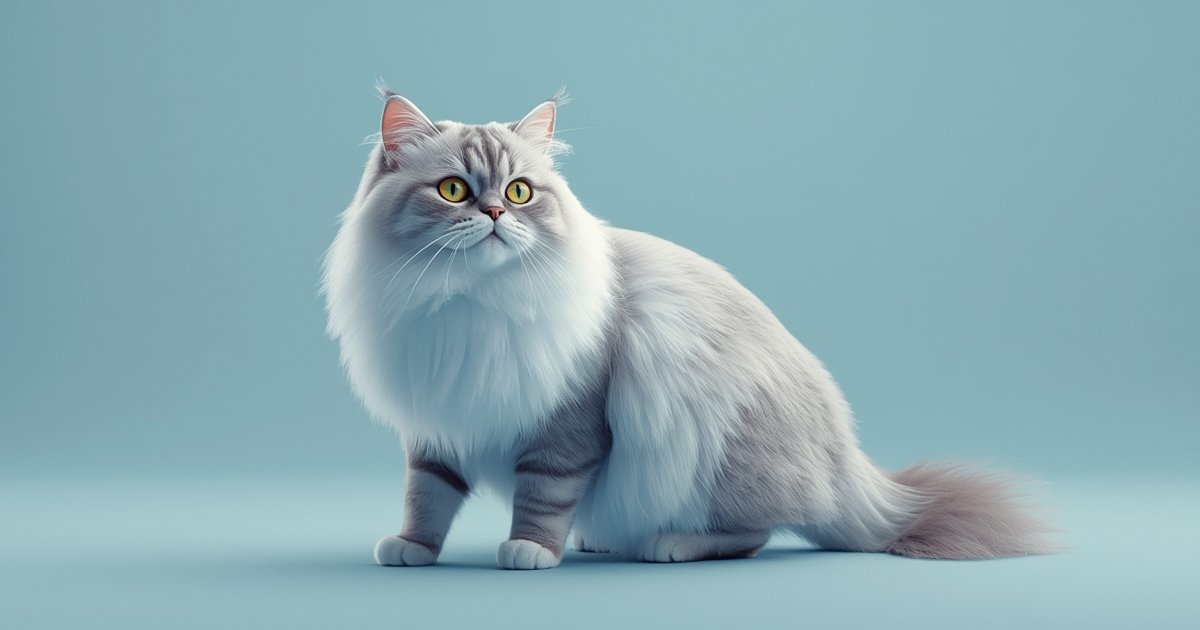
Unlock peak health for your Persian cat in 2026! Discover 7 vital tips on nutrition, grooming, and advanced care for optimal Persian Health. Get actionable advice today.
Tailored Nutrition for Longevity
Ensuring your Persian cat receives optimal nutrition is paramount for their overall Persian Health and longevity, especially as we look to 2026. These majestic felines have unique dietary needs due to their distinctive facial structure, which can influence how they eat, and their luxurious long coats, which require specific nutrients. A well-balanced diet directly translates to a shiny coat, healthy skin, strong immune system, and boundless energy.
Many commercial cat foods are formulated with general feline needs in mind, but Persians often benefit from specialized diets. Look for brands that cater to long-haired breeds or those with flat faces, as kibble size and shape can make a significant difference. Smaller, easier-to-grasp kibble can prevent digestive issues and reduce mess.
Understanding Your Persian’s Dietary Needs
Persian cats are prone to certain health conditions that can be managed or mitigated through diet. For instance, a diet rich in omega-3 and omega-6 fatty acids can support skin and coat health, reducing shedding and preventing mats. High-quality protein sources are crucial for muscle maintenance and overall vitality.
Consider a mix of wet and dry food to provide variety and ensure adequate hydration. Wet food, with its higher moisture content, helps support kidney function, which is especially important for breeds like Persians that can be prone to urinary issues. Always consult your veterinarian to tailor a diet plan that addresses your cat’s specific age, weight, and health status.
Key Nutritional Considerations
– High-Quality Protein: Essential for muscle development and maintenance. Look for named meat sources (e.g., “chicken meal,” “salmon”) as the first ingredient.
– Balanced Fats: Omega-3 and Omega-6 fatty acids are crucial for skin, coat, and cognitive function. Fish oil or flaxseed are good sources.
– Carbohydrates: Choose complex carbohydrates from whole grains or vegetables, avoiding excessive fillers.
– Vitamins and Minerals: Ensure a comprehensive blend to support immune function, bone health, and metabolic processes.
– Hydration: Provide constant access to fresh water. Consider a water fountain to encourage drinking, as many cats prefer running water.
Grooming Essentials: Maintaining That Majestic Coat
The iconic long, flowing coat of a Persian cat is undeniably beautiful, but it requires significant commitment to maintain its splendor and ensure good Persian Health. Regular grooming is not just about aesthetics; it’s a vital preventative measure against skin infections, hairballs, and discomfort. Without consistent care, their dense fur can quickly mat, leading to painful skin pulling, trapping dirt and parasites, and even restricting movement.
Daily grooming should be a relaxing ritual for both you and your cat. Starting early in their life can help them associate grooming with positive experiences, making the process much smoother as they grow. This routine also provides an excellent opportunity to bond with your feline companion.
The Daily Brushing Routine
Brushing your Persian cat daily is non-negotiable. This prevents mats and tangles from forming, distributes natural skin oils, and removes loose hair, which significantly reduces hairball formation. Invest in a good quality metal comb with both wide and fine teeth, a slicker brush, and a detangling spray specifically formulated for cats.
Begin with a wide-toothed comb to gently work through the outer layers of the fur, then follow with a slicker brush to remove loose undercoat. Pay special attention to areas prone to matting, such as under the legs, behind the ears, and around the tail. Finish with the fine-toothed comb to ensure no small tangles remain.
Beyond the Brush: Comprehensive Grooming
– Regular Bathing: Depending on your cat’s lifestyle and coat condition, a bath every 4-6 weeks can be beneficial. Use a shampoo and conditioner specifically designed for long-haired cats. Ensure thorough rinsing to prevent skin irritation.
– Eye Cleaning: Persians are known for their brachycephalic (flat) faces, which can lead to excessive tear staining. Gently wipe around their eyes daily with a soft, damp cloth or a pet-specific eye wipe to prevent buildup and irritation.
– Ear Care: Check your cat’s ears weekly for dirt, wax buildup, or signs of infection. Clean with a vet-approved ear cleaner and cotton balls, never inserting anything into the ear canal.
– Nail Trimming: Trim your Persian’s nails every 2-4 weeks to prevent overgrowth, which can lead to discomfort, ingrown nails, or damage to furniture. Use sharp cat nail clippers and be careful to avoid the quick.
– Dental Hygiene: While less glamorous, dental care is crucial for overall Persian Health. Regular brushing with pet-specific toothpaste and toothbrush, along with dental treats or water additives, can help prevent plaque and tartar buildup.
Proactive Veterinary Care and Early Detection
Consistent and proactive veterinary care is the cornerstone of maintaining excellent Persian Health, especially for a breed known for specific predispositions. Regular check-ups allow your veterinarian to monitor your cat’s health status, detect potential issues early, and implement preventative strategies. This approach is far more effective and often less costly than waiting until a problem becomes severe.
In 2026, advancements in veterinary medicine offer even more sophisticated diagnostic tools and treatment options. Leveraging these alongside routine care ensures your Persian cat benefits from the best possible medical attention throughout their life.
Understanding Common Persian Ailments
Persian cats are genetically predisposed to certain health conditions that require careful monitoring. Being aware of these common issues helps owners recognize early warning signs and seek timely veterinary intervention.
Key Health Concerns for Persians
– Polycystic Kidney Disease (PKD): An inherited condition causing cysts to form in the kidneys, which can lead to kidney failure. Genetic testing can identify carriers. Regular vet check-ups, including blood and urine tests, are vital for early detection and management.
– Brachycephalic Airway Syndrome: Due to their flattened faces, Persians can experience breathing difficulties, snoring, and heat intolerance. Your vet can assess airway health and recommend management strategies, which might include weight management or, in severe cases, surgery.
– Hypertrophic Cardiomyopathy (HCM): A common heart disease in cats where the heart muscle thickens. Regular cardiac screenings (e.g., echocardiograms) are crucial for early diagnosis and management to maintain optimal Persian Health.
– Progressive Retinal Atrophy (PRA): Another inherited eye condition that can lead to blindness. Responsible breeders screen for this, but regular eye exams are still important.
– Dental Disease: Due to their crowded teeth, Persians are prone to dental issues like gingivitis and periodontitis. Regular dental check-ups and cleanings are essential.
The Importance of Regular Check-ups and Screenings
Even if your Persian appears healthy, annual veterinary visits are essential. For senior cats or those with chronic conditions, semi-annual check-ups may be recommended. During these visits, your vet will perform a thorough physical examination, administer necessary vaccinations, and discuss parasite prevention.
Recommended Health Screenings
– Blood Work: Routine blood tests can detect early signs of kidney disease, liver issues, diabetes, and other metabolic disorders.
– Urinalysis: Provides insight into kidney function, urinary tract infections, and diabetes.
– Fecal Exam: Screens for intestinal parasites.
– Imaging (X-rays, Ultrasound): May be recommended for specific concerns, such as monitoring PKD progression or assessing heart health.
– Genetic Testing: For breeders or owners wanting to know more about their cat’s genetic predispositions to conditions like PKD or PRA.
The Importance of Mental & Physical Stimulation
While Persian cats are often portrayed as calm and placid, they still require adequate mental and physical stimulation to maintain their overall well-being and robust Persian Health. A stimulated cat is a happy cat, less prone to boredom, destructive behaviors, or anxiety. Providing a rich and engaging environment encourages natural behaviors and keeps their minds sharp and bodies active.
A lack of engagement can lead to lethargy, obesity, and even behavioral problems. Even indoor cats need opportunities to “hunt,” climb, and explore. Tailoring activities to your Persian’s personality is key to their enjoyment and engagement.
Engaging Play and Environmental Enrichment
Interactive play sessions are crucial for physical exercise and mental stimulation. Aim for at least 15-30 minutes of play daily, broken into several short sessions. Use a variety of toys to keep things interesting.
Effective Stimulation Strategies
– Interactive Toys: Wand toys, laser pointers (with a physical ‘catch’ at the end), and puzzle feeders can satisfy their hunting instincts. Rotate toys regularly to maintain novelty.
– Climbing Structures: Cats love to climb and observe their surroundings from high vantage points. Provide cat trees, shelves, or cat-friendly furniture that allows them to explore vertical space safely.
– Scratching Posts: Offer multiple scratching surfaces (vertical and horizontal, sisal, cardboard, carpet) to satisfy their natural urge to scratch, protecting your furniture in the process.
– Window Perches: A comfortable perch near a window allows your Persian to observe the outside world, providing endless entertainment and mental stimulation.
– Safe Outdoor Access: If safe and feasible, consider a “cato” (cat patio) or supervise leash walks in a secure harness. This provides fresh air and new sensory experiences.
Advanced Persian Health Monitoring in 2026
The landscape of pet care is continually evolving, and 2026 brings even more innovative solutions for maintaining superior Persian Health. Technology now offers a range of smart devices designed to assist pet owners in monitoring their cat’s well-being from the comfort of their homes. These gadgets can provide invaluable data, helping you stay ahead of potential health issues and ensuring your Persian receives timely attention.
From smart feeders that track dietary intake to sophisticated health monitors, these tools empower owners to be more proactive in their cat’s care. Integrating these technologies can add an extra layer of vigilance to your daily routine.
Comparison of Smart Pet Health Tech
The market for smart pet products has expanded rapidly, offering various tools to aid in monitoring and managing your Persian’s health. Here’s a look at some popular categories and products that can enhance your cat’s daily care.
| Product Category | Price Range | Pros | Cons | Best For |
|---|---|---|---|---|
| Smart Automatic Feeders | $80-$200 | Precise portion control, scheduled meals, often Wi-Fi enabled for remote management. Some have cameras and voice recording. | Requires power source, potential for technical glitches, initial setup complexity. | Ensuring consistent feeding schedules and portion control, especially for weight management or busy owners. |
| Smart Water Fountains | $40-$120 | Encourages hydration with filtered, circulating water. Some monitor water intake and send refill alerts. | Requires regular cleaning and filter replacement, relies on power. | Promoting hydration and preventing urinary issues, especially for cats reluctant to drink still water. |
| Activity & Health Trackers | $50-$150 | Monitors activity levels, sleep patterns, and provides insights into overall well-being. Some track changes in behavior that could indicate illness. | Can be bulky for some cats, data interpretation might require owner diligence, battery life varies. | Monitoring activity levels, detecting subtle behavioral changes, and optimizing exercise routines for Persian Health. |
Leveraging Technology for Daily Care
– Automated Feeding: Smart feeders can ensure your Persian receives consistent, portion-controlled meals, crucial for weight management and preventing overeating, which is vital for flat-faced breeds. Many allow you to schedule meals from your phone, giving you peace of mind if you’re away.
– Hydration Monitoring: Smart water fountains filter water and keep it circulating, enticing cats to drink more. Some advanced models can even track your cat’s water intake, providing alerts if they’re not drinking enough, a key indicator for various health issues.
– Activity Tracking: Wearable activity trackers (collars or harnesses) can monitor your cat’s daily movements, sleep patterns, and calories burned. Sudden drops in activity or changes in sleep could signal discomfort or illness, prompting earlier veterinary consultation. This real-time data can be invaluable for maintaining optimal Persian Health.
Creating a Safe and Stress-Free Environment
A serene and secure home environment is fundamental to your Persian cat’s mental and physical Persian Health. These gentle felines thrive in stable, calm surroundings, and minimizing stressors can significantly impact their well-being. Thoughtful attention to their living space, from litter box placement to temperature control, contributes to a contented and healthy cat.
A stress-free environment reduces the likelihood of behavioral issues, strengthens their immune system, and promotes a sense of security. It allows them to relax and truly thrive.
Essential Environmental Considerations
Ensuring your home is a safe haven for your Persian involves more than just providing food and water. It includes thoughtful placement of resources, managing household hazards, and creating spaces where they feel secure.
Key Aspects of a Feline-Friendly Home
– Litter Box Hygiene: Provide at least one litter box per cat, plus one extra, placed in quiet, easily accessible locations. Scoop daily and clean the boxes thoroughly weekly. Persians, like all cats, are particular about cleanliness, and a dirty box can lead to inappropriate elimination.
– Safe Spaces: Every cat needs a private, quiet retreat where they can sleep undisturbed or retreat when feeling overwhelmed. This could be a cat bed in a secluded corner, a cat tree cubby, or even a covered carrier.
– Temperature Control: Persians, with their thick coats and brachycephalic features, are susceptible to overheating. Ensure your home is kept at a comfortable temperature, especially during warmer months. Provide cooling mats or access to cooler areas if needed.
– Hazard Prevention: Cat-proof your home by removing toxic plants (lilies, sago palms), securing household chemicals, putting away small objects they might ingest, and covering electrical cords.
– Enrichment Opportunities: Beyond toys, consider cat grass, safe chewable items, and vertical spaces to explore. These elements provide mental stimulation and reduce boredom.
– Routine and Predictability: Cats are creatures of habit. Maintain a consistent daily routine for feeding, playtime, and sleep to provide a sense of security and reduce anxiety.
Addressing Unique Needs: The Seventh Vital Tip for Persian Health
Beyond the general pillars of nutrition, grooming, veterinary care, stimulation, advanced monitoring, and environment, the seventh vital tip for your Persian cat in 2026 is to recognize and adapt to their truly unique breed-specific needs. Their distinctive physical characteristics and gentle temperament mean a one-size-fits-all approach to cat care simply won’t suffice for optimal Persian Health. This requires a deeper understanding and personalized care strategies.
Embracing this tailored approach ensures that every aspect of your Persian’s life is optimized for their comfort, happiness, and long-term health. It means going beyond the basics and truly seeing your cat as an individual with specific requirements.
Personalized Care and Attention
The flat face, long coat, and often docile nature of a Persian cat require specific adaptations in various aspects of their care. These aren’t just minor adjustments; they are critical for preventing common problems and fostering a thriving pet.
Specific Adaptations for Your Persian Cat
– Eating and Drinking: Their brachycephalic facial structure can make eating from regular bowls difficult and messy. Consider elevated bowls, shallow dishes, or specialized tilted bowls designed for flat-faced breeds. This prevents neck strain and ensures they can comfortably access their food and water, improving their dining experience and preventing aspiration.
– Environmental Cooling: Due to their thick fur and compromised breathing, Persians are highly prone to heatstroke. During warmer months or in hot climates, always ensure they have access to air-conditioned spaces, cooling mats, and plenty of fresh, cool water. Avoid direct sunlight for extended periods.
– Stress Reduction: Persians are generally sensitive and prefer a calm household. Minimize loud noises, sudden changes, and chaotic environments. Provide plenty of quiet retreats where they can feel safe and unbothered. A peaceful home contributes significantly to their mental and, consequently, physical Persian Health.
– Consistent Grooming: While discussed earlier, the emphasis here is on the absolute necessity and consistency. Missing even a few days can lead to severe matting, which is painful and difficult to resolve, sometimes requiring professional shaving. This isn’t just about aesthetics; it’s about preventing skin infections and discomfort.
– Regular Observation for Breathing Issues: Pay close attention to any changes in breathing patterns, increased snoring, or labored breathing, especially during play or in warm weather. These could be signs of worsening Brachycephalic Airway Syndrome and warrant immediate veterinary attention. Early intervention can prevent serious respiratory crises.
– Special Needs for Older Persians: As Persians age, they may face increased challenges with grooming due to arthritis, vision loss, or decreased mobility. They might also struggle more with heat or need more frequent veterinary check-ups for age-related conditions. Adjust your care routine and home environment to accommodate these changes, ensuring their continued comfort and dignity.
By proactively addressing these unique needs, you’re not just caring for a cat; you’re nurturing a Persian cat, with all the specific considerations that come with this magnificent breed. This personalized approach is the ultimate commitment to their health and happiness in 2026 and beyond.
The journey to unlocking peak health for your Persian cat in 2026 is an ongoing commitment, built on a foundation of tailored care and vigilance. From precision nutrition that supports their unique physiology to meticulous grooming that preserves their iconic coat, every tip contributes to a vibrant and healthy life. Proactive veterinary care and advanced monitoring equip you with the tools to detect and address issues early, while a stimulating and stress-free environment ensures their mental and emotional well-being. Most importantly, understanding and adapting to their specific breed needs—from specialized bowls to vigilant heat management—is paramount. By integrating these seven vital tips into your routine, you are setting your beloved Persian up for a future filled with comfort, joy, and optimal Persian Health.
Ready to provide the best possible care for your cherished Persian? Explore our comprehensive resources for more in-depth guides and expert advice, or connect with a local veterinary professional to discuss a personalized health plan for your feline friend.
Frequently Asked Questions (FAQ)
How often should I groom my Persian cat?
Persian cats require daily brushing to prevent matting and reduce hairballs due to their long, dense coats. A full bath may be needed every 4-6 weeks, along with daily eye cleaning and regular ear and nail care.
What kind of food is best for a Persian cat?
Look for high-quality cat food specifically formulated for long-haired breeds or those with sensitive digestive systems. Many Persians benefit from smaller, easy-to-grasp kibble or a mix of wet and dry food to aid hydration. Consult your vet for a diet tailored to your cat’s specific needs.
Are Persians prone to any specific health problems?
Yes, Persians are predisposed to several genetic conditions, including Polycystic Kidney Disease (PKD), Brachycephalic Airway Syndrome (breathing issues), Hypertrophic Cardiomyopathy (HCM), and Progressive Retinal Atrophy (PRA). Regular vet check-ups and screenings are crucial for early detection and management.
How can I keep my Persian cat cool in warm weather?
Persians are prone to overheating. Ensure they always have access to cool, air-conditioned spaces. Provide cooling mats, fresh water, and avoid direct sunlight. Limit strenuous play during hot periods and monitor for signs of heatstroke, such as excessive panting or lethargy.
Do Persian cats need a lot of exercise?
While generally less energetic than some breeds, Persians still require regular mental and physical stimulation. Aim for 15-30 minutes of interactive play daily. Provide climbing structures, puzzle toys, and window perches to keep them engaged and prevent boredom and obesity.
How can I make grooming less stressful for my Persian?
Start grooming early in your cat’s life to get them accustomed to the routine. Use gentle strokes, offer treats, and keep sessions short and positive. If mats are severe, consider a professional groomer to avoid causing pain or fear.
Leave a Reply