

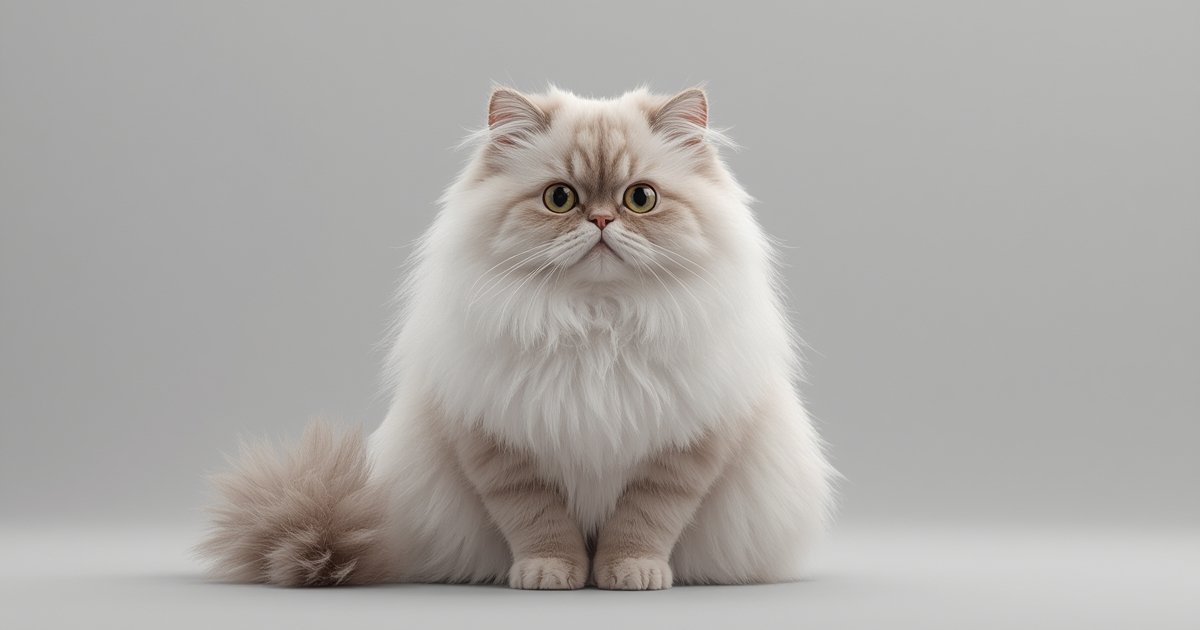
Unlock the secrets to a stunning Persian cat coat in 2026! Discover top grooming hacks, essential tools, and expert tips for a healthy, beautiful feline.
The Foundation of a Fabulous Feline Coat: Daily Brushing Essentials
Few breeds boast a coat as magnificent and challenging as the Persian. Achieving “Your Persian Cat’s Best Coat Ever” isn’t a pipe dream; it’s the result of consistent, informed Persian grooming practices. The journey to a stunning, mat-free coat begins with understanding its unique characteristics and committing to a daily brushing regimen that goes beyond a quick once-over.
Without proper daily attention, Persian cats are highly prone to matting and skin issues. Mats can be incredibly painful, pulling on the skin and leading to infections. Establishing a solid brushing routine is the single most important aspect of effective Persian grooming.
Understanding Your Persian’s Unique Fur
Persian cats possess a long, dense double coat. The outer coat consists of long, silky guard hairs, while the undercoat is softer and thicker. This combination provides warmth but also makes them susceptible to tangles, especially if loose fur isn’t regularly removed. Their fur is not only beautiful but also serves as an indicator of their overall health.
Factors like diet, environment, and even stress can impact the quality of their coat. Regular brushing not only removes loose hair and prevents mats but also distributes natural skin oils, promoting a healthy sheen and stimulating circulation to the skin.
The Right Tools for the Job
Investing in high-quality grooming tools is non-negotiable for effective Persian grooming. Cheap, inadequate brushes can cause discomfort, pull hair unnecessarily, or fail to penetrate the dense undercoat.
Slicker Brushes
A good slicker brush is essential for removing loose hair and small tangles from the topcoat. Choose one with fine, bent wires that are gentle on the skin. Always brush lightly to avoid scratching or irritating your cat’s delicate skin.
Metal Combs
A wide-toothed metal comb is invaluable for detangling deeper mats and ensuring no tangles have been missed by the slicker brush. A fine-toothed comb can also be useful for facial grooming, especially around the eyes and muzzle, where tears and food can accumulate.
Detangling Sprays
For particularly stubborn knots or to make brushing more comfortable, a cat-safe detangling spray can be a lifesaver. These products lubricate the hair, allowing tangles to be worked out more easily without causing pain or breakage. Always choose sprays specifically formulated for cats to avoid skin irritation.
Establishing a Daily Persian Grooming Routine
Consistency is key. A short daily session is far more effective than a long, infrequent one. Aim for 10-15 minutes each day, ideally at a time when your cat is relaxed and receptive.
Step-by-Step Brushing Guide
1. **Preparation:** Find a quiet, comfortable space. Have all your tools ready. A grooming table or elevated surface can make the process easier on your back. Reward your cat with treats and praise throughout.
2. **Gentle Start:** Begin with the slicker brush, starting at the cat’s head and working your way down the body. Use short, gentle strokes, always brushing in the direction of hair growth.
3. **Section by Section:** Work in small sections, carefully separating the fur to ensure you reach the undercoat. Pay extra attention to areas prone to matting: under the chin, behind the ears, armpits, stomach, and hind legs.
4. **Deep Detangling:** After the slicker brush, use the wide-toothed metal comb. Comb through the fur from root to tip, making sure it glides smoothly through the entire length of the hair. If you encounter a tangle, gently work it out with the comb, using your fingers to help loosen it, or apply a detangling spray. Never pull or rip through mats.
5. **Finishing Touches:** Finish with a final gentle brush over the entire coat to remove any remaining loose hairs and distribute natural oils.
6. **Reward:** Always end the session with praise, affection, and a treat to create a positive association with Persian grooming.
Mastering the Art of the Persian Bath: Beyond Basic Cleaning
While daily brushing is paramount, regular bathing is equally critical for maintaining the pristine condition of a Persian’s long coat. Many owners shy away from bathing, but with the right approach and a few tricks, it can become a routine your cat tolerates, if not enjoys. Aim for a bath every 4-6 weeks, or as needed, depending on your cat’s lifestyle and coat condition.
Proper bathing removes dirt, excess oil, dander, and loose hair that brushing alone cannot. It’s an indispensable part of comprehensive Persian grooming that prevents skin issues and keeps their fur soft and flowing.
Why Regular Baths Are Crucial for Persian Coats
Persian coats can quickly become greasy, especially around the tail, which is known as “stud tail” in some intact males. This greasiness attracts dirt and can lead to skin irritation or matting. Regular bathing cleanses the skin and fur, helps to manage shedding, and reduces the likelihood of severe tangles forming. It’s a proactive step in preventing more serious coat problems down the line.
A clean coat is also a healthier coat. Removing environmental allergens and irritants can significantly improve a cat’s comfort and reduce scratching. For show Persians, bathing is vital for maintaining that characteristic luxurious appearance.
Preparing for a Stress-Free Bath
Preparation is key to a successful bath. Gather everything you need beforehand so you don’t have to leave your cat unattended. This includes cat-specific shampoo and conditioner, towels, a non-slip mat for the tub, and cotton balls for ears.
Choosing the Right Shampoo and Conditioner
Always use shampoos and conditioners specifically formulated for cats. Human products have a different pH level and can irritate your cat’s skin. Look for gentle, hypoallergenic formulas, or those designed for long-haired breeds. Whitening shampoos can enhance light-colored coats, while de-greasing shampoos are great for particularly oily areas. Conditioners are essential for softening the coat and making it easier to comb through after the bath.
Consider a veterinary-recommended product if your Persian has sensitive skin or specific dermatological concerns. Natural or organic options can also be good choices, provided they are genuinely cat-safe.
The Gentle Bathing Process
1. **Pre-Bath Grooming:** Always thoroughly brush your Persian before bathing. Water will tighten any existing mats, making them nearly impossible to remove without shaving.
2. **Protect Ears and Eyes:** Place cotton balls gently into your cat’s ears to prevent water from entering the ear canal. Apply a veterinary-approved ophthalmic ointment to their eyes to protect them from shampoo.
3. **Water Temperature:** Fill the tub or basin with 3-4 inches of lukewarm water – comfortably warm, not hot. Use a non-slip mat to help your cat feel secure.
4. **Gentle Wetting:** Slowly introduce your cat to the water. Use a hand-held sprayer on a low setting, or a cup, to gently wet their coat, starting from the neck down. Avoid spraying directly at their face.
5. **Shampoo Application:** Apply a small amount of diluted cat shampoo. Gently massage it into the coat, working up a lather. Be extra gentle around the face, using a damp washcloth for cleaning there. Avoid getting shampoo in their eyes, nose, or mouth.
6. **Thorough Rinsing:** Rinse thoroughly, ensuring all shampoo residue is removed. Residue can irritate the skin and dull the coat. Continue rinsing until the water runs clear.
7. **Conditioning:** Apply cat conditioner, letting it sit for the recommended time (usually a few minutes), then rinse thoroughly.
8. **Initial Drying:** Gently squeeze excess water from the coat. Wrap your cat in a warm, absorbent towel. Do not rub vigorously, as this can cause tangles.
Drying Techniques for Flawless Fur
Proper drying is just as important as washing. For Persian coats, air drying is often too slow and can lead to chilling or matting. A pet-specific hair dryer is highly recommended. These dryers use lower heat settings and quieter motors, making the process less stressful for your cat.
Set the dryer to a low heat, low-speed setting. Keep the dryer moving constantly and hold it at a safe distance from your cat’s skin. While drying, use a comb or brush to gently fluff the fur, separating hairs to ensure they dry thoroughly from the roots. Continue until your cat is completely dry, paying close attention to the dense undercoat. Reward your cat generously for their cooperation.
Nutrition and Supplements: Feeding for a Lustrous Look
While external Persian grooming is crucial, the internal health of your cat plays an equally significant role in the condition of their coat. A dull, dry, or excessively shedding coat can often be a tell-tale sign of nutritional deficiencies. Just as humans benefit from a balanced diet for healthy skin and hair, so do our feline companions.
Optimal nutrition provides the building blocks for strong, vibrant fur and healthy skin, making your external Persian grooming efforts even more effective. A premium diet is truly the secret ingredient for “Your Persian Cat’s Best Coat Ever.”
The Link Between Diet and Coat Health
A cat’s coat is primarily made of protein, so a diet rich in high-quality animal protein is fundamental. Deficiencies in protein can lead to a coarse, brittle coat that sheds excessively. Additionally, essential fatty acids, vitamins, and minerals all contribute to skin hydration, hair follicle health, and the overall luster of the fur.
Poor quality food often contains fillers and by-products that offer little nutritional value, leading to a lackluster coat and potential health issues. Always choose cat food from reputable brands that prioritize whole ingredients.
Essential Nutrients for a Healthy Coat
– **High-Quality Protein:** Look for animal-based protein sources like chicken, fish, turkey, or beef as the first ingredient. Protein provides the amino acids necessary for hair growth and strength.
– **Omega-3 and Omega-6 Fatty Acids:** These are crucial for skin health and a shiny coat. Sources include fish oil (salmon, sardine), flaxseed oil, and certain animal fats. They help reduce inflammation, moisturize the skin, and give the coat its natural sheen.
– **Vitamins A & E:** Vitamin A promotes healthy skin cell turnover, while Vitamin E is an antioxidant that protects skin and hair from damage.
– **B Vitamins (especially Biotin):** B vitamins are vital for metabolic processes, including those involved in skin and hair health. Biotin, in particular, is often linked to improved coat quality.
– **Zinc:** This mineral plays a role in protein synthesis and cell division, both of which are critical for healthy skin and hair follicles.
When to Consider Supplements
Even with a high-quality diet, some Persian cats may benefit from targeted supplements, especially those with persistent dry skin, excessive shedding, or dull coats. Always consult your veterinarian before adding any supplements to your cat’s diet to ensure they are appropriate and correctly dosed.
Popular supplements for coat health include:
– **Fish Oil:** Rich in Omega-3 fatty acids (EPA and DHA), fish oil can significantly improve skin hydration and coat luster.
– **Biotin Supplements:** Sometimes recommended for strengthening hair and nails.
– **Coconut Oil:** A small amount added to food can improve digestion and coat health, but use sparingly due to its caloric content.
– **Skin and Coat Specific Formulations:** Many veterinary brands offer supplements specifically designed to support skin and coat health, often combining several beneficial nutrients.
Beyond the Brush and Bath: Comprehensive Persian Grooming
While brushing and bathing form the bedrock of Persian grooming, a truly well-maintained Persian requires attention to other vital details. Eye care, ear cleaning, and nail trimming are often overlooked but are essential for your cat’s comfort, hygiene, and overall health. Addressing these aspects regularly will ensure your Persian is not only beautiful but also happy and healthy.
Incorporating these elements into your routine elevates your Persian grooming efforts from basic maintenance to comprehensive care, contributing significantly to “Your Persian Cat’s Best Coat Ever.”
Eye and Ear Care: Keeping Them Clean and Clear
Persians are known for their distinctive flat faces, which can predispose them to certain issues, particularly with their eyes and ears. Regular cleaning can prevent stains, infections, and discomfort.
Tear Stain Management
Due to their brachycephalic (flat-faced) structure, Persians often have watery eyes that lead to unsightly reddish-brown tear stains. Daily cleaning is paramount.
– **Daily Wipe:** Use a soft, damp cloth or a specialized pet eye wipe to gently clean around the eyes. Wipe away from the inner corner of the eye.
– **Tear Stain Removers:** For stubborn stains, use vet-approved tear stain removers. Always follow product instructions carefully and avoid getting products directly into the eye.
– **Underlying Issues:** If tear staining is excessive or accompanied by discharge, consult your vet. It could indicate blocked tear ducts, allergies, or an infection requiring medical attention.
Ear Cleaning Best Practices
Persians can be prone to ear wax buildup and infections if their ears aren’t cleaned regularly. Check their ears weekly.
– **Gentle Wiping:** Use a clean cotton ball or gauze wrapped around your finger, dampened with a vet-approved ear cleaner. Gently wipe the visible parts of the outer ear and the folds.
– **Avoid Q-Tips:** Never insert cotton swabs or Q-tips into the ear canal, as this can push debris deeper or damage the eardrum.
– **Signs of Trouble:** Look for excessive wax, redness, odor, or if your cat is shaking its head or scratching its ears. These are signs of a potential ear infection and warrant a vet visit.
Nail Trimming: A Crucial Detail
Regular nail trimming is important for all cats, but especially for those indoors, to prevent nails from becoming too long, sharp, and potentially painful. Overgrown nails can snag on carpets, grow into paw pads, or cause discomfort when walking.
– **Frequency:** Aim to trim your Persian’s nails every 2-4 weeks.
– **Tools:** Use sharp, cat-specific nail clippers. Scissor-style clippers are often preferred by owners.
– **Technique:** Gently grasp your cat’s paw and press lightly on the paw pad to extend the nail. Only snip the very tip of the nail, avoiding the “quick” (the pink part containing blood vessels and nerves). If you accidentally cut the quick, apply styptic powder to stop the bleeding.
– **Start Young:** Introduce nail trimming to your cat when they are young to get them accustomed to the process. Positive reinforcement with treats and praise is key.
Addressing Common Grooming Challenges
Even with the best intentions, specific challenges can arise in Persian grooming.
Dealing with Mats and Tangles
Despite daily brushing, some mats can form. Never try to pull or cut them out with scissors near the skin, as this can easily injure your cat.
– **Professional Help:** For large, tight mats, the safest option is to seek a professional groomer or veterinarian who can safely shave them out.
– **Small Mats:** For small, loose tangles, apply a detangling spray and gently work them apart with your fingers or a wide-toothed comb, starting from the outside of the mat and working inward. Patience is crucial.
Shedding Season Strategies
Persians shed year-round, but more heavily during seasonal changes. Increase brushing frequency during these times, sometimes twice daily, to remove loose undercoat and prevent matting. A de-shedding tool can be beneficial, but use it sparingly and gently to avoid irritating the skin.
Top Grooming Tools for Your Persian: A 2026 Overview
The right arsenal of tools can make all the difference in maintaining your Persian’s magnificent coat. As grooming technology evolves, 2026 brings new innovations and refined classics to help you achieve the best results. Investing in quality equipment not only makes Persian grooming easier for you but also more comfortable and effective for your feline friend.
Here’s a comparison of some essential grooming tools, designed to help you make informed choices for “Your Persian Cat’s Best Coat Ever.”
Comparison of Essential Persian Grooming Tools
| Product | Price | Pros | Cons | Best For |
|---|---|---|---|---|
| Pet Grooming Vacuum Kit | $180 | Captures loose hair directly, reducing mess; multiple attachments. | Can be noisy, potentially intimidating for some cats; higher initial cost. | Reducing shedding mess, deep coat cleaning, cats tolerant of sound. |
| Self-Cleaning Slicker Brush (Ergonomic) | $35 | Effortless hair removal from brush; comfortable grip for owner; gentle pins. | May not penetrate very dense undercoats as deeply as dedicated combs. | Daily topcoat maintenance, quick tangle removal, easy cleanup. |
| Wide-Tooth & Fine-Tooth Comb Set | $25 | Versatile for all coat depths; crucial for mat detection and removal. | Requires manual cleaning; can pull if used improperly on tangles. | Thorough undercoat inspection, precise detangling, facial grooming. |
| Pet Bathing Sprayer & Scrubber | $45 | Connects to shower/hose; combines spray and scrubbing for deep cleaning. | Requires plumbing connection; can be overwhelming for nervous bathers. | Efficient bathing, ensuring deep lather and rinse, larger cats. |
| Low-Noise Pet Hair Dryer | $90 | Quiet operation to reduce stress; adjustable heat and speed settings. | Takes longer than human dryers (due to lower heat); bulkier than traditional dryers. | Stress-free drying, preventing mats after baths, cats sensitive to noise. |
When selecting tools, always prioritize those designed specifically for pets, with features that cater to long-haired breeds like the Persian. Reading reviews and observing your cat’s reactions to different tools will also guide your choices.
Professional Grooming vs. At-Home Care: Finding the Balance
Deciding between exclusively at-home Persian grooming and incorporating professional services is a common dilemma for many owners. Both options have their merits, and often, the most effective strategy is a combination of the two. Understanding when to DIY and when to call in the experts is key to ensuring your Persian’s coat remains in peak condition.
A balanced approach ensures that your cat receives consistent, loving care at home while benefiting from specialized attention when needed, ultimately achieving “Your Persian Cat’s Best Coat Ever.”
When to Seek a Professional Groomer
Professional groomers possess specialized skills, tools, and experience that can be invaluable, especially for challenging situations or for owners with limited time or expertise.
– **Severe Matting:** If your Persian develops extensive, tight mats, a professional groomer can safely remove them without injuring your cat. They often use clippers to shave mats out, a task best left to experts.
– **First-Time Bathing:** For cats new to bathing, a professional can provide a less stressful first experience and teach you proper techniques.
– **Sanitary Shaves:** Regular sanitary shaves (trimming fur around the rear) can prevent fecal matter from clinging to the fur, which is a common issue with long-haired breeds.
– **Full Coat Shaving (“Lion Cut”):** Some owners opt for a lion cut, especially in warmer climates or for older cats who struggle with self-grooming. This should always be done by a professional to prevent uneven cuts or skin irritation.
– **Nail Trimming Challenges:** If your cat is particularly resistant to nail trimming, a groomer or vet can perform this task safely.
– **Owner Time Constraints:** If you’re unable to commit to daily grooming, a professional visit every 6-8 weeks can help bridge the gap.
Maximizing Your At-Home Persian Grooming Efforts
Even if you utilize a professional groomer, consistent at-home Persian grooming remains critical. Your daily efforts maintain the coat between professional visits, prevent minor issues from becoming major ones, and strengthen the bond with your cat.
– **Consistency is Key:** Stick to your daily brushing routine to prevent mats.
– **Gentle Touch:** Always use a gentle hand to make grooming a positive experience.
– **Positive Reinforcement:** Reward your cat with treats and praise during and after grooming sessions.
– **Learn and Adapt:** Pay attention to your cat’s coat and skin. If you notice changes, research solutions or consult your vet. Watch online tutorials from reputable groomers to refine your techniques.
– **Invest in Quality:** As discussed, having the right tools makes a significant difference in the effectiveness and comfort of grooming.
– **Observe and Report:** Regular at-home grooming allows you to monitor your cat’s skin, eyes, ears, and overall health. You’re more likely to spot early signs of health issues if you’re regularly examining them.
Achieving “Your Persian Cat’s Best Coat Ever” is a continuous journey that combines dedicated at-home care with strategic professional assistance. By understanding your cat’s needs and equipping yourself with the right knowledge and tools, you can ensure their coat remains a source of pride and comfort.
Your Persian cat’s magnificent coat is a testament to your love and dedication. By consistently implementing these top Persian grooming hacks for 2026, you’re not just maintaining their beauty; you’re actively contributing to their health, comfort, and overall well-being. From the daily discipline of brushing to the art of bathing and the science of nutrition, every step plays a vital role. Remember that a happy cat is a beautiful cat, and a well-groomed Persian is a comfortable and cherished member of your family. Embrace the routine, enjoy the bonding time, and marvel at “Your Persian Cat’s Best Coat Ever.”
Ready to take your Persian’s coat to the next level? Explore more of our comprehensive guides on feline health and happiness, or subscribe to our newsletter for the latest tips and tricks!
Contact us for personalized grooming advice or to share your Persian cat’s success story!
Frequently Asked Questions (FAQ)
How often should I brush my Persian cat?
Persian cats should be brushed daily for at least 10-15 minutes. Their long, dense double coat is highly prone to matting, and daily brushing is essential to remove loose hair, prevent tangles, and distribute natural oils for a healthy, shiny coat.
What is the best type of brush for a Persian cat?
A combination of tools is best. A high-quality slicker brush is excellent for removing loose hair and surface tangles, while a wide-toothed metal comb is crucial for penetrating the dense undercoat and working out deeper mats. Detangling sprays can also be very helpful.
How often should I bathe my Persian cat?
Most Persian cats benefit from a bath every 4-6 weeks. Regular bathing removes dirt, excess oil, and dander, preventing coat greasiness and reducing the likelihood of severe matting. Always use cat-specific shampoo and conditioner.
Can I use human shampoo on my Persian cat?
No, you should never use human shampoo on your Persian cat. Human shampoos have a different pH level than feline skin and can cause irritation, dryness, or other skin problems. Always use products specifically formulated for cats.
How can I prevent tear stains on my Persian cat?
Daily cleaning around the eyes with a soft, damp cloth or pet eye wipe is the best prevention. For existing stains, vet-approved tear stain removers can be used carefully. If tear staining is excessive, consult your veterinarian to rule out underlying medical conditions.
What if my Persian cat hates grooming?
Start grooming sessions when your cat is relaxed. Keep sessions short and positive, using treats, praise, and gentle handling. Gradually increase the duration as your cat becomes more accustomed. If your cat is highly resistant, consider consulting a professional groomer or veterinarian for advice on desensitization techniques.
Does diet affect my Persian cat’s coat?
Absolutely. A high-quality diet rich in animal protein and essential fatty acids (like Omega-3 and Omega-6) is vital for a healthy, shiny coat and skin. Nutritional deficiencies can lead to a dull, dry, or excessively shedding coat. Consult your vet about appropriate food and potentially beneficial supplements.
Leave a Reply