

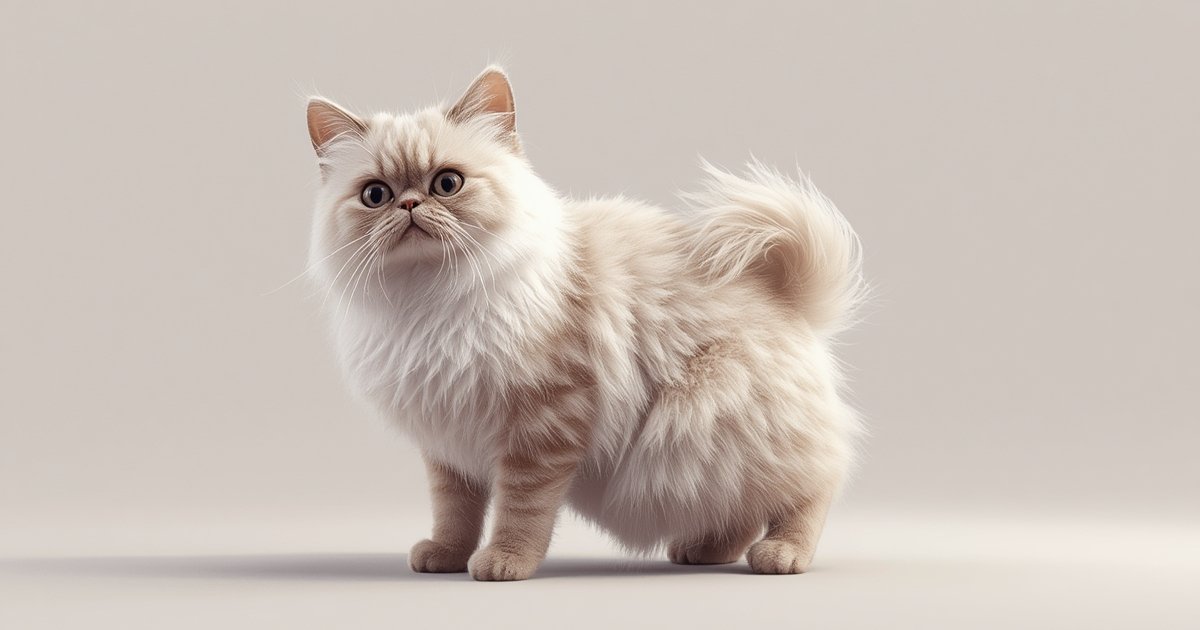
Unlock secrets to effortless Persian grooming in 2026! Discover daily routines, essential tools, and expert tips to keep your beloved Persian cat tangle-free and healthy.
The Unique Challenges of Persian Grooming
The majestic Persian cat, with its flowing coat and serene demeanor, is a true vision of feline elegance. However, maintaining that luxurious long hair requires dedication and a specific approach to Persian grooming. Unlike short-haired breeds, Persians are prone to matting and tangles, which can lead to skin irritation, discomfort, and even infections if not addressed promptly.
Their signature flat faces, while adorable, also present unique grooming needs, particularly around their eyes. Understanding these distinct challenges is the first step toward developing an effective and gentle grooming routine for your cherished companion. Regular attention not only keeps them looking beautiful but also contributes significantly to their overall health and happiness.
Understanding the Persian Coat
A Persian cat’s coat is characterized by its double-layer density and fine texture. The outer guard hairs are long and silky, while the undercoat is thick and woolly. This combination creates a stunning visual, but it’s also a magnet for loose hair, dirt, and debris.
Without consistent brushing, these elements quickly intertwine, forming painful mats close to the skin. Mats can restrict movement, pull on the skin, and create a breeding ground for parasites. Effective Persian grooming aims to prevent these issues before they become serious problems.
Common Grooming Hurdles for Persian Owners
Beyond the beautiful coat, several factors make Persian grooming a special task. Their docile nature can sometimes mask discomfort, making it crucial for owners to be vigilant. Tear staining, ear wax buildup, and the need for regular nail trims are all part of the Persian care package.
Ignoring these aspects can lead to health complications like skin infections under tear stains, ear infections, or overgrown nails that impede walking. A comprehensive grooming routine addresses all these areas, ensuring your Persian remains comfortable and healthy from nose to tail.
Essential Tools for Your Persian Grooming Kit
Having the right arsenal of tools is paramount for effective Persian grooming. Investing in high-quality equipment designed specifically for long-haired cats will make the process easier for both you and your pet. Cheap or inappropriate tools can pull hair, irritate skin, or simply be ineffective.
A well-stocked grooming kit is your best friend in preventing mats and maintaining your Persian’s pristine coat. This section will guide you through the must-have items and discuss their specific uses. With the right tools, Persian grooming transforms from a chore into a bonding experience.
Key Grooming Instruments
To tackle the daily demands of Persian grooming, you’ll need a few specialized items. Each tool serves a distinct purpose in keeping your cat’s coat and hygiene in top condition. Choosing ergonomic tools can also make the process more comfortable for you.
– Slicker Brush: Essential for removing loose hair and detangling superficial mats. Look for one with fine, angled wires that are gentle on the skin.
– Metal Comb (Fine and Wide-toothed): Crucial for working through tangles and ensuring no mats are missed after brushing. The wide-toothed side starts the detangling, while the fine side smooths and checks.
– Dematting Tool/Rake: A specialized tool for safely breaking up stubborn mats close to the skin. Use with extreme caution to avoid cutting the skin.
– Nail Clippers: Cat-specific clippers (scissor or guillotine style) are needed for regular nail trims.
– Blunt-nosed Scissors: For carefully trimming small, accessible mats or tidying up fur around the paws and sanitary areas.
– Eye Wipes or Soft Cloths: For daily cleaning of tear stains and eye discharge.
– Cat-specific Shampoo and Conditioner: Gentle, pH-balanced formulas designed for cats, ideally with detangling properties.
– Ear Cleaner: Vet-approved solution for gentle ear cleaning.
Comparison of Essential Persian Grooming Tools
Selecting the right tools can make a significant difference in the ease and effectiveness of your Persian grooming routine. Here’s a comparison of some core tools:
| Product | Price | Pros | Cons | Best For |
|---|---|---|---|---|
| Slicker Brush | $15-$25 | Excellent for removing loose fur and detangling superficial mats. Gentle on the skin when used correctly. | Can be less effective on very dense, deep mats. Requires careful use to avoid skin irritation. | Daily brushing and maintaining a smooth, tangle-free coat. |
| Steel Comb (wide/fine tooth) | $10-$20 | Crucial for checking for hidden tangles and mats, especially after brushing. Versatile for all coat lengths. | Can pull hair if used carelessly on tangles. Not ideal for initial dematting of severe mats. | Finishing touches, mat detection, and general coat management after initial brushing. |
| Dematting Tool/Rake | $20-$40 | Specifically designed to break up and remove stubborn mats without excessive pulling. Saves time and stress. | Must be used with extreme caution to avoid cutting the cat’s skin. Not recommended for novice groomers without guidance. | Safely handling significant matting that cannot be brushed out. |
| Cat Nail Clippers | $10-$18 | Designed for precision and safety, preventing splintering of nails. Available in various styles to suit preference. | Requires careful handling to avoid cutting the quick, which can be painful and bleed. | Regular nail trimming to prevent overgrowth and related discomfort. |
Daily Brushing: The Foundation of Flawless Persian Grooming
The cornerstone of any successful Persian grooming regimen is daily brushing. This routine practice is not just about aesthetics; it’s a vital preventative measure against matting, skin problems, and even hairballs. By committing to a consistent brushing schedule, you actively participate in your Persian’s health and comfort.
Daily brushing also provides an excellent opportunity to bond with your cat and check for any skin abnormalities, lumps, or parasites. Early detection of any issues can make a significant difference in treatment outcomes. Make this a positive, calm experience for your cat to ensure cooperation.
Establishing a Routine
Consistency is key when it comes to daily brushing. Aim for at least 15-20 minutes of dedicated brushing time each day. Many owners find that brushing in the morning or evening when their cat is relaxed works best.
1. Start with a slicker brush to gently work through the top layers of fur, moving in the direction of hair growth. Pay special attention to areas prone to matting, such as under the legs, behind the ears, and around the sanitary region.
2. Follow with a wide-toothed metal comb to thoroughly check for any tangles the slicker brush might have missed. Work through small sections, gently separating any knots.
3. Finish with the fine-toothed side of the metal comb to ensure the coat is smooth and entirely tangle-free. This step is crucial for detecting even the smallest developing mats.
Proper Brushing Techniques
Always approach brushing with a gentle hand. Pulling at tangles can be painful and make your cat associate grooming with a negative experience. If you encounter a mat, do not yank on it. Instead, use a dematting tool or blunt-nosed scissors (with extreme caution, placing a comb between the mat and skin) to carefully break it apart.
Work in small sections, particularly around sensitive areas. Many Persians enjoy being brushed once they get used to it, especially if you offer treats and praise. Starting this routine when they are kittens can make them much more amenable to Persian grooming throughout their lives.
Bathing Your Persian: A Gentle Approach
While daily brushing is paramount, periodic bathing is also an essential part of comprehensive Persian grooming. Persians, with their long, dense coats, can accumulate oils, dirt, and dander that brushing alone cannot remove. A bath every 4-6 weeks, or as needed, can help keep their fur clean, shiny, and free from excessive greasiness.
However, bathing a cat, especially a long-haired one, requires patience and the right technique. A calm environment and proper preparation are crucial to making the experience as stress-free as possible for your feline friend. Remember, a clean cat is a comfortable cat, and regular bathing prevents many skin issues.
Preparing for the Bath
Preparation is key to a successful bath. Before you even think about water, make sure you have everything you need within arm’s reach. This prevents you from leaving your cat unattended mid-bath.
1. Pre-grooming: Always thoroughly brush your Persian before a bath. Water will tighten and worsen any existing mats, making them incredibly difficult to remove post-bath.
2. Gather Supplies: Have two towels (one for immediate wrapping, one for drying), cat-specific shampoo and conditioner, cotton balls for ears, and an eye protectant ointment (optional).
3. Water Temperature: Fill the tub or sink with a few inches of lukewarm water. Test the temperature with your elbow—it should be comfortable, not hot or cold.
4. Secure Area: Ensure the bathroom door is closed to prevent escape attempts. You might consider placing a rubber mat in the tub to provide traction and reduce anxiety.
The Bathing Process
Approach your cat calmly and gently. Speak in soothing tones throughout the process. Your demeanor can significantly impact your cat’s stress levels.
1. Wet the Coat: Gently place your cat in the water. Use a handheld shower sprayer or a cup to thoroughly wet their coat, starting from the neck down, avoiding the face.
2. Apply Shampoo: Apply a small amount of cat-specific shampoo, working it into a lather. Focus on the body, legs, and tail. Massage gently, ensuring the shampoo reaches the skin.
3. Rinse Thoroughly: This is the most critical step. Rinse all shampoo out of the coat. Residue can irritate the skin and lead to dull fur. Continue rinsing until the water runs clear and the fur feels squeaky clean.
4. Condition (Optional but Recommended): Apply a cat-specific conditioner, focusing on the coat’s length. Let it sit for a few minutes as directed, then rinse thoroughly.
5. Facial Cleaning: Use a damp washcloth or special cat facial wipes to gently clean around their eyes and mouth. Never spray water directly onto their face.
6. Drying: Immediately wrap your cat in a warm towel, gently patting and squeezing excess water from their fur. Do not rub vigorously, as this can cause tangles.
7. Blow Drying: Many Persians tolerate a low-heat, low-speed pet dryer. Keep the dryer moving and at a safe distance to prevent overheating. Alternatively, you can continue towel drying and allow them to air dry in a warm, draft-free room, but ensure they are completely dry to prevent matting and chilling.
Beyond the Brush: Nails, Eyes, and Ears
Effective Persian grooming extends far beyond just brushing and bathing. Regular attention to their nails, eyes, and ears is crucial for their overall health and comfort. Neglecting these areas can lead to pain, infection, and other complications that are easily preventable with consistent care. Integrating these tasks into your routine ensures a comprehensive approach to your Persian’s well-being.
These elements of Persian grooming may seem minor, but they contribute significantly to your cat’s quality of life. Making these actions routine will also help your cat become accustomed to them, reducing stress for both of you.
Nail Trimming Essentials
Overgrown nails can curl under and grow into your cat’s paw pads, causing pain, infection, and difficulty walking. Regular nail trims, typically every 2-4 weeks, are necessary.
1. Use quality cat-specific nail clippers.
2. Gently press on each toe pad to extend the nail.
3. Identify the “quick,” the pink part of the nail containing blood vessels and nerves. Never cut into the quick.
4. Clip only the clear, sharp tip of the nail, staying a safe distance from the quick.
5. If you accidentally cut the quick, apply styptic powder or cornstarch to stop the bleeding.
Keeping Eyes Clear: Tackling Tear Stains
Persian cats are notorious for tear staining due to their brachycephalic (flat) facial structure, which can lead to tears overflowing rather than draining properly. Daily cleaning is paramount.
– Use a soft, damp cloth or specialized pet eye wipes.
– Gently wipe away discharge and stains from the corners of their eyes.
– Be careful not to touch the eyeball directly.
– Consult your vet if discharge changes color, becomes excessive, or if the eyes appear red or irritated, as this could indicate an infection.
Ear Care for Persians
Regular ear checks are important to prevent wax buildup and detect potential infections. Aim to check their ears weekly.
– Gently fold back the ear flap to examine the inner ear. It should be clean and pale pink, with no strong odor.
– If you notice dirt or wax, use a vet-approved cat ear cleaner and cotton ball (never cotton swabs) to gently wipe the visible parts of the ear.
– Do not insert anything deep into the ear canal.
– If you see excessive dark wax, redness, swelling, or if your cat is shaking its head or scratching its ears, consult your veterinarian immediately, as these are signs of infection.
Troubleshooting Common Persian Grooming Issues
Even with the most diligent Persian grooming routine, you might occasionally encounter challenges. Mats can still form, tear stains might persist, or your cat might develop an aversion to certain grooming tasks. Knowing how to troubleshoot these common issues effectively can save you stress and keep your Persian comfortable and healthy. Proactive problem-solving is a key aspect of responsible pet ownership.
It’s important to approach these issues with patience and a calm demeanor. Your cat will pick up on your stress, which can exacerbate the problem. Remember, consistency and gentle handling are your most powerful tools.
Dealing with Stubborn Mats and Tangles
Despite daily brushing, some mats might develop, especially in high-friction areas or during shedding seasons.
– Never try to pull a mat out with a regular brush, as this will cause pain and trauma to the skin.
– For small, superficial mats, try gently teasing them apart with your fingers, then work through with a wide-toothed comb.
– For more stubborn mats, use a dematting tool or blunt-nosed scissors. Always place a comb between the mat and the skin to protect your cat from accidental cuts. Work slowly and in small sections.
– If a mat is very large, tight, or close to the skin, it’s safer to have it shaved by a professional groomer or veterinarian. Attempting to remove severe mats yourself can result in injury.
Persistent Tear Stains
If daily wiping isn’t enough to manage tear stains, consider these additional steps:
– Diet: Some owners report that certain diets can affect tear production and staining. Consult your vet about specialized foods or supplements.
– Water Quality: Using filtered water instead of tap water may help reduce mineral deposits contributing to staining.
– Professional Products: There are various over-the-counter products designed to gently clean and lighten tear stains. Always ensure they are cat-safe and follow instructions carefully.
– Vet Consultation: Persistent, dark, or unusual tear staining might indicate an underlying medical issue, such as blocked tear ducts or an eye infection. A vet check-up is recommended.
Grooming Aversion
If your Persian resists grooming, it’s crucial to identify the cause. Is it pain from existing mats, a negative past experience, or simply a lack of early socialization to grooming?
– Positive Reinforcement: Always associate grooming with positive experiences. Offer high-value treats and praise during and immediately after grooming sessions.
– Short Sessions: If your cat is highly resistant, start with very short, frequent sessions (e.g., 5 minutes a day) and gradually increase the duration as they become more comfortable.
– Desensitization: Slowly introduce grooming tools. Let your cat sniff them, then gently touch them to their fur for a second, followed by a treat. Build up gradually.
– Professional Help: If you’re struggling, a professional groomer can offer advice or even handle the grooming for you until your cat becomes more accustomed. In some cases, a vet might suggest mild sedatives for very stressful grooming sessions.
Tangled No More Your 2026 Guide to Effortless Persian Cat Grooming provides a comprehensive roadmap to ensure your beloved Persian cat remains pristine and healthy. From understanding their unique coat challenges to mastering daily brushing, bathing techniques, and crucial supplementary care for nails, eyes, and ears, every step contributes to their well-being. Remember, consistent Persian grooming is not merely about aesthetics; it’s a vital aspect of preventive care that strengthens your bond and enhances their quality of life. By implementing these practices and knowing how to troubleshoot common issues, you can ensure your Persian cat enjoys a comfortable, mat-free existence for years to come.
For more expert advice and to explore our premium pet care solutions, visit Dax AI or contact us directly. We’re here to help you provide the best for your beloved Persian.
Frequently Asked Questions (FAQ)
How often should I groom my Persian cat?
Ideally, Persian cats require daily brushing to prevent mats and tangles in their dense, long coats. Baths are recommended every 4-6 weeks, while nails should be trimmed every 2-4 weeks. Eyes and ears should be checked daily, with cleaning as needed.
Can I use human shampoo on my Persian cat?
No, you should never use human shampoo on your Persian cat. Human shampoos have a different pH balance and can dry out or irritate your cat’s skin, leading to discomfort and skin issues. Always use a high-quality, cat-specific shampoo and conditioner.
What if my Persian cat hates grooming?
Start grooming early in life, use positive reinforcement with treats and praise, and keep sessions short initially. If your cat is highly resistant, consult a professional groomer or your veterinarian for guidance or consider professional grooming services.
When should I seek professional grooming?
Consider professional grooming if you encounter severe matting that you cannot safely remove, if your cat is highly resistant to home grooming, or if you simply prefer to delegate the task to an expert. Professionals have the tools and expertise for challenging coats.
How do I prevent tear stains?
Daily gentle wiping with a damp cloth or specialized pet eye wipes is crucial. Some owners find that filtered water or specific diets help reduce staining. Consult your vet if tear stains are excessive, change color, or if there are signs of eye irritation.
Leave a Reply