

Meta Description: Master Persian grooming in 2026 with our ultimate guide. Learn expert tips, essential tools, and step-by-step routines for a flawless, healthy coat.
A Persian cat’s magnificent, flowing coat is undoubtedly its most striking feature, a luxurious cascade of fur that captivates all who behold it. However, maintaining this opulent mane is no small feat; it demands dedication, the right techniques, and consistent attention. This comprehensive guide to Persian grooming will equip you with all the knowledge and tools you need to ensure your beloved feline companion looks and feels their absolute best, preventing common issues like matting and skin problems. Proper Persian grooming is crucial not just for aesthetics but for the overall health and comfort of your pet, directly impacting their quality of life.
Understanding the Unique Persian Coat
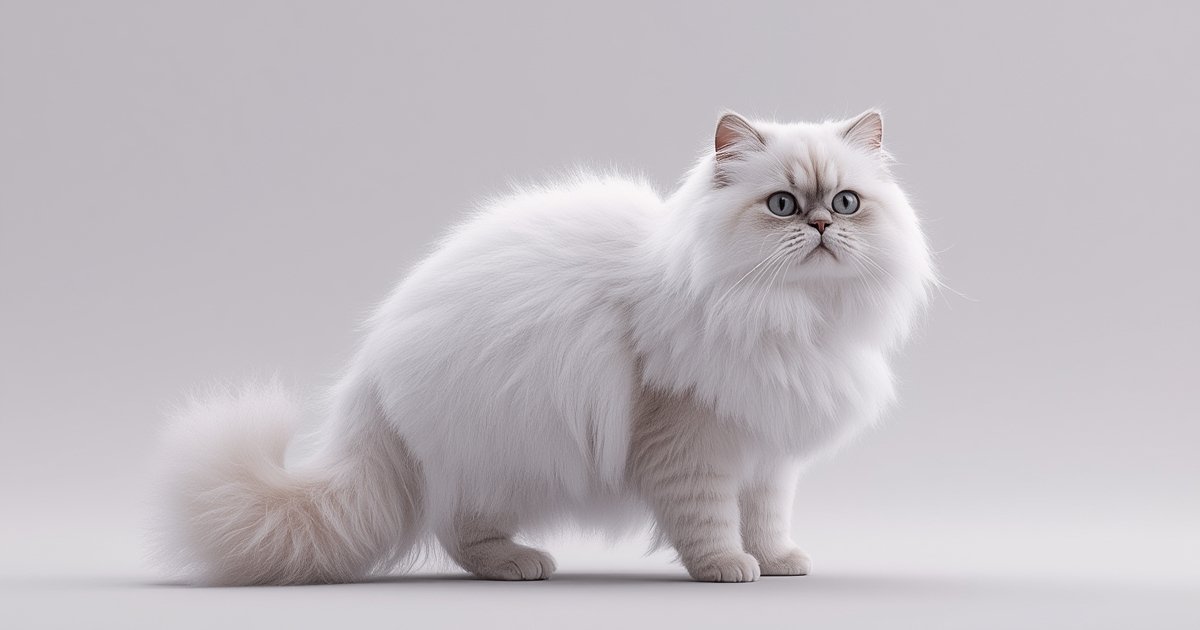
The Persian cat breed is renowned for its long, dense, double coat. This distinctive fur consists of a soft, downy undercoat and a longer, coarser guard hair topcoat. This combination, while beautiful, is also highly susceptible to matting, tangles, and collecting debris.
Understanding the specific characteristics of your Persian’s coat is the first step in effective Persian grooming. Factors like genetics, diet, and even environmental humidity can influence coat quality. A healthy coat is soft, shiny, and free of greasiness, which can indicate underlying health issues.
Coat Types and Their Challenges
While most Persians share the long, luxurious coat, there can be subtle variations. Some may have slightly softer or denser undercoats, making them more prone to matting. Others might have silkier topcoats that shed more readily. Recognizing these nuances helps tailor your grooming approach.
The primary challenge with the Persian coat is its propensity to mat. Mats are tight tangles of fur that pull on the skin, causing discomfort and potentially leading to skin infections, parasites, and pain during movement. Prevention is always easier than cure when it comes to mats.
Essential Tools for Effective Persian Grooming
Having the right arsenal of grooming tools is non-negotiable for a Persian cat owner. Investing in high-quality tools designed for long-haired breeds will make the grooming process smoother, more efficient, and more comfortable for your cat. Don’t skimp on these essentials, as cheap tools can damage the coat or irritate the skin.
Comparison of Top Grooming Tools for Persian Cats
Choosing the best tools can be overwhelming with so many options available. Here’s a comparison of essential grooming tools tailored for Persian grooming, helping you select what’s right for your cat’s specific needs.
| Product | Price | Pros | Cons | Best For |
|---|---|---|---|---|
| Slicker Brush (Long-Pin) | $15 – $25 | Excellent for removing loose undercoat and preventing mats. Helps distribute natural oils. | Can be too harsh if used improperly; some cats dislike the feel. | Daily brushing, de-shedding, preventing tangles. |
| Metal Comb (Wide & Fine Teeth) | $10 – $20 | Indispensable for detangling mats, checking for knots, and finishing the coat. | Requires careful handling to avoid pulling fur. | Deep detangling, mat checking, finishing touches. |
| De-Shedding Tool (e.g., Furminator) | $30 – $50 | Highly effective at removing large amounts of loose undercoat, reducing shedding. | Can strip the guard hairs if overused; not for daily use. | Seasonal de-shedding, managing heavy shedding periods. |
| Blunt-Tip Scissors | $12 – $25 | Safe for carefully trimming mats close to the skin or tidying up specific areas. | Requires extreme caution to prevent accidental nicks. | Spot trimming, removing small mats, hygienic trims. |
| Cat-Specific Nail Clippers | $8 – $18 | Designed for feline nails, providing a clean, quick cut. | Improper use can lead to cutting the quick, causing pain and bleeding. | Regular nail maintenance. |
Additional Grooming Aids
Beyond the core tools, consider these additions to enhance your Persian grooming routine:
– **Detangling Spray:** Helps loosen knots and mats, making brushing easier and more comfortable. Look for cat-safe, non-toxic formulas.
– **Cat-Specific Shampoo and Conditioner:** Essential for bathing. Choose products designed for long-haired cats, preferably tear-free and hypoallergenic.
– **Ear Cleaner:** A gentle, veterinary-approved solution for keeping ears clean and preventing infections.
– **Eye Wipes/Solution:** Specialized wipes or solutions to clean the tear stains common in brachycephalic (flat-faced) breeds like Persians.
– **Grooming Table with Arm:** For serious groomers, a dedicated table can elevate your cat to a comfortable working height, making the process less strenuous for both of you.
The Daily Brushing Ritual: Cornerstone of Persian Grooming
Consistent daily brushing is the single most important aspect of Persian grooming. It prevents mats, removes loose hair, distributes natural skin oils, and provides an excellent opportunity for bonding with your cat. Aim for at least 15-20 minutes of brushing daily, though some Persians might require more.
Step-by-Step Daily Brushing Routine
1. **Prepare Your Cat:** Choose a quiet time when your cat is relaxed. Place them on a non-slip surface, like a towel on your lap or a grooming table. Offer treats to create a positive association.
2. **Start Gentle with a Wide-Tooth Comb:** Begin by gently combing through the outer layer of the fur to remove any superficial tangles or debris. Work in small sections, always combing in the direction of hair growth.
3. **Use the Slicker Brush:** Systematically brush your cat’s entire body. Start from the head and work your way down to the tail and legs. Pay special attention to areas prone to matting: behind the ears, armpits, flanks, stomach, and the “pantaloons” on the hind legs. Use short, gentle strokes, lifting the fur slightly to reach the undercoat.
4. **Target the Undercoat with the Metal Comb:** After using the slicker, go back with the fine-toothed end of your metal comb. This is crucial for checking for hidden mats in the undercoat. If the comb snags, stop and gently work through the tangle.
5. **Address Tangles and Mats:** If you encounter a small tangle, try to gently tease it apart with your fingers or the wide-toothed comb. If it’s a mat, refer to the section on mat removal below. Never pull on mats, as this is painful for your cat.
6. **Brush the “Ruff” and Tail:** These areas are often overlooked. Gently brush the fur around the neck and the entire length of the tail. The tail fur can be very delicate, so be extra careful.
7. **Positive Reinforcement:** End each session with praise, petting, and a small treat. This reinforces that Persian grooming is a positive experience.
Consistency is key. Even if your cat seems to have no tangles, a quick daily brush will prevent major problems from forming. It also helps you spot any skin issues, parasites, or lumps early.
Bathing Your Persian: A Step-by-Step Guide
While daily brushing is vital, regular bathing is also an essential part of Persian grooming, typically every 4-6 weeks, or as needed if their coat becomes greasy or soiled. Bathing removes accumulated dirt, excess oils, and loose hair that brushing alone can’t fully address. This process, while sometimes challenging, is crucial for maintaining coat health.
Preparing for the Bath
Preparation is paramount to a successful bath. Gather all your supplies beforehand:
– Two towels (one for immediate drying, one for wrapping)
– Cat-specific shampoo and conditioner
– Cotton balls (for ears)
– A non-slip mat for the tub or sink
– A pitcher or cup for rinsing
– Detangling spray
– A treat for after
– A helper, if possible, for nervous cats
The Bathing Process
1. **Pre-Bath Brushing:** Before getting wet, thoroughly brush your Persian to remove any mats or tangles. Water will only tighten mats, making them impossible to remove once wet.
2. **Protect Ears and Eyes:** Gently place cotton balls in your cat’s ears to prevent water from entering. You can also apply a thin line of ophthalmic ointment around their eyes to protect them from shampoo.
3. **Use Lukewarm Water:** Fill the tub or sink with a few inches of lukewarm water. Test the temperature carefully; it should be comfortable, not too hot or too cold.
4. **Gentle Wetting:** Slowly and gently place your cat into the water. Use a pitcher or sprayer (on a very low setting) to thoroughly wet their coat, starting from the neck down, avoiding the face. Talk to your cat in a calm, soothing voice.
5. **Shampoo Application:** Apply a small amount of cat-specific shampoo, working it into a lather from neck to tail. Be gentle and methodical. Pay attention to greasy areas like the tail base. Avoid getting shampoo in their eyes or ears.
6. **Thorough Rinsing:** This is critical. Rinse thoroughly until all traces of shampoo are gone. Residual shampoo can irritate the skin and lead to dryness or matting. Rinse multiple times if necessary.
7. **Conditioner (Optional but Recommended):** Apply a cat-specific conditioner, focusing on the ends and thicker parts of the coat. Let it sit for the recommended time (usually 2-5 minutes), then rinse even more thoroughly than the shampoo. Conditioner helps prevent tangles and keeps the coat soft.
8. **Initial Drying:** Gently squeeze excess water from the coat. Wrap your cat immediately in a large, absorbent towel. Pat dry as much as possible.
9. **Blow Drying:** Many Persians tolerate blow drying on a *low, cool setting*. Never use high heat, as it can burn their skin. Keep the dryer moving and hold it a safe distance from their fur. Simultaneously comb or brush the coat as you dry to prevent tangles and ensure the coat dries straight.
10. **Final Brush and Reward:** Once completely dry, give your cat a final brush-through to ensure no tangles have formed. Reward them with a treat and plenty of praise.
Dealing with Mats and Tangles
Despite the best efforts in Persian grooming, mats and tangles can still occur. Addressing them promptly is crucial to prevent them from becoming larger and more painful. Never attempt to cut out mats with pointed scissors or aggressively pull at them.
Strategies for Safe Mat Removal
1. **Assess the Mat:** Gently feel the mat to determine its size and how close it is to the skin. Small, loose tangles are easier to manage than dense, pelted mats.
2. **Apply Detangling Spray:** Liberally spray a cat-safe detangling solution onto the mat. Let it soak in for a few minutes to help loosen the fur.
3. **Use Your Fingers and a Wide-Tooth Comb:** Starting from the outer edge of the mat, gently try to tease apart the hairs with your fingers. Once slightly loosened, use the wide-toothed end of your metal comb, working from the tip of the mat towards the skin, a few hairs at a time. Hold the fur at the base of the mat to prevent pulling on the skin.
4. **Blunt-Tip Scissors (Extreme Caution):** For very stubborn mats that cannot be combed out, blunt-tip scissors are a last resort. Always slide the comb between the mat and the skin first, then use the scissors to *cut into* the mat vertically (parallel to the body), effectively splitting it into smaller sections. Never cut straight across the mat or close to the skin without a comb protecting it. This technique makes it easier to comb out the smaller sections.
5. **Electric Clippers (Professional Use):** For large, dense, or pelted mats, especially those close to the skin, professional grooming with electric clippers might be necessary. Attempting to remove these at home can be dangerous and extremely painful for your cat. A professional groomer can safely shave down the matted areas.
Prevention is Key
The best approach to mats is prevention through diligent daily Persian grooming.
– **Regular Brushing:** This cannot be stressed enough.
– **Proper Nutrition:** A high-quality diet supports healthy skin and coat.
– **Environmental Control:** Keep your home free of excessive dust and debris that can stick to fur.
– **Addressing Underlying Issues:** If your cat’s coat is consistently matting despite regular grooming, consult your vet. Underlying health issues, parasites, or allergies could be contributing factors.
Beyond the Coat: Holistic Persian Grooming
Persian grooming extends beyond just the fur. Maintaining your cat’s overall hygiene includes care for their eyes, ears, and claws, all of which contribute to their comfort and health.
Eye Care for Persians
Due to their brachycephalic (flat) faces, Persians are prone to excessive tearing and tear staining.
– **Daily Wiping:** Gently wipe around your cat’s eyes daily with a soft, damp cloth or a specialized cat eye wipe. This removes tear residue before it can stain the fur or create a crust.
– **Veterinary Consultation:** If you notice excessive discharge, redness, or swelling, consult your vet, as this could indicate an infection or other eye problem.
Ear Cleaning
Regularly check your Persian’s ears for dirt, wax buildup, or signs of infection (redness, odor, scratching).
– **Gentle Wiping:** Use a cotton ball dampened with a vet-approved ear cleaning solution to gently wipe the visible parts of the ear.
– **Avoid Q-Tips:** Never insert cotton swabs or any other objects into the ear canal, as this can damage the delicate inner ear.
– **Seek Vet Advice:** If you suspect an ear infection, do not attempt to treat it yourself; consult your veterinarian immediately.
Nail Trimming
Keeping your Persian’s claws trimmed prevents them from getting caught on carpets or furniture, reduces the risk of painful ingrown nails, and makes grooming more comfortable for you.
– **Frequency:** Trim nails every 2-4 weeks, or as needed.
– **Technique:** Use sharp, cat-specific nail clippers. Gently press on the paw pad to extend the claw. Only trim the very tip, avoiding the “quick” (the pink part containing nerves and blood vessels). If you accidentally cut the quick, apply styptic powder to stop the bleeding.
– **Positive Reinforcement:** Make nail trimming a calm experience with praise and treats.
Dental Hygiene
While not directly part of coat grooming, oral health is critical for overall well-being.
– **Brushing:** If possible, introduce daily tooth brushing with cat-specific toothpaste and a soft brush.
– **Dental Treats/Water Additives:** These can supplement brushing but are not a substitute.
– **Professional Cleanings:** Regular veterinary dental check-ups and professional cleanings are often necessary to prevent periodontal disease.
Establishing a Consistent Persian Grooming Schedule
A well-structured and consistent Persian grooming schedule is the backbone of maintaining your cat’s health and stunning appearance. It helps integrate grooming into their daily routine, making it less stressful for both of you.
Weekly and Monthly Tasks
– **Daily:** Brush for 15-20 minutes, wipe eyes, check for new tangles.
– **Weekly:** Thorough ear check, quick nail trim if needed, deeper coat inspection.
– **Monthly (or every 4-6 weeks):** Full bath and conditioning, full nail trim, dental check.
Remember that every cat is an individual. Some Persians may require more frequent brushing due to their coat type or activity level, while others might tolerate bathing less often. Adjust the schedule based on your cat’s specific needs and coat condition.
Regular grooming isn’t just about making your Persian look good; it’s a vital part of preventative healthcare. It allows you to monitor their skin for lumps, bumps, or parasites, assess their mobility, and deepen the bond you share. Embracing a comprehensive Persian grooming routine is an investment in your cat’s long-term health, happiness, and truly flawless coat.
Frequently Asked Questions (FAQ)
How often should I brush my Persian cat?
It is recommended to brush your Persian cat daily for at least 15-20 minutes. Their long, dense coat is highly prone to matting, and daily brushing is the most effective way to prevent tangles and remove loose hair.
What kind of shampoo should I use for my Persian cat?
Always use a cat-specific shampoo and conditioner, preferably one designed for long-haired breeds or sensitive skin. Avoid human shampoos, as they can be too harsh and disrupt your cat’s skin pH balance.
My Persian cat hates grooming. What can I do?
Start grooming sessions when your cat is relaxed. Keep sessions short initially and gradually increase duration. Use gentle strokes, provide plenty of praise, and offer high-value treats to create positive associations. If your cat is very resistant, consider consulting a professional groomer or your vet for advice.
Can I use human scissors to cut mats out of my Persian’s fur?
No, it is highly discouraged to use pointed human scissors. If you must cut a mat, always use blunt-tip grooming scissors and extreme caution. Place a comb between the mat and the skin to protect your cat’s skin before making any cuts. For large or tight mats, professional help is recommended.
How do I prevent tear stains on my Persian’s face?
Due to their flat faces, Persians are prone to tear stains. Daily wiping of the area around their eyes with a soft, damp cloth or specialized cat eye wipes can help prevent staining. Ensure their eyes are clean and free of discharge. If excessive tearing occurs, consult your vet.
Leave a Reply