

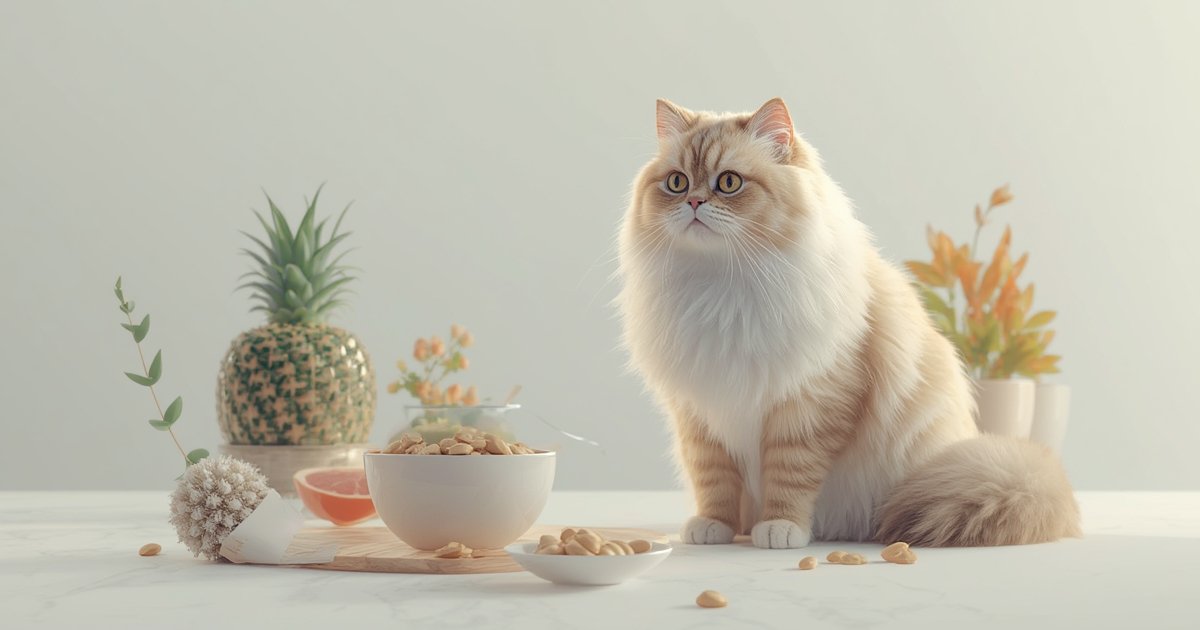
Meta Description: Discover the ultimate guide to Persian Nutrition in 2026. Learn vital tips, choose the best food, and ensure your Persian cat thrives with expert dietary advice.
Understanding the Unique Dietary Needs of Persian Cats
Ensuring your beloved Persian cat thrives in 2026 starts with a deep dive into their unique nutritional requirements. Unlike other breeds, Persians have specific physiological traits that directly impact their dietary needs. Understanding these nuances is the cornerstone of effective Persian Nutrition.
Their luxurious long coat, distinctive brachycephalic (flat) face, and generally less active lifestyle all play a crucial role in shaping the ideal feeding plan. A well-balanced diet tailored to these characteristics isn’t just about sustenance; it’s about promoting their overall health, vitality, and longevity.
Coat Health and Nutrition
The Persian cat’s iconic long, flowing coat requires significant nutritional support to remain healthy, shiny, and free of matting. Protein, specifically animal-based protein, is essential for healthy hair growth. A deficiency can lead to dullness, shedding, and a compromised coat.
Additionally, essential fatty acids, particularly Omega-3 and Omega-6, are vital for skin health, which directly impacts coat quality. These fatty acids help maintain the skin’s barrier function, reducing dryness and flakiness that can contribute to hairball formation. Proper Persian Nutrition actively supports this beautiful feature.
Brachycephalic Challenges and Eating Habits
The flat face of a Persian cat, while adorable, presents unique challenges when it comes to eating. Their shortened jaws and facial structure can make it difficult to pick up and chew certain types of kibble.
This often means that food shape, size, and texture are critical considerations. Larger, crescent-shaped kibble can be easier for them to scoop, while wet food offers a more accessible option. This aspect of their anatomy significantly influences optimal Persian Nutrition choices.
Age and Activity Level Considerations
Just like humans, a Persian cat’s nutritional needs change throughout their life stages. Kittens require more calories and protein for rapid growth, while adult cats need a maintenance diet based on their activity level.
Senior Persians, often less active, may benefit from diets lower in calories but higher in specific nutrients to support joint health and cognitive function. Tailoring Persian Nutrition to their life stage ensures they receive precisely what they need at every point.
Decoding Commercial Cat Food: Wet vs. Dry vs. Raw
Navigating the vast array of commercial cat foods can be daunting. Pet owners often find themselves weighing the pros and cons of dry kibble, wet food, and even raw or homemade diets. Each option presents distinct benefits and potential drawbacks for Persian Nutrition.
The key is to select a high-quality food that meets your cat’s specific requirements, taking into account their preferences, health status, and your lifestyle. A balanced approach might even involve a combination of different food types.
The Case for High-Quality Dry Kibble
Dry kibble is often the most convenient and cost-effective option for many cat owners. Good quality dry food is formulated to be nutritionally complete and balanced. The crunchy texture can also help scrape plaque off teeth, contributing to dental hygiene.
For Persian cats, specific kibble shapes designed for brachycephalic breeds can make eating easier. When choosing dry food, look for options with real meat as the first ingredient and a low percentage of fillers like corn or soy. This forms a solid foundation for daily Persian Nutrition.
Benefits of Wet Food for Hydration
Wet cat food boasts a high moisture content, which is a significant benefit, especially for cats that don’t drink enough water. Adequate hydration is crucial for kidney health and can help prevent urinary tract issues common in felines.
The palatability of wet food often appeals more to picky eaters, and its softer texture is ideal for Persian cats with dental sensitivities or those who struggle with dry kibble. Incorporating wet food is an excellent way to boost overall fluid intake, a critical component of Persian Nutrition.
Exploring Raw or Homemade Diets (with caveats)
Some owners opt for raw or homemade diets, believing they offer a more natural approach to feline nutrition. These diets typically consist of raw meat, organs, and bones, mimicking what a cat would eat in the wild.
While proponents claim benefits like improved coat, energy, and digestion, raw diets carry significant risks of bacterial contamination (e.g., Salmonella, E. coli) for both the cat and household members. Homemade cooked diets require meticulous nutritional balancing to prevent deficiencies or toxicities, often needing consultation with a veterinary nutritionist. This approach to Persian Nutrition is high-risk without expert guidance.
Comparison of Premium Persian Cat Foods
Top Cat Food Options for Persian Nutrition
| Product | Price | Pros | Cons | Best For |
|---|---|---|---|---|
| Royal Canin Persian Adult Dry Food | $40-$60 (6lb bag) | Kibble shape designed for brachycephalic jaws, supports long coat health. | Contains grains, specific protein sources may not suit all allergies. | Adult Persians needing coat and jaw support. |
| Hills Science Diet Adult Hairball Control | $35-$55 (7lb bag) | High fiber to reduce hairballs, balanced nutrition for adults. | Kibble size might be less ideal for some Persians, moderate protein. | Persians prone to hairballs and general wellness. |
| Blue Buffalo Wilderness Chicken Wet Food | $25-$35 (12x 5.5oz cans) | Grain-free, high moisture, rich in animal protein. | More expensive than dry food, can be messy. | Persians needing extra hydration and high-protein, grain-free diet. |
| Instinct Raw Boost Mixers Gut Health | $15-$25 (5.5oz bag) | Adds raw nutrition boost and probiotics, highly palatable. | Supplement, not a complete meal; requires careful handling. | Enhancing existing kibble for gut health and palatability. |
Essential Nutrients for Optimal Persian Nutrition
Understanding the core components of your Persian cat’s diet is critical to ensuring their well-being. Cats are obligate carnivores, meaning their bodies are designed to derive nutrients primarily from animal sources. Their nutritional requirements are distinct from omnivores and herbivores.
A balanced diet for a Persian cat must provide the right proportions of protein, fats, carbohydrates, vitamins, minerals, and water. Each plays a vital role in maintaining their health from nose to tail, contributing to proper Persian Nutrition.
Protein: The Foundation of Feline Health
Protein is paramount for cats, making up the building blocks of muscles, organs, skin, hair, enzymes, and hormones. High-quality animal protein sources like chicken, turkey, fish, and beef are superior to plant-based proteins for felines because they contain the essential amino acids cats need, such as taurine.
Without sufficient, high-quality protein, Persian cats can suffer from muscle wasting, poor coat quality, and a weakened immune system. Aim for diets where meat is the primary ingredient, ensuring robust Persian Nutrition.
Fats: Energy and a Glossy Coat
Fats are a concentrated source of energy for cats and are crucial for the absorption of fat-soluble vitamins (A, D, E, K). Beyond energy, specific fats, like Omega-3 and Omega-6 fatty acids, are indispensable for maintaining healthy skin and a lustrous coat—a signature trait of the Persian.
Omega fatty acids also play a role in reducing inflammation and supporting cognitive function. Look for foods that include sources like fish oil or flaxseed oil to ensure your Persian receives these beneficial fats.
Carbohydrates: Minimal but Important
While not a primary energy source for cats, carbohydrates in small amounts can provide readily available energy and dietary fiber. However, excessive carbohydrates are not necessary and can contribute to weight gain in sedentary Persian cats.
Good carbohydrate sources, when used, include easily digestible options like sweet potato or peas. The focus of Persian Nutrition should always be on animal-based protein and fat, with carbohydrates playing a minor supporting role.
Vitamins and Minerals: Micronutrient Powerhouses
Vitamins and minerals are essential micronutrients that regulate countless bodily functions, from bone health and nerve function to immune response and energy metabolism. A complete and balanced commercial cat food is formulated to provide all necessary vitamins and minerals in the correct ratios.
For example, Vitamin A is crucial for vision, while calcium and phosphorus are vital for strong bones. Supplementing these independently without veterinary guidance can be dangerous, as excesses can be as harmful as deficiencies. Always trust professional formulations for balanced Persian Nutrition.
Fiber: Hairball Management and Digestive Health
Fiber is an often-overlooked component of Persian Nutrition but plays a critical role in digestive health, especially for long-haired breeds prone to hairballs. Dietary fiber helps move ingested hair through the digestive tract, preventing hairball formation and aiding in regular bowel movements.
Sources of fiber include beet pulp, psyllium, and certain vegetables. While beneficial, fiber should be included in moderation, as too much can reduce nutrient absorption. Look for foods specifically designed for hairball control if your Persian struggles with this common issue.
Navigating Supplements and Special Dietary Considerations
While a high-quality, complete, and balanced cat food should meet most of your Persian cat’s nutritional needs, there are instances where supplements or specific dietary adjustments might be beneficial. This is particularly true for addressing common breed-specific issues or supporting overall vitality.
However, it is paramount to consult with your veterinarian before introducing any supplements to your Persian’s diet. Unnecessary supplementation can sometimes do more harm than good, disrupting the delicate balance of their Persian Nutrition.
Omega Fatty Acids for Skin and Coat
Given their magnificent coats, Omega-3 fatty acid supplements are often recommended for Persian cats. These fatty acids, found in fish oil (salmon, sardine, anchovy) or krill oil, are powerful anti-inflammatories and crucial for maintaining healthy skin and a shiny, soft coat.
They can help reduce shedding, prevent dry, flaky skin, and even support joint health. When choosing a supplement, opt for a high-quality, mercury-tested product specifically formulated for pets. This is a common and beneficial addition to comprehensive Persian Nutrition plans.
Probiotics for Digestive Harmony
Just like humans, cats have a complex microbiome in their gut that plays a significant role in digestion, nutrient absorption, and immune function. Probiotics, beneficial bacteria, can help maintain a healthy gut flora, especially after antibiotic use, during periods of stress, or for cats prone to sensitive stomachs.
A healthy gut contributes to better nutrient utilization and can reduce issues like diarrhea or constipation. Discussing probiotic options with your vet can be a valuable step for optimizing your Persian’s digestive health and overall Persian Nutrition.
Addressing Common Persian Cat Health Issues Through Diet
Certain health conditions prevalent in Persian cats can be managed or supported through targeted dietary adjustments. For example:
- Kidney Disease: Diets low in phosphorus and protein can help slow the progression of kidney disease.
- Urinary Tract Issues: Foods formulated to promote specific urine pH levels can help prevent the formation of certain bladder stones.
- Obesity: Lower-calorie, high-fiber diets can aid in weight management for less active or overweight Persians.
Always seek veterinary advice for specific medical conditions. Never attempt to diagnose or treat your cat solely through diet without professional guidance.
Hydration Strategies for Persians
Persian cats, like many felines, don’t always drink enough water directly from a bowl. Dehydration can lead to serious health problems, particularly impacting kidney function. Encouraging adequate water intake is a crucial part of Persian Nutrition.
Strategies include providing multiple water bowls in various locations, using ceramic or stainless steel bowls (some cats dislike plastic), offering filtered water, and investing in a pet drinking fountain, which can entice cats with flowing water. As mentioned, incorporating wet food into their diet is also an excellent way to increase hydration.
Practical Feeding Strategies and Portion Control
Beyond choosing the right food, how and when you feed your Persian cat are equally important aspects of their overall nutrition and health. Establishing a consistent feeding routine and accurately managing portion sizes can prevent common issues like obesity and digestive upset.
These practical strategies are key to maintaining a healthy weight and ensuring your Persian receives all the benefits of their tailored Persian Nutrition plan.
Establishing a Feeding Schedule
Most adult cats thrive on two meals a day, typically once in the morning and once in the evening. This routine helps regulate their metabolism, prevents them from becoming overly hungry, and can reduce begging behaviors.
For kittens, more frequent, smaller meals (3-4 times a day) are usually recommended due to their higher energy needs and smaller stomach capacity. Consistency in timing also helps in monitoring their appetite and identifying any sudden changes, which could indicate a health issue.
Understanding Portion Sizes
Accurate portion control is critical to preventing overfeeding and obesity, which is a common problem in indoor cats, including Persians. The feeding guidelines on cat food packaging are a good starting point, but these are often just averages.
Factors like your cat’s age, activity level, metabolism, and whether they are spayed or neutered will influence their exact caloric needs. Using a digital kitchen scale to measure food accurately is far more precise than relying on measuring cups, ensuring precise Persian Nutrition.
Monitoring Weight and Body Condition
Regularly monitoring your Persian cat’s weight and body condition is essential. You should be able to feel their ribs easily without seeing them, and they should have a discernible waist when viewed from above. Their belly should not sag significantly.
Weighing your cat every few weeks can help you catch weight fluctuations early. If you notice a significant change in weight (either gain or loss), consult your veterinarian, as it could be an indicator of an underlying health problem that requires a review of their Persian Nutrition.
Transitioning Diets Safely
If you decide to change your Persian cat’s food, do so gradually over 7-10 days to avoid digestive upset. A sudden switch can lead to vomiting, diarrhea, or a refusal to eat.
Start by mixing a small amount of the new food with their old food. Gradually increase the proportion of the new food while decreasing the old food over the transition period. This allows their digestive system to adapt slowly, making the change in Persian Nutrition smoother and more comfortable for them.
The journey to a thriving Persian cat in 2026 is paved with informed choices about their nutrition. From understanding their unique physiological needs to selecting the right food and implementing practical feeding strategies, every step contributes to their health and happiness. Prioritizing their Persian Nutrition means investing in their longevity and quality of life. By focusing on high-quality ingredients, ensuring adequate hydration, and considering breed-specific challenges, you empower your feline companion to live their best life. Remember, a well-nourished Persian is a happy Persian, radiating health through their luxurious coat and playful demeanor. Continue to educate yourself and stay proactive in managing their dietary needs.
For personalized advice or specific dietary concerns, always consult with your veterinarian. They are your best resource for tailoring a nutrition plan to your Persian cat’s unique needs.
Frequently Asked Questions (FAQ)
What is the best type of food for a Persian cat?
The best food for a Persian cat is a high-quality, complete, and balanced commercial diet that meets AAFCO nutritional standards. This could be dry kibble designed for brachycephalic breeds, wet food for hydration, or a combination. The key is quality protein sources, appropriate fat content, and specific formulations that support their long coat and unique facial structure.
How often should I feed my Persian cat?
Most adult Persian cats benefit from being fed twice a day, once in the morning and once in the evening. Kittens, however, require more frequent, smaller meals, typically 3-4 times a day, to support their rapid growth and high energy levels.
Are Persian cats prone to any dietary-related health issues?
Yes, Persian cats can be prone to certain issues. Their long coats make them susceptible to hairballs, which can be managed with high-fiber diets. Their brachycephalic faces can make eating certain kibble shapes difficult. They can also be prone to obesity if overfed, and like many cats, are at risk for urinary tract issues if not adequately hydrated.
Do Persian cats need supplements?
A high-quality, balanced cat food should provide all necessary nutrients. However, some Persian cats may benefit from supplements like Omega-3 fatty acids for coat health or probiotics for digestive issues, especially if they have specific health concerns. Always consult your veterinarian before adding any supplements to their diet.
How can I tell if my Persian cat is a healthy weight?
You should be able to easily feel your Persian cat’s ribs without seeing them, and they should have a visible waistline when viewed from above. There should be no significant sagging of the belly. Regular weighing and veterinary check-ups are also crucial for monitoring their body condition and ensuring their Persian Nutrition is adequate.
Leave a Reply