

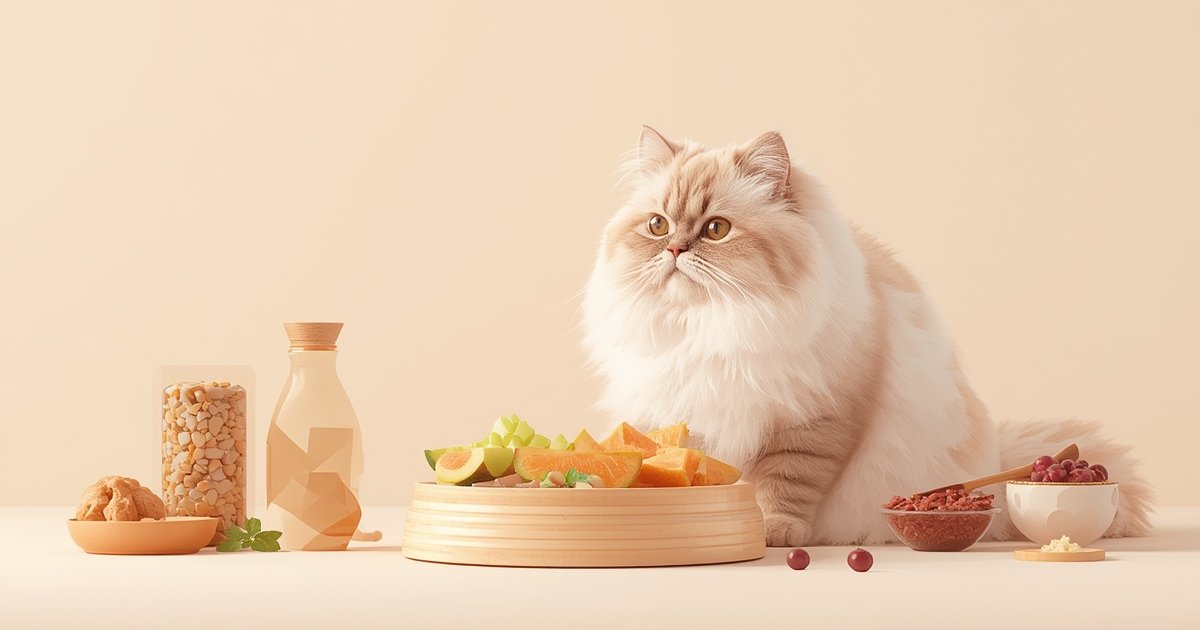
Ensure your Persian cat thrives with optimal Persian nutrition. Discover royal diet tips, food choices, hydration strategies, and health management for a happy, purring companion.
The Unique Nutritional Needs of Persian Cats
Every Persian cat owner knows that their fluffy companion deserves nothing less than a regal lifestyle. Beyond their luxurious coats and captivating eyes, these magnificent felines have specific dietary needs that demand attention. Understanding proper Persian nutrition is paramount to ensuring their long-term health and happiness. A well-balanced diet isn’t just about satisfying hunger; it’s the cornerstone of vitality, preventing common health issues and maintaining that signature Persian purr.
Understanding Breed-Specific Dietary Requirements
Persian cats, with their distinctive features and luxurious coats, have unique requirements that set them apart from other breeds. Their long, dense fur means they are more prone to hairballs, making fiber content in their diet crucial. Furthermore, their somewhat sedentary lifestyle compared to more active breeds means calorie control is often a significant consideration to prevent obesity.
They also have a predisposition to certain genetic health conditions, such as Polycystic Kidney Disease (PKD) and Hypertrophic Cardiomyopathy (HCM), although diet doesn’t cause these, appropriate Persian nutrition can support overall health and potentially mitigate symptoms or progression. A diet rich in high-quality protein and balanced nutrients is essential to support their complex biological systems.
Navigating the Brachycephalic Challenge
One of the most defining features of a Persian cat is its brachycephalic, or “flat,” face. While undeniably charming, this facial structure presents unique challenges when it comes to eating. Their shortened muzzles and underbites can make it difficult to pick up and chew certain types of kibble. This often leads to messy eating habits and sometimes even reduced food intake if the kibble shape isn’t suitable.
Many commercial cat food brands now offer specialized kibble shapes designed for brachycephalic breeds, featuring larger, crescent, or flatter shapes that are easier for Persians to grasp and chew. Ensuring your Persian can comfortably eat their food is the first step in effective Persian nutrition. Without this, even the most nutritionally complete food won’t deliver its full benefits.
Decoding Commercial Cat Food Labels for Optimal Persian Nutrition
Choosing the right commercial cat food can feel like navigating a complex maze. The sheer number of options, coupled with often confusing labels, makes it challenging for owners to make informed decisions. However, understanding what to look for—and what to avoid—is crucial for providing superior Persian nutrition. The goal is to select a food that supports their unique physiology, energy levels, and overall well-being.
Key Ingredients to Seek Out
When examining cat food labels, prioritize ingredients that reflect a cat’s natural carnivorous diet. High-quality animal protein should be the first and most prominent ingredient. Look for named meat sources like “chicken,” “turkey meal,” “salmon,” or “beef.” These provide essential amino acids vital for muscle maintenance, coat health, and immune function.
Healthy fats, such as omega-3 and omega-6 fatty acids, are also incredibly important. Ingredients like fish oil, flaxseed, or chicken fat contribute to a shiny coat, healthy skin, and reduce inflammation. Complex carbohydrates from sources like peas, sweet potatoes, or brown rice can provide sustained energy, but in moderation, as cats are primarily protein-dependent. Additionally, look for added vitamins, minerals, and taurine, an essential amino acid for feline heart and eye health.
Ingredients to Avoid
Just as important as knowing what to include is understanding what to exclude from your Persian’s diet. Avoid foods that list “meat by-products” as the primary ingredient without specifying the source, or those with vague terms like “animal digest.” These often indicate lower-quality protein sources. Artificial colors, flavors, and preservatives, while making food more appealing to humans, offer no nutritional benefit to your cat and can sometimes trigger sensitivities.
Excessive fillers like corn, wheat, or soy should also be avoided. While small amounts may not be harmful, large quantities can reduce the food’s nutritional density and potentially lead to digestive issues or allergies in some sensitive Persians. Sugar and excessive salt also have no place in a healthy feline diet.
Wet vs. Dry Food: A Royal Debate
The discussion about whether to feed wet or dry food often sparks lively debate among cat owners. Both have distinct advantages and disadvantages, and the best approach for optimal Persian nutrition might involve a combination of both. Dry kibble is convenient, helps with dental hygiene by reducing plaque buildup, and can be left out for free-feeding without spoiling quickly.
However, wet food offers superior hydration, which is vital for cats, especially those prone to urinary tract issues. It also tends to be lower in carbohydrates and higher in protein, mimicking a cat’s natural prey diet more closely. Many veterinarians recommend a mix of wet and dry food to combine the benefits of both, ensuring good hydration and dental care while providing a varied and appealing meal.
Comparison of Premium Cat Food Formulations
Selecting the right food for your Persian can be daunting. Here’s a look at some premium options that address common Persian specific needs, focusing on optimal Persian nutrition.
| Product | Price | Pros | Cons | Best For |
|---|---|---|---|---|
| Royal Canin Persian Adult Dry Cat Food | $40-$60 (3.5lb bag) | Kibble designed for brachycephalic jaws, specific nutrients for long coat health. | Higher carb content, some artificial ingredients. | Persians with specific eating challenges and long coat maintenance. |
| Wellness Core Grain-Free Indoor Cat Food (Wet) | $30-$45 (12-pack cans) | High protein, grain-free, excellent hydration, no artificial additives. | Can be more expensive, requires refrigeration once opened. | Persians needing higher protein, better hydration, and sensitive digestion. |
| Blue Buffalo Wilderness Chicken Recipe (Dry) | $35-$55 (5lb bag) | High protein, real meat is first ingredient, includes LifeSource Bits for antioxidants. | Some cats may not like the texture of LifeSource Bits. | Active Persians who benefit from a high-protein, grain-free diet. |
Hydration: The Unsung Hero of Your Persian’s Diet
While the focus often remains on what goes into the food bowl, the importance of proper hydration cannot be overstated, particularly for cats. Felines naturally have a low thirst drive, primarily getting their moisture from prey in the wild. Domesticated cats, especially those on dry kibble diets, often don’t drink enough water, leading to a host of health issues. Adequate hydration is a critical component of holistic Persian nutrition.
The Importance of Clean Water
Clean, fresh water is essential for every bodily function. It aids in digestion, nutrient absorption, temperature regulation, and joint lubrication. For cats, sufficient water intake is vital for kidney health, helping to flush out toxins and prevent the formation of urinary crystals and stones. Persians, like all cats, are susceptible to kidney disease, and ensuring they are well-hydrated is one of the best preventative measures an owner can take.
Changing water daily and scrubbing bowls regularly to prevent bacterial growth are simple steps that make a significant difference. Just as you wouldn’t drink stagnant water, your Persian deserves the best quality water possible.
Encouraging Water Intake
Given their low thirst drive, encouraging your Persian to drink more water often requires a bit of creativity. Here are several effective strategies:
– **Multiple Water Stations:** Place several water bowls throughout your home, ensuring easy access.
– **Water Fountains:** Many cats prefer flowing water, as it mimics a fresh stream and can be more appealing than still water. The sound and movement often intrigue them.
– **Wide, Shallow Bowls:** Some cats dislike their whiskers touching the sides of a bowl. Wide, shallow ceramic or stainless steel bowls are often preferred over deep plastic ones.
– **Flavoring Water:** Occasionally, you can add a small amount of low-sodium chicken broth (ensure no onion or garlic) or tuna water to entice them to drink.
– **Wet Food Incorporation:** As mentioned, feeding wet food significantly increases a cat’s daily water intake and is a cornerstone of good Persian nutrition.
Addressing Common Health Concerns Through Diet
Persian cats, despite their majestic appearance, are prone to certain health issues that can often be managed or even prevented through careful dietary choices. Understanding these common ailments and tailoring their Persian nutrition accordingly is key to keeping them vibrant and healthy. A proactive approach to diet can save your cat from discomfort and you from costly vet visits.
Hairball Management Strategies
The long, luxurious coat of a Persian cat is beautiful but also a source of frequent hairballs. As cats groom themselves, they ingest loose fur, which can accumulate in their digestive tract, leading to vomiting, constipation, or even intestinal blockages. Diet plays a crucial role in mitigating this issue.
Look for cat foods specifically formulated for hairball control. These diets typically contain higher levels of fiber, such as psyllium husk or beet pulp, which help to move ingested hair through the digestive system more smoothly. Omega-3 and omega-6 fatty acids also contribute to coat health, reducing shedding. Regular grooming, including daily brushing, is also indispensable, working hand-in-hand with diet to minimize hairballs.
Combating Obesity and Maintaining a Healthy Weight
Persian cats tend to be less active than some other breeds, making them more susceptible to weight gain. Obesity in cats can lead to a host of serious health problems, including diabetes, arthritis, heart disease, and liver issues. Preventing and managing obesity is a critical aspect of their long-term Persian nutrition plan.
Portion control is paramount. Follow the feeding guidelines on your chosen cat food, but always adjust based on your cat’s individual activity level, age, and metabolism. Consult with your veterinarian to determine your cat’s ideal weight and daily calorie intake. Opt for foods that are lower in calories but high in protein to help maintain muscle mass while losing fat. Regular play sessions, even short ones, can also significantly contribute to weight management.
Dental Health and Diet
Dental disease is one of the most common health problems in adult cats, and Persians are no exception. Plaque and tartar buildup can lead to gingivitis, painful extractions, and even systemic health issues if bacteria from the mouth enter the bloodstream. While nothing replaces professional dental cleanings and at-home brushing, diet can play a supporting role.
Some dry kibbles are specially designed with a larger, more abrasive texture to help scrape plaque off teeth as the cat chews. Look for foods approved by the Veterinary Oral Health Council (VOHC) seal, indicating they meet standards for reducing plaque and tartar. Dental treats can also be a beneficial supplement, but always ensure they are low in calories and appropriate for your cat.
Supplements and Treats: Enhancing the Royal Diet
While a complete and balanced commercial cat food should provide most of the necessary nutrients, there are instances where supplements and treats can judiciously enhance your Persian’s health and happiness. These additions to their Persian nutrition should be carefully chosen and given in moderation, always with a vet’s approval. The goal is to complement, not replace, a foundational healthy diet.
Beneficial Supplements for Persians
– **Omega Fatty Acids:** Fish oil (rich in EPA and DHA) can support skin and coat health, reduce inflammation, and may benefit joint health and cognitive function. This is particularly good for maintaining that luxurious Persian coat.
– **Probiotics:** If your Persian has a sensitive stomach, occasional digestive upset, or is on antibiotics, probiotics can help maintain a healthy gut microbiome, improving digestion and nutrient absorption.
– **Joint Supplements:** For older Persians or those predisposed to arthritis, supplements containing glucosamine and chondroitin can help support cartilage health and reduce joint pain.
– **Hairball Aids:** In addition to fiber in food, some owners use specific hairball pastes or supplements that help lubricate the digestive tract, making it easier for ingested hair to pass.
Always consult your veterinarian before introducing any new supplements to ensure they are appropriate for your cat’s specific health needs and won’t interact negatively with existing conditions or medications.
Healthy Treat Options
Treats should always be given in moderation, making up no more than 10% of your cat’s daily caloric intake to prevent obesity and ensure they don’t displace essential nutrients from their main meals. Choose treats that are high in protein and low in fillers.
– **Freeze-Dried Meat:** These are often single-ingredient and provide a healthy protein boost without artificial additives. Chicken, salmon, or liver are popular choices.
– **Dental Treats:** Look for VOHC-approved dental treats that help clean teeth while providing a tasty reward.
– **Small Pieces of Cooked Lean Meat:** Plain, cooked chicken, turkey, or fish (without bones, skin, or seasonings) can be an occasional, wholesome treat.
– **Catnip:** While not a nutritional treat, catnip can provide enrichment and enjoyment for many Persians.
Avoid human foods that are toxic to cats (like onions, garlic, chocolate, grapes, raisins) and excessive amounts of dairy products, as most cats are lactose intolerant.
Crafting a Tailored Feeding Plan for Your Persian
Every Persian cat is an individual, and while general guidelines for Persian nutrition are helpful, the most effective approach is to create a feeding plan tailored specifically to your cat’s unique needs. This involves considering their age, activity level, health status, and even their preferences. A customized plan ensures optimal health and longevity.
Age-Specific Dietary Adjustments
– **Kittens (0-12 months):** Rapid growth requires a diet high in protein, fat, and calories, along with specific vitamins and minerals for bone and muscle development. Kitten-specific formulas are crucial.
– **Adults (1-7 years):** Maintenance phase. Focus on balanced nutrition that prevents obesity and supports overall health. Adjust portions based on activity level.
– **Seniors (7+ years):** As cats age, their metabolism can slow, and they may experience joint issues, dental problems, or kidney decline. Senior formulas often contain fewer calories, more digestible proteins, and supplements for joint and kidney health.
Regular veterinary check-ups are essential to monitor your Persian’s health and adjust their diet as they transition through life stages.
Monitoring and Adjusting Your Cat’s Diet
Once you’ve established a feeding plan, it’s vital to continually monitor your Persian’s response to their diet. Observe their energy levels, coat condition, stool quality, and overall demeanor. Any changes could indicate that an adjustment to their Persian nutrition is needed.
Regularly weigh your cat to catch any unhealthy weight fluctuations early. If you notice persistent digestive issues, dull coat, lack of energy, or significant weight changes, consult your veterinarian. They can help diagnose any underlying problems and recommend specific dietary changes or supplements to get your Persian back on track. Remember, a consistent and attentive approach to their diet is a cornerstone of responsible pet ownership.
Caring for a Persian cat truly is a royal affair, especially when it comes to their diet. By understanding their unique needs, carefully selecting high-quality foods, ensuring proper hydration, and addressing specific health concerns through tailored Persian nutrition, you can provide the foundation for a long, healthy, and purr-filled life. A well-fed Persian is a happy Persian, radiating health from their luxurious coat down to their playful paws. Take the time to research, consult with your vet, and observe your feline companion, and you’ll be well on your way to mastering the art of the royal diet.
Ready to optimize your Persian’s diet or have more questions about feline nutrition? Don’t hesitate to reach out to our team of experts for personalized advice and recommendations!
Frequently Asked Questions (FAQ)
How often should I feed my Persian cat?
Most adult Persian cats do well with two meals a day, usually morning and evening. Kittens may need 3-4 smaller meals. Free-feeding dry food can work for some, but watch for overeating and obesity.
Can Persian cats eat human food?
While some human foods like plain cooked chicken or fish can be safe in tiny amounts as treats, most human foods are not suitable. Many contain ingredients toxic to cats (onions, garlic, chocolate) or are too high in fat, salt, or spices, leading to digestive upset or serious health problems. Stick to cat-specific foods and treats.
What should I do if my Persian cat is a picky eater?
Persians can be notoriously picky. Try offering a variety of high-quality wet and dry foods to see what they prefer. Ensure their bowls are clean and in a quiet, comfortable location. Avoid changing food too frequently, but if pickiness persists or is accompanied by weight loss, consult your vet to rule out underlying health issues.
How can I tell if my Persian cat is getting enough nutrition?
A well-nourished Persian will have a shiny, healthy coat, clear eyes, good energy levels, firm and consistent stools, and maintain an ideal body weight. Any changes in these indicators could suggest a nutritional imbalance or health problem, and a vet visit is recommended.
Are grain-free diets necessary for Persian cats?
Grain-free diets are not universally necessary for all cats, including Persians, unless they have a diagnosed grain allergy or sensitivity. While cats are carnivores, small amounts of easily digestible grains can provide beneficial nutrients. Focus on high-quality protein and avoid excessive fillers, regardless of whether grains are present.
Leave a Reply