

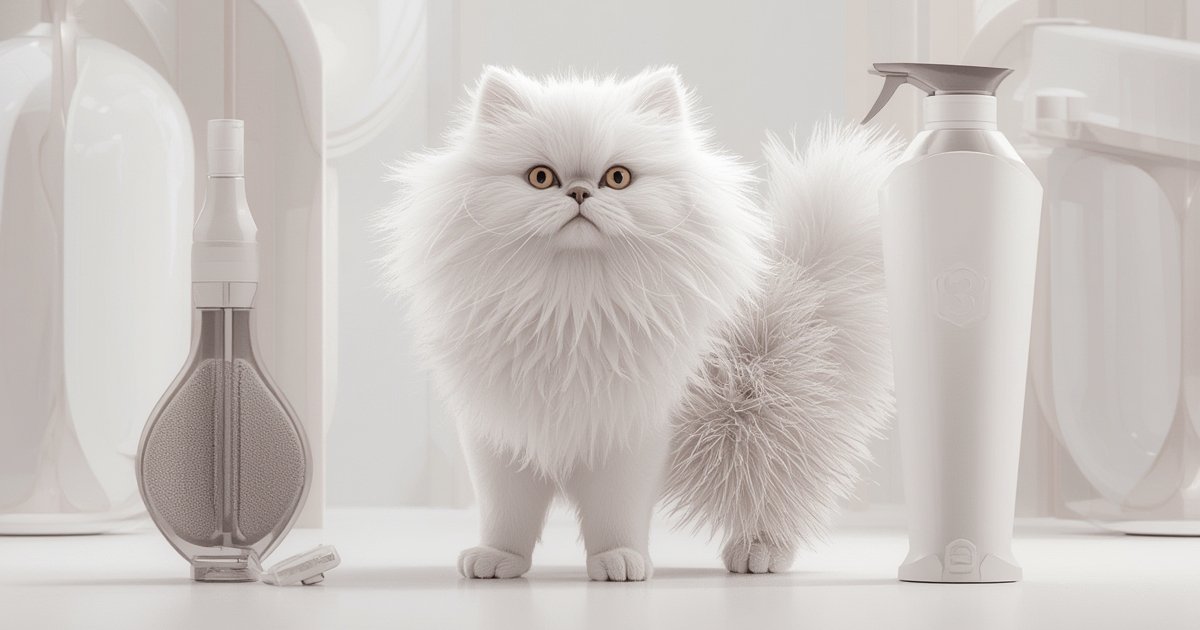
Unlock the secrets to a dazzling coat! Discover ultimate Persian grooming tips for 2026, from daily brushing to tackling mats. Keep your Persian purr-fectly preened!
Understanding Your Persian’s Unique Coat Needs
Persian cats are renowned for their luxurious, long, and dense coats, which are undeniably beautiful but demand a dedicated grooming regimen. This distinctive fur is what makes Persian grooming both a joy and a significant responsibility for their owners. Unlike short-haired breeds, Persians possess a double coat: a soft, downy undercoat and a longer, silkier outer coat. This combination, while stunning, is prone to tangles, mats, and the accumulation of dirt and debris.
The texture and length of a Persian’s fur can vary slightly from one individual to another, but the underlying principle remains the same: regular, consistent care is paramount. Neglecting proper Persian grooming can lead to uncomfortable mats that pull on the skin, skin infections, and even behavioral issues due to discomfort. Understanding these unique needs is the first step towards ensuring your feline companion remains healthy, happy, and stunningly radiant.
Seasonal changes also impact a Persian’s coat. During shedding seasons, typically in spring and fall, the undercoat can become particularly heavy, making daily grooming even more critical to prevent excessive hair ingestion, which can lead to hairballs. By recognizing these specific characteristics, you can tailor your Persian grooming routine to meet their individual requirements and keep their coat in pristine condition year-round.
The Essential Toolkit for Flawless Persian Grooming
Equipping yourself with the right tools is fundamental to successful Persian grooming. Trying to manage a long, dense coat with inadequate brushes or combs can be frustrating for both you and your cat, potentially leading to painful tugging and a negative grooming experience. Investing in high-quality, specialized tools will make the process smoother, more efficient, and more enjoyable for your Persian.
A well-stocked grooming kit is not just a convenience; it’s a necessity for maintaining the health and beauty of your Persian’s coat. From brushes designed to penetrate the dense undercoat to gentle shampoos that won’t strip natural oils, each item plays a crucial role. Ensuring your tools are clean and in good condition is also important for hygiene and effectiveness. Let’s delve into the specific types of tools that form the backbone of an effective Persian grooming strategy.
Brushes and Combs for Daily Maintenance
Daily brushing is the cornerstone of any effective Persian grooming routine. It helps distribute natural oils, remove loose hair, prevent mats, and stimulate blood circulation. Choosing the right types of brushes and combs is vital for tackling their unique double coat.
- Slicker Brush: This brush features fine, short wires packed closely together on a flat or curved surface. It’s excellent for removing loose hair from the undercoat and detangling minor knots without damaging the topcoat. Use it gently, moving in the direction of hair growth.
- Metal Comb (Wide-toothed and Fine-toothed): A good quality stainless steel comb is indispensable. Start with the wide-toothed end to work through tangles and mats, then switch to the fine-toothed end to ensure no small knots are missed, especially around the face, legs, and tail. Always comb through the entire length of the fur, reaching down to the skin.
- Pin Brush: With widely spaced, rubber-tipped pins, this brush is ideal for the longer outer coat, providing a gentle massage and helping to smooth and finish the coat. It’s not as effective for deep detangling but great for general grooming and distributing conditioner.
Regular use of these tools, perhaps a combination of a slicker brush followed by a metal comb, will keep your Persian’s coat free from mats and looking its best. Consistency is key, even if your cat is initially resistant. Short, positive grooming sessions can build trust over time.
Shampoos and Conditioners for a Luminous Shine
While daily brushing is crucial, regular bathing is also an essential part of comprehensive Persian grooming. Persian cats should be bathed every 4-6 weeks, or more frequently if they get particularly dirty, to keep their coat clean, free of grease, and prevent skin issues. Special care must be taken when selecting bathing products.
- Hypoallergenic Shampoo: Look for shampoos specifically formulated for cats, ideally those that are hypoallergenic, tearless, and pH-balanced. Avoid human shampoos, which can be too harsh and strip essential oils from their skin and coat.
- Detangling Conditioner: After shampooing, a good detangling conditioner designed for long-haired cats will help soften the fur, making it easier to comb through and preventing future mats. Leave it on for a few minutes as per product instructions before rinsing thoroughly.
- Degreasing Shampoo (Optional): For particularly oily coats, especially around the tail, a degreasing shampoo can be used as a pre-wash treatment. Be sure to follow up with a regular moisturizing shampoo and conditioner to avoid drying out the skin.
The quality of your bathing products significantly impacts the health and appearance of your Persian’s coat. Choose reputable brands known for pet-safe ingredients to ensure your cat’s skin and fur receive the best care during their Persian grooming bath.
Specialized Grooming Gadgets and Innovations
Beyond the basics, several specialized tools can make Persian grooming easier and more effective, especially for owners dealing with specific challenges or looking for salon-quality results at home. These modern innovations often provide solutions that traditional tools cannot.
From silent clippers for delicate areas to powerful, pet-specific dryers, these gadgets are designed with the unique needs of long-haired breeds in mind. They can save time, reduce stress for your cat, and help you achieve a more polished look. Consider these additions to elevate your Persian grooming toolkit.
Comparison of Top Grooming Dryers for Persians
| Product | Price | Pros | Cons | Best For |
|---|---|---|---|---|
| Pet Grooming Force Dryer XPro | $250 | Powerful airflow, cuts drying time by 70%, multiple nozzle attachments. | Can be loud, requires acclimation for sensitive cats. | Owners needing quick, efficient drying for thick coats. |
| WhisperDry Pet Dryer System | $180 | Extremely quiet operation, adjustable heat and speed, gentle on pets. | Less powerful than force dryers, longer drying time for very dense coats. | Anxious cats, new groomers, small to medium Persians. |
| Portable Pet Blow Dryer & Brush | $75 | 2-in-1 design (dryer and brush), lightweight, ideal for touch-ups. | Lower wattage, not suitable for full drying of extremely dense coats. | Travel, quick touch-ups, drying specific areas after spot cleaning. |
Other specialized tools might include deshedding tools, specifically designed to reach deep into the undercoat and remove loose hair more effectively than a standard brush, and thinning shears for blending and shaping. Always research and read reviews before investing in new grooming technology to ensure it’s suitable for your Persian’s specific coat type and temperament.
Mastering the Art of Bathing Your Persian
Bathing a Persian cat can seem daunting, but with the right technique and a calm approach, it can become a routine part of their Persian grooming. The goal is to make the experience as stress-free as possible for your cat, which often means starting early and being consistent.
Before you begin, ensure you have all your supplies ready: shampoo, conditioner, towels, cotton balls for ears, and maybe a non-slip mat for the tub. A lukewarm water temperature is crucial. Never use hot or cold water, as this can shock or chill your cat. Remember that patience and positive reinforcement are your best allies throughout the entire bathing process.
Here’s a step-by-step guide to bathing your Persian:
- Pre-bath Prep: Thoroughly brush your cat to remove any loose fur and small mats. This is critical; water will only tighten existing mats, making them impossible to remove without cutting. Place cotton balls gently into your cat’s ears to prevent water from entering, and consider applying a drop of mineral oil to their eyes for protection.
- Wet the Coat: Gently place your cat in a tub or large sink with a few inches of lukewarm water. Use a handheld sprayer or a small cup to slowly and thoroughly wet their entire coat, avoiding their face. Speak in a soothing voice to keep them calm.
- Shampoo Application: Apply a small amount of cat-specific shampoo, working it into a lather. Focus on areas that tend to get dirtiest, like the tummy and paws. Be gentle and massage the shampoo into the coat, ensuring you reach the skin. Avoid harsh scrubbing.
- Rinse Thoroughly: This is arguably the most important step. Rinse the shampoo out completely. Any residue can irritate the skin and make the coat feel sticky, leading to tangles. Continue rinsing until the water runs clear and the fur feels squeaky clean.
- Conditioner (Optional but Recommended): Apply a cat conditioner, especially one designed for long-haired breeds. Leave it on for the recommended time, then rinse thoroughly. Conditioner helps detangle and moisturize, leaving the coat soft and shiny.
- Initial Drying: Once rinsed, gently squeeze excess water from the coat. Wrap your cat immediately in a large, absorbent towel. Dab and gently rub rather than vigorous scrubbing, which can cause tangles. Repeat with a second dry towel if needed.
- Blow Drying: For Persians, blow drying is essential to prevent mats and ensure they don’t get cold. Use a pet-specific dryer on a low, cool setting. Keep the dryer moving to avoid overheating any one spot. Brush through the fur as you dry to separate the hairs and ensure they dry straight and fluffy. Make sure your cat is completely dry, down to the skin, before allowing them to air dry further.
Positive reinforcement with treats and praise during and after the bath can help create a more positive association with this vital aspect of Persian grooming. Remember, a calm owner often leads to a calmer cat.
Tackling Mats and Tangles: A Gentle Approach to Persian Grooming Challenges
Mats and tangles are arguably the biggest challenge in Persian grooming. Their dense double coat, combined with their sometimes sedentary nature, makes them highly susceptible to matting. Ignoring mats will only lead to them growing larger, tighter, and more painful, potentially requiring professional intervention.
Prevention is always better than cure when it comes to mats. Daily brushing is your primary defense. However, even with diligent care, mats can still occur, especially in areas like the armpits, behind the ears, on the belly, and around the “britches.” Addressing them promptly and gently is crucial for your cat’s comfort and health.
Here’s how to approach mats and tangles in your Persian’s coat:
- Assess the Mat: Determine the size and tightness of the mat. Small, loose tangles can often be worked out with a wide-toothed comb. Large, tight mats that are close to the skin may require more specialized tools or professional help.
- Use a Detangling Spray: Apply a good quality detangling spray or conditioning product specifically designed for cats to the mat. This helps lubricate the hair and makes it easier to separate the strands. Let it sit for a few minutes.
- Finger Teasing: Gently try to pull apart the mat with your fingers, working from the outer edges inward. Be extremely careful not to pull on the skin. This step helps loosen the mat before you bring in any tools.
- Working with a Comb: Once the mat is somewhat loosened, use the wide-toothed end of a metal comb. Hold the fur at the base of the mat, close to the skin, to prevent pulling on the cat’s skin. Carefully work the comb through the mat, a few strands at a time, moving outwards. Patience is paramount here.
- Mat Splitter (Use with Caution): For stubborn mats, a mat splitter (a tool with a razor blade designed to cut through mats) can be used. However, this tool requires extreme caution. Never use it near sensitive areas or if you’re not confident. It’s easy to cut the skin underneath the mat, which can be thin and fragile.
- Clipping (Last Resort): If a mat is too tight, too large, or too close to the skin to be safely combed out, clipping it out is the safest option. Use pet-specific clippers with a blunt safety blade. Always slide a comb between the mat and the skin to act as a barrier before clipping. If you’re unsure, or if the mat is very large or extensive, it’s always best to consult a professional groomer or veterinarian.
Never use scissors to cut out mats, as it’s incredibly easy to accidentally cut your cat’s skin, leading to injury and a trip to the vet. If matting becomes a recurring or severe issue, consider a “lion cut” from a professional groomer, which involves shaving down the body fur to allow it to grow back fresh and mat-free. This can be a reset button for challenging Persian grooming situations.
Beyond the Brush: Diet, Health, and Professional Care
While hands-on Persian grooming is critical, a truly healthy and shiny coat reflects overall well-being. Diet, general health, and knowing when to seek professional help are integral parts of maintaining your Persian’s magnificent appearance.
The Role of Nutrition in Coat Health
A high-quality diet is fundamental to a healthy coat. Cats require specific nutrients, including essential fatty acids like Omega-3 and Omega-6, to maintain skin hydration and coat luster. Look for premium cat foods that list real meat as the first ingredient and are specifically formulated for feline health.
- Omega Fatty Acids: Supplements like fish oil or flaxseed oil, under veterinary guidance, can significantly improve coat health, making it softer and less prone to dryness and breakage.
- Biotin and Vitamins: Certain vitamins and minerals, such as biotin and B vitamins, also contribute to healthy skin and hair growth. Ensure your cat’s diet is complete and balanced.
- Hydration: Adequate water intake is essential for overall health, including skin and coat. Encourage drinking by offering fresh water daily, using ceramic or stainless steel bowls, or even a pet water fountain.
Regular Health Checks
Underlying health issues can manifest in poor coat condition. Excessive shedding, dull fur, flaky skin, or sudden matting can sometimes be indicators of allergies, parasites, hormonal imbalances, or other medical conditions. Regular veterinary check-ups are crucial for catching and addressing these issues early.
- Parasite Control: Fleas, ticks, and mites can cause skin irritation, scratching, and subsequent matting. Maintain a regular parasite prevention program recommended by your vet.
- Dental Health: While seemingly unrelated, poor dental health can affect a cat’s overall well-being, potentially leading to a lack of appetite and a decline in grooming habits.
- Weight Management: Overweight or arthritic cats may struggle to groom themselves thoroughly, leading to mats in hard-to-reach areas. Maintaining a healthy weight is vital for their ability to self-groom.
When to Seek Professional Grooming Services
Even the most dedicated owner might encounter situations where professional Persian grooming is necessary. Professional groomers have specialized tools, expertise, and facilities to handle challenging coats or specific needs.
- Severe Matting: If your Persian develops severe, widespread matting, attempting to remove it yourself can be painful and risky. A professional groomer can safely shave down the coat, providing a fresh start.
- Shedding Services: Professional deshedding treatments can significantly reduce shedding, especially during seasonal changes, helping to maintain a healthier coat and less hair around the house.
- Difficult Temperaments: Some cats simply do not tolerate extensive home grooming. A professional groomer, experienced in handling various cat temperaments, can provide necessary services with less stress.
- Regular Maintenance: Many owners choose to incorporate professional grooming into their routine for regular baths, trims, and nail clipping, complementing their home Persian grooming efforts.
Professional groomers can also offer advice tailored to your cat’s specific coat type and condition, enhancing your knowledge and skills for home care. Don’t hesitate to consult them as a valuable resource in your Persian grooming journey.
Keeping Your Persian Purr-fect: Daily Routines and Long-Term Strategies
Successful Persian grooming is less about heroic efforts and more about consistent, daily routines that prevent major issues from developing. Establishing a predictable schedule not only keeps your cat looking their best but also strengthens your bond and allows for early detection of any health concerns.
The foundation of long-term coat health lies in integrating grooming into your cat’s daily life from a young age. This helps them become accustomed to the process, making it a pleasant experience rather than a dreaded chore. Remember, a well-groomed Persian is a happy and comfortable Persian.
Establishing a Daily Grooming Schedule
Consistency is key to maintaining a Persian’s coat. A few minutes of grooming each day is far more effective than an hour-long session once a week.
- Morning or Evening Brush: Choose a time when your cat is relaxed, perhaps after a meal or a nap. Use a slicker brush and metal comb to gently work through their coat, paying attention to common matting areas.
- Eye and Nose Cleaning: Persians are prone to tear staining and nasal discharge due to their brachycephalic (flat) faces. Gently wipe their eyes and nose daily with a soft, damp cloth or a specialized pet wipe to prevent buildup and irritation.
- Paw Pad and Sanitary Trims: Regularly check and trim the fur between their paw pads to prevent slipping and debris accumulation. A sanitary trim around their rear end helps keep them clean and hygienic, preventing fecal matter from clinging to their long fur. This can be done with blunt-nosed scissors or small clippers.
- Ear Checks: Weekly, gently wipe the outer ear flaps with a veterinarian-approved ear cleaner on a cotton ball. Look for any signs of redness, odor, or excessive wax, which could indicate an ear infection. Never insert anything into the ear canal.
- Nail Trims: Trim your Persian’s claws every 2-4 weeks using cat-specific nail clippers. Be careful to only clip the tip, avoiding the quick (the pink part), which contains blood vessels and nerves. If unsure, ask your vet or groomer for a demonstration.
These small, consistent actions are what define effective Persian grooming and prevent minor issues from escalating into major problems. Make these routines a positive experience with treats and praise, building a strong, trusting relationship with your feline friend.
Long-Term Strategies for a Lifetime of Luster
Beyond the daily tasks, thinking strategically about your Persian’s grooming needs over their lifetime can ensure continued health and beauty.
- Early Socialization to Grooming: Start handling and grooming your Persian kitten from a very young age. This helps them get used to the touch and the tools, making grooming less stressful as they grow.
- Environment Control: Minimize exposure to dirt, burrs, and other mat-inducing elements. Keeping your Persian indoors and providing a clean living environment can reduce the frequency of intense grooming sessions.
- Regular Vet Check-ups: Annual or bi-annual veterinary visits are essential for overall health, which directly impacts coat condition. Your vet can advise on diet, supplements, and address any skin or coat issues.
- Professional Grooming Partnership: Develop a relationship with a trusted professional groomer. They can provide specialized services, offer advice, and be a valuable partner in your Persian grooming efforts.
- Patience and Positive Reinforcement: Always approach grooming with patience and a positive attitude. Reward your cat with treats, praise, and gentle petting after each session. This reinforces that grooming is a positive interaction, not a punishment.
By combining daily attention with a thoughtful long-term strategy, you can ensure your Persian not only shines with a magnificent coat but also enjoys a comfortable, healthy, and happy life. The effort invested in consistent Persian grooming pays dividends in your cat’s well-being and the joy they bring to your home.
Mastering the art of Persian grooming is a continuous journey that yields immense rewards, not just in the stunning appearance of your cat, but in their overall health and happiness. From understanding their unique coat to employing the right tools and techniques, every step contributes to their well-being. Remember that patience, consistency, and a loving approach are your most powerful tools. By integrating these ultimate grooming secrets into your routine, you’re ensuring your Persian will continue to radiate health and beauty for years to come. Don’t wait to give your beloved companion the pampering they deserve.
For more personalized advice or to explore advanced grooming techniques, consider consulting a certified feline groomer or your veterinarian. They can provide tailored guidance based on your Persian’s specific needs and temperament.
Frequently Asked Questions (FAQ)
How often should I groom my Persian cat?
Daily brushing for at least 10-15 minutes is recommended to prevent mats and remove loose hair. Full baths should be given every 4-6 weeks, or as needed, using cat-specific shampoos and conditioners.
What are the most common areas for mats on a Persian cat?
Mats most commonly form in areas of friction or movement, such as behind the ears, under the armpits, on the belly, in the “britches” area around the hind legs, and on the tail. Regular checks in these spots are crucial.
Can I use human shampoo on my Persian cat?
No, you should never use human shampoo on a cat. Human shampoos are formulated for a different pH level than cat skin and can be too harsh, stripping natural oils and leading to dryness, irritation, or skin issues. Always use cat-specific, pH-balanced products.
Is it normal for Persians to shed a lot?
Yes, Persians are heavy shedder, especially during seasonal changes in spring and fall. Daily brushing is essential to manage this shedding and prevent hairballs and matting. A good diet and professional deshedding treatments can also help.
When should I take my Persian to a professional groomer?
Consider a professional groomer for severe matting that you cannot safely remove, for regular deep cleaning and deshedding, for specialized trims like lion cuts, or if your cat has a temperament that makes home grooming difficult. They have the expertise and tools to handle challenging situations.
Leave a Reply