

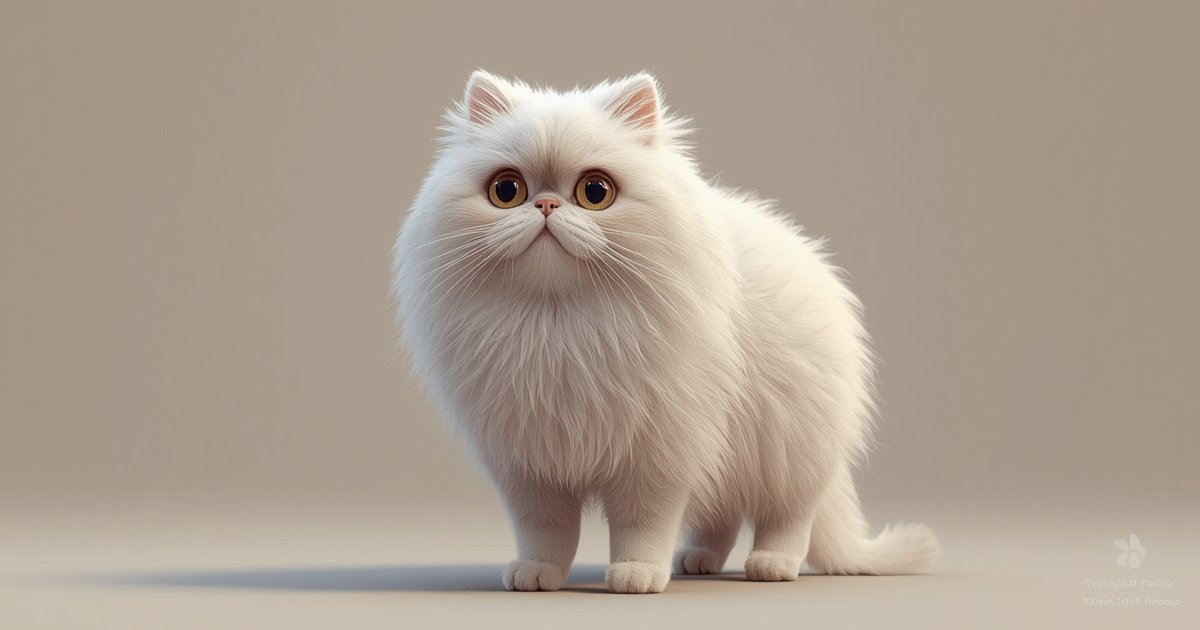
Master Persian grooming for a healthy, happy cat in 2026. This guide offers essential tips, tools, and step-by-step advice to keep your Persian’s coat magnificent.
Embracing the Majesty: Why Persian Grooming is Non-Negotiable
The elegance of a Persian cat is undeniable, a living, breathing work of art with its opulent, flowing coat. However, this magnificent mane doesn’t maintain itself. Proper Persian grooming isn’t just about aesthetics; it’s a critical component of your cat’s health and well-being. Neglecting their distinctive long hair can lead to painful mats, skin infections, and digestive issues from excessive hairballs.
As we head into 2026, understanding the nuances of dedicated Persian grooming becomes even more crucial. With new tools and techniques constantly emerging, staying informed ensures your feline companion remains comfortable, healthy, and stunning. This guide will walk you through everything you need to know to keep your Persian’s coat in pristine condition, transforming what might seem like a chore into a rewarding bonding experience.
Understanding the Persian Cat’s Unique Coat Structure
A Persian cat’s coat is truly a marvel, but it comes with specific needs. Their long, dense, double coat consists of a soft, downy undercoat and a longer, coarser outer coat. This combination, while beautiful, is a magnet for tangles and mats.
The sheer volume and texture of their fur mean that daily attention is not just recommended, but essential. Without consistent brushing, loose hair quickly intertwines, creating knots that can pull on their skin, causing discomfort and potentially leading to serious skin problems. Understanding this unique coat is the first step towards effective Persian grooming.
The Double-Coat Dilemma
The undercoat is soft and traps dead hair, while the guard hairs are longer and silkier. This duality makes it incredibly prone to matting, especially in high-friction areas like behind the ears, armpits, and around the tail. Regular brushing helps remove loose hair from both layers, preventing it from binding together.
Humidity and seasonal changes can also impact the coat. During shedding seasons, the undercoat can become particularly dense, increasing the risk of matting. Being proactive with your Persian grooming routine during these times is vital to keep their coat healthy and tangle-free.
Essential Daily Routine for Impeccable Persian Grooming
Consistency is the cornerstone of successful Persian grooming. A little effort each day goes a long way in preventing major issues and making the overall grooming process much more enjoyable for both you and your cat. Establish a routine early on, and your Persian will quickly learn to tolerate, and even enjoy, their daily pampering session.
Daily Brushing Techniques
Brushing should be a daily ritual, ideally for 10-15 minutes. Start by gently untangling any small knots with your fingers. Use a wide-toothed comb first to work through the top layers, then a slicker brush to remove loose hair from the undercoat. Finish with a metal comb to ensure you’ve reached down to the skin, checking for any hidden mats.
Always brush in the direction of hair growth, being extra gentle around sensitive areas like the belly and hind legs. Regular brushing not only prevents mats but also distributes natural oils, keeping the coat shiny and healthy. This consistent effort is a key part of effective Persian grooming.
Eye and Ear Care
Persian cats are known for their distinctive flat faces, which can lead to increased tear staining. Daily cleaning of the tear ducts and surrounding fur is essential. Use a soft, damp cloth or a specialized pet eye wipe to gently clean away any discharge. Ignoring these stains can lead to skin irritation and discoloration.
Similarly, check your Persian’s ears weekly. Look for any redness, unusual odors, or excessive wax buildup. Use a veterinarian-approved ear cleaner and cotton balls to gently wipe the visible parts of the ear. Never insert anything into the ear canal, as this can cause damage.
Nail Trimming
Regular nail trims are crucial for your Persian’s comfort and health. Overgrown nails can snag, break, or even grow into their paw pads, causing pain and infection. Aim to trim their nails every 2-4 weeks. Use sharp, cat-specific nail clippers.
Hold your cat gently but firmly, and only snip the very tip of the nail, avoiding the quick (the pink part containing blood vessels and nerves). If you’re unsure, ask your vet or a professional groomer for a demonstration. Making this a regular part of your Persian grooming routine will keep your cat’s paws healthy.
The Bathing Ritual: A Comprehensive Guide
Bathing a Persian cat can seem daunting, but it’s a necessary part of their long-term health and hygiene, especially if they are prone to getting dirty or oily. Aim to bathe your Persian every 4-6 weeks, or as needed. Proper preparation and technique can make the experience less stressful for both of you.
Preparation is Key
Before even thinking about water, brush your Persian thoroughly. Any mats that get wet will tighten and become almost impossible to remove. Have all your supplies ready: cat-specific shampoo and conditioner, towels, a non-slip mat for the tub, and cotton balls for their ears.
Ensure the bathroom is warm and free of drafts. A calm environment will help keep your cat relaxed. You might consider placing a treat nearby as a positive reinforcement.
Step-by-Step Bathing Process
1. **Water Temperature:** Fill the tub with a few inches of lukewarm water – not too hot, not too cold.
2. **Wet Gently:** Slowly introduce your cat to the water. Use a cup or a sprayer with a gentle setting to thoroughly wet their coat, starting from the neck down, avoiding the face.
3. **Shampoo:** Apply a small amount of cat-specific shampoo, working it into a lather. Focus on areas that tend to get dirtier, like the belly, paws, and under the tail. Be gentle and avoid getting shampoo in their eyes or ears (use cotton balls for ear protection).
4. **Rinse Thoroughly:** This is crucial. Residue left behind can irritate the skin and attract dirt. Rinse until the water runs clear, ensuring no suds remain.
5. **Condition:** Apply a cat-specific conditioner, letting it sit for the recommended time before rinsing thoroughly again.
6. **Towel Dry:** Gently squeeze excess water from their coat. Wrap your Persian in a clean, absorbent towel and pat them dry. Avoid vigorous rubbing, which can cause tangles.
7. **Blow Dry (Optional):** If your cat tolerates it, use a pet-specific low-heat blow dryer. Keep the dryer moving and never use high heat, as it can burn their delicate skin. Comb through the fur as you dry to prevent tangles and ensure thorough drying. Make sure they are completely dry to prevent skin issues.
Essential Grooming Tools for Your Persian
Having the right tools makes all the difference in your Persian grooming efforts. Investing in quality products can save you time, reduce stress for your cat, and lead to better results. From brushes to shampoos, each item plays a vital role.
Must-Have Brushes and Combs
– **Slicker Brush:** Essential for removing loose hair from the undercoat and detangling minor knots. Choose one with fine, bent wire bristles.
– **Metal Comb (Wide-toothed and Fine-toothed):** A wide-toothed comb is great for initial detangling, while a fine-toothed comb helps check for fleas and works through smaller tangles.
– **Pin Brush:** Useful for general brushing and smoothing the topcoat without pulling.
– **Dematter Tool/Stripping Comb:** For carefully cutting through stubborn mats. Use with extreme caution.
Shampoos and Conditioners
Always use products specifically formulated for cats. Human shampoos have a different pH balance and can irritate their skin. Look for:
– **Hypoallergenic formulas:** Good for sensitive skin.
– **De-shedding shampoos:** Can help reduce shedding during peak seasons.
– **Whitening shampoos:** For white or light-colored Persians prone to staining.
– **Conditioners:** Essential for softening the coat and making it easier to comb.
Other Useful Tools
– **Nail Clippers:** Scissor-style or guillotine-style, whichever you find easier to use.
– **Styptic Powder:** To quickly stop bleeding if you accidentally cut the quick during nail trimming.
– **Pet Wipes:** Convenient for quick clean-ups around the eyes or paws.
– **Hair Dryer (Pet-specific):** Low heat settings are crucial.
– **Grooming Table:** Optional, but can make the process easier on your back and keep your cat contained.
Comparison of Top Persian Grooming Tools (2026 Edition)
Selecting the right tools is paramount for effective Persian grooming. Here’s a look at some popular and highly-rated products that can make your routine smoother and more effective.
| Product | Price | Pros | Cons | Best For |
|---|---|---|---|---|
| Hertzko Self-Cleaning Slicker Brush | $15-$20 | Retractable bristles for easy hair removal; gentle on skin; ergonomic handle. | May not reach very dense undercoats as effectively as some specialty brushes. | Daily brushing, removing loose hair, preventing surface mats. |
| Safari De-matting Comb | $10-$15 | Sharp, serrated blades safely cut through tough mats without pulling. | Requires careful handling to avoid accidental cuts; not for beginner groomers. | Targeted mat removal, especially for stubborn tangles in thick fur. |
| Chris Christensen Big G Slicker Brush | $60-$75 | Extra-long pins penetrate deeply into dense coats; minimizes brushing time; durable. | High price point; can be too large for small kittens or hard-to-reach areas. | Professional-level daily grooming, deep coat penetration, reducing static. |
| Wahl Pet-Friendly No Rinse Waterless Shampoo | $8-$12 | Convenient for quick clean-ups between baths; pleasant scent; no water needed. | Not a substitute for a full bath; may leave a slight residue on very dense coats. | Spot cleaning, refreshing coat, quick touch-ups for cats averse to water. |
Tackling Common Grooming Challenges
Despite your best efforts, certain challenges can arise with Persian grooming. Being prepared to handle these common issues can prevent them from escalating into bigger problems.
Dealing with Mats and Tangles
Mats are the bane of every Persian owner’s existence. The key is prevention through daily brushing. If you find a mat, do not pull or try to forcefully brush it out, as this will hurt your cat.
– **Small Mats:** Try to gently tease them apart with your fingers or the wide-toothed end of a metal comb. Use a detangling spray to help loosen the hair.
– **Stubborn Mats:** For larger, tighter mats, a dematter tool or an electric shaver (with a #10 blade and extreme caution) might be necessary. Always use a guard and shave *under* the mat, parallel to the skin, never cutting towards the skin. If you’re unsure or the mat is close to the skin, it’s always best to seek professional help to avoid injury.
Managing Tear Stains
Tear stains are almost inevitable with a Persian cat due to their brachycephalic (flat) facial structure. The constant moisture can lead to yeast and bacterial growth, causing reddish-brown discoloration.
– **Daily Cleaning:** Use a soft cloth dampened with warm water or a pet-specific tear stain remover to gently wipe the area around their eyes every day.
– **Diet:** Some owners report that certain diets can reduce tear staining. Consult your vet about potential dietary changes or supplements like probiotics.
– **Professional Advice:** If stains are severe or accompanied by irritation, consult your veterinarian to rule out underlying medical conditions or blocked tear ducts.
Shedding Management
Persians are heavy shedding cats, especially during seasonal changes. While you can’t stop shedding, you can manage it.
– **Increased Brushing:** During shedding season, increase your brushing frequency to twice a day. This removes loose hair before it can form mats or end up on your furniture.
– **De-shedding Tools:** Specialized de-shedding tools can help remove a significant amount of loose undercoat. Use them sparingly and gently to avoid irritating the skin.
– **Dietary Supplements:** Omega-3 and Omega-6 fatty acid supplements can improve coat health and potentially reduce excessive shedding. Always consult your vet before adding supplements to your cat’s diet.
When to Seek Professional Grooming Assistance
While DIY Persian grooming is highly encouraged, there are times when professional help is the best course of action. Knowing when to call in the experts can save you stress and ensure your cat receives the best possible care.
Signs You Need a Professional Groomer
– **Severe Matting:** If your cat has extensive, tight matting close to the skin, especially in sensitive areas, a professional groomer is equipped to safely remove them without causing pain or injury. Attempting to cut out large mats yourself can be dangerous.
– **Cat’s Temperament:** If your Persian is highly resistant, aggressive, or extremely anxious during grooming sessions, a professional groomer might have specialized techniques or equipment (like calming aids recommended by a vet) to make the experience safer and less stressful.
– **Lack of Time/Skill:** If you genuinely don’t have the time to commit to the daily grooming required, or if you feel overwhelmed by the task, a professional can maintain your cat’s coat on a regular schedule.
– **Special Needs:** Older cats, cats with health conditions, or those recovering from surgery may require a gentler, more experienced touch.
Benefits of Professional Grooming
– **Expertise:** Professional groomers have extensive knowledge of different coat types and breeds, ensuring proper techniques for your Persian’s specific needs.
– **Specialized Tools:** They have access to industrial-grade clippers, dryers, and shampoos that can handle the toughest coats.
– **Health Check:** A good groomer often spots health issues like skin conditions, lumps, or parasites that might otherwise go unnoticed.
– **Stress Reduction:** For cats that genuinely dislike grooming, a professional might be able to get the job done more quickly and efficiently, reducing the overall stress on the cat.
Regular professional grooming can complement your home routine, ensuring your Persian stays in top condition. Discuss your at-home routine with the groomer so they can tailor their services to your cat’s specific requirements.
The journey of Persian grooming is a continuous one, but it’s incredibly rewarding. By understanding your cat’s unique needs, establishing a consistent routine, and arming yourself with the right tools and knowledge, you can ensure your beloved Persian lives a comfortable, healthy, and undoubtedly majestic life. Remember, a well-groomed Persian is a happy Persian, and the bond you build through these dedicated moments of care is truly priceless.
Feel free to connect with our expert team at Dax AI if you have further questions or need personalized advice on your pet’s care journey.
Frequently Asked Questions (FAQ)
How often should I brush my Persian cat?
Ideally, a Persian cat should be brushed daily for 10-15 minutes. Their long, dense double coat is highly prone to matting, and daily brushing helps remove loose hair, prevents tangles, and distributes natural oils for a healthy, shiny coat.
What kind of brush is best for Persian cats?
A combination of brushes works best. Start with a wide-toothed metal comb for initial detangling, then use a slicker brush to remove loose undercoat hair. A fine-toothed metal comb helps check for smaller knots and fleas, and a pin brush can smooth the topcoat.
How often should I bathe my Persian cat?
Persian cats generally benefit from a bath every 4-6 weeks, or more frequently if they get particularly dirty or have oily skin. Ensure you use cat-specific shampoo and conditioner and dry their coat completely to prevent skin issues.
Is it okay to use human shampoo on my Persian cat?
No, it is not recommended to use human shampoo on your Persian cat. Human shampoos have a different pH balance than cat skin and can cause dryness, irritation, or other skin problems. Always use shampoos and conditioners specifically formulated for felines.
What should I do if I find a mat in my Persian’s fur?
For small mats, gently try to tease them apart with your fingers or a wide-toothed comb, possibly using a detangling spray. For larger, tighter mats, do not pull or cut haphazardly. It’s safest to use a dematter tool with extreme caution or, preferably, seek professional grooming assistance to avoid injuring your cat.
Leave a Reply