

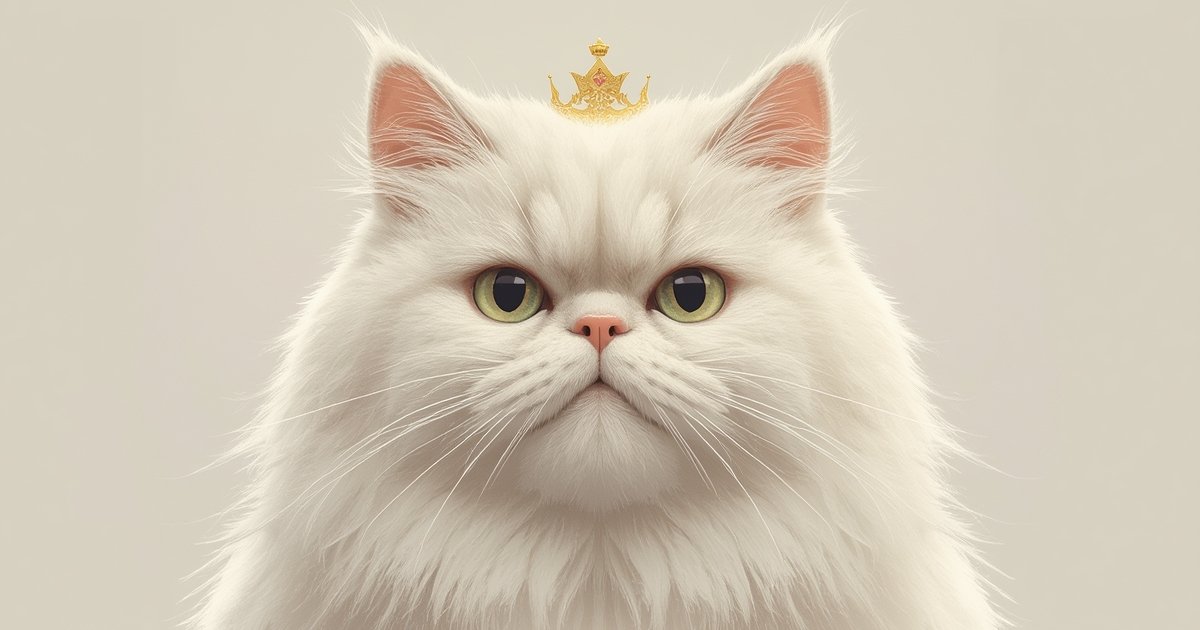
Discover the majestic world of Persian cats. Uncover their unique physical and behavioral Persian traits, offering a glimpse into their royal lineage and what makes them truly special companions.
The Regal Appearance of the Persian Cat
The Persian cat is instantly recognizable by its opulent appearance, a hallmark of its royal status among felines. These cats possess a captivating elegance that has charmed humans for centuries, making them one of the most beloved and iconic breeds globally. Their distinct look is not merely superficial; it hints at a lineage carefully preserved and celebrated.
Every aspect of their physical presentation, from their rounded head to their fluffy tail, contributes to an overall impression of grandeur. These remarkable Persian traits are what set them apart and evoke a sense of timeless beauty. Understanding these physical characteristics is the first step in appreciating the breed’s unique appeal.
Distinctive Facial Features
Perhaps the most defining characteristic of the Persian cat is its brachycephalic, or “peke-face,” which features a short muzzle, prominent cheeks, and large, round eyes. This flat-faced appearance, while adorable to many, is a key identifier of the breed. The nose is typically short and broad, set between the eyes.
Their eyes, wide-set and full, often come in striking colors like copper, blue, or green, adding to their expressive faces. The ears are small and rounded, set low on the head, often adorned with tufts of fur. These specific facial Persian traits are a result of selective breeding over generations.
The facial structure gives them a perpetually sweet and sometimes slightly melancholic expression, which many owners find incredibly endearing. It is this unique combination of features that contributes significantly to their regal bearing and gentle demeanor. Their charming faces are a constant source of fascination.
Luxurious Coat and Color Varieties
The Persian cat’s long, flowing coat is nothing short of magnificent. It is thick, dense, and boasts a silky texture, requiring considerable grooming to maintain its pristine condition. This luxurious fur forms a ruff around their neck, often extending into a full frill, enhancing their aristocratic appearance.
Their tails are short but proportionate to their body, carried with a slight plume, adding to their balanced silhouette. The sheer volume and quality of their fur are among the most admired Persian traits, giving them an almost cloud-like presence. This coat acts as a magnificent frame for their sturdy, short-legged body.
Persians come in an astonishing array of colors and patterns, categorized into seven distinct divisions. These include solid colors (like white, black, blue, red, cream, chocolate, lilac), silver and golden, shaded and smoke, tabby, parti-color, bi-color, and himalayan. Each color variation adds another layer of beauty to their already stunning appearance.
– Solid colors showcase the depth and richness of their fur without any pattern interruptions.
– Silver and Golden Persians are known for their tipping or shading, giving their coats a shimmering effect.
– Tabby patterns include classic, mackerel, and patched varieties, adding intricate designs to their fur.
– Himalayan Persians feature color points on their extremities, reminiscent of Siamese cats, combined with the Persian’s long fur and body type.
This vast spectrum of colors ensures that there is a Persian cat to suit every aesthetic preference. The meticulous care required for their coats is a small price to pay for such unparalleled beauty. These distinctive Persian traits truly set them apart.
Unveiling the Temperament: Beyond the Majestic Stare
While their appearance undeniably commands attention, the true essence of a Persian cat lies in its captivating temperament. These cats are renowned for their calm, gentle, and affectionate nature, often described as “lap cats” due to their love for lounging close to their human companions. Their serene disposition is one of the most cherished Persian traits.
Unlike more boisterous breeds, Persians generally prefer a quiet, predictable environment. They are not prone to frantic bursts of energy or destructive behaviors, making them ideal companions for individuals or families seeking a peaceful pet. This tranquility is a defining aspect of their personality.
Calm and Affectionate Persian Traits
Persians are known for their quiet demeanor, rarely using their voices, preferring to communicate through soft chirps or subtle glances. They are not demanding cats but appreciate attention and affection on their terms. Once they trust you, they are incredibly loyal and devoted companions.
Their affectionate nature manifests in various ways, from following their owners quietly from room to room to settling comfortably on a lap for long petting sessions. They thrive on companionship and can form deep bonds with their families, often choosing one person as their primary confidant. These specific Persian traits make them wonderful household pets.
They possess an innate elegance even in their interactions, never being overly aggressive or boisterous. This calmness makes them excellent pets for apartment living or for those with less active lifestyles. Their capacity for unconditional love is truly one of their most endearing qualities.
– They enjoy peaceful environments and gentle interactions.
– Persians are typically not destructive and adapt well to indoor living.
– Their quiet purr is often the loudest sound you’ll hear from them, indicating contentment.
– They are patient with children who understand how to interact gently with cats.
Playfulness and Socialization
Despite their calm exterior, Persian cats do possess a playful side, especially during their younger years. Their play tends to be less frenetic than that of other breeds, often involving batting at toys, chasing feather wands, or engaging in gentle games of hide-and-seek. Their playfulness is a charming aspect of their Persian traits.
They appreciate interactive toys that stimulate their minds without requiring excessive physical exertion. Laser pointers, small balls, and soft plush toys are often favorites. As they mature, their playfulness might diminish, but they will always enjoy occasional engagement and mental stimulation.
Persians are generally good with other pets, including dogs, provided they are introduced properly and given time to adjust. Their adaptable nature allows them to coexist peacefully, often forming quiet friendships. They are not typically dominant cats and prefer to avoid conflict.
Socialization from a young age is crucial to ensure they grow into well-adjusted adults. Gentle handling, exposure to various sights and sounds, and positive interactions with different people will help them develop into confident and friendly companions. Their inherent gentle Persian traits make this process easier.
Health and Longevity: Caring for Your Royal Companion
Caring for a Persian cat involves a commitment to maintaining their unique physical attributes, particularly their magnificent coat and distinctive facial structure. Proper care contributes significantly to their health and longevity, ensuring they lead a comfortable and happy life. Understanding the specific needs of these cats is paramount.
Just like any purebred animal, Persians can be prone to certain health conditions. Being aware of these and taking proactive measures can help mitigate potential issues. Their well-being directly reflects the quality of care they receive, making informed ownership essential. These considerations are vital when appreciating Persian traits.
Grooming Essentials for Their Silken Fur
The Persian’s long, dense coat requires daily grooming to prevent mats and tangles. Without regular attention, their fur can quickly become matted, leading to discomfort, skin issues, and even infections. This intensive grooming is one of the non-negotiable aspects of owning a Persian.
Daily brushing with a metal comb and a slicker brush is necessary to remove loose hair, distribute natural oils, and keep the coat smooth and free of knots. Special attention should be paid to areas prone to matting, such as under the legs, behind the ears, and around the tail. These grooming needs are inherent to their beautiful Persian traits.
Bathing is also a regular requirement for Persians, typically every 4-6 weeks, to keep their coats clean and free from oil buildup. Using a cat-specific shampoo and conditioner will help maintain the health and luster of their fur. Drying thoroughly, especially with a blow dryer on a cool setting, is crucial to prevent skin problems.
– Daily brushing prevents mats and keeps their coat healthy.
– Regular bathing helps maintain coat cleanliness and skin health.
– Trimming around their sanitary areas can prevent soiling and maintain hygiene.
– Professional grooming appointments can supplement home care, especially for intricate trims.
Common Health Considerations
Due to their brachycephalic facial structure, Persian cats are predisposed to certain health issues. These include respiratory problems, dental malocclusions, and excessive tearing. Regular veterinary check-ups are essential to monitor these conditions and ensure early intervention if needed.
Respiratory issues can arise from their shortened nasal passages, potentially leading to breathing difficulties, especially in hot weather or during periods of stress. It’s crucial to keep them in a cool, well-ventilated environment and avoid over-exertion.
Excessive tearing, also known as epiphora, is common because their tear ducts can become blocked or malformed. This results in tear stains around their eyes, which require daily cleaning with a damp cloth or veterinary-approved solution to prevent skin irritation and infection. These are challenging aspects of living with some Persian traits.
Other potential health concerns include Polycystic Kidney Disease (PKD), a genetic condition affecting the kidneys, and Feline Hypertrophic Cardiomyopathy (HCM), a form of heart disease. Responsible breeders screen their cats for these conditions to minimize their prevalence in the breed.
– Respiratory problems: Due to their flat faces, they can experience breathing difficulties.
– Dental issues: Crowded teeth and malocclusions can lead to periodontal disease.
– Eye conditions: Excessive tearing, entropion (inward rolling eyelids), and cherry eye are sometimes seen.
– Genetic predisposition: PKD and HCM are more common in the breed.
The History of Persian Cats: A Lineage of Nobility
The history of the Persian cat is as rich and majestic as their appearance, tracing back centuries to the ancient cradles of civilization. Their lineage is intertwined with tales of trade routes, royal courts, and dedicated breeders who shaped them into the beloved companions we know today. Understanding their past illuminates the origins of their distinctive Persian traits.
These cats were among the first breeds to be formally recognized and meticulously bred, captivating people with their exotic beauty and serene demeanor. Their journey from distant lands to global fame is a testament to their enduring appeal and the human fascination with their unique characteristics.
Origins and Early Development
The exact origins of the Persian cat are shrouded in some mystery, but it is widely believed that their ancestors hail from Persia (modern-day Iran) and Turkey. They were likely brought to Europe in the 17th century by explorers and traders, notably Italian nobleman Pietro della Valle, who noted their striking beauty.
Upon their arrival in Europe, particularly in Italy and France, they quickly became symbols of luxury and status, gracing the laps of royalty and aristocracy. Queen Victoria herself was a devoted admirer of the breed, further solidifying their place in noble society. This early association with royalty helped cement their image.
Early Persians had slightly longer noses than their modern counterparts, with a more traditional cat-like facial structure. Selective breeding over generations gradually led to the development of the “peke-face” and the emphasis on a dense, long coat. These deliberate choices shaped many of the defining Persian traits.
Evolution of Breed Standards
The formal development of the Persian cat breed truly began in the late 19th century, particularly in England. The first cat show, held at the Crystal Palace in London in 1871, featured Persian cats, significantly increasing their popularity and leading to the establishment of formal breed standards.
Breeders began to meticulously select for specific physical characteristics, aiming for a round head, small ears, large eyes, and the luxurious long coat. The brachycephalic look, initially a subtle feature, became more pronounced over time as breeders aimed for specific aesthetic ideals.
In the United States, the Persian cat gained immense popularity in the early 20th century, and the Cat Fanciers’ Association (CFA) was founded in 1906, further standardizing the breed. Different divisions based on color and pattern were also developed, celebrating the diversity within the breed while maintaining its core characteristics. These evolving standards refined the beloved Persian traits we see today.
The commitment of breeders to specific genetic lines has ensured the preservation of their unique appearance and gentle temperament. This dedication has allowed the Persian cat to maintain its status as one of the most recognizable and adored cat breeds worldwide.
Integrating a Persian into Your Home: Royal Treatment Guide
Bringing a Persian cat into your home is an invitation to share your life with a creature of serene beauty and gentle affection. To ensure a smooth transition and a happy, healthy life for your new companion, it’s essential to understand and cater to their specific needs. Providing them with a “royal treatment” environment is key to nurturing their innate Persian traits.
Creating a safe, comfortable, and stimulating space will help your Persian thrive. Their adaptable nature means they can fit into various household dynamics, but a calm and predictable routine will always be preferred. This section will guide you through making your home a haven for your majestic feline.
Creating a Peaceful Environment
Persian cats thrive in peaceful, calm environments. While they enjoy human company, they do not typically appreciate loud noises, sudden movements, or chaotic households. A quiet corner or a designated safe space where they can retreat is highly beneficial, especially during their initial adjustment period.
Ensure they have access to comfortable resting spots, such as plush cat beds, soft blankets, or elevated perches from which they can observe their surroundings without feeling overwhelmed. Providing a cat tree or scratching post is also important, not only for their physical health but also for their mental stimulation.
Maintain a consistent routine for feeding, playtime, and grooming. Predictability helps reduce stress and allows your Persian to feel secure in their new home. A calm household environment will allow their best Persian traits to shine through.
– Provide a quiet, designated retreat area for your cat.
– Offer comfortable bedding and elevated spots for observation.
– Introduce new household members or pets gradually and gently.
– Keep litter boxes clean and easily accessible, ideally in a low-traffic area.
Diet and Nutrition for Optimal Health
Proper nutrition is fundamental to the health and well-being of your Persian cat, impacting everything from their coat quality to their energy levels. Given their unique facial structure, special considerations might be necessary when choosing their food.
Opt for high-quality cat food specifically formulated for long-haired breeds or those with sensitive digestive systems. Look for ingredients that list real meat as the primary protein source. Both wet and dry food can be offered, with wet food contributing to hydration and dry food helping with dental health.
Due to their flat faces, some Persians may find it challenging to eat from traditional bowls. Shallow, wide bowls can make it easier for them to access their food without irritating their whiskers or facial fur. Specialized “slow feeder” bowls can also be beneficial if your Persian tends to eat too quickly. These considerations relate directly to some physical Persian traits.
Always ensure fresh water is available, preferably in multiple locations. Some cats prefer running water, so a pet water fountain might be a good investment. Regular feeding schedules and portion control are essential to prevent overeating and maintain a healthy weight.
– Choose high-quality cat food with real meat as the main ingredient.
– Consider specialized bowls designed for brachycephalic breeds.
– Ensure constant access to fresh, clean water.
– Monitor their weight and adjust food portions as needed to prevent obesity.
Training a Persian cat is generally straightforward due to their intelligence and desire to please. Positive reinforcement, such as treats and praise, works best. They can be trained to use a litter box with ease and may even learn simple tricks. Consistency and patience are key.
Frequently Asked Questions about Persian Cats
What is the average lifespan of a Persian cat?
The average lifespan of a Persian cat is typically between 12 to 17 years, with some living even longer with proper care, nutrition, and regular veterinary attention. Genetics and lifestyle play significant roles in their longevity.
Are Persian cats high-maintenance?
Yes, Persian cats are considered a high-maintenance breed, primarily due to their extensive grooming requirements. Their long, dense coat needs daily brushing to prevent mats and tangles, and regular bathing is also necessary. Additionally, their facial folds and eyes require daily cleaning.
Do Persian cats shed a lot?
Persian cats do shed, and quite a bit, especially during seasonal changes. Their long, thick coats naturally produce a lot of loose hair. Daily brushing helps to manage shedding and keeps their fur healthy and free of mats.
Are Persian cats good with children and other pets?
Persian cats are generally known for their gentle and patient temperament, which can make them good with respectful children and other calm pets. However, supervision is always recommended, and introductions should be slow and positive to ensure harmony in the household.
What common health problems should I be aware of with Persian cats?
Due to their brachycephalic (flat-faced) structure, Persians can be prone to respiratory issues, excessive tearing (leading to tear stains), and dental problems. They are also genetically predisposed to conditions like Polycystic Kidney Disease (PKD) and Feline Hypertrophic Cardiomyopathy (HCM), making regular vet check-ups important.
How often should I groom my Persian cat?
Daily brushing is essential for a Persian cat to prevent matting and keep their long coat in good condition. Bathing is recommended every 4-6 weeks, and their eyes and facial folds should be cleaned daily to prevent irritation and staining.
The Persian cat, with its undeniably royal allure and gentle spirit, offers a unique companionship experience. From their stunning aesthetics, defined by luxurious fur and distinctive facial features, to their calm and affectionate temperament, these felines embody a quiet majesty. Understanding their specific needs—from rigorous grooming to attentive health monitoring—is key to nurturing these magnificent creatures. Embracing the Persian traits means committing to their well-being, ensuring they lead a comfortable and cherished life. Their rich history, rooted in ancient Persia and celebrated in royal courts, only adds to their captivating presence in our modern homes.
Ready to bring a touch of royalty into your life? Explore our other breed guides to find your perfect feline companion, or dive deeper into cat care to ensure a happy, healthy life for your furry friend. If you have specific questions about Persian cats or need personalized advice, please don’t hesitate to contact us.
Leave a Reply