

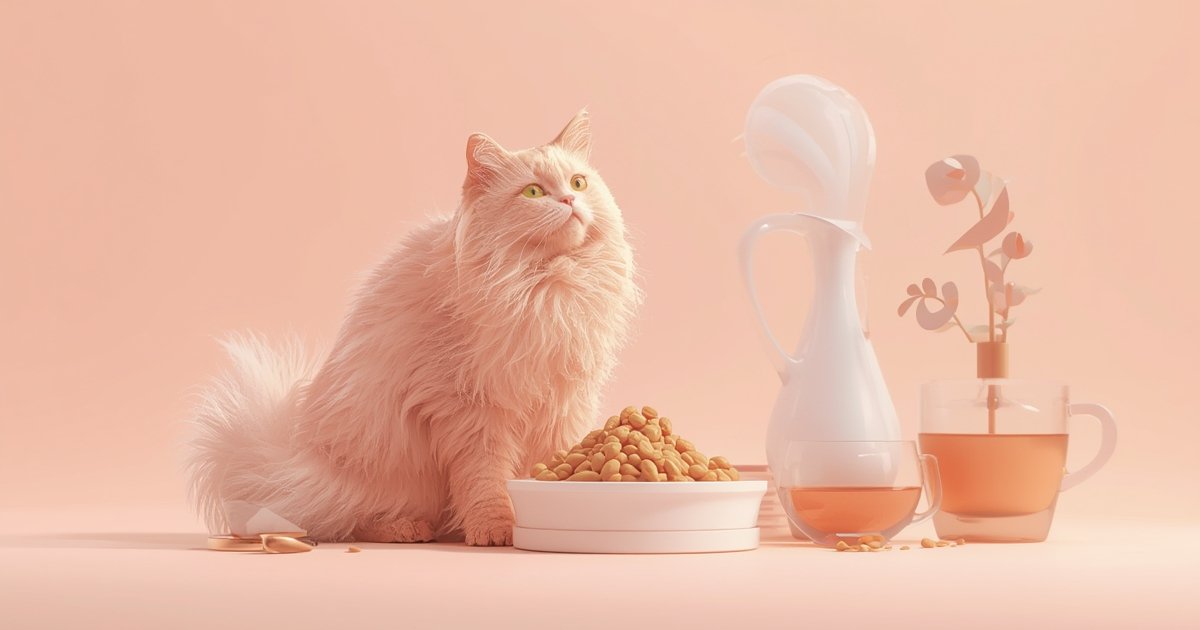
Unlock your Persian cat’s best life with essential nutrition tips for 2026. Discover tailored diets, manage health needs, and ensure optimal well-being.
Persian cats, with their majestic coats and sweet dispositions, are truly a breed apart. Their unique beauty comes with specific care requirements, and chief among them is understanding their dietary needs. Proper Persian Nutrition is not just about filling a bowl; it’s about providing the precise fuel to support their luxurious fur, sturdy build, and overall health. As we look towards 2026, staying informed about the latest and most effective nutritional strategies will be key to ensuring your beloved feline companion thrives. A well-balanced diet is the cornerstone of preventing common health issues and promoting a long, vibrant life for your cherished Persian.
The Unique Nutritional Demands of Persian Cats
Persian cats possess distinct physical characteristics that directly influence their nutritional requirements. Their flattened faces, known as brachycephalic, mean they can struggle with picking up and chewing certain kibble shapes.
Their long, dense coats require an abundance of specific nutrients to remain healthy, shiny, and free from excessive shedding. Overlooking these breed-specific needs can lead to a host of problems, from digestive upset to poor coat condition.
Understanding Macronutrient Requirements
Like all cats, Persians are obligate carnivores, meaning their bodies are designed to derive nutrients primarily from animal sources. This fundamental biological truth guides all effective Persian Nutrition plans.
– **Protein:** High-quality animal protein is paramount. It provides the essential amino acids necessary for muscle maintenance, tissue repair, and the luxurious coat that Persians are known for. Look for named meat sources like chicken, turkey, or salmon as the first ingredients.
– **Fats:** Healthy fats, particularly omega-3 and omega-6 fatty acids, are crucial for skin health, a glossy coat, and overall cellular function. These can be found in fish oils, flaxseed, and certain animal fats. They also provide a concentrated source of energy.
– **Carbohydrates:** While not strictly essential for cats, carbohydrates can provide energy. However, they should be present in moderation and come from easily digestible sources like peas or potatoes, rather than excessive grains which can sometimes cause digestive issues in sensitive cats.
Micronutrients and Coat Health
Beyond macronutrients, a complex array of vitamins and minerals supports various bodily functions, including immune health and metabolism. For Persian cats, particular attention is often paid to nutrients that support their magnificent fur.
– **Biotin:** This B vitamin is vital for skin and coat health, helping to maintain hair strength and reduce shedding.
– **Zinc:** An essential mineral involved in immune function and skin integrity, zinc contributes to a healthy coat and wound healing.
– **Vitamin A and E:** These fat-soluble vitamins act as powerful antioxidants, protecting cells from damage and promoting healthy skin and fur. They are critical for the long-term health of your Persian’s coat.
Deciphering Food Labels: What to Look For in Quality Persian Nutrition
Navigating the overwhelming selection of cat food brands can be daunting. The key to successful Persian Nutrition lies in becoming an expert label reader. The ingredient list holds the true story of what you’re feeding your cat.
Always prioritize transparency and quality. Don’t be swayed by marketing claims alone; dive into the details to ensure your cat is getting the best.
Spotting High-Quality Ingredients
When examining a cat food label, the first five ingredients are typically the most abundant. For a Persian, these should ideally be animal-based proteins and fats.
– **Named Meat Sources:** Look for specific animal proteins like “chicken meal,” “deboned salmon,” or “turkey liver.” Avoid vague terms like “meat by-products” or “animal digest,” which can indicate lower quality or inconsistent ingredients.
– **Healthy Fats:** Ingredients such as “chicken fat,” “salmon oil,” or “flaxseed” provide essential fatty acids. These are far superior to generic “animal fat” which offers little nutritional detail.
– **Limited Fillers:** While some carbohydrates are acceptable, avoid foods with corn, wheat, or soy as primary ingredients. These can be difficult for some cats to digest and offer minimal nutritional value compared to animal proteins.
– **Absence of Artificial Additives:** Steer clear of artificial colors, flavors, and preservatives. Natural preservatives like mixed tocopherols (Vitamin E) are preferable and safer for your cat’s long-term health.
Understanding Nutritional Guarantees and AAFCO Statements
The “Guaranteed Analysis” panel on a cat food label provides a breakdown of crude protein, fat, fiber, and moisture. This gives you a baseline understanding, but it doesn’t tell the whole story about ingredient quality or digestibility.
More importantly, look for an AAFCO (Association of American Feed Control Officials) statement. This indicates that the food is formulated to meet the nutritional levels established by AAFCO nutrient profiles for a specific life stage (e.g., “adult maintenance” or “growth and reproduction”). An AAFCO statement is a crucial indicator of a complete and balanced diet, essential for proper Persian Nutrition.
Comparing Top-Tier Specialized Persian Cat Foods
| Product | Price | Pros | Cons | Best For |
|---|---|---|---|---|
| Royal Canin Persian Adult Dry Food | $40-$60 | Formulated specifically for Persians, unique almond-shaped kibble for brachycephalic jaws, supports coat health with omega fatty acids. | Can be expensive, some cats may prefer higher meat content or a grain-free option. | Adult Persian cats with typical breed needs and a preference for breed-specific kibble design. |
| Blue Buffalo Wilderness Chicken Recipe (Grain-Free) | $35-$55 | High protein from real chicken, grain-free option, packed with antioxidants, vitamins, and minerals. | Not breed-specific in kibble shape, may be too rich for highly sensitive stomachs due to high protein. | Persians requiring a high-protein, grain-free diet for active lifestyles or those with grain sensitivities. |
| Hill’s Science Diet Adult Hairball Control | $30-$50 | Specialized natural fiber blend helps reduce hairball formation, balanced nutrition for everyday health, vet-recommended. | May not cater to all Persian-specific coat needs beyond hairball control, contains grains and corn. | Persians prone to hairballs, seeking a vet-recommended option with controlled ingredients for digestive health. |
Wet vs. Dry: Crafting the Ideal Diet for Your Persian
The debate between wet and dry food is ongoing, and for Persian cats, each has its advantages and disadvantages. Many owners find a combination approach offers the best of both worlds, ensuring comprehensive Persian Nutrition.
Understanding the benefits of each type of food allows you to make informed decisions tailored to your cat’s specific needs and preferences.
Advantages of Dry Kibble
Dry kibble is convenient, can be left out for free-feeding without spoiling quickly, and is often more budget-friendly. The abrasive action of chewing kibble can also help reduce plaque and tartar buildup on teeth, contributing to better dental hygiene.
For Persian cats, specially designed kibble shapes are available to accommodate their unique jaw structure, making it easier for them to pick up and chew their food. This specialized design can significantly improve their eating experience and nutrient absorption.
Benefits of Wet Food
Wet food boasts a significantly higher moisture content, which is crucial for a cat’s hydration, especially considering many cats don’t drink enough water naturally. Increased moisture helps support kidney and urinary tract health, common concerns for felines.
It is often more palatable for picky eaters and can be easier to digest for cats with dental issues or sensitive stomachs. The high meat content in quality wet foods can also more closely mimic a cat’s natural diet.
The Combination Approach for Optimal Persian Nutrition
Many veterinarians and feline nutritionists recommend a mixed diet of both wet and dry food. This approach combines the dental benefits and convenience of kibble with the superior hydration and palatability of wet food.
For example, you might offer a portion of dry food in the morning and a wet food meal in the evening. This strategy ensures your Persian cat receives a wide array of nutrients and adequate hydration, contributing to excellent Persian Nutrition and overall well-being. Always introduce new foods gradually to avoid digestive upset.
Addressing Common Health Concerns Through Diet
Persian cats are predisposed to certain health issues, many of which can be managed or mitigated through a thoughtful dietary approach. Understanding these common problems and how nutrition plays a role is key to proactive care.
A tailored diet is not just about general health; it’s a powerful tool in managing specific breed challenges and enhancing your cat’s quality of life.
Managing Hairballs
One of the most common issues for long-haired breeds like Persians is hairball formation. Their extensive grooming leads to ingesting a significant amount of fur, which can accumulate in the digestive tract and cause blockages or vomiting.
– **High-Fiber Diets:** Foods formulated for hairball control often contain increased fiber to help ingested hair pass through the digestive system more easily. Look for natural fiber sources like psyllium husk or beet pulp.
– **Omega Fatty Acids:** These healthy fats not only promote a healthy coat, reducing excessive shedding, but can also help lubricate the digestive tract. This makes it easier for hair to move through and be expelled naturally.
– **Specific Supplements:** Your vet might recommend a hairball paste or specific fiber supplements in conjunction with diet, especially during peak shedding seasons. Regular grooming is also essential.
Sensitive Stomachs and Allergies
Some Persian cats can develop sensitive stomachs, manifesting as vomiting, diarrhea, or a reluctance to eat certain foods. Food allergies or intolerances are also possible, though less common than environmental allergies.
– **Limited Ingredient Diets (LIDs):** If a food sensitivity is suspected, a veterinarian might recommend an LID. These diets contain a single source of animal protein and limited carbohydrates to minimize exposure to potential allergens.
– **Novel Proteins:** For true allergies, a diet featuring a novel protein source (one your cat hasn’t eaten before, like duck or venison) may be necessary. This helps to eliminate common allergens like chicken or beef.
– **Digestible Carbohydrates:** Opt for foods with easily digestible carbohydrate sources such as sweet potatoes or peas, and avoid corn, wheat, and soy, which are common culprits for digestive upset in sensitive cats.
Weight Management and Obesity Prevention
Persians, especially those with indoor lifestyles, can be prone to weight gain if their diet isn’t carefully managed. Obesity significantly increases the risk of diabetes, joint problems, and other health complications.
– **Portion Control:** Always follow feeding guidelines based on your cat’s ideal weight, not their current weight. Use measuring cups and stick to a consistent feeding schedule rather than free-feeding, which often leads to overconsumption.
– **High-Protein, Moderate-Fat Diets:** Foods rich in protein help maintain muscle mass, which boosts metabolism. Moderate fat content provides necessary energy without excess calories. Look for “weight management” or “light” formulas if your cat needs to lose weight.
– **Encourage Activity:** While diet is primary, combining proper Persian Nutrition with regular play and exercise is vital for maintaining a healthy weight and overall fitness. Interactive toys and playtime can make a big difference.
Advanced Nutritional Strategies and Future Trends for 2026
As feline nutrition science advances, so do the opportunities to optimize your Persian cat’s diet. Looking towards 2026, personalized nutrition, functional ingredients, and smart feeding technologies are set to revolutionize how we feed our beloved companions.
These forward-thinking approaches promise even greater precision in meeting individual feline needs, moving beyond one-size-fits-all feeding plans to truly bespoke Persian Nutrition.
Personalized Nutrition for Persians
The future of feline nutrition is increasingly personalized. Genetic testing, analysis of activity levels, and health markers can provide insights into a cat’s unique metabolic needs and predispositions. This data can then inform custom diet formulations.
– **Genetic Predisposition:** Understanding if your Persian has a genetic tendency for certain conditions (like Polycystic Kidney Disease, common in the breed) can guide dietary choices to support kidney health proactively.
– **Life Stage and Activity:** A kitten’s energy demands differ greatly from a senior cat’s, and an active outdoor Persian will need more calories than a sedentary indoor one. Personalized plans account for these variables more precisely.
– **Dietary Software:** Emerging software platforms and AI tools are beginning to offer customized meal plans based on individual cat profiles, making advanced Persian Nutrition accessible to more pet owners.
Functional Ingredients and Supplements
Beyond basic vitamins and minerals, functional ingredients are compounds added to food for specific health benefits. These are becoming more prevalent and sophisticated.
– **Probiotics and Prebiotics:** Essential for gut health, these promote a balanced microbiome, which in turn supports digestion, nutrient absorption, and immune function. A healthy gut is foundational to overall well-being.
– **Joint Support:** Ingredients like glucosamine and chondroitin can support joint health, especially important for senior Persians or those prone to arthritis. Omega-3 fatty acids also have anti-inflammatory properties beneficial for joints.
– **Antioxidants:** High levels of antioxidants (e.g., Vitamin E, C, selenium, blueberries) help combat oxidative stress, which contributes to aging and disease. These are key for cellular health and longevity.
Smart Feeding Technology
Automated feeders and water fountains are not new, but their intelligence and integration are rapidly evolving. Smart devices can monitor consumption, dispense precise portions, and even track hydration, offering unparalleled control over your cat’s intake.
– **Automated Portion Control:** Smart feeders ensure your cat receives consistent, measured meals, preventing overeating and managing weight effectively. Some can even be programmed with multiple feeding times per day.
– **Hydration Tracking:** Smart water fountains not only provide filtered, circulating water (which cats often prefer) but can also monitor how much your cat drinks, alerting you to potential health issues early.
– **Remote Monitoring:** Apps connected to these devices allow owners to monitor feeding habits and water intake from anywhere, providing peace of mind and data-driven insights into their Persian’s health routine. This level of oversight is a significant advancement in modern Persian Nutrition.
Ensuring Optimal Hydration and Supplementation
While diet forms the backbone of your Persian’s health, two critical components often overlooked are proper hydration and the thoughtful use of supplements. These elements can significantly enhance the effectiveness of your primary Persian Nutrition strategy.
Ensuring your cat is well-hydrated and receiving any necessary supplemental support can make a profound difference in their vitality and longevity.
The Importance of Hydration
Cats naturally have a low thirst drive, evolved from their desert-dwelling ancestors who obtained most of their moisture from prey. In a domestic setting, especially with dry kibble, this can lead to chronic mild dehydration, stressing the kidneys and urinary tract.
– **Water Bowls:** Always provide multiple water bowls in different locations throughout your home. Ensure they are clean and refilled daily. Some cats prefer ceramic or stainless steel bowls over plastic.
– **Water Fountains:** Many cats are attracted to moving water. A filtered pet water fountain can encourage increased water intake, which is vital for kidney health and overall well-being.
– **Wet Food:** As discussed, incorporating wet food into your Persian’s diet is one of the most effective ways to boost their daily moisture intake. It’s often easier than trying to get them to drink more from a bowl.
– **Flavoring Water:** For extremely picky drinkers, a tiny splash of tuna juice (in water, not oil) or low-sodium chicken broth can sometimes entice them to drink more. Always consult with your vet before trying this.
When to Consider Supplements
A high-quality, complete, and balanced cat food should ideally provide all the nutrients your Persian needs. However, there are specific circumstances where supplements can be beneficial, always under veterinary guidance.
– **Coat Health:** If your Persian’s coat is dull, dry, or prone to excessive shedding despite a good diet, a veterinarian might recommend an omega fatty acid supplement (e.g., fish oil). These can significantly improve skin and coat luster and reduce inflammation.
– **Hairball Prevention:** While diet helps, some Persians may still benefit from specific hairball-preventative supplements, particularly during shedding seasons. These typically contain lubricants or extra fiber to aid passage.
– **Joint Support:** For older Persians or those with a history of joint issues, supplements containing glucosamine, chondroitin, or MSM can help support cartilage health and reduce discomfort. These are often recommended preventatively as well.
– **Digestive Support:** Probiotics or prebiotics might be recommended for cats with chronic digestive sensitivities, during times of stress, or after antibiotic treatment to help rebalance gut flora.
– **Specific Deficiencies or Health Conditions:** In cases of diagnosed nutritional deficiencies or certain medical conditions (like kidney disease), your vet might prescribe specific therapeutic supplements. Never self-prescribe supplements without professional advice, as overdosing on certain vitamins or minerals can be harmful.
Empowering yourself with knowledge about your Persian’s unique needs ensures you can make the best dietary choices for their health and happiness. By prioritizing high-quality ingredients, understanding food labels, and staying updated on nutritional advancements, you are setting the foundation for a vibrant, healthy life for your cherished feline.
Remember, your veterinarian is your best resource for personalized advice, especially if your cat has specific health concerns or dietary restrictions. Regular check-ups, combined with a meticulous approach to Persian Nutrition, will help your beautiful companion thrive for years to come. Take the next step in enhancing your Persian’s well-being by consulting with a feline nutritionist or your trusted vet today.
Frequently Asked Questions (FAQ)
How often should I feed my Persian cat?
Most adult Persian cats benefit from two meals a day, usually in the morning and evening. Kittens, pregnant, or lactating cats may require more frequent small meals. Always consult your vet to determine the ideal schedule and portion size based on your cat’s age, weight, and activity level.
Are grain-free diets necessary for Persian cats?
Not necessarily for all Persian cats. While some cats may have sensitivities to grains, a scientifically formulated diet that includes digestible grains can be perfectly healthy. The focus should be on high-quality ingredients and a balanced nutritional profile, rather than solely on the presence or absence of grains. If your cat shows signs of grain sensitivity, consult your vet.
Can I feed my Persian cat human food?
While some human foods are safe in very small quantities (e.g., plain cooked chicken, certain fish), it’s generally best to stick to cat-specific foods. Many human foods lack the balanced nutrition cats need, and some, like onions, garlic, chocolate, and grapes, are toxic. Always research thoroughly or consult your vet before offering any human food.
How can I tell if my Persian cat is getting proper nutrition?
A well-nourished Persian will have a shiny, healthy coat, clear bright eyes, good energy levels, a healthy appetite, and consistent, well-formed stool. Regular veterinary check-ups are essential to monitor their weight and overall health. If you notice dull fur, lethargy, digestive issues, or significant weight changes, consult your vet.
What’s the best way to transition my Persian cat to a new food?
Introduce new food gradually over 7-10 days. Start by mixing a small amount of the new food with their old food (e.g., 25% new, 75% old). Gradually increase the proportion of new food while decreasing the old food each day. This slow transition helps prevent digestive upset. If your cat refuses to eat or experiences issues, slow down the process.
Leave a Reply