

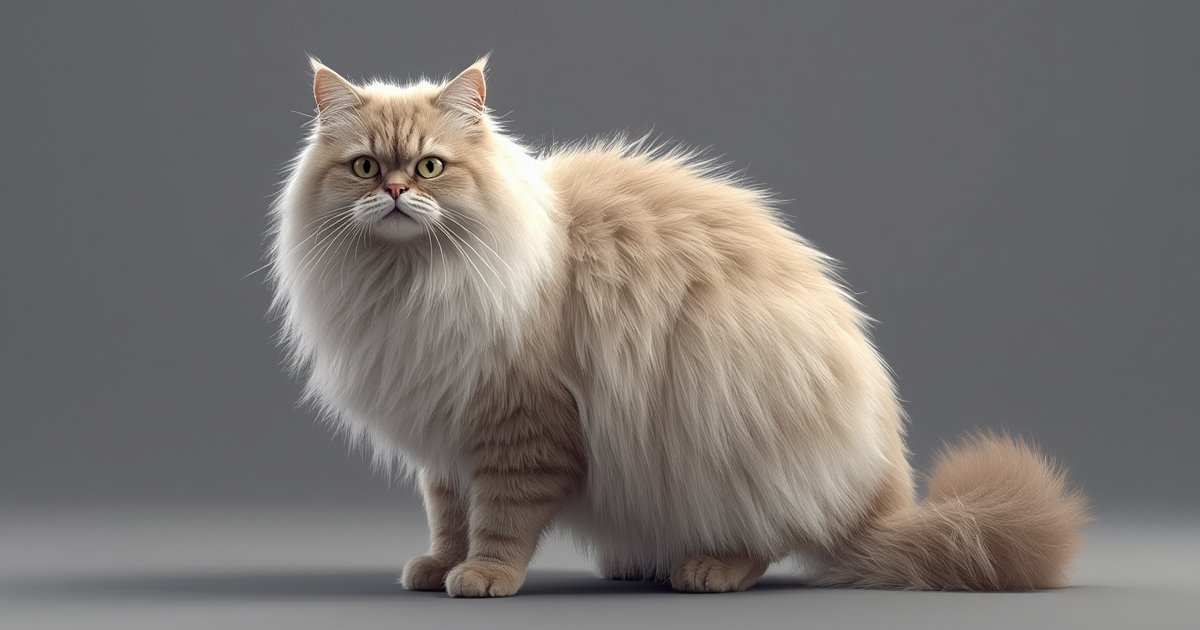
Unravel the secrets to a luxurious Persian cat coat in 2026. Discover expert tips, essential tools, and a step-by-step Persian Grooming guide for a truly royal look! Elevate your feline’s elegance and ensure their comfort with our comprehensive insights into maintaining their magnificent mane. Mastering proper Persian Grooming is not just about aesthetics; it’s a vital part of your cat’s health and happiness.
Understanding the Persian Coat: The Foundation of Royal Grooming
The Persian cat’s iconic long, flowing coat is a thing of beauty, but it’s also a complex structure that demands dedicated care. Unlike many other breeds, Persians possess a double coat: a soft, dense undercoat and a longer, silkier topcoat. This combination, while stunning, is prone to tangles, matting, and accumulation of debris if not managed properly.
Understanding the unique characteristics of your Persian’s fur is the first step in effective Persian Grooming. Factors like genetics, diet, and even humidity can influence coat texture and growth. A healthy coat is soft, shiny, and relatively free of knots, reflecting the cat’s overall well-being.
The Unique Challenges of the Persian Double Coat
The density of the Persian’s undercoat can trap loose hair, dander, and oils close to the skin. If not brushed out regularly, this trapped material can quickly form mats. These mats are not only unsightly but can pull on the skin, causing pain, skin irritation, and even infections.
Beyond matting, the length of the topcoat can gather litter, food particles, and environmental allergens. This necessitates not just brushing but also regular bathing and careful attention to sensitive areas around the face and hindquarters. Effective Persian Grooming addresses all these aspects proactively.
Essential Tools for Effective Persian Grooming
Having the right tools is paramount to successful Persian Grooming. Investing in high-quality grooming equipment will make the process easier for both you and your cat, preventing discomfort and ensuring the best results. Skimping on tools can lead to frustration, skin irritation, and even a damaged coat.
Think of your grooming kit as a treasure chest designed to maintain a royal legacy. Each tool has a specific purpose in detangling, removing loose fur, and keeping the coat pristine. Regular maintenance of these tools is also important to ensure their effectiveness and longevity.
Selecting Your Persian Grooming Arsenal
– **Slicker Brush:** Ideal for removing loose hair from the undercoat and detangling surface mats. Look for one with fine, bent wire bristles.
– **Metal Comb (Wide-toothed and Fine-toothed):** Essential for working through knots and ensuring thorough detangling. The wide-toothed side is for initial detangling, while the fine-toothed side checks for missed knots and smooths the coat.
– **Dematter Tool/Mat Splitter:** A specialized tool for safely breaking up severe mats without causing undue pain. Use with extreme caution and follow instructions carefully.
– **Nail Clippers:** Regular nail trims prevent overgrown claws from snagging on furniture or causing discomfort to your cat.
– **Blunt-nosed Scissors:** For carefully trimming hair around the face, paws, and sanitary areas. Always use blunt-nosed scissors to minimize the risk of injury.
– **Cat-specific Shampoo and Conditioner:** Choose products formulated for long-haired cats, preferably those that are tearless and moisturizing to prevent dryness.
– **Hair Dryer (Cool Setting):** A low-heat, low-noise hair dryer can speed up drying time after baths, preventing chills and tangles.
– **Eye Wipes/Soft Cloths:** For daily cleaning of tear stains and discharge around the eyes, common in brachycephalic (flat-faced) Persians.
Comparison of Top Grooming Tools for Persian Cats
| Product | Price | Pros | Cons | Best For |
|---|---|---|---|---|
| Safari Self-Cleaning Slicker Brush | $15 – $20 | Retracts bristles for easy hair removal; gentle on skin; effective for undercoat. | Bristles can bend if not stored carefully; not ideal for severe mats. | Daily brushing and light detangling. |
| Andis Steel Pet Comb | $10 – $15 | Durable, two different tooth widths for versatility; excellent for finding hidden tangles. | Can be sharp if used improperly; no ergonomic handle. | Detangling after brushing, checking for knots. |
| Groom Professional Mat Breaker | $25 – $30 | Sharp, curved blades safely cut through tough mats without pulling fur. | Requires careful technique to avoid cutting skin; only for established mats, not prevention. | Addressing existing, difficult mats. |
| Pet Republique Cat Nail Clippers | $10 – $12 | Ergonomic handle, sharp stainless steel blades for clean cuts; safety guard. | Can be intimidating for new users; requires regular blade sharpening. | Regular nail maintenance. |
The Step-by-Step Royal Grooming Routine
A consistent and gentle grooming routine is the cornerstone of keeping your Persian’s coat magnificent. Establishing a routine early in your cat’s life can make the process less stressful and more enjoyable for both of you. Daily attention is far more effective and less painful than infrequent, intensive sessions.
Remember, patience is key. If your cat resists, take a break and try again later. Positive reinforcement with treats and praise can make Persian Grooming a pleasant bonding experience.
Daily Brushing for a Flawless Coat
Daily brushing is the most critical aspect of Persian Grooming. It helps prevent mats, removes loose hair, distributes natural oils, and provides a gentle massage that stimulates circulation.
1. **Start Gentle:** Begin with the slicker brush. Gently brush small sections of hair, starting from the paws and working your way up to the body, then the tail. Always brush in the direction of hair growth.
2. **Focus on Problem Areas:** Pay special attention to areas prone to matting: behind the ears, armpits, flanks, and hind legs. These spots often develop knots quickly.
3. **Use the Metal Comb:** After slicker brushing, follow up with the wide-toothed metal comb to check for any remaining tangles. If you encounter a knot, gently work it out with the comb, holding the hair at the base to prevent pulling the skin. For stubborn tangles, use your fingers to loosen them first.
4. **Finish with Fine Comb:** Once the wide-toothed comb glides through smoothly, use the fine-toothed side to ensure no small knots remain and to smooth the coat.
5. **Address Facial Hair:** Gently comb the hair on the face, being very careful around the eyes and nose. Use a soft, damp cloth or eye wipe to clean away any tear stains or discharge.
Regular Bathing: Essential for Hygiene and Shine
Despite their self-grooming habits, Persians require regular baths, typically every 4-6 weeks, to keep their long coats clean and free from oil buildup and debris. This part of Persian Grooming can be challenging but is absolutely necessary.
1. **Preparation is Key:** Before bathing, thoroughly brush your cat to remove any mats or tangles. Wetting matted fur will only tighten the knots and make them harder to remove. Gather all your supplies: shampoo, conditioner, towels, and a non-slip mat for the tub.
2. **Lukewarm Water:** Fill a tub or basin with 3-4 inches of lukewarm water. Gently lower your cat into the water, speaking soothingly to them.
3. **Shampoo Application:** Apply a small amount of cat-specific shampoo, starting from the neck and working down. Lather gently, avoiding the eyes and ears. Ensure the shampoo penetrates the dense undercoat. Rinse thoroughly until no suds remain.
4. **Conditioning:** Follow with a cat-specific conditioner. Allow it to sit for a few minutes as per product instructions, then rinse meticulously. Residual product can irritate the skin and attract dirt.
5. **Drying Process:** Gently squeeze excess water from the coat. Wrap your cat in a warm towel and pat dry. For quicker drying and to prevent tangles, use a hair dryer on a cool or low-heat setting, brushing simultaneously with a slicker brush. Keep the dryer moving to avoid overheating any one spot. Ensure your cat is completely dry to prevent chills and skin issues.
Trimming for Health and Aesthetics
Certain areas of a Persian’s coat benefit from regular trimming to maintain hygiene and comfort.
– **Sanitary Trim:** Carefully trim the hair around the anus and genitals to prevent fecal matter from clinging to the fur. This is crucial for hygiene and preventing discomfort.
– **Paw Pad Trim:** Trim the hair between the paw pads to prevent matting, improve traction, and keep litter from getting trapped. Use blunt-nosed scissors and be extremely cautious to avoid cutting the pads themselves.
– **Face Trim (Optional):** Some owners trim the hair around the eyes to prevent irritation, especially in Persians with very flat faces. If unsure, consult a professional groomer.
– **Nail Trimming:** Using cat-specific nail clippers, trim only the clear tip of the nail, avoiding the quick (the pink part containing blood vessels and nerves). If you’re unsure, ask your vet or a groomer to show you how.
Diet, Health, and Coat Brilliance
The luster and health of your Persian cat’s coat are a direct reflection of their internal health. A high-quality diet provides the necessary nutrients for strong, shiny fur and healthy skin. Regular veterinary check-ups also play a crucial role in preventing underlying health issues that could impact coat quality.
Excellent Persian Grooming starts from within. What your cat eats directly contributes to the strength, softness, and overall appearance of their majestic mane.
Nutritional Support for a Glorious Coat
– **High-Quality Protein:** Essential for hair growth and strength. Look for cat foods with real meat (chicken, fish, turkey) as the primary ingredient.
– **Omega-3 and Omega-6 Fatty Acids:** These fatty acids are vital for skin health and coat shine. Many premium cat foods include them, or you can supplement with fish oil (under veterinary guidance).
– **Vitamins and Minerals:** Biotin, zinc, and Vitamin E are particularly important for skin and coat health. Ensure your cat’s diet is complete and balanced.
– **Hydration:** Adequate water intake is crucial for overall health, including skin and coat condition. Provide fresh, clean water at all times. Consider a pet fountain to encourage drinking.
The Role of Veterinary Care
Regular visits to the veterinarian are not just for vaccinations; they are an opportunity to discuss your cat’s overall health, including their coat. Your vet can identify underlying issues that might manifest as poor coat condition, such as allergies, parasites, fungal infections, or nutritional deficiencies.
A vet can also offer advice on specific grooming challenges, recommend supplements, or even refer you to professional groomers if you need assistance with complex matting or specialized trims. They are an invaluable resource in your comprehensive Persian Grooming strategy.
Troubleshooting Common Persian Coat Challenges
Even with the most diligent Persian Grooming routine, you might encounter specific challenges. Knowing how to address these common issues can save you stress and keep your cat comfortable and healthy. Proactive measures are always better than reactive ones when it comes to coat care.
Identifying problems early can prevent them from escalating into more serious conditions requiring professional intervention. Your close observation during grooming sessions is key to spotting these issues.
Dealing with Mats and Tangles
Mats are the bane of every long-haired cat owner’s existence. They are painful, can hide skin problems, and are difficult to remove.
– **Small Tangles:** For small, superficial tangles, use your fingers to gently pull them apart before attempting to comb them out with a wide-toothed metal comb. Apply a small amount of cat-safe detangling spray if needed.
– **Moderate Mats:** If a mat is more substantial, try using a dematter tool or mat splitter. Always work slowly and carefully, holding the hair at the base of the mat to minimize pulling on the skin. Cut *into* the mat, not *across* it.
– **Severe Mats:** For large, tight mats close to the skin, it is highly recommended to seek professional help. A professional groomer or veterinarian can safely shave the mats out, preventing injury to your cat. Never attempt to cut large mats with regular scissors, as the skin can be easily cut.
Combating Tear Stains and Eye Discharge
Persians are predisposed to tear staining due to their brachycephalic facial structure. Daily cleaning is essential.
– **Daily Wiping:** Use a soft, damp cloth, cotton pad, or specialized eye wipe to gently clean around the eyes. Wipe from the inner corner outwards.
– **Stain Removers:** For persistent staining, specific tear stain removers (topical or dietary supplements) are available. Always consult your vet before using any new product, especially those ingested.
– **Underlying Issues:** Excessive tearing can sometimes indicate an underlying issue like allergies, blocked tear ducts, or an eye infection. If you notice unusual discharge, redness, or swelling, consult your veterinarian.
Preventing Skin Irritations and Hot Spots
Mats can lead to skin irritation and hot spots if moisture gets trapped underneath or if the cat excessively licks or scratches.
– **Thorough Drying:** Ensure your cat is completely dry after baths to prevent moisture-related skin issues.
– **Regular Brushing:** Prevents mats that can trap irritants and moisture.
– **Check for Parasites:** Fleas, mites, and other parasites can cause severe itching and skin irritation. Regularly check your cat’s coat and consult your vet for appropriate parasite prevention.
– **Allergies:** If your cat frequently scratches or develops skin lesions, they might have allergies (environmental or food-related). A vet can help diagnose and manage these.
Advanced Tips for a Show-Stopping Shine
Once you’ve mastered the basics of Persian Grooming, you can explore advanced techniques and products to truly elevate your cat’s coat to show-quality standards. These tips focus on enhancing the natural beauty and resilience of their magnificent fur.
These steps aren’t just for show cats; they contribute to an overall healthier, happier feline. The commitment to meticulous care truly pays off in the longevity and brilliance of their coat.
Coat Conditioners and Leave-in Treatments
Beyond rinse-out conditioners, specific leave-in treatments and coat conditioning sprays can add an extra layer of protection and shine.
– **Detangling Sprays:** Applied before brushing, these can help loosen knots and make the comb glide through the fur more easily, reducing static and breakage.
– **Shine Sprays:** Used sparingly, these can add a brilliant, healthy sheen to the coat, often containing nourishing oils like argan or jojoba.
– **Anti-Static Sprays:** Particularly useful in dry climates, these sprays help to reduce static electricity that can cause flyaways and make brushing more difficult. Always choose cat-safe products.
Regular Pawdicures and Dental Care
While not directly related to coat shine, maintaining good paw and dental hygiene contributes to your cat’s overall well-being, which indirectly impacts their coat. A comfortable cat is less stressed, and stress can negatively affect coat quality.
– **Paw Pad Moisturizers:** If paw pads become dry or cracked, a cat-safe paw balm can help keep them soft and healthy.
– **Dental Chews/Brushing:** Regular dental care prevents dental disease, which can impact overall health and nutrient absorption, thereby affecting coat quality.
– **Trim Nails Promptly:** Overgrown nails can cause discomfort when walking or grooming themselves, leading to reluctance to self-groom and potential matting in harder-to-reach areas.
Frequently Asked Questions (FAQ)
How often should I groom my Persian cat?
For optimal health and to prevent mats, daily brushing is highly recommended. Baths should typically occur every 4-6 weeks, or as needed based on your cat’s activity level and coat condition.
Can I use human shampoo on my Persian cat?
No, you should never use human shampoo on cats. Human skin and hair have a different pH balance than cats, and human shampoos can be too harsh, stripping natural oils and leading to dry skin, irritation, or allergic reactions. Always use cat-specific shampoos and conditioners.
What if my Persian cat hates being groomed?
Start grooming sessions short and positive, using treats and praise. Gradually increase the duration as your cat becomes more comfortable. If they resist strongly, take a break. Consistency and patience are key. For severe aversion, consult a professional groomer or your vet for advice on desensitization techniques or calming aids.
How do I prevent tear stains on my Persian cat?
Daily cleaning around the eyes with a soft, damp cloth or specialized eye wipes is the most effective prevention. Ensure their diet is high-quality, and consider using filtered water. If staining is severe or accompanied by other symptoms, consult your veterinarian to rule out underlying health issues.
When should I seek professional grooming for my Persian?
You should seek professional grooming if your cat has severe, tight mats that you cannot safely remove, if you are uncomfortable with nail trimming or sanitary trims, or if your cat has a very strong aversion to home grooming. Professional groomers have specialized tools and expertise to handle challenging situations safely.
References and Further Reading
- ASPCA: Cat Grooming Tips
- Cornell Feline Health Center: Grooming Your Cat
- PetMD: Cat Grooming Tips for Every Feline
Maintaining a royal Persian cat coat in 2026 is a commitment, but one that is incredibly rewarding. By implementing these detailed Persian Grooming strategies, equipping yourself with the right tools, and understanding your cat’s unique needs, you can ensure their comfort, health, and undeniable majestic beauty. Remember, consistent care and a loving approach will not only keep their coat immaculate but also strengthen the bond you share.
Do you have more questions about specific grooming techniques or want to explore advanced coat care solutions? Reach out to us or subscribe to our newsletter for the latest expert tips and exclusive insights into feline wellness. Your Persian deserves nothing less than a truly royal treatment!
Leave a Reply