

Meta Description: Master Persian grooming in 2026! Discover stress-free techniques, essential tools, and daily care tips to keep your cat’s luxurious coat pristine without the fuss.
The Allure of the Persian Coat and Why Grooming is Key
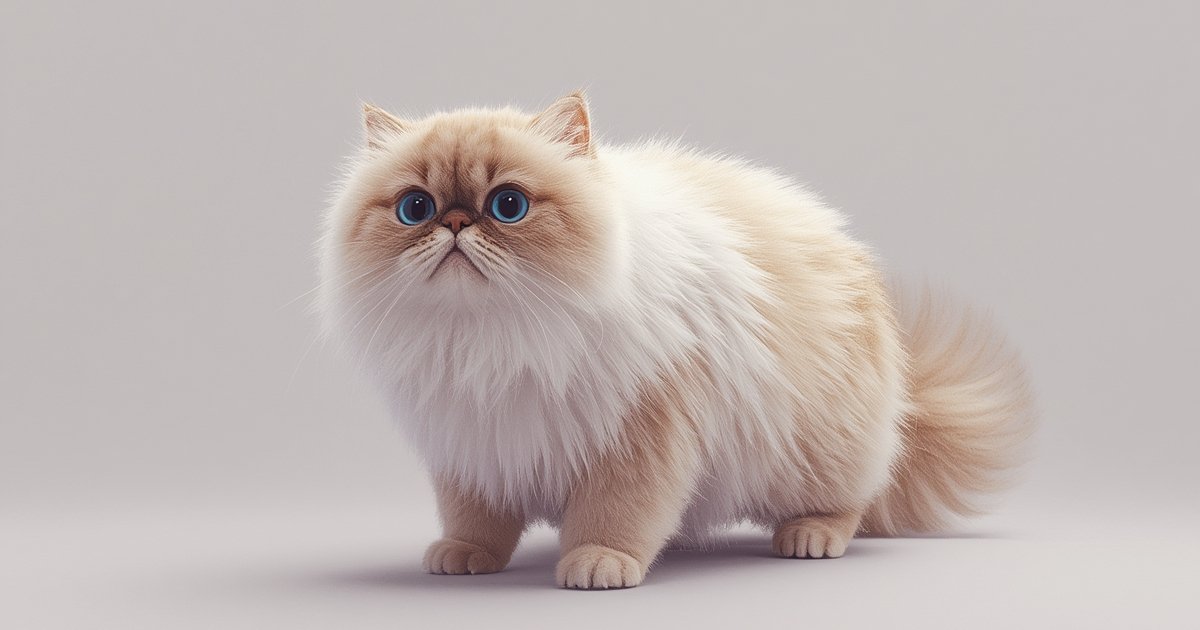
The Persian cat, with its distinctive flat face, sweet disposition, and incredibly luxurious long coat, is a true feline masterpiece. Owning one of these magnificent creatures brings immense joy, but it also comes with a unique set of responsibilities, especially when it comes to coat care. The flowing, dense fur that makes them so endearing is also prone to matting and tangling, making consistent Persian grooming not just a matter of aesthetics, but a vital component of their health and well-being.
In 2026, understanding the nuances of proper Persian grooming is more important than ever, with new tools and techniques emerging to make the process smoother for both cat and owner. This guide will provide you with practical, actionable advice to maintain your Persian’s coat without the stress, ensuring they remain comfortable, healthy, and utterly beautiful.
A well-groomed Persian is a happy Persian. Neglecting their coat can lead to painful mats, skin infections, and even behavioral issues. Regular grooming sessions strengthen the bond between you and your pet, transforming what could be a chore into a cherished routine.
Understanding the Persian Coat: The Foundation of Effective Grooming
Before diving into the how-to, it’s crucial to understand the specific characteristics of a Persian cat’s coat. This knowledge forms the bedrock of effective Persian grooming and helps you choose the right tools and techniques.
Persian cats possess a double coat, meaning they have a soft, dense undercoat beneath a longer, silkier topcoat. This combination, while beautiful, is a magnet for loose fur, debris, and potential mats. Their hair grows continuously, unlike some breeds that shed seasonally.
The texture of a Persian’s coat can vary slightly from individual to individual, ranging from extremely fine and cottony to more coarse and thick. This variation will influence how often and with what tools you approach your daily grooming routine. Regardless of the texture, the fundamental challenges remain the same: preventing mats and keeping the coat free of dirt and dander.
The Life Cycle of a Persian Cat’s Hair
Understanding the growth cycle helps in managing shedding and overall coat health. Like human hair, cat hair goes through phases of growth, resting, and shedding. However, due to the density and length of a Persian’s coat, shed hair often gets trapped within the existing fur, leading to mats if not brushed out regularly. This continuous cycle means that daily attention to Persian grooming is non-negotiable for maintaining a healthy coat.
Shedding can intensify during seasonal changes, even for indoor cats. During these periods, you might need to increase the frequency of your grooming sessions or use specific de-shedding tools to help remove the dead undercoat more effectively.
Common Coat Challenges and How to Identify Them
Recognizing potential problems early is key to preventing them from becoming severe. Here are some common issues you might encounter:
- – **Matting:** The most common issue. Mats are tangled clumps of fur that can pull on the skin, causing pain and even skin infections. They often form in high-friction areas like under the legs, behind the ears, on the belly, and around the tail.
- – **Hairballs:** Due to their long coats, Persians are prone to ingesting a lot of loose hair during self-grooming, leading to hairballs. Regular brushing significantly reduces the amount of hair ingested.
- – **Skin Issues:** Beneath matted fur, skin can become irritated, inflamed, or even develop infections. Dandruff can also be an issue, signaling dry skin or nutritional deficiencies.
- – **Greasy Coat:** While less common, some Persians can develop an oily coat, particularly if they are older or have certain health conditions. This often requires specialized shampoos and more frequent bathing.
Early detection and consistent preventative Persian grooming are the best defenses against these issues. Running your hands through their fur daily allows you to feel for tangles before they become full-blown mats.
Essential Tools for Effortless Persian Grooming
Having the right arsenal of tools is paramount for effective and stress-free Persian grooming. Investing in quality equipment will make a significant difference in the ease and success of your grooming routine.
Do not skimp on grooming tools; cheap brushes can be ineffective or even cause discomfort to your cat. Look for tools specifically designed for long-haired breeds, as these will be best suited for the unique challenges of a Persian coat.
Must-Have Grooming Tools for Your Persian
- – **Metal Comb (Fine/Medium Toothed):** This is your primary tool for daily detangling and checking for mats. The fine teeth work through tangles, while the medium teeth can finish the coat.
- – **Pin Brush:** Excellent for general brushing, removing loose hair, and stimulating the skin. Look for one with rounded pins to avoid scratching your cat’s skin.
- – **Slicker Brush:** Best for removing loose undercoat and small tangles. Use with a light hand, as the wire bristles can be sharp.
- – **Undercoat Rake/De-shedding Tool:** Designed to safely remove dead undercoat without damaging the topcoat. Use sparingly and carefully to avoid irritating the skin.
- – **Blunt-Tip Scissors:** Essential for carefully cutting out stubborn mats that cannot be combed through. Always point the tips away from the skin.
- – **Nail Clippers:** Keep your Persian’s claws trimmed to prevent them from getting caught in carpets or scratching themselves.
- – **Cat-Specific Shampoo and Conditioner:** Choose formulas designed for long-haired cats, preferably tearless and moisturizing to prevent skin dryness.
- – **Pet Hair Dryer:** A low-heat, pet-specific dryer can speed up drying time after baths, preventing chills and coat matting.
- – **Grooming Table (Optional):** A dedicated non-slip surface can make grooming much easier and safer for both you and your cat.
Comparing Modern Grooming Tools for Persians
The market for pet grooming tools has evolved, with several innovative products aiming to simplify the process. Here’s a look at some popular options that can aid in effective Persian grooming:
Comparison of Top Grooming Tools for Persian Cats
| Product | Price | Pros | Cons | Best For |
|---|---|---|---|---|
| Self-Cleaning Slicker Brush | $20-$35 | Easy hair removal with a button, effective for undercoat. | Can be sharp if not used gently, less effective for severe mats. | Daily brushing, removing loose fur, convenience. |
| Rotating Tooth Comb | $15-$25 | Teeth rotate to minimize pulling and snags, gentle on sensitive skin. | May not penetrate very dense coats as deeply, not for heavy de-shedding. | Detangling, maintaining silkiness, cats prone to skin irritation. |
| Electric De-shedding Tool (Vacuum-assisted) | $60-$120 | Significantly reduces shed hair dispersal, powerful undercoat removal. | Can be noisy and intimidating for some cats, higher upfront cost. | Seasonal de-shedding, allergy sufferers, reducing household fur. |
| Grooming Glove with Rubber Nubs | $10-$18 | Gentle massage, great for sensitive cats, removes loose surface hair. | Less effective for deep mat removal or dense undercoats. | Bonding, initial deshedding, cats new to grooming. |
| Cordless Pet Grooming Clippers (Low Noise) | $40-$80 | Ideal for sanitary clips, removing stubborn mats safely. | Requires skill to avoid nicks, blades need regular cleaning/sharpening. | Sanitary trims, emergency mat removal, professional results at home. |
When selecting tools, always consider your cat’s temperament and coat type. Some cats are more tolerant of electric tools, while others prefer the gentler touch of a traditional brush or comb.
Daily & Weekly Grooming Routines for a Pristine Coat
Consistency is the secret weapon in effective Persian grooming. Establishing a regular routine will not only keep your cat looking their best but also make the grooming process a positive experience for both of you.
Think of grooming as an opportunity for bonding and health checks. It allows you to inspect your cat for any lumps, bumps, skin irritations, or parasites that might otherwise go unnoticed.
Your Daily Persian Grooming Checklist
A short, daily session can prevent the vast majority of matting issues and significantly reduce shedding around your home.
- **Quick Comb-Through (5-10 minutes):** Use your metal comb or pin brush to gently go through the entire coat. Pay special attention to areas prone to mats: under the legs, behind the ears, the belly, and the “pantaloons” on their hind legs.
- **Face Cleaning:** Persian cats are known for their brachycephalic (flat) faces, which can lead to tear staining. Gently wipe around their eyes daily with a soft, damp cloth or a specialized pet eye wipe to prevent staining and irritation.
- **Quick Paw Check:** Inspect paws for any debris lodged between their toe beans, which can cause discomfort.
Making this a consistent, calm routine from a young age will help your Persian accept and even enjoy their daily grooming sessions. Positive reinforcement, like treats and praise, works wonders.
Weekly Deep Dive: Beyond the Daily Routine
Once a week, dedicate a more comprehensive grooming session to tackle deeper coat maintenance.
- **Thorough Brushing (20-30 minutes):** Use a combination of your pin brush, slicker brush, and metal comb. Start by gently brushing the entire coat with a pin brush, then use the slicker brush to target any tangles and remove loose undercoat. Finish with the metal comb to ensure no mats are left.
- **Nail Trimming:** Using cat-specific clippers, carefully trim the tips of your cat’s claws. Be careful to avoid the quick, which is the pink part containing blood vessels and nerves. If unsure, ask your vet or a professional groomer for a demonstration.
- **Ear Cleaning:** Inspect your cat’s ears for dirt, wax buildup, or any signs of infection. If necessary, gently clean them with a vet-approved ear cleaner and a cotton ball. Avoid using cotton swabs, which can push debris further into the ear canal.
- **Dental Care (Optional but Recommended):** Ideally, brushing your cat’s teeth a few times a week with pet-specific toothpaste and a toothbrush can prevent dental disease. If daily isn’t feasible, aim for weekly.
The Bathing Regimen: When and How
Unlike some breeds, Persians typically need regular bathing due to their long, dense coats, usually every 4-6 weeks. This helps keep their fur clean, prevents matting, and removes dander.
- **Pre-Bath Prep:** Always thoroughly brush your cat before bathing. Any mats will tighten when wet and become impossible to remove.
- **Warm Water:** Use lukewarm water. Ensure the bath area is warm to prevent chills.
- **Shampoo Application:** Use a cat-specific shampoo. Work it gently into the coat, avoiding their eyes and ears. Rinse thoroughly. Residual shampoo can irritate the skin.
- **Conditioning:** A conditioner designed for long-haired cats can help detangle and moisturize the coat, making brushing easier after the bath. Rinse thoroughly.
- **Drying:** Gently towel dry, then use a low-heat pet dryer. Brush as you dry to prevent tangles. Ensure your cat is completely dry to prevent skin issues and matting.
Introducing baths slowly and making them a positive experience with treats and praise is crucial for stress-free Persian grooming.
Tackling Common Grooming Challenges
Even with the best intentions and tools, challenges can arise in Persian grooming. Knowing how to address them calmly and effectively will save you a lot of stress.
Dealing with Mats and Tangles
Mats are the nemesis of every Persian cat owner. They are painful and can quickly escalate if not addressed. The key is to act quickly before they become severe.
- **Small Tangles:** For minor tangles, gently work them out with your metal comb, starting from the ends of the hair and working your way towards the skin. Use a detangling spray if needed.
- **Moderate Mats:** If a mat is a bit more stubborn, try to gently separate it with your fingers. Then, use the corner of your comb or a specialized mat splitter to carefully work through the mat. Always hold the fur closest to the skin to prevent pulling.
- **Severe Mats:** Large, tight mats that are close to the skin often require professional intervention. Do NOT try to cut them out with regular scissors, as it’s incredibly easy to cut the skin. If you must, use blunt-tip scissors, sliding the scissor blade parallel to the skin and cutting *into* the mat, not across it. Better yet, consider a professional groomer or vet who can safely shave them out.
Prevention through daily brushing is always better than trying to fix mats. A mat can form in just a few days if the coat is neglected.
Managing Shedding and Hairballs
Shedding is natural, but excessive shedding and frequent hairballs signal a need for more diligent Persian grooming. Regular brushing with a slicker brush and an undercoat rake can drastically reduce the amount of loose hair. This proactive approach prevents the hair from being ingested by your cat.
Diet also plays a role. Feeding a high-quality cat food rich in omega fatty acids can promote a healthier coat and reduce shedding. There are also specialized hairball-control diets and supplements available, often containing fiber to help hair pass through the digestive system more easily. Consult your vet before adding any supplements.
Overcoming Grooming Resistance
Some cats naturally resist grooming. Patience, positive reinforcement, and starting early are crucial. Keep sessions short, especially initially, and end on a positive note, even if you only achieved a small amount of grooming.
- – **Positive Association:** Always offer treats and praise during and immediately after grooming sessions.
- – **Calm Environment:** Groom your cat in a quiet, calm space where they feel safe.
- – **Gentle Touch:** Always be gentle. Rough handling can make a cat fear grooming.
- – **Break It Down:** If your cat tolerates only short sessions, break down the grooming into smaller tasks throughout the day.
- – **Professional Help:** If resistance is severe, a professional groomer can offer tips or even help desensitize your cat to the grooming process.
Diet, Environment, and Professional Support
While hands-on grooming is essential, other factors significantly impact the health and appearance of your Persian’s coat. A holistic approach to their care will yield the best results.
The Role of Nutrition in Coat Health
A healthy coat starts from within. A high-quality diet provides the necessary nutrients for strong, shiny fur and healthy skin. Look for cat foods that list real meat as the first ingredient and are rich in:
- – **Protein:** Essential for hair growth and strength.
- – **Omega-3 and Omega-6 Fatty Acids:** Promote skin hydration and a glossy coat, reducing dryness and flakiness.
- – **Vitamins and Minerals:** Biotin, Vitamin E, and Zinc are crucial for skin and coat health.
Consider supplements if recommended by your veterinarian. Fish oil, for instance, is a popular choice for supporting coat health. Always discuss dietary changes or supplements with your vet to ensure they are appropriate for your cat’s specific needs.
Environmental Factors and Coat Maintenance
Your cat’s environment can also influence their coat condition. For example, a dry indoor environment, especially during winter months, can lead to dry, flaky skin and a dull coat. Using a humidifier can help maintain better humidity levels, benefiting both your cat’s coat and your own skin.
Keeping your home clean also helps. Regularly vacuuming reduces the amount of loose fur and dust in the environment, which can transfer to your cat’s coat. Providing clean bedding and designated sleeping spots can also help keep their fur pristine between grooming sessions.
When to Seek Professional Grooming Help
Even with diligent home care, there are times when professional help is invaluable. Professional groomers have specialized tools, training, and experience in handling challenging coats and temperaments. Consider a professional for:
- – **Severe Matting:** If your cat has developed extensive, tight mats, a professional groomer can safely and painlessly remove them, often by shaving.
- – **Sanitary Trims:** Groomers can perform precise sanitary trims around the hindquarters to keep them clean, which is especially helpful for long-haired breeds.
- – **Lion Cuts:** For cats that struggle with regular grooming or have very dense coats, a “lion cut” (shaving the body while leaving the head, paws, and tail) can be an option, especially in warmer months. This significantly reduces the daily grooming burden for a period.
- – **Bathing Difficult Cats:** If your cat absolutely despises baths, a professional can often manage it more effectively and safely.
- – **Guidance:** A professional can also offer personalized advice and demonstrate techniques for your specific cat.
Regular visits to a professional groomer (perhaps every 2-3 months) can complement your home Persian grooming routine, ensuring their coat remains in optimal condition year-round.
Frequently Asked Questions About Persian Grooming
How often should I brush my Persian cat?
Ideally, you should brush your Persian cat daily for 5-10 minutes. This helps prevent mats and tangles, removes loose fur, and keeps their coat in top condition. Neglecting daily brushing, even for a few days, can lead to significant matting.
What type of brush is best for a Persian cat?
A combination of tools is best. A metal comb (with both fine and medium teeth) is essential for detangling and checking for mats. A pin brush is great for general brushing, and a slicker brush is effective for removing loose undercoat. An undercoat rake can also be useful during shedding seasons.
Do Persian cats need to be bathed regularly?
Yes, due to their long, dense coats, Persian cats generally benefit from regular baths, typically every 4-6 weeks. Bathing helps keep their fur clean, prevents matting, and removes dander and excess oils. Always use a cat-specific shampoo and conditioner.
How do I prevent mats in my Persian cat’s fur?
The best way to prevent mats is consistent daily brushing. Pay extra attention to areas prone to matting, such as behind the ears, under the legs, on the belly, and around the tail. Ensure their diet supports coat health, and consider professional trims if matting is a persistent issue.
Is it okay to shave my Persian cat?
Shaving a Persian cat (often into a “lion cut”) can be an option for severe matting, medical reasons, or to reduce grooming burden, especially in hot climates. However, it should ideally be done by a professional groomer or veterinarian to avoid injury and ensure proper regrowth. Shaving can sometimes alter coat texture upon regrowth, so discuss this with your vet or groomer first.
What should I do if my Persian cat hates grooming?
Start grooming sessions early in their life, keep them short and positive with treats and praise, and be very gentle. If your cat is highly resistant, try breaking down the grooming into very short segments throughout the day. For severe resistance, consult a professional groomer or a vet behaviorist for guidance.
References and Further Reading
- ASPCA: Cat Grooming Tips
- The Humane Society of the United States: Brushing Your Cat
- Cornell Feline Health Center: Grooming Your Cat
- PetMD: Grooming Your Persian Cat
Embracing a consistent and gentle Persian grooming routine is one of the most loving things you can do for your furry friend. By understanding their unique coat, utilizing the right tools, and making grooming a positive experience, you’ll ensure your Persian cat lives a comfortable, healthy, and beautiful life well into 2026 and beyond. A well-maintained coat is a testament to the care and affection you share.
Want more insights into pet care or specific grooming tips for other breeds? Subscribe to our newsletter or explore our other articles on Dax AI. For personalized advice, consult your veterinarian or a certified professional groomer.
Leave a Reply