

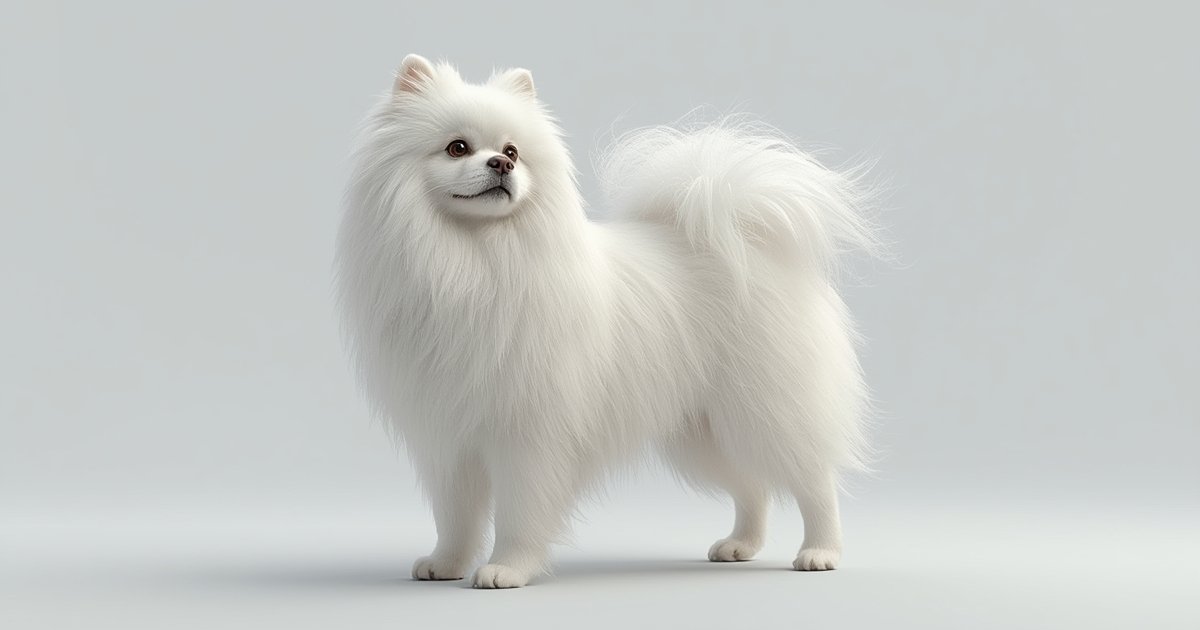
Unlock the secrets to a stunning, silky Persian coat in 2026! Discover essential Persian grooming tips, tools, and routines for a healthy, tangle-free feline.
Persian cats are renowned for their majestic, flowing coats – a true spectacle of feline beauty. Yet, behind every luxurious mane lies a dedicated owner committed to meticulous care. Achieving that coveted silky, tangle-free coat isn’t just about aesthetics; it’s fundamental to your Persian’s health and comfort. This comprehensive guide delves into the essential techniques and insider knowledge for superior Persian grooming, ensuring your beloved companion looks and feels their absolute best, now and into 2026. Forget the struggle of matted fur; it’s time to master the art of maintaining their glorious mane.
Understanding the Unique Persian Coat
The Persian cat’s coat is a marvel of nature, characterized by its long, dense, double-layered structure. This luxurious fur, while beautiful, is also prone to matting and tangling if not meticulously cared for. Understanding its unique characteristics is the first step in effective Persian grooming.
The Double-Layered Challenge
Persians possess both a soft, woolly undercoat and a longer, coarser guard hair outer layer. The undercoat is particularly susceptible to knotting, especially during shedding seasons. Without regular attention, these knots can quickly escalate into painful mats that pull on the skin.
This dual-layer system provides excellent insulation but demands consistent effort to prevent entanglement. The fine undercoat traps loose hair, forming dense clusters that, if ignored, can become solid, uncomfortable mats. These mats not only look unsightly but can also hide skin infections, parasites, and restrict your cat’s movement.
Why Regular Grooming is Non-Negotiable
Beyond aesthetics, consistent Persian grooming prevents a host of skin issues, significantly reduces hairballs, and strengthens your bond with your cat. Mats can harbor bacteria, fungi, and even parasites, leading to painful skin irritations and infections beneath the tangled fur. They can also restrict blood circulation, causing discomfort and potentially more serious health problems.
Regular brushing helps distribute natural skin oils, promoting a healthy sheen and minimizing dryness. It also provides an opportunity to check for any lumps, bumps, or skin abnormalities early on. Moreover, the bonding time spent during grooming can be incredibly soothing for both you and your feline friend.
Essential Tools for Effective Persian Grooming
Having the right arsenal of grooming tools is crucial for maintaining a healthy, mat-free Persian coat. Investing in high-quality brushes, combs, and clippers will make the grooming process smoother for both you and your cat. Don’t underestimate the impact of specialized equipment on your Persian grooming routine.
Choosing the Right Brushes and Combs
Not all grooming tools are created equal, especially when dealing with a Persian’s luxurious but demanding coat. A combination of specific brushes and combs will address different layers and types of tangles. Familiarize yourself with their uses to maximize your efficiency and ensure thorough Persian grooming.
Slicker Brush
A slicker brush features fine, short wires packed closely together, ideal for removing loose hair from the topcoat and preventing surface mats. Use it gently, working in small sections to avoid irritating your cat’s delicate skin. Always brush in the direction of hair growth with light, feathery strokes.
This type of brush is excellent for the initial pass to remove surface debris and loose hairs. It helps to fluff up the coat and ensure all strands are separated before deeper combing. Choose one with coated tips for extra comfort, especially for sensitive cats.
Metal Comb (Wide-Tooth & Fine-Tooth)
A high-quality metal comb is indispensable for deep detangling and reaching the dense undercoat. Start with the wide-tooth section to work through larger tangles and then switch to the fine-tooth end for smaller knots and finishing. Always comb slowly and patiently, especially around sensitive areas like the belly, armpits, and hindquarters.
The metal comb is your primary tool for finding and carefully working out any developing mats. Hold the base of the hair near the skin when combing through tangles to minimize pulling and discomfort. Regular use of a metal comb is the cornerstone of effective Persian grooming.
Dematting Rake or Comb
For more stubborn mats, a dematting rake can be a lifesaver, but it must be used with extreme caution. These tools have sharp blades designed to cut through mats without pulling the surrounding fur. However, improper use can easily injure your cat, so consider professional guidance if you’re unsure or inexperienced.
Only use a dematting rake on actual mats, never on loose fur. Work in small sections, always placing your fingers between the tool and your cat’s skin to protect them. These are not everyday tools but can be invaluable for salvage work before a mat becomes too severe for home removal.
Comparison of Essential Persian Grooming Tools
| Product | Price | Pros | Cons | Best For |
|---|---|---|---|---|
| Slicker Brush (Small/Medium) | $10-$25 | Excellent for topcoat, removing loose hair, preventing surface mats. Gently fluffs the coat. | Can scratch skin if used too harshly; wires can bend over time, reducing effectiveness. | Daily general detangling and finishing for an overall smooth appearance. |
| Metal Comb (Dual-Density) | $15-$35 | Indispensable for deep detangling, checking for mats in the undercoat, and precise grooming. | Requires patience and careful technique; can pull hair if not used delicately. | Working through undercoat tangles, detailed spot grooming, and mat identification. |
| Dematting Rake/Comb | $20-$40 | Effective for carefully breaking apart and cutting through existing, stubborn mats without excessive pulling. | Sharp blades require extreme caution to prevent skin injury; not for everyday use. | Targeting and safely removing medium to large, formed mats that resist combing. |
Pet Clippers (Optional)
While not for everyday use, quiet, cat-specific clippers can be useful for sanitary trims or carefully shaving down severe mats that cannot be brushed out. Choose a model that operates quietly to minimize stress for your cat. Cordless options offer greater flexibility and ease of movement during use.
If considering clippers, select one with various guard combs to control hair length and ensure safety. Professional guidance is highly recommended for clipper use, especially for delicate areas or when dealing with matted fur that is tight against the skin. Attempting to shave mats without proper training can result in serious skin lacerations.
The Step-by-Step Daily Grooming Routine
Consistency is paramount when it comes to maintaining a Persian’s coat. A daily grooming routine, even if short, will prevent most major matting issues and keep your cat comfortable. This systematic approach forms the core of effective Persian grooming and minimizes future problems.
1. The Gentle Brush-Out
Begin by gently brushing your Persian’s entire body with a slicker brush. Start at the head and work your way down to the tail, paying special attention to areas prone to matting like behind the ears, armpits, belly, and “britches.” Use short, light strokes in the direction of hair growth to avoid discomfort.
This initial step helps to remove loose hair and minor surface tangles, preparing the coat for deeper work. It’s also an excellent opportunity to visually inspect your cat’s skin for any abnormalities or parasites. Make it a relaxing experience with calm interactions.
2. Deep Combing for the Undercoat
After the initial brush-out, use your metal comb. Part the fur and comb small sections, working from the skin outwards. This ensures you’re reaching the dense undercoat and removing any hidden tangles that the slicker brush might have missed. Be extra gentle around the sensitive areas.
This is arguably the most crucial step in daily Persian grooming. By systematically combing through small sections, you can detect and address knots before they become serious mats. A good technique involves holding the hair at the base while combing to prevent skin pulling.
3. Tackling Minor Tangles and Mats
If you encounter a small tangle, try to gently tease it apart with your fingers before using the comb. Hold the fur at the base of the tangle to minimize pulling on the skin. For more stubborn but small knots, a tiny bit of cornstarch can help loosen them, allowing you to comb them out more easily without causing pain.
Never try to yank or pull through a tangle forcefully. Patience is key. If a mat is too tight or large for manual removal, consider using a dematting tool with extreme care or, preferably, seek professional help to avoid injuring your cat’s delicate skin.
4. Eye and Nose Cleaning
Persians are known for their brachycephalic (flat) faces, which can lead to tear staining and nasal discharge. Use a soft, damp cloth or specialized pet eye wipes to gently clean around their eyes and nose daily. This prevents crust build-up, staining, and keeps their face clean and comfortable.
Be very gentle in these sensitive areas. Wipe downwards and away from the eye itself. Regular cleaning not only improves appearance but also prevents skin irritation and potential infections that can arise from prolonged moisture and bacterial growth.
5. Ear Checks and Cleaning
Once a week, check your Persian’s ears for dirt, wax buildup, or any signs of infection. Use a vet-approved ear cleaner and cotton ball (never cotton swabs deep in the ear canal) to gently wipe the outer ear flap and visible canal. Look for any redness, swelling, or unusual odors.
If you notice excessive debris, a foul odor, redness, or if your cat is shaking their head or scratching their ears, consult your veterinarian. These could be signs of an ear infection or mites requiring medical attention. Regular checks are a crucial part of holistic Persian grooming.
6. Nail Trimming
Regular nail trims every 2-4 weeks are essential for your Persian’s comfort and to prevent ingrown nails or damage to furniture. Use sharp, cat-specific clippers and only trim the very tip of the nail, avoiding the quick (the pink part containing blood vessels and nerves).
If you’re unsure how to trim nails safely, ask your vet or groomer for a demonstration. Having sharp clippers is important; dull clippers can crush the nail and cause discomfort. Gradually introduce nail trims to your cat and offer treats for positive reinforcement.
Bathing Your Persian: A Comprehensive Guide
While daily brushing is vital, periodic bathing is also necessary to keep a Persian’s coat truly clean, soft, and free of oil buildup that can contribute to matting. This can be one of the most challenging aspects of Persian grooming, but with the right approach, it can be a smooth process.
Preparing for the Bath
Preparation is key to a stress-free bath. Before you even think about water, thoroughly brush and comb your cat to remove as many tangles and loose hairs as possible. Never bathe a matted cat, as water will only tighten the mats, making them impossible to remove without significant pain and possibly shaving.
Gather Your Supplies:
- Two large, absorbent towels (one for immediate drying, one for wrapping after).
- Cat-specific shampoo and conditioner (hypoallergenic, tear-free, and moisturizing are ideal).
- A non-slip mat for the tub or sink to ensure stability and comfort.
- Cotton balls for ears (to gently plug ears and prevent water from entering the ear canal).
- A small cup or pitcher for thorough rinsing.
- Plenty of high-value treats for positive reinforcement before, during, and after the bath.
The Bathing Process: Step-by-Step
1. Gentle Introduction to Water
Place your cat gently on the non-slip mat in a shallow tub or sink. Start by wetting their fur with lukewarm water from a showerhead on a gentle setting or using your pitcher. Always speak in a calm, soothing voice to reassure your cat. Avoid getting water in their eyes or ears, as this can be very startling.
Maintain a constant, comfortable water temperature. If your cat is particularly anxious, you might introduce them to the water gradually over several short sessions. Positive association is key to making bathing a less stressful part of Persian grooming.
2. Shampoo Application
Apply a small amount of cat shampoo, working it gently into the fur. Start from the neck and work your way down to the tail, focusing on lathering well, but without harsh scrubbing that can cause tangles. Be thorough but quick, as prolonged bathing can be stressful for your cat.
Pay extra attention to greasy areas like the tail (where “stud tail” can occur) and around the sanitary regions. Ensure you’re working the shampoo all the way down to the skin to clean thoroughly. Use a soft sponge or your fingertips to gently massage the shampoo in.
3. Thorough Rinsing
Rinse your cat’s fur thoroughly until all traces of shampoo are gone. Residual shampoo can irritate the skin, lead to dryness, and result in a dull, sticky coat that attracts dirt and mats more easily. This step often takes longer than the washing itself, so be patient.
Continue rinsing until the water runs clear and the fur feels squeaky clean, without any slippery residue. Any shampoo left behind can cause skin flaking or itching, negating the benefits of the bath. Lift sections of fur to ensure water penetrates to the skin.
4. Conditioning (Optional but Recommended)
If using a conditioner, apply it following the product instructions, usually leaving it on for a few minutes before rinsing. Conditioner helps detangle and soften the fur, making subsequent brushing easier and reducing static. It also provides extra moisture to the skin and coat.
Just like with shampoo, rinse the conditioner meticulously. Ensure no residue remains, as this can weigh down the coat and make it feel greasy. A good conditioner can make a significant difference in the manageability and luster of your Persian’s fur.
Drying Your Persian
Drying is as important as washing to prevent matting and chilling. Gently squeeze excess water from their fur with your hands. Wrap your cat immediately in a soft, absorbent towel and gently pat them dry. Replace with a second dry towel if needed, absorbing as much moisture as possible.
Many Persians tolerate a low-heat, low-speed pet dryer, but introduce it slowly and carefully, keeping a safe distance. Always use the lowest heat setting to avoid burning their skin. Brush their fur gently as it dries to prevent tangles from forming and to help air circulation. Never leave a long-haired cat to air dry completely, as this significantly increases the risk of matting and skin issues.
Diet, Supplements, and Hydration: Internal Factors for External Luster
The saying “you are what you eat” applies equally to your Persian cat’s magnificent coat. Optimal nutrition plays a fundamental role in the health and luster of their fur, making it a crucial component of effective Persian grooming. A healthy coat truly starts from within.
High-Quality Diet is Key
Feed your Persian a high-quality, balanced diet rich in animal protein. Look for cat foods that list meat (chicken, fish, turkey, beef) as the first ingredient. Avoid foods with excessive fillers, artificial colors, by-products, or large amounts of grains, which can contribute to allergies and poor coat condition.
Premium ingredients provide the necessary building blocks for healthy skin, strong hair follicles, and a consistently shiny coat. A diet tailored to their age and activity level will ensure they receive all vital nutrients for overall well-being and a radiant appearance.
Essential Nutrients for Coat Health:
- **Omega-3 and Omega-6 Fatty Acids:** Found in fish oil, flaxseed, and some specialized cat foods. These essential fatty acids promote skin hydration, reduce inflammation, and contribute to a soft, glossy, and less brittle coat.
- **Biotin:** A B vitamin known for its vital role in healthy skin, hair, and nails. Biotin helps in the metabolism of fats and amino acids, which are crucial for hair growth and strength.
- **Vitamins A and E:** Powerful antioxidants that support skin cell health, repair, and regeneration. Vitamin E also helps maintain skin moisture, while Vitamin A is essential for healthy epithelial tissues.
- **Zinc:** Important for cell growth, immune function, and wound healing, all of which directly impact skin and coat health. A deficiency can lead to dry, flaky skin and poor coat quality.
Supplements for Extra Support
While a balanced diet should provide most nutrients, some Persians may benefit from specific supplements, especially if they have dull fur, dry skin, excessive shedding, or allergy-related issues. Always consult your veterinarian before adding any supplements to your cat’s diet to ensure safety and appropriateness.
Popular Coat Supplements:
- **Fish Oil (e.g., Salmon Oil):** A fantastic and highly effective source of Omega-3 fatty acids, particularly EPA and DHA. Choose a product specifically formulated for pets to ensure proper dosage and purity, often available in liquid or capsule form.
- **Skin and Coat Chews:** Many reputable brands offer palatable supplements containing a blend of biotin, Omega fatty acids, and essential vitamins designed to promote skin and coat health. These can be an easy way to administer beneficial nutrients.
- **Probiotics:** A healthy gut often translates to healthy skin and coat, as nutrient absorption is optimized, and systemic inflammation is reduced. Probiotics can support a balanced microbiome, which indirectly benefits external appearance.
Hydration is Crucial
Adequate water intake is vital for overall health, including skin and coat condition. Dehydration can lead to dry, flaky skin and a dull, brittle coat that is more prone to matting. Encouraging your Persian to drink more water is a simple yet powerful step in comprehensive Persian grooming.
Cats naturally have a low thirst drive, especially if fed a dry kibble-only diet. Proactive measures to increase their water intake can significantly improve their skin elasticity and coat luster, helping to prevent issues like dandruff and excessive shedding.
- Providing multiple water bowls around the house, ensuring they are always fresh and clean.
- Using ceramic or stainless steel bowls, as some cats dislike the taste or smell that plastic bowls can impart.
- Offering a pet water fountain, which often entices cats to drink more with circulating, oxygenated, and cool water. Many cats prefer moving water.
- Incorporating wet food into their diet, which has a significantly higher moisture content compared to dry kibble, boosting their daily water intake effortlessly.
Tackling Common Persian Grooming Challenges
Even with a meticulous routine, Persian cats can present specific grooming challenges due to their unique physical characteristics. Knowing how to address these common issues effectively is crucial for maintaining their comfort and health. Proactive Persian grooming can prevent many of these problems from becoming severe.
Tear Stains
Due to their flat faces (brachycephalic structure), Persians are prone to excessive tearing and subsequent reddish-brown tear staining around their eyes. These streaks can be unsightly and, if left uncleaned, can lead to skin irritation, bacterial growth, and even infection beneath the fur. This is a very common aspect of Persian grooming.
- **Daily Cleaning:** Gently wipe the area around their eyes with a soft, damp cloth (preferably lint-free), a cotton ball moistened with plain warm water, or specialized pet eye wipes. Wipe away from the eye itself.
- **Product Use:** Some pet-safe tear stain removers are available, but consult your vet before using any chemical products, especially near such sensitive areas. Avoid human eye drops or harsh cleansers.
- **Underlying Issues:** Persistent or excessive tearing might indicate an underlying health issue (e.g., allergies, blocked tear ducts, eyelid abnormalities, eye infections) and warrants a vet visit. Your vet can rule out medical causes.
Stud Tail
Stud tail, or feline tail gland hyperplasia, is a condition where the sebaceous glands on the top of the tail become overactive, leading to greasy, waxy, matted fur, blackheads, and even infection. It’s more common in intact males but can affect any cat. Addressing this proactively is an important part of comprehensive Persian grooming.
- **Deep Cleaning:** Gently degrease the affected area with a mild pet shampoo or a specialized degreasing shampoo. You might need to repeat the wash and let the shampoo sit for a few minutes to break down the oils.
- **Trimming:** In severe cases, carefully trimming the hair in the affected area (a “tail shave”) can help with ventilation, facilitate cleaning, and prevent further oil buildup and matting. This should be done by a professional or with extreme care.
- **Veterinary Consultation:** If the area becomes inflamed, infected, or if you suspect an underlying hormonal issue (e.g., in intact males, neutering can often resolve the issue), seek veterinary advice. Medicated shampoos or antibiotics may be required.
Matted Fur: Prevention and Removal
Mats are the bane of Persian ownership. Prevention through diligent daily brushing is always best, but if mats do form, here’s how to approach them safely and humanely. Never ignore a mat, as it will only grow larger and more painful.
- **Never Cut with Scissors (Close to Skin):** This is extremely dangerous. The skin of a cat is very thin and can be easily drawn up into a tight mat, making it impossible to cut the mat without seriously injuring your cat. This is a common cause of emergency vet visits.
- **Gentle Dematting:** For small, loose mats, try to work them out with your fingers first, then a wide-tooth comb. Always hold the fur at the base of the mat to prevent pulling on the skin. A tiny bit of cornstarch can sometimes help loosen the hairs within the mat.
- **Dematting Tools:** Use dematting rakes or specialized mat splitters only if you are confident and skilled in their use, taking extreme care. These tools have sharp blades, and improper use can cause injury.
- **Professional Help:** For severe or extensive matting, the safest and most humane option is often to consult a professional groomer or veterinarian. They have specialized tools and expertise to carefully shave out mats, preventing pain, stress, and skin injury. Sometimes, sedation may be required for extensive mat removal.
Professional Grooming vs. DIY: When to Call the Experts
While DIY Persian grooming is achievable and rewarding, there are times when professional help is not just convenient but absolutely essential. Understanding when to seek expert assistance can save you and your cat considerable stress, pain, and potential injury.
Benefits of Professional Grooming
Professional groomers possess specialized tools, extensive training, and experience in handling all types of cat temperaments and coat conditions. Their expertise goes beyond basic brushing and bathing, providing a comprehensive service. They can:
- **Effectively Remove Mats:** Safely and skillfully remove even severe, pelt-like matting using specialized clippers, often without causing skin irritation or injury. They know how to work close to the skin without cutting it.
- **Perform Sanitary Trims:** Accurately trim fur around the sanitary areas, which is crucial for hygiene, preventing waste buildup, and maintaining cleanliness, especially for long-haired breeds like Persians.
- **Provide Full Baths and Blow-Dries:** Offer a thorough bath using professional-grade shampoos and conditioners, followed by a safe and efficient blow-dry process that prevents matting during drying.
- **Address Specific Issues:** Expertly identify and address issues like stud tail, excessive shedding, dry skin, or other coat and skin concerns, often recommending appropriate treatments.
- **Offer Lion Cuts:** If your Persian consistently struggles with matting despite regular home care, or if they are prone to overheating, a professional “lion cut” can be a humane and practical solution, providing a fresh start for their coat.
When to Seek Professional Help
Knowing when to call in the experts is a sign of responsible pet ownership. Attempting to tackle certain grooming challenges at home can be dangerous for both you and your cat. Consider professional assistance in these situations:
- **Severe Matting:** If your cat has large, tight, or extensive mats that you cannot safely remove with a comb or dematting tool without causing pain or risking injury. Professional intervention is critical to prevent skin damage.
- **Aggressive or Stressed Cat:** If your cat becomes overly aggressive, highly anxious, or extremely stressed during home grooming attempts, a professional groomer who is experienced in handling difficult temperaments can often achieve better results with less trauma.
- **Time Constraints:** If you simply don’t have the time or physical ability for the daily commitment required for comprehensive Persian grooming, delegating to a professional ensures your cat still receives necessary care.
- **Special Needs:** For elderly, sick, or obese cats who may struggle with self-grooming or tolerate home grooming poorly due to pain, mobility issues, or fear, a professional can provide gentle, adapted care.
- **Learning and Guidance:** A professional groomer can also offer valuable tips, demonstrate proper techniques, and recommend suitable tools, enhancing your DIY Persian grooming skills for future home maintenance.
Maintaining a Persian’s coat is undoubtedly a labor of love, but with the right tools, techniques, and consistent dedication, that magnificent silky fur is entirely achievable. From daily detangling and strategic bathing to optimal nutrition and proactive problem-solving, every step contributes to your cat’s health, comfort, and undeniable beauty. Remember, effective Persian grooming isn’t just about appearance; it’s a vital part of their overall well-being and a testament to the special bond you share.
By implementing these comprehensive strategies and knowing when to enlist professional help, you’re well-equipped to keep your Persian cat looking their absolute best, radiating health and elegance for years to come. Start incorporating these tips today, and watch your beloved feline flourish!
Want personalized grooming advice or have specific concerns about your Persian’s coat? Contact us today for expert guidance!
Frequently Asked Questions (FAQ)
How often should I groom my Persian cat?
Ideally, a Persian cat should be brushed daily, even if just for 10-15 minutes, to prevent mats from forming. This daily routine is crucial for their long, dense coats. Full baths are usually recommended every 4-8 weeks, depending on their activity level, coat condition, and whether they are an indoor or outdoor cat. Regular ear checks and nail trims every 2-4 weeks are also crucial components of ongoing Persian grooming.
What should I do if my Persian hates being groomed?
Introduce grooming slowly and positively, starting when they are kittens if possible. Use short, frequent sessions, gentle brushes, and offer plenty of treats and praise. Get them used to being handled from a young age. If your cat is still highly resistant or aggressive, consult a professional groomer or your vet for advice on safe handling techniques, behavioral training, or, in extreme cases, mild sedation options to ensure necessary grooming can be performed without trauma.
Can I shave my Persian cat?
Shaving a Persian cat, often referred to as a “lion cut,” should generally be reserved for specific situations, such as severe matting that cannot be brushed out, for medical reasons recommended by a vet (e.g., skin conditions), or if the cat consistently struggles with overheating in warm climates. While it can offer a fresh start and reduce shedding, it’s a significant change to their natural insulation and should always be done by a professional groomer to avoid skin irritation, nicks, or uneven regrowth. Discuss the pros and cons with your vet or groomer first.
How can I prevent hairballs in my Persian?
Consistent daily brushing is the most effective way to prevent hairballs by physically removing loose fur before your cat can ingest it during self-grooming. A high-fiber diet, hairball-specific cat foods, and supplements (like psyllium husk, specialized hairball pastes, or petroleum-based laxatives) can also help hairballs pass through their digestive system more easily. Proper Persian grooming directly reduces the amount of fur ingested, thus minimizing hairball formation.
Are there specific products for sensitive skin Persians?
Yes, many reputable brands offer hypoallergenic, fragrance-free, or oatmeal-based shampoos and conditioners specifically designed for cats with sensitive skin. Look for products that are pH-balanced for felines and contain soothing ingredients like aloe vera or colloidal oatmeal. Always choose products formulated for cats, as human products can disrupt their skin’s natural pH balance and cause irritation. Consult your vet if your Persian has persistent skin sensitivities, as it could indicate allergies, parasites, or another underlying dermatological condition requiring specific treatment.
Leave a Reply