

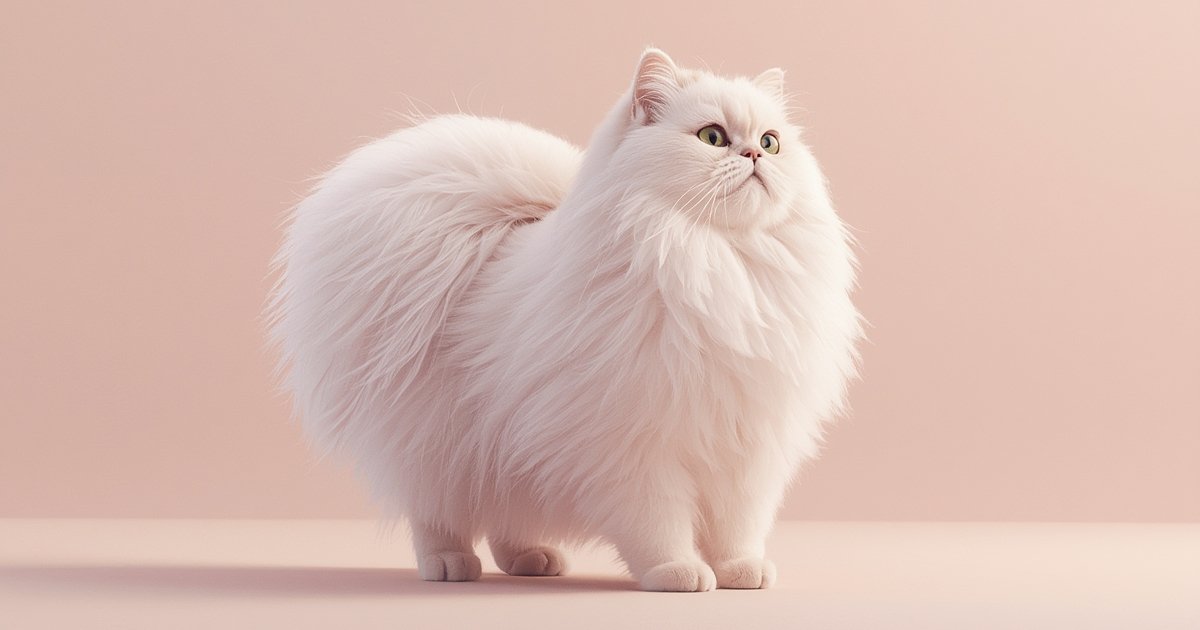
Unlock the secrets to a stunning, healthy coat with our ultimate Persian grooming guide for 2026. Learn daily routines, essential tools, and expert tips for your beloved feline.
The Royal Welcome: Embracing Persian Grooming Excellence
The majestic Persian cat, with its distinctive flat face and flowing, luxurious coat, is a sight to behold. This stunning appearance, however, doesn’t happen by accident. It requires dedication and a consistent routine, making proper Persian grooming an essential part of their care. For any Persian cat owner, understanding the nuances of their unique fur is the first step towards maintaining their pet’s health and iconic beauty.
The year 2026 brings no less demand for excellent feline care, and your Persian’s well-being relies heavily on a meticulous grooming regimen. This guide will walk you through everything you need to know, from selecting the right tools to mastering daily techniques, ensuring your fluffy companion remains happy, healthy, and impeccably presented. Get ready to transform your grooming sessions into bonding experiences.
Understanding Your Persian’s Luxurious Coat
A Persian cat’s coat is arguably its most defining feature, but it’s also its most demanding. Unlike many other breeds, Persians possess a long, dense double coat. This means they have a soft, woolly undercoat and a longer, silkier topcoat. While beautiful, this combination is highly prone to matting and tangling, requiring constant attention.
Without proper and regular Persian grooming, mats can quickly form close to the skin. These mats are not only unsightly but can also cause significant discomfort and even pain for your cat. They can pull on the skin, restrict movement, and create breeding grounds for skin infections, parasites, or hot spots. Understanding this unique coat structure is fundamental to effective care.
The Unique Double Layer
The double coat acts as insulation, protecting your Persian from both heat and cold. However, the fine undercoat sheds frequently, and if not removed, it becomes trapped within the longer guard hairs, leading to tangles. This shedding is continuous, intensifying seasonally, which means grooming needs remain high year-round.
The texture of a Persian’s fur can vary slightly from cat to cat, some having softer, more cotton-like coats, while others have a silkier feel. Regardless of the exact texture, the principle remains the same: regular brushing is paramount to prevent knots from escalating into painful mats. Effective Persian grooming starts with acknowledging these unique characteristics.
Why Daily Persian Grooming is Non-Negotiable
Given the nature of their fur, a quick brush once a week simply won’t suffice for most Persians. Daily grooming is often recommended to stay on top of shedding and prevent the formation of mats. This doesn’t necessarily mean an hour-long session every day, but rather consistent, shorter sessions that target problem areas.
These daily interactions also serve as valuable health checks. While grooming, you can inspect your cat for any skin irritations, lumps, fleas, or changes in their physical condition that might otherwise go unnoticed. This proactive approach to Persian grooming contributes significantly to their overall health and longevity.
Essential Tools for Optimal Persian Grooming
Having the right arsenal of grooming tools is crucial for any Persian owner. Investing in high-quality equipment will not only make the process easier and more efficient but also more comfortable for your cat. Skimping on tools can lead to frustration for both you and your feline friend.
A good grooming kit for a Persian cat should include a variety of brushes, combs, and hygiene products. Each tool serves a specific purpose in maintaining their magnificent coat and ensuring their general well-being. Proper Persian grooming relies heavily on having these essentials at hand.
Brushes and Combs for Every Need
– **Slicker Brush:** Excellent for removing loose fur from the topcoat and stimulating the skin. Choose one with bent wire bristles and rubber tips to prevent scratching your cat’s delicate skin.
– **Metal Comb (Fine and Coarse Teeth):** This is your most important tool for detecting and gently working out tangles and mats. The fine teeth are for delicate areas like the face, while the coarse teeth are for the body. Look for a comb with rounded teeth.
– **Pin Brush:** Useful for general brushing and fluffing the coat without pulling too much hair. It’s gentle and can be used for daily maintenance, especially after a bath.
– **Dematter Tool/Mat Splitter:** A specialized tool with sharp, curved blades designed to safely cut through tight mats without pulling too much fur. Use with extreme caution and only when necessary.
– **Blunt-nosed Scissors:** Essential for carefully trimming away small, stubborn mats or fur around sensitive areas like the eyes, paws, and sanitary region.
Shampoos, Conditioners, and Detangling Sprays
Choosing the right bathing products is just as important as the brushes. Persian cats require specialized shampoos that are gentle, tearless, and formulated for long-haired breeds. Look for products that condition the fur, making it softer and less prone to tangles.
– **Cat-Specific Shampoo:** Never use human shampoo, as it can be too harsh and disrupt your cat’s skin pH. Opt for moisturizing, hypo-allergenic, or de-shedding formulas designed for long-haired cats.
– **Conditioner:** A good conditioner will help to detangle the fur, add shine, and prevent static. It makes the coat smoother and easier to brush after drying.
– **Detangling Spray:** Apply these sprays to stubborn knots before brushing to help loosen them and reduce discomfort for your cat. They often contain conditioning agents that protect the fur.
– **Eye Wipes/Stain Remover:** Persians are prone to tear staining due to their brachycephalic (flat) faces. Gentle wipes or specific stain removers are necessary for daily cleaning around the eyes.
– **Ear Cleaner:** A vet-approved ear cleaning solution is needed to gently clean your cat’s ears and prevent wax buildup or infections.
– **Nail Clippers:** Use sharp, cat-specific nail clippers to keep your Persian’s claws at a healthy length. Guillotine or scissor-style clippers are common choices.
Comparison of Top Grooming Essentials
Choosing the right products can significantly impact the ease and effectiveness of your Persian grooming routine. Here’s a comparison of some highly-rated essentials commonly recommended for long-haired breeds:
| Product | Price | Pros | Cons | Best For |
|---|---|---|---|---|
| Hertzko Self-Cleaning Slicker Brush | $15-$20 | Excellent for removing loose undercoat and mats. Self-cleaning feature makes cleanup easy. Durable and comfortable handle. | Can be too harsh if not used gently, some cats dislike the feel of the bristles. | Daily brushing, de-shedding, preventing mats. |
| Safari Cat Shedding Comb (Metal) | $8-$12 | Versatile with both fine and coarse teeth. Essential for checking for tangles close to the skin. Sturdy and long-lasting. | Can pull hair if not used carefully, requires patience for larger mats. | Detail work, checking for mats, general detangling. |
| Petology De-Shedding & Detangling Shampoo | $18-$25 | Specifically formulated for long-haired pets, helps reduce shedding and detangle. Sulfate-free and gentle on skin. | Higher price point compared to basic shampoos, scent might not appeal to all. | Regular baths, shedding season, improving coat manageability. |
| Chris Christensen Ice on Ice Detangling Spray | $25-$35 | Professional-grade detangler and conditioner. Reduces static, adds shine, and makes brushing easier. | Premium price, can leave a slight residue if overused. | Pre-brushing, show coat preparation, stubborn tangles. |
Mastering the Daily Persian Grooming Routine
Consistency is key when it comes to Persian grooming. Establishing a daily routine from a young age will help your cat become accustomed to the process, making it a more pleasant experience for everyone involved. Start with short, positive sessions and gradually increase their duration.
Always ensure your cat is calm and relaxed before starting. Choose a quiet time and a comfortable surface, like a non-slip mat on a table or your lap, where you have good visibility and access to all areas of their body. Have treats ready for positive reinforcement.
The Art of Gentle Brushing
1. **Start with a Soft Approach:** Begin with a pin brush or a very gentle slicker brush to go over the entire coat, removing superficial loose hair and any dust. This also helps to relax your cat.
2. **Section by Section:** Divide your cat’s fur into sections. Begin with areas your cat tolerates well, like their back, then move to more sensitive spots such as the stomach, armpits, and hind legs. Always brush in the direction of hair growth.
3. **Use the Metal Comb:** This is where the real work of Persian grooming happens. Using the coarse side first, gently comb through the fur, working your way down to the skin. If you encounter a knot, do not pull. Switch to the fine side of the comb for delicate areas like behind the ears, the ruff, and the “pantaloons” on their back legs.
4. **Focus on Problem Areas:** Pay extra attention to areas prone to matting: under the chin, behind the ears, armpits, inside the hind legs, and the tail base. These are high-friction areas where mats form quickly.
5. **Finish with a Fluff:** Once you’ve combed out all tangles, use the slicker brush or pin brush again to fluff up the coat, leaving it smooth and airy.
Tackling Tangles and Preventing Mats
Prevention is always better than cure. Daily brushing helps significantly reduce mat formation. However, if you find a tangle, address it immediately before it becomes a large, painful mat.
– **Don’t Pull:** Never pull on a tangle. This will hurt your cat and make them associate grooming with pain.
– **Use Detangling Spray:** Spritz a detangling spray directly onto the knot. Gently work it into the fur with your fingers, then try to tease the knot apart with the fine-toothed metal comb, starting from the outer edge of the tangle and working inwards.
– **The “Line Brushing” Technique:** This method ensures you reach the skin. Use one hand to part the fur, exposing a “line” of skin. Brush the fur below the line downwards and outwards, ensuring your brush or comb goes all the way to the skin. Move the part upwards and repeat.
– **Blunt-nosed Scissors or Mat Splitter:** For very stubborn or tight mats, a mat splitter can be carefully used to slice through the mat, making it easier to comb out. For mats very close to the skin, it is often safer to carefully cut them out with blunt-nosed scissors. Always point the scissors away from the skin and slide a comb between the mat and the skin as a guard.
– **Know When to Stop:** If a mat is too large or too close to the skin, do not attempt to remove it yourself. A professional groomer or veterinarian can safely shave it off without injuring your cat. Aggressive Persian grooming attempts can cause skin tears.
Beyond the Brush: Bathing and Hygiene
While daily brushing is paramount, regular baths are also essential for maintaining the cleanliness and health of your Persian’s coat. Persians typically require bathing every 4-6 weeks, or more frequently if they get particularly dirty. This is a crucial part of comprehensive Persian grooming.
The Pre-Bath Prep and Gentle Washing
1. **Thorough Brushing:** Before *any* bath, brush your Persian thoroughly to remove all loose hair and any tangles. Water will tighten knots, making them impossible to remove after the fact.
2. **Gather Supplies:** Have everything ready: two towels, cat-specific shampoo and conditioner, a cup for rinsing, cotton balls for ears, and tearless eye protectant.
3. **Protect Ears and Eyes:** Place cotton balls gently in your cat’s ears to prevent water from entering. Apply a drop of mineral oil or an ophthalmic ointment to their eyes as a protectant.
4. **Use Lukewarm Water:** Fill a sink or tub with a few inches of lukewarm water. Gently place your cat into the water, speaking soothingly. Use a shower sprayer or a cup to thoroughly wet their coat, avoiding direct spray on their face.
5. **Apply Shampoo and Condition:** Lather a small amount of shampoo, working it gently into the fur from neck to tail. Pay attention to greasy areas. Rinse thoroughly until no suds remain. Apply conditioner if using, let it sit for a minute, then rinse equally thoroughly. Residual shampoo can cause skin irritation.
Drying Techniques for a Fluffy Finish
Proper drying is just as important as washing. An incompletely dried Persian coat is a recipe for matting and potential skin issues.
– **Towel Dry:** Immediately wrap your cat in a warm towel and gently blot and rub to remove as much water as possible. Use a second dry towel if necessary.
– **Blow Dry (Low Heat):** Many Persians tolerate a blow dryer if introduced gently. Use a pet-specific dryer or a human dryer on a low, cool setting. Keep the dryer moving constantly to avoid overheating any one spot. Brush their fur as you dry to prevent tangles and help it dry fluffy. If your cat tolerates it, professional pet dryers offer superior airflow and lower heat.
– **Air Dry (Carefully):** If your cat absolutely refuses a blow dryer, ensure they are kept in a warm, draft-free environment until completely dry. This can take several hours, and you must brush them regularly during this time to prevent matting as the fur dries.
Eye, Ear, and Nail Care Essentials
Regular Persian grooming extends beyond the coat to these vital areas.
– **Eye Care:** Due to their facial structure, Persians often have tear staining. Daily cleaning with a damp cotton ball or a cat-specific eye wipe is crucial. Gently wipe away any discharge from the inner corner of the eye outwards. If discharge is excessive or discolored, consult your vet.
– **Ear Care:** Check your cat’s ears weekly for dirt, wax buildup, or any signs of infection (redness, odor, scratching). Use a vet-approved ear cleaner and cotton balls to gently wipe the visible parts of the ear. Never insert anything into the ear canal.
– **Nail Trimming:** Trim your Persian’s nails every 2-4 weeks. Gently press on their paw pad to extend the claw, then snip only the clear tip, avoiding the pink “quick” which contains blood vessels and nerves. If you’re unsure, ask your vet or a professional groomer for a demonstration.
Common Challenges and Advanced Persian Grooming Tips
Even with a diligent routine, Persian owners may encounter specific challenges. Being prepared for these can save you stress and ensure your cat’s continued comfort.
Dealing with Excessive Shedding
Persians are heavy shedding cats. During seasonal changes, shedding can increase dramatically. During these times, daily brushing with a slicker brush and metal comb is more critical than ever. Incorporating a de-shedding shampoo and conditioner during baths can also help loosen dead undercoat. Consider supplements like omega-3 fatty acids, which can improve coat health and potentially reduce shedding, but always consult your vet first.
When to Seek Professional Help
There are times when even the most dedicated owner needs professional assistance. If your Persian develops severe matting that you cannot safely remove, a professional groomer is your best bet. They have specialized tools and experience to safely shave down matted coats without injuring the cat. Groomers can also provide lion cuts, which can be a practical solution for cats prone to matting or those who struggle with intense home grooming, especially in warmer climates. Regular trips to a professional groomer can be a valuable addition to your Persian grooming schedule, perhaps every few months, to ensure optimal coat health and manageability.
Furthermore, if you notice any unusual skin conditions, excessive scratching, changes in coat quality, or signs of discomfort during grooming, consult your veterinarian. These could be indicators of underlying health issues that require medical attention.
Mastering the art of Persian grooming is a journey, not a destination. It requires patience, consistency, and a deep understanding of your beloved cat’s unique needs. By implementing these silky smooth secrets and investing in the right tools and techniques, you’re not just maintaining a beautiful coat; you’re ensuring your Persian’s comfort, health, and happiness for 2026 and beyond. Regular grooming also strengthens the bond between you and your feline companion, turning routine care into precious moments of connection. Embrace the process, and you’ll be rewarded with a purring, impeccably groomed Persian cat.
Frequently Asked Questions About Persian Grooming
How often should I groom my Persian cat?
Ideally, daily brushing is recommended for Persian cats to prevent mats and remove loose fur. A thorough session with a metal comb should be done at least every other day. Baths are typically needed every 4-6 weeks, or as your cat’s coat requires.
What if my Persian hates being groomed?
Start grooming sessions when your Persian is a kitten to get them accustomed to it. Keep sessions short and positive, using treats and praise. If your adult cat is resistant, try very short, gentle sessions, focusing on areas they tolerate. If they still struggle severely, professional groomers or a vet may be able to help, and sometimes sedation is needed for severe cases to prevent injury.
Can I shave my Persian cat?
Yes, a “lion cut” or a partial shave can be an option, especially for cats prone to severe matting, those who live in hot climates, or who simply tolerate grooming poorly. However, always have this done by a professional groomer or vet. Shaving can change the texture of their fur when it grows back, and it’s essential to protect them from sunburn after a shave.
How do I prevent mats in my Persian’s fur?
The best way to prevent mats is through daily brushing, ensuring you get down to the skin with a metal comb. Regular bathing with a good shampoo and conditioner also helps keep the coat clean and manageable. Addressing small tangles immediately prevents them from growing into large mats.
Leave a Reply