

Meta Description: Unlock the secrets of pristine Persian grooming! Discover practical tips, essential tools, and a step-by-step guide to keep your fluffy feline healthy and beautiful.
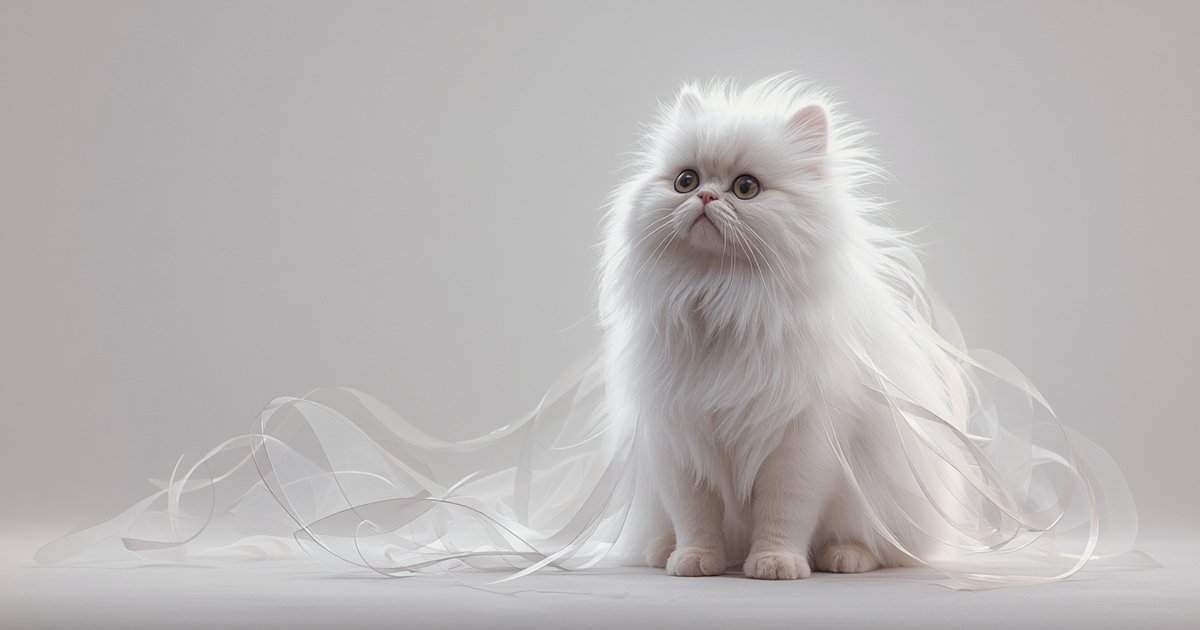
The magnificent Persian cat, with its luxurious long coat and sweet, expressive face, is undeniably one of the most beautiful breeds. However, beneath that stunning exterior lies a significant commitment to care, particularly when it comes to their unique fur. Achieving silky, mat-free perfection requires dedication, and mastering the art of Persian grooming is crucial for their health and happiness. It’s more than just aesthetics; consistent grooming prevents painful mats, skin infections, and discomfort for your beloved companion.
Understanding the Persian Coat: A Foundation for Pristine Grooming
The hallmark of the Persian cat is its long, flowing double coat. This coat isn’t just a single layer of fur; it comprises a dense undercoat of fine, soft hairs and a longer, coarser topcoat. This unique combination, while beautiful, is a magnet for tangles, debris, and mats, making consistent Persian grooming an absolute necessity. Understanding its structure is the first step toward effective care.
Anatomy of a Luxurious Mane
Persian cats typically sport a coat that can reach lengths of up to eight inches, sometimes even longer on their ruffs and tails. The undercoat provides insulation, keeping them warm in winter and cool in summer, while the guard hairs of the topcoat give the coat its characteristic silky texture and sheen. This duality, however, also means that shed undercoat can easily become trapped within the longer topcoat, forming dense, painful mats if not regularly removed. Dead hair and skin cells, if left unaddressed, can also lead to skin irritation and health issues.
The Rationale Behind Regular Persian Grooming
Beyond maintaining their iconic beauty, regular Persian grooming is vital for several reasons. Firstly, it prevents matting, which can pull on the skin, cause pain, restrict movement, and even lead to skin infections and parasites. Severely matted coats can also hide underlying health problems, making detection difficult. Secondly, grooming sessions offer an excellent opportunity for you to bond with your cat and perform routine health checks. You can inspect their skin for abnormalities, check their ears and eyes, and monitor their overall condition. Lastly, a well-groomed Persian is a happier, healthier cat, free from discomfort and able to move and play without hindrance. Consistent grooming also significantly reduces shedding around your home.
Essential Tools for Effective Persian Grooming
Investing in the right tools is paramount for successful Persian grooming. Skimping on quality here can make the process more difficult, less effective, and even uncomfortable for your cat. With the correct brushes, combs, and hygiene products, you can transform grooming from a chore into a pleasant routine for both of you.
Brushes and Combs: Your Daily Allies
A slicker brush is indispensable for daily brushing. Its fine, wire bristles are designed to penetrate the dense undercoat and remove loose hair and minor tangles without irritating the skin. Use it gently, working in small sections. A wide-toothed metal comb is crucial for detangling and checking for mats that the slicker brush might have missed. A finer-toothed comb can be used for the face and more delicate areas. Always start with a wide-toothed comb and work your way to finer ones.
Shampoos and Conditioners: Choosing the Right Formula
Bathing a Persian cat is a commitment, and selecting the right products makes a significant difference. Look for shampoos specifically formulated for long-haired cats or those designed to promote coat health and hydration. Hypoallergenic or tearless formulas are excellent choices, especially for the sensitive facial area. A good quality conditioner is essential to help detangle the fur, prevent static, and leave the coat soft and shiny. Consider a de-shedding shampoo for times of heavy shedding.
Other Must-Have Grooming Accessories
– Nail clippers: Choose a scissor-style or guillotine-style clipper designed for cats. Regular nail trims prevent overgrown nails from causing discomfort or damage.
– Ear cleaner: A vet-approved ear cleaning solution and cotton balls/pads are necessary for maintaining ear hygiene and preventing infections.
– Eye wipes: Persians are prone to tear staining due to their brachycephalic (flat) faces. Gentle, cat-specific eye wipes or a damp cloth help keep the area clean and prevent staining.
– Hair dryer: A quiet, pet-specific hair dryer with a cool setting is ideal for thoroughly drying your Persian after a bath, preventing chill and matting. Avoid human hair dryers on high heat.
– Grooming table: While optional, a non-slip grooming table can make the process much easier on your back and keep your cat secure.
– Styptic powder: Keep this on hand in case you accidentally cut a nail too short, causing bleeding.
Comparison of Essential Grooming Tools
Comparison of Top Grooming Essentials for Persians
| Product | Price | Pros | Cons | Best For |
|---|---|---|---|---|
| Hartz Groomer’s Best Combo Brush | $8 – $12 | Versatile with two sides (pins & bristles), good for daily detangling and finishing. Affordable. | May not penetrate very dense undercoats effectively for deep deshedding. | Daily brushing, light tangles, general coat maintenance. |
| Chris Christensen Big G Slicker Brush | $50 – $65 | Excellent for reaching deep into the undercoat, effectively removing loose hair and mats. Durable and high-quality. | Premium price point, requires gentle handling to avoid scratching skin. | Serious mat prevention, thorough deshedding, professional-level grooming. |
| Safari De-matting Comb | $10 – $15 | Features sharp, curved blades to safely cut through small to medium mats without pulling. Easy to handle. | Requires careful use to avoid cutting the cat’s skin. Not for very large, tight mats. | Targeted mat removal, breaking up tangles before they worsen. |
| Espree Puppy & Kitten Shampoo | $15 – $20 | Gentle, tearless formula with natural ingredients. Safe for sensitive skin and frequent bathing. | May not be strong enough for heavily soiled coats or specific coat issues. | Regular bathing, sensitive skin, maintaining softness. |
The Step-by-Step Guide to a Flawless Persian Grooming Routine
Establishing a consistent Persian grooming routine is key to maintaining your cat’s magnificent coat. Consistency helps both you and your cat become comfortable with the process, making it less stressful for everyone involved. Regularity is far more effective than infrequent, intense sessions.
Daily Brushing Techniques to Prevent Mats
Start your grooming session by ensuring your cat is relaxed. Use gentle, soothing strokes. Begin with a slicker brush, working in small sections, always brushing in the direction of hair growth. Pay special attention to areas prone to matting: behind the ears, armpits, flanks, belly, and the tail. After using the slicker, follow up with a wide-toothed metal comb to check for any missed tangles. If you encounter a knot, do not pull. Instead, gently work it out with the comb, using your fingers to hold the hair at the base to prevent pulling on the skin. For stubborn tangles, a detangling spray can be beneficial. Regular, gentle daily brushing is the cornerstone of effective Persian grooming.
Bathing Your Persian: A Gentle Art
Bathing a Persian cat is an infrequent but necessary task, typically every 4-6 weeks, or as needed based on their activity and coat condition.
1. Preparation: Gather all your supplies beforehand. Trim your cat’s nails to reduce scratches. Place cotton balls gently in their ears to prevent water entry and use a tearless cleanser around their eyes.
2. Technique: Use a non-slip mat in the tub or sink. Gently wet your cat’s coat with lukewarm water, avoiding the face. Apply a cat-specific shampoo, working it into a lather, paying close attention to soiled areas. Rinse thoroughly until no suds remain – residual shampoo can irritate skin and attract dirt.
3. Conditioning: Apply a cat conditioner, leaving it on for a few minutes as directed, then rinse thoroughly.
4. Drying: Gently squeeze excess water from their coat. Wrap them in a towel and pat dry. Never rub vigorously, as this can create tangles. Use a pet-specific hair dryer on a low, cool setting, continuously brushing the fur as you dry to prevent mats from forming. Ensure your cat is completely dry to prevent chilling and skin issues.
Nail Care, Ear Cleaning, and Eye Stain Management
– Nail Trimming: Gently press on your cat’s paw pad to extend the nail. Clip only the clear tip, avoiding the quick (the pink part containing blood vessels and nerves). If unsure, consult your vet or a professional groomer for a demonstration. Regular trims, every 2-4 weeks, are ideal.
– Ear Cleaning: Weekly or bi-weekly, check your cat’s ears for dirt, wax buildup, or redness. Apply a vet-approved ear cleaner to a cotton ball and gently wipe the visible parts of the ear. Never insert anything into the ear canal. If you notice a foul odor or excessive discharge, consult your vet.
– Eye Stain Management: Due to their flat faces, Persians often have watery eyes and tear stains. Gently wipe the area around their eyes daily with a damp cloth or a pet-specific eye wipe to prevent staining and irritation. Use separate cloths for each eye to prevent potential cross-contamination.
When to Consider Professional Grooming
While diligent home Persian grooming is essential, there are times when professional help is invaluable. If your cat develops severe matting that you cannot safely remove, a professional groomer can often handle it with specialized tools and techniques, sometimes requiring a sedative if the mats are very extensive. Professionals also offer services like lion cuts, which can be beneficial for cats with chronic matting problems or those struggling with heat in warmer climates. They can also assist with specialized bathing or coat treatments. Don’t hesitate to seek professional assistance if you’re struggling or your cat requires more intensive care.
Common Persian Grooming Challenges and Solutions
Even with a consistent routine, you might encounter specific challenges unique to Persian grooming. Addressing these issues proactively and patiently can prevent them from escalating and ensure your cat remains comfortable and healthy.
Tackling Mats and Tangles Safely
Mats are the bane of every Persian owner’s existence. When you find a mat, do not attempt to pull or cut it out with scissors unless you are absolutely certain of what you are doing. Cutting a mat too close to the skin can cause severe injury. For small, loose mats, try gently teasing them apart with your fingers, then working them out with a wide-toothed comb, often with the aid of a detangling spray or a small amount of cornstarch to absorb oils and help loosen the hair. For larger, tighter mats, use a mat splitter or a blunt-nosed safety shear to carefully cut *through* the mat, rather than trying to cut it *out*. Always slide a comb between the mat and the skin as a protective barrier if you must use scissors. If a mat is very close to the skin or covers a large area, it is best to seek professional help from a groomer or veterinarian who can safely shave it out. Prevention through daily Persian grooming is always the best solution.
Dealing with Skin Issues and Allergies
Persian cats, like all breeds, can suffer from various skin issues, including allergies, hot spots, or fungal infections, often exacerbated by a matted or dirty coat. If you notice redness, itching, bald patches, or scabs during your grooming sessions, consult your veterinarian immediately. They can diagnose the underlying cause and recommend appropriate treatment, which might include medicated shampoos, dietary changes, or oral medications. Maintaining a clean, well-groomed coat helps the vet more easily identify skin problems and ensures topical treatments can reach the affected areas effectively. Good Persian grooming practices significantly reduce the risk of secondary skin infections.
Managing Excessive Shedding
While Persians shed year-round, they typically have heavier shedding periods, especially during seasonal changes. During these times, increasing the frequency of brushing to twice a day can be very helpful. Using a de-shedding tool, such as a deshedding comb (like a Furminator for cats), once or twice a week during heavy shedding can effectively remove a significant amount of loose undercoat. However, be cautious not to overdo it, as these tools can irritate the skin if used too frequently or with too much pressure. Nutritional supplements designed to support coat health, rich in omega fatty acids, can also help reduce excessive shedding by strengthening the hair follicles.
Overcoming Grooming Resistance: Positive Reinforcement
Some cats naturally resist grooming, especially if it’s a new experience or if they’ve had negative encounters in the past. Patience and positive reinforcement are key. Start with short, gentle sessions, even just a few minutes, gradually increasing the duration as your cat becomes more comfortable. Use treats, praise, and gentle petting to reward good behavior. If your cat becomes agitated, stop the session and try again later. Never force your cat or punish them for resistance, as this will only create a stronger aversion to grooming. Introducing grooming tools slowly, letting them sniff and investigate, and associating them with positive experiences (like receiving a treat after touching the brush) can build trust. Consistency and a calm approach are vital for successful Persian grooming.
Nutrition and Lifestyle: Supporting a Healthy Coat from Within
The stunning appearance of a Persian cat’s coat isn’t solely dependent on external grooming; internal health plays a critical role. A balanced diet and a supportive environment contribute significantly to the luster, strength, and overall health of their fur. Effective Persian grooming goes hand-in-hand with holistic care.
The Role of Diet in Coat Health
A high-quality diet is fundamental for a healthy coat. Look for cat foods that list real meat as the first ingredient and are rich in essential fatty acids, particularly Omega-3 and Omega-6. These nutrients are crucial for skin hydration, reducing inflammation, and promoting a shiny, strong coat. Foods formulated for “skin and coat health” often contain added vitamins and minerals like biotin, zinc, and Vitamin E, which are beneficial for fur quality. Avoid foods with excessive fillers, artificial colors, or by-products that offer little nutritional value. A healthy diet will noticeably improve the texture and resilience of your cat’s fur, making external Persian grooming efforts even more effective.
Hydration and Environmental Factors
Adequate hydration is just as important for coat health as it is for overall well-being. Ensure your Persian always has access to fresh, clean water. Some cats prefer drinking from a fountain, which can encourage greater water intake. Dehydration can lead to dry, brittle fur and dull skin. Environmental factors also play a role. Maintain a comfortable temperature and humidity level in your home. Extremely dry air, especially during winter months with indoor heating, can dry out skin and fur, potentially increasing static and matting. Consider using a humidifier if your indoor air is excessively dry. Regularly cleaning your cat’s environment also reduces allergens and loose hair, further aiding in effective Persian grooming.
Stress Reduction for Overall Well-being
A stressed cat can manifest health issues, including poor coat condition, excessive shedding, and even over-grooming (leading to bald patches). Providing a calm, predictable environment is essential. Ensure your Persian has safe spaces to retreat to, access to vertical spaces for climbing, and plenty of mental and physical stimulation through play. Minimize sudden changes to their routine and introduce new pets or people slowly. A content, stress-free cat will naturally have a healthier, more vibrant coat, making your routine Persian grooming sessions more enjoyable for both of you.
Maintaining the magnificent coat of a Persian cat is a labor of love, but one that is incredibly rewarding. By understanding their unique fur, equipping yourself with the right tools, and committing to a consistent grooming routine, you ensure your feline companion remains not only stunning but also healthy and comfortable. Remember, Persian grooming is more than just aesthetics; it’s a vital part of their overall well-being and a wonderful opportunity to deepen your bond. With patience, persistence, and the right approach, you can unlock the silky secrets of Persian cat grooming, ensuring your fluffy friend shines inside and out.
Ready to elevate your pet care knowledge? Subscribe to our newsletter for more expert tips and exclusive content. Have specific questions? Reach out to our team at support@daxai.com for personalized advice.
Frequently Asked Questions (FAQ)
How often should I brush my Persian cat?
Persian cats should be brushed daily to prevent mats and tangles from forming. Their dense double coat easily traps loose hair and debris, which can quickly lead to painful matting if not removed regularly. Daily short sessions are much more effective and less stressful than infrequent, long grooming sessions.
Is it okay to shave my Persian cat?
Shaving a Persian cat, often referred to as a “lion cut,” is generally reserved for specific situations. It can be beneficial for severe matting that cannot be safely brushed out, for cats struggling with heat in very warm climates, or for managing chronic skin issues. However, it should be done by a professional groomer or vet, as their skin is delicate. A shaved coat can take a long time to grow back properly and may alter its texture.
What kind of shampoo should I use for my Persian?
Always use a cat-specific shampoo, preferably one formulated for long-haired breeds or sensitive skin. Look for hypoallergenic, tearless formulas with natural ingredients. Avoid human shampoos as they can be too harsh and disrupt your cat’s skin pH balance. A good conditioner is also essential to help detangle and moisturize the coat after shampooing.
How do I prevent tear stains on my Persian’s face?
To prevent tear stains, gently wipe your Persian’s eyes daily with a damp, soft cloth or a cat-specific eye wipe. This removes discharge before it can dry and stain the fur. Ensure the area is kept dry. If staining is excessive or accompanied by discharge, consult your vet as it could indicate an underlying health issue.
My Persian hates grooming. What can I do?
Patience and positive reinforcement are key. Start with very short, gentle grooming sessions, offering treats and praise. Gradually increase the duration as your cat becomes more comfortable. Avoid forcing them or making grooming a negative experience. You can also try introducing tools slowly, letting your cat investigate them. If resistance persists, consult a professional groomer or a feline behaviorist.
Leave a Reply