

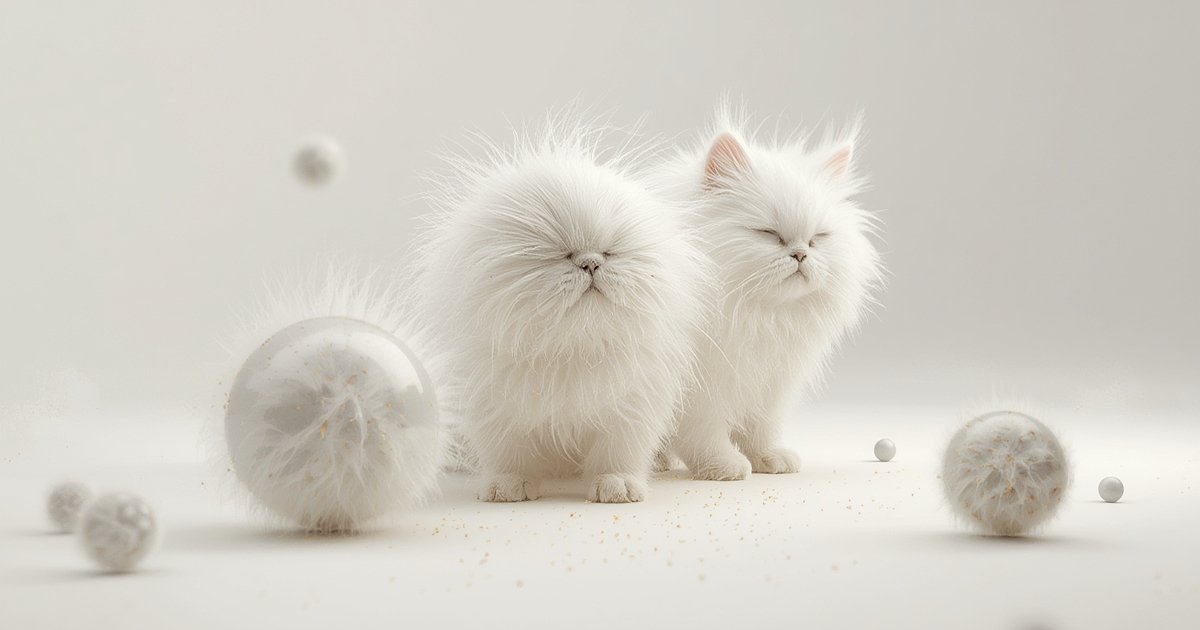
Meta Description: Tired of dealing with Persian hairballs? Discover expert grooming techniques, dietary tips, and veterinary insights to keep your beloved Persian cat hairball-free and healthy in 2026.
Understanding the Feline Furball Phenomenon
Few things are as alarming for a cat parent as the sound and sight of their beloved feline companion struggling with a hairball. For owners of Persian cats, this is an unfortunately common occurrence. The luxurious, long coats that make Persians so captivating also make them particularly prone to developing Persian hairballs, which can range from a minor inconvenience to a serious health concern.
While occasional hairballs are a natural part of a cat’s self-grooming process, frequent or difficult hairballs indicate an underlying issue that needs attention. By 2026, with the right knowledge and proactive strategies, you can significantly reduce or even eliminate these dreaded furballs, ensuring your Persian lives a more comfortable and healthier life.
The Science Behind Persian Hairballs: Why Your Fluffy Friend Is Prone
Persian cats possess one of the most magnificent coats in the feline world. However, this beauty comes with a unique set of challenges regarding hairball formation. Understanding why Persians are predisposed to this issue is the first step toward effective prevention.
The Unique Characteristics of Persian Coats
Unlike short-haired breeds, Persians have a dense double coat consisting of a soft undercoat and longer guard hairs. This combination means there’s simply more hair to shed, and consequently, more hair for them to ingest during grooming.
The texture of their fur can also play a role. Persian hair tends to be very fine and easily matted, making it more likely to clump together once ingested. When your Persian grooms itself, loose hairs are swallowed, accumulating in the stomach and potentially forming hairballs.
The Digestive Process and Hairball Formation
Normally, ingested hair passes through the digestive tract without incident. However, when the volume of hair is too great, or if the cat’s digestive system isn’t functioning optimally, the hair can’t be adequately digested or passed. Instead, it accumulates, forming a compact mass.
These hair masses irritate the stomach lining, leading to vomiting – the cat’s natural mechanism for expelling the foreign body. While unpleasant, this is usually successful. The real danger arises when the hairball is too large or dense to be vomited up, potentially causing blockages in the digestive tract, a serious and life-threatening condition requiring veterinary intervention.
Grooming Strategies: Your First Line of Defense Against Hairballs
Effective grooming is paramount in preventing Persian hairballs. Regular and thorough grooming removes loose hair before your cat can ingest it, drastically reducing the chances of hairball formation. Think of it as a proactive shield against discomfort and potential health issues.
Daily Brushing Techniques for Persian Cats
Consistency is key when it comes to grooming Persians. Daily brushing sessions, even short ones, are far more effective than sporadic, lengthy ones. Aim for at least 10-15 minutes a day, focusing on areas where hair tends to mat most easily.
1. Start with a wide-toothed comb to gently detangle any knots or mats. Always work slowly and carefully to avoid pulling on your cat’s skin, which can make them resent grooming.
2. Follow up with a slicker brush to remove loose undercoat hair. Brush in the direction of hair growth, covering their entire body, including their belly, legs, and tail.
3. Use a metal comb to check for any missed tangles, especially around the “armpits,” hind legs, and behind the ears. These are common spots for mats to form.
4. Finish with a soft bristle brush or a grooming mitt to smooth the coat and distribute natural oils, leaving their fur shiny and healthy.
Choosing the Right Grooming Tools
The market is flooded with grooming tools, but not all are created equal, especially for a Persian’s unique coat. Investing in quality tools designed for long-haired cats makes a significant difference in preventing Persian hairballs.
Comparison of Top Grooming Tools for Persian Hairballs
| Product | Price | Pros | Cons | Best For |
|---|---|---|---|---|
| Slicker Brush for Long Hair | $15 – $25 | Excellent at removing loose undercoat and preventing mats. Gentle on sensitive skin. | Can be less effective on deeply matted fur. | Daily maintenance and preventing new mats. |
| Wide-Toothed Metal Comb | $8 – $18 | Indispensable for detangling and breaking up minor knots. Reaches deeper into the coat. | Requires careful handling to avoid pulling. | Initial detangling and checking for hidden mats. |
| Deshedding Tool (e.g., Furminator Long Hair) | $30 – $50 | Highly effective at removing large quantities of loose undercoat, significantly reducing shedding. | Can be too harsh if used incorrectly or too frequently, potentially damaging the topcoat. | Periodic deep deshedding sessions (e.g., weekly or bi-weekly). |
| Grooming Glove/Mitt | $10 – $20 | Gentle, excellent for bonding, and collects surface loose hair. Good for cats sensitive to brushes. | Less effective for deep detangling or undercoat removal. | Light daily grooming and stimulating circulation. |
Beyond brushing, consider occasional professional grooming, especially during shedding seasons. Professional groomers have specialized tools and techniques for managing dense coats and preventing severe matting, which can contribute significantly to Persian hairballs.
Dietary Interventions: Nourishing Your Way to a Hairball-Free Cat
What goes into your Persian’s bowl plays a critical role in minimizing Persian hairballs. A well-balanced diet, supplemented with specific ingredients, can support healthy skin and coat, reduce shedding, and improve digestive motility, making it easier for ingested hair to pass through.
Hairball Control Cat Foods
Many premium cat food brands offer formulations specifically designed to help manage hairballs. These foods typically contain:
– Increased Fiber Content: Natural fibers like psyllium husk, beet pulp, or cellulose help move ingested hair through the digestive system more effectively. They essentially “bulk up” the stool, carrying the hair along with it.
– Omega Fatty Acids: Ingredients rich in Omega-3 and Omega-6 fatty acids (like fish oil, flaxseed, or chicken fat) promote a healthy, shiny coat and reduce excessive shedding. Less shedding means less hair for your cat to ingest.
– Easily Digestible Proteins: High-quality, digestible proteins support overall digestive health and nutrient absorption, which indirectly contributes to a healthier coat.
When choosing a hairball control food, always read the ingredient list carefully and consult your veterinarian to ensure it meets all your Persian’s nutritional needs. Look for brands with transparent sourcing and real meat as the first ingredient.
Supplements and Remedies for Persian Hairballs
In addition to specialized diets, certain supplements can provide an extra layer of defense. These are particularly useful for cats already prone to frequent Persian hairballs.
– Hairball Laxatives/Pastes: These typically contain lubricants like petroleum jelly or mineral oil, often flavored to be palatable. They work by coating ingested hair, making it slippery and easier to pass through the digestive tract. Use these sparingly and under veterinary guidance, as excessive use can interfere with nutrient absorption.
– Digestive Enzymes: Some supplements contain enzymes that aid in the breakdown of proteins and fats, potentially improving overall digestion and the passage of hair.
– Probiotics: A healthy gut microbiome is crucial for digestion. Probiotic supplements can help maintain beneficial gut bacteria, contributing to a more efficient digestive system.
– Pumpkin or Other Fiber Boosts: A small amount of pure canned pumpkin (not pie filling) can be a natural source of fiber to help move things along. Consult your vet for appropriate dosages.
Ensuring Adequate Hydration
Water intake is often overlooked but is crucial for digestive health. Well-hydrated cats have better intestinal motility, making it easier for hair to pass through. Persians, like many cats, can be finicky about drinking water.
– Provide Multiple Water Sources: Offer several water bowls in different locations, ensuring they are always clean and fresh.
– Consider a Water Fountain: Many cats prefer moving water, finding it more appealing than stagnant water in a bowl. This can significantly increase their water intake.
– Incorporate Wet Food: If your cat is currently on a dry-food-only diet, gradually introduce wet food. Wet food has a high moisture content, contributing significantly to their daily hydration.
These dietary strategies, combined with consistent grooming, form a powerful two-pronged approach to keeping Persian hairballs at bay.
Environmental Enrichment and Stress Reduction
While grooming and diet are direct interventions, the environment your Persian lives in also plays a subtle yet significant role in hairball prevention. Stress, boredom, and lack of mental stimulation can impact a cat’s grooming habits and overall health.
The Link Between Stress and Excessive Grooming
Cats are creatures of habit and can be sensitive to changes in their environment. Stress, whether from a new pet, a house move, loud noises, or even a change in routine, can manifest in various ways, including over-grooming. Excessive grooming means more ingested hair and a higher risk of Persian hairballs.
Signs of stress in cats can include:
– Increased self-grooming to the point of skin irritation or bald spots.
– Changes in appetite or litter box habits.
– Hiding more frequently.
– Aggression or withdrawal.
Creating a Calm and Stimulating Environment
A calm and engaging environment can help reduce stress and prevent stress-induced over-grooming.
– Provide Safe Spaces: Ensure your Persian has quiet, elevated spots where they can retreat and feel secure. Cat trees, shelves, or cozy beds in secluded corners are ideal.
– Regular Playtime: Engage your cat with interactive toys like feather wands or laser pointers for 15-20 minutes daily. This provides physical exercise and mental stimulation, channeling their energy constructively.
– Scratching Posts and Surfaces: Offer various scratching options (vertical and horizontal) to satisfy their natural urge to scratch, which also helps maintain healthy claws and reduces stress.
– Pheromone Diffusers: Products like Feliway diffusers release synthetic feline facial pheromones that can help create a calming atmosphere, especially during stressful periods.
– Consistent Routine: Cats thrive on routine. Try to feed, play, and groom your Persian at consistent times each day to provide a sense of predictability and security.
By addressing your Persian’s emotional and environmental needs, you contribute to their overall well-being, which in turn supports a healthier coat and digestive system, reducing the likelihood of troublesome Persian hairballs.
When to Seek Veterinary Care: Beyond Home Remedies
While preventative measures are highly effective, it’s crucial to recognize when a hairball issue warrants professional veterinary attention. Ignoring severe symptoms can lead to life-threatening complications for your Persian.
Recognizing Serious Hairball Symptoms
Normal hairball expulsion is usually quick and followed by the cat returning to normal behavior. However, certain signs indicate a more serious problem, such as an intestinal blockage caused by a large or persistent hairball.
Watch out for these red flags:
– Frequent Retching or Vomiting Without Producing a Hairball: This suggests a blockage or severe irritation that the cat cannot clear.
– Loss of Appetite or Refusal to Eat: A cat with a blockage will likely lose interest in food.
– Lethargy or Weakness: Reduced energy levels are a clear sign that something is seriously wrong.
– Constipation or Diarrhea: Changes in bowel movements, especially straining to defecate or passing very small, hard stools, can indicate a blockage. Diarrhea can also be a symptom of digestive distress.
– Abdominal Pain or Swelling: Your cat may exhibit discomfort when touched around the belly or appear bloated.
– Hiding or Unusual Behavior: Cats in pain often try to hide or become unusually withdrawn.
If you observe any of these symptoms, especially in combination, contact your veterinarian immediately. Early intervention can make a significant difference in the outcome.
The Role of Regular Veterinary Check-ups
Even if your Persian isn’t showing acute symptoms, regular veterinary check-ups are vital. Your vet can provide tailored advice on diet, grooming, and supplements based on your cat’s age, health, and lifestyle.
– Professional Advice: Vets can recommend specific hairball control diets, supplements, or preventative medications appropriate for your cat.
– Health Screenings: Regular exams can detect underlying health issues that might exacerbate hairball problems, such as inflammatory bowel disease or dental issues that affect grooming.
– Weight Management: Obesity can make self-grooming difficult, leading to more ingested hair. Your vet can help you manage your cat’s weight effectively.
– Deshedding Treatments: In some cases, your vet might suggest specific deshedding treatments or refer you to a professional groomer experienced with Persians.
Proactive veterinary care is an indispensable part of a comprehensive strategy to manage and prevent Persian hairballs, ensuring your feline friend stays healthy and vibrant.
A Holistic Approach to a Hairball-Free Life
Successfully managing Persian hairballs is not about a single solution but rather a holistic approach that combines diligent grooming, strategic dietary choices, a stress-free environment, and attentive veterinary care. By consistently applying these strategies, you empower your Persian to live a life free from the discomfort and dangers of frequent hairballs.
Remember, your Persian relies on you for their health and well-being. Proactive prevention is always better than reactive treatment. Start implementing these tips today to ensure your beloved companion enjoys optimal health and a beautiful, tangle-free coat well into 2026 and beyond.
Ready to give your Persian the best care possible? Explore our other health and nutrition articles for more expert tips or consult your veterinarian to tailor a plan specifically for your cat’s needs.
Contact us at info@daxai.com for more personalized advice or to share your success stories!
Frequently Asked Questions (FAQ)
What is a hairball?
A hairball is a mass of undigested hair that accumulates in a cat’s stomach or intestines, formed when cats groom themselves and swallow loose fur. When the hair cannot pass through the digestive system, it is often vomited up.
Why are Persian cats more prone to hairballs?
Persian cats have long, dense double coats that shed significantly. When they groom themselves, they ingest a larger volume of hair compared to short-haired breeds, making them more susceptible to forming hairballs.
How often should I brush my Persian to prevent hairballs?
Ideally, Persian cats should be brushed daily for at least 10-15 minutes using appropriate grooming tools like a slicker brush and a wide-toothed comb. Regular brushing removes loose fur before it can be ingested.
Can diet help prevent Persian hairballs?
Yes, diet plays a crucial role. Hairball control cat foods often contain increased fiber to aid digestion and omega fatty acids for a healthy coat, reducing shedding. Supplements like hairball pastes or digestive enzymes can also be beneficial under veterinary guidance.
When should I be concerned about my Persian’s hairballs?
While occasional hairballs are normal, seek veterinary attention immediately if your Persian exhibits frequent retching without producing a hairball, loss of appetite, lethargy, constipation, diarrhea, or signs of abdominal pain. These could indicate a dangerous intestinal blockage.
Leave a Reply