

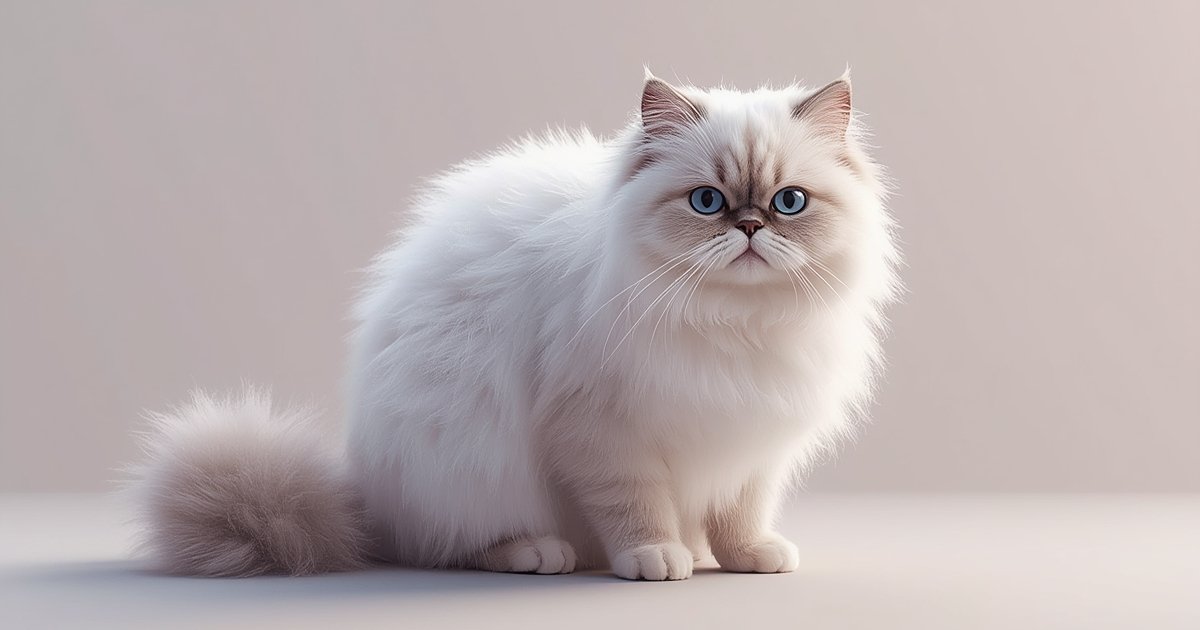
The luxurious, flowing coat of a Persian cat is undeniably magnificent, a hallmark of their regal charm. However, maintaining that silky splendor requires dedication, the right techniques, and consistent effort. If you’re a proud Persian parent, you understand that pristine Persian grooming is a commitment, not just an occasional chore. In 2026, with new tools and refined approaches, keeping your feline friend’s coat immaculate is more achievable than ever, ensuring they not only look their best but also feel comfortable and healthy. This comprehensive guide will unveil the secrets to a perpetually perfect Persian coat.
Understanding the Persian Coat: A Foundation for Pristine Grooming
Persian cats are renowned for their long, dense double coats, which are quite distinct from those of many other breeds. This magnificent fur, while beautiful, is also prone to matting and tangles if not cared for meticulously.
The outer guard hairs are long, fine, and silky, designed to protect the cat’s skin. Beneath this lies a thick, woolly undercoat that provides insulation. This combination is what gives the Persian coat its characteristic volume and plushness, but it also creates a challenge for owners.
Understanding the unique structure of their fur is the first step in effective Persian grooming. Without regular maintenance, shed hairs can become trapped in the dense undercoat, quickly forming painful mats that pull on the skin and can lead to skin infections or discomfort for your cat.
The Life Cycle of Persian Fur
A Persian cat’s fur goes through growth and shedding cycles, much like human hair. They tend to shed more seasonally, typically in spring and autumn, as their bodies adjust to changing temperatures. During these periods, daily grooming becomes even more critical to prevent excessive shedding around your home and to manage the increased volume of loose hair on your cat.
Regular brushing helps to remove dead hairs before they have a chance to tangle. It also stimulates blood circulation to the skin, promoting healthy new hair growth and distributing natural oils that keep the coat shiny and soft. Proper nutrition plays a significant role in the health and vitality of your cat’s fur, as we’ll explore later.
Daily Rituals: Essential Tools and Techniques for Effective Persian Grooming
Consistency is paramount when it comes to maintaining a Persian’s coat. A daily grooming routine, even if brief, can prevent major problems down the line. Investing in the right tools is just as important as knowing how to use them.
Key Grooming Tools You’ll Need
To embark on your Persian grooming journey, ensure you have a dedicated toolkit:
- Slicker Brush: Essential for removing loose hair and detangling the topcoat. Choose one with fine, bent wire bristles.
- Metal Comb (Wide and Fine-toothed): Crucial for working through mats and ensuring no tangles remain after brushing. The wide-toothed side starts the detangling, and the fine-toothed side finishes.
- Pin Brush: Ideal for daily gentle brushing to keep the coat smooth and free of superficial knots.
- De-shedding Tool (e.g., Furminator-style): Use sparingly, perhaps once or twice a week, to effectively remove the dense undercoat. Overuse can damage the delicate guard hairs.
- Blunt-tipped Scissors: For carefully trimming small mats that cannot be brushed out, or for sanitary trims around the rear.
- Nail Clippers: Keep nails trimmed to prevent snags and scratches during grooming sessions.
- Cat-specific Shampoo and Conditioner: Choose formulas designed for long-haired cats, often with detangling or moisturizing properties.
- Grooming Wipes or Gentle Eye Cleaner: For maintaining facial cleanliness, especially around their distinctive flat faces.
Step-by-Step Daily Grooming Routine
Establish a routine early in your cat’s life to make Persian grooming a positive experience. Start with short sessions and gradually increase duration.
1. Start with a Pin Brush: Gently brush the entire coat to remove loose surface hair and stimulate the skin. Work in sections, always brushing in the direction of hair growth.
2. Follow with a Slicker Brush: Focus on areas prone to matting, such as behind the ears, under the legs, and around the tail. Use short, gentle strokes, lifting the hair to get to the roots.
3. Use the Metal Comb: After brushing, use the wide-toothed comb to check for any remaining tangles or mats. If you encounter one, work it out patiently with the comb or your fingers. Then, use the fine-toothed side to ensure the comb glides smoothly through the fur, indicating a tangle-free coat.
4. Address Facial Care: Persian cats are prone to tear staining due to their brachycephalic (flat) faces. Gently wipe around their eyes daily with a damp cloth or a cat-specific eye cleaner to prevent stains and buildup.
5. Sanitary Trim (as needed): Periodically, you may need to trim the fur around your cat’s hindquarters to prevent fecal matter from clinging to the fur. Always use blunt-tipped scissors and exercise extreme caution.
6. Nail Trim: Check and trim nails every 2-4 weeks. This not only prevents snags in their beautiful coat but also protects your furniture and yourself.
Battling the Mat Monster: Advanced Strategies for Knot Prevention and Removal
Mats are the bane of every Persian cat owner’s existence. They are painful, can lead to skin issues, and are challenging to remove. Prevention is always better than cure, and diligent Persian grooming is your best defense.
Preventative Measures
- Daily Brushing: As emphasized, this is your primary weapon. Regular removal of loose fur prevents it from intertwining and forming mats.
- Consistent Bathing: A clean coat is less likely to mat. While many people think bathing causes mats, it’s usually improper drying or insufficient brushing after the bath that causes problems.
- Quality Diet: A diet rich in Omega-3 and Omega-6 fatty acids contributes to healthy skin and coat, making the fur less prone to dryness and matting.
- Regular Health Checks: Underlying skin conditions or parasites can affect coat health and increase matting. Regular veterinary check-ups are important.
- Professional Grooming: Even with dedicated home care, consider professional Persian grooming every few months, especially for a “lion cut” or thorough de-matting if you’re uncomfortable doing it yourself.
Safe Mat Removal Techniques
If you discover a mat, approach it with patience and gentleness. Never pull or rip at a mat, as this will cause pain and trauma to your cat’s skin.
1. Isolate the Mat: Gently separate the matted fur from the surrounding healthy fur. Hold the fur closest to the skin with one hand to minimize pulling on the skin as you work.
2. Apply a Detangling Spray or Cornstarch: A good quality detangling spray designed for cats can help loosen the hair. Alternatively, a sprinkle of cornstarch can reduce friction and make the mat easier to separate.
3. Use a Mat Splitter or the Wide-Toothed Comb: Carefully work the mat from the outside edges inwards. For stubborn mats, a mat splitter can be used to slice through the mat, creating smaller sections that are easier to comb out. Always use these tools with extreme caution, keeping them parallel to the cat’s skin.
4. Small Snips (Extreme Caution): As a last resort, if a mat is too tight or close to the skin to comb out, you may need to carefully cut it. Always use blunt-tipped scissors. Point the tips away from the cat’s body and gently slide one blade *under* the mat, parallel to the skin, then snip. It’s often safer to make several small cuts through the mat rather than one large one, splitting it into smaller, manageable pieces to then comb out. When in doubt, seek professional help.
5. Comb Through: Once the mat is broken up, thoroughly comb through the area to ensure all tangles are removed.
Beyond the Brush: Diet, Baths, and Environmental Factors for Coat Health
While daily brushing is crucial, a truly pristine Persian coat is a reflection of overall health and a well-managed environment. What goes into your cat, and where they live, significantly impacts their fur’s quality.
The Power of Nutrition
A balanced, high-quality diet is the cornerstone of a healthy coat. Look for cat foods that list real meat as the first ingredient and are formulated with essential nutrients.
- Omega Fatty Acids: These are vital for skin hydration and coat luster. Many premium cat foods include salmon oil, flaxseed, or other sources of Omega-3 and Omega-6. You can also supplement with fish oil if recommended by your vet.
- Vitamins and Minerals: Biotin, Zinc, and Vitamin E are particularly beneficial for skin and coat health. Ensure your cat’s diet provides these in adequate amounts.
- Hydration: Encourage your cat to drink plenty of water. Proper hydration prevents dry skin, which can lead to dull, brittle fur more prone to breakage and matting. Consider a pet water fountain to entice them to drink more.
The Art of Bathing a Persian
Bathing a long-haired cat can seem daunting, but it’s an essential part of Persian grooming. Regular baths (every 4-6 weeks for most Persians) help remove dirt, excess oils, and loose hair, which prevents matting.
1. Pre-Bath Brushing: ALWAYS thoroughly brush and detangle your cat’s coat *before* bathing. Water will tighten any existing mats, making them nearly impossible to remove without shaving.
2. Use Cat-Specific Products: Never use human shampoo. Choose a gentle, moisturizing cat shampoo, ideally one designed for long-haired breeds, followed by a conditioner. Detangling conditioners are highly recommended.
3. Warm Water, Gentle Hand: Use lukewarm water and gently wet your cat, starting from the neck down, avoiding direct spray into their face. Lather with shampoo, working it through the coat. Rinse thoroughly until no suds remain.
4. Condition and Rinse: Apply conditioner, let it sit for a few minutes as directed, then rinse even more thoroughly. Any residue can irritate the skin or make the coat feel greasy.
5. Towel Dry and Blow Dry: Gently squeeze excess water from the fur and wrap your cat in a warm towel. Then, use a pet-specific blow dryer on a cool or low-heat setting, brushing the coat as you dry to prevent tangles and ensure it dries completely. Incomplete drying is a major cause of matting post-bath.
Environmental Considerations
Your cat’s living environment also plays a role in their coat health.
- Climate Control: Extreme dryness can lead to brittle fur and flaky skin. A humidifier in dry climates can be beneficial.
- Cleanliness: A clean home means less dust and debris for your cat’s coat to pick up. Regularly vacuuming and cleaning surfaces helps.
- Appropriate Bedding: Provide soft, clean bedding. Rough surfaces can rub and potentially contribute to matting in certain areas.
Modern Solutions: Grooming Gadgets and Professional Services
The world of pet care is constantly evolving, and new gadgets and services can make Persian grooming easier and more effective. From advanced brushes to automated systems, leveraging technology can streamline your routine.
Innovative Grooming Gadgets
While traditional brushes are indispensable, some modern tools can offer supplementary benefits:
- Pet Grooming Vacuums: These devices attach to your brush and suction up loose hair as you brush, significantly reducing the amount of fur floating around your home and ensuring more thorough de-shedding.
- Ionic Pet Brushes: Some brushes claim to reduce static and frizz using ionic technology, leaving the coat smoother and shinier.
- Waterless Shampoos/Foams: For quick clean-ups between full baths, these can be a lifesaver, especially for cats who dislike water.
- Automated Self-Cleaning Litter Boxes: While not a direct grooming tool, these reduce the chance of your Persian stepping in soiled litter, which can then get transferred to their long fur.
Comparison of Advanced Persian Grooming Tools (2026 Edition)
Comparison of Top Grooming Gadgets for Persian Cats
| Product | Price | Pros | Cons | Best For |
|---|---|---|---|---|
| Pet Grooming Vacuum Kit Pro | $180 – $250 | Collects loose hair directly from brush; reduces allergens; multiple attachments. | Can be noisy; requires electricity; initial investment. | Thorough de-shedding and keeping home hair-free. |
| Ionic Pet De-matting Brush | $70 – $110 | Helps reduce static and frizz; good for finishing touches; gentle on coat. | Less effective on severe mats; battery operated; not for primary de-shedding. | Adding shine and smoothness, especially after brushing. |
| Waterless Foam Shampoo (Premium) | $25 – $40 | Quick clean-ups; no rinsing required; good for spot treatments. | Doesn’t deep clean like a full bath; may leave slight residue if overused. | Between-bath freshen-ups or for cats who hate water. |
| Automatic Litter Cleaner XL | $300 – $500 | Keeps litter box consistently clean; reduces tracking; minimizes odor. | High initial cost; requires specific litter types; mechanical parts can wear. | Maintaining sanitary conditions for long-haired cats, especially rear cleanliness. |
When to Call a Professional Groomer
Even with the most diligent home care, a professional groomer specializing in Persian grooming can be an invaluable asset. They have specialized tools, techniques, and experience to handle challenging situations.
- Severe Matting: If your cat develops extensive, tight mats that you cannot safely remove, a professional groomer can often shave them down without causing trauma.
- Lion Cuts: Many Persian owners opt for a “lion cut” in warmer months or if their cat struggles with matting. This involves shaving the body short while leaving a mane, tail tip, and “boots.” A professional ensures a safe and aesthetically pleasing cut.
- Nervous Cats: If your Persian is particularly anxious about grooming, a professional groomer often has the experience and patience to handle them calmly and efficiently.
- Regular Maintenance: Scheduling a professional session every 3-6 months can complement your home routine, ensuring a deep clean, thorough de-shedding, and meticulous coat health check.
Common Persian Grooming Challenges and How to Overcome Them
Persian cats, despite their beauty, present unique grooming challenges. Being aware of these and having strategies to tackle them will make your life easier and your cat happier.
Tear Staining and Eye Care
Due to their distinctive flat faces, Persians often suffer from excessive tearing, leading to reddish-brown stains beneath their eyes. This isn’t just cosmetic; the moisture can create a breeding ground for yeast and bacteria.
- Daily Wiping: Use a soft, damp cloth or a pet-specific eye wipe to gently clean the area around their eyes every day.
- Veterinary Consultation: If staining is severe, persistent, or accompanied by redness or discharge, consult your vet. There might be an underlying issue like allergies, blocked tear ducts, or an infection.
- Stain-Removing Products: There are various safe, pet-friendly products designed to help remove existing tear stains, but prevention is always key.
Dental Care and Bad Breath
While not directly coat-related, dental health is crucial for overall well-being. Persians, like many purebreds, can be prone to dental issues.
- Regular Brushing: Aim to brush your cat’s teeth daily with a cat-specific toothbrush and toothpaste.
- Dental Treats/Water Additives: Certain treats and water additives can help reduce plaque buildup.
- Professional Dental Cleanings: Your vet may recommend periodic professional dental cleanings under anesthesia.
Obesity and Grooming Difficulties
Overweight Persians often struggle to groom themselves adequately, especially in hard-to-reach areas like their backs and hindquarters. This can exacerbate matting.
- Weight Management: Work with your vet to establish a healthy diet and exercise plan to help your cat maintain an ideal weight.
- Assisted Grooming: If your cat is overweight, you’ll need to be extra diligent with your Persian grooming routine, focusing on the areas they cannot reach.
Keeping your Persian cat’s coat pristine is a rewarding journey that strengthens the bond between you and your feline companion. By understanding their unique needs, committing to a consistent grooming routine, providing optimal nutrition, and leveraging modern tools and professional help when needed, you can ensure your Persian remains a picture of health and elegance for years to come. The effort invested in their beautiful fur contributes significantly to their overall well-being and happiness.
For more expert advice and personalized tips on Persian grooming, don’t hesitate to reach out to our team at Dax AI!
Frequently Asked Questions (FAQ)
How often should I brush my Persian cat?
Persian cats should ideally be brushed daily. Their long, dense double coats are prone to matting, and daily brushing helps remove loose hair, prevent tangles, and distribute natural skin oils to keep their coat healthy and shiny.
Is it necessary to bathe a Persian cat?
Yes, regular bathing is important for Persian cats. Aim for a bath every 4-6 weeks to keep their coat clean, remove dirt and excess oils, and prevent severe matting. Always brush thoroughly before bathing and dry completely afterwards to avoid tangles.
What kind of brush is best for Persian grooming?
A combination of brushes is best. A slicker brush is excellent for detangling and removing loose undercoat, while a metal comb with both wide and fine teeth is crucial for checking for mats. A pin brush can be used for general daily brushing and finishing.
How do I deal with tear stains on my Persian cat’s face?
Tear stains are common in Persians due to their flat faces. Gently wipe around their eyes daily with a soft, damp cloth or a cat-specific eye cleaner. For persistent or severe staining, consult your veterinarian to rule out underlying health issues.
When should I take my Persian cat to a professional groomer?
Consider a professional groomer if your cat has severe matting you can’t safely remove, if you’re interested in a “lion cut,” or if your cat is particularly resistant to home grooming. Regular professional grooming every few months can also complement your home routine and ensure optimal coat health.
Leave a Reply