

Meta Description: Unlock the secrets to a stunning Persian cat coat in 2026. Learn expert tips, essential tools, and step-by-step Persian grooming techniques for a healthy, tangle-free mane.
Understanding Your Persian’s Unique Coat
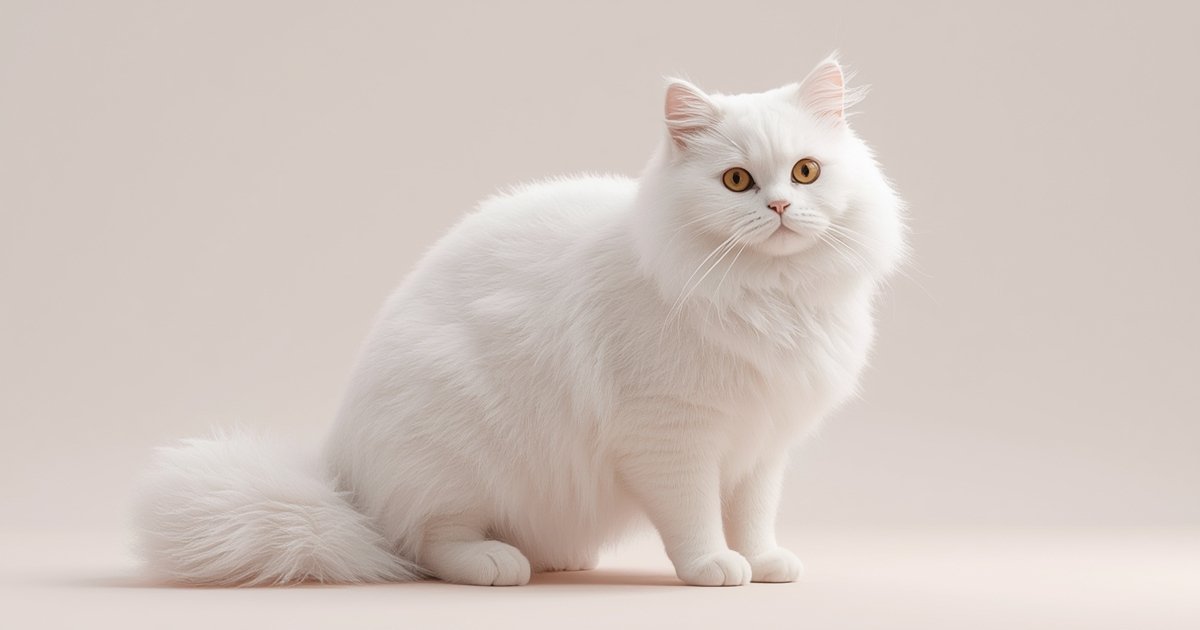
The magnificent coat of a Persian cat is undeniably one of its most defining features, yet it also presents a unique set of challenges for owners. This luxurious, long-haired splendor is beautiful but requires significant upkeep to remain healthy and free of mats. Understanding the specific characteristics of your Persian’s fur is the first step towards effective Persian grooming.
Persian coats typically consist of two layers: a soft, dense undercoat and a long, flowing topcoat. This double-layer system, while providing warmth and protection, is highly prone to tangling and matting if not regularly maintained. The texture can vary slightly, from extremely fine and cotton-like to slightly coarser, all demanding diligent attention.
Factors like genetics, diet, age, and even environmental conditions can influence the coat’s quality and shedding patterns. For instance, some Persians may have a particularly heavy undercoat that sheds profusely during seasonal changes, requiring intensified grooming efforts. Recognizing these nuances helps tailor your grooming approach for optimal results.
The Challenge of Matting and Tangles
Mats are perhaps the most common and frustrating issue for Persian cat owners. These tight knots of fur can form quickly, especially in areas of high friction like behind the ears, armpits, and around the tail. Once formed, mats pull on the skin, causing discomfort, pain, and even skin infections if left untreated.
Preventing mats is far easier than trying to remove them. Regular, consistent Persian grooming is the only reliable defense against these troublesome tangles. Waiting until mats appear means your cat is already experiencing discomfort, and the removal process can be stressful for both of you.
Beyond aesthetics, a well-groomed coat is a sign of a healthy cat. A matted coat can hide skin problems, parasites, and prevent proper air circulation to the skin, leading to dermatitis. Investing time in understanding your cat’s specific coat needs will pay dividends in their overall health and happiness.
The Daily Ritual: Essential Persian Grooming Practices
Consistency is the golden rule when it comes to maintaining a Persian’s coat. A daily grooming routine, even if brief, can prevent major problems down the line. This regular interaction also strengthens the bond between you and your cat, making the process more enjoyable for both parties.
Start grooming sessions when your Persian is calm and relaxed, perhaps after a meal or a nap. Keep the sessions positive and reward your cat with treats and praise. Short, frequent sessions are more effective and less stressful than long, infrequent ones.
Daily Brushing Techniques for a Silky Coat
Brushing is the cornerstone of effective Persian grooming. It removes loose hair, prevents mats, distributes natural skin oils, and stimulates circulation. You’ll need specific tools to do the job properly.
Step-by-Step Brushing Guide
1. **Prepare Your Tools:** Gather a high-quality metal comb with both fine and wide teeth, and a slicker brush. A detangling spray can also be helpful for stubborn areas.
2. **Start with the Slicker Brush:** Gently brush your cat’s entire body, working section by section. Always brush in the direction of hair growth, starting from the head and moving towards the tail and legs. Pay special attention to areas prone to matting like the belly, armpits, and behind the ears.
3. **Follow with the Metal Comb:** Once you’ve used the slicker brush, use the wide-toothed side of the metal comb to check for any remaining tangles or small mats. Work through these very gently, using your fingers to help untangle if necessary. Then, use the finer-toothed side to ensure the coat is completely smooth and knot-free.
4. **Address Sensitive Areas:** Be extra gentle around the face, ears, and tail. The tail hair is particularly delicate and can break easily if pulled too hard. Use a smaller comb for the face and around the eyes to avoid irritation.
5. **Check for Mats:** Run your fingers through your cat’s coat to feel for any hidden mats that the brush or comb might have missed. If you find one, proceed with caution, as described in the “Tackling Specific Grooming Challenges” section.
The Importance of Regular Nail Trims
Beyond the fur, nail care is an essential part of comprehensive Persian grooming. Overgrown nails can become uncomfortable, snag on carpets, or even grow into your cat’s paw pads, leading to pain and infection.
Aim to trim your Persian’s nails every 2-4 weeks. Use sharp, cat-specific nail clippers. Only snip the very tip of the nail, avoiding the quick (the pink part visible through the nail, which contains blood vessels and nerves). If you accidentally cut the quick, it will bleed and be painful, so it’s always better to take off too little than too much. If you’re unsure, ask your vet or a professional groomer to show you how.
Ear Cleaning and Eye Care
Persians are prone to tear staining due to their brachycephalic (flat) faces, which can lead to excessive tearing. Regularly wipe the area around their eyes with a damp, soft cloth or a veterinarian-approved eye-cleaning solution. This prevents tear stains from setting in and reduces the risk of skin irritation.
Similarly, inspect your Persian’s ears weekly. If you notice any dirt, wax buildup, or a foul odor, gently clean the outer ear with a cotton ball dampened with a cat-specific ear cleaner. Never insert anything into the ear canal, as this can cause damage. If there’s excessive discharge, redness, or a strong odor, consult your vet, as it could indicate an infection.
Bathing Your Royal Feline: A Step-by-Step Guide
While daily brushing is paramount, regular bathing is also crucial for maintaining a Persian’s luxurious coat. How often you bathe your Persian depends on their lifestyle, coat type, and how quickly their fur gets oily or dirty. Generally, once every 4-6 weeks is a good starting point, but some may need it more or less frequently.
Bathing helps remove dirt, dander, loose hair, and excess oil that brushing alone can’t fully tackle. It also prepares the coat for easier brushing and helps prevent skin issues. Make bath time a positive experience by starting young and using warm water and calming techniques.
Preparing for a Stress-Free Bath
Preparation is key to a successful bath. Gather all your supplies before bringing your cat into the bathing area. This includes cat-specific shampoo and conditioner (never use human products), several towels, a non-slip mat for the tub or sink, and a cup or sprayer for rinsing. Ensure the room is warm to prevent your cat from getting chilled.
Crucially, brush your cat thoroughly *before* bathing. Any mats or tangles will only become tighter and more difficult to remove once wet. A pre-bath brush-out is a non-negotiable step in effective Persian grooming.
The Bathing Process
Wetting the Coat
Gently place your cat into the tub or sink, ensuring they have a secure footing on the non-slip mat. Use a shower sprayer on a low setting or a cup to thoroughly wet their coat with lukewarm water. Start from the neck and work your way down, being careful to avoid getting water in their eyes or ears. You can place cotton balls loosely in their ears to help prevent water entry.
Shampooing and Rinsing
Apply a small amount of cat-specific shampoo, working it into a lather. Focus on areas that tend to get dirtiest, like the belly, paws, and under the tail. Gently massage the shampoo into the fur, ensuring it reaches the skin. Rinse thoroughly until all traces of shampoo are gone. Residual shampoo can irritate the skin and leave the coat dull.
Conditioning for Extra Softness
After shampoo, apply a cat-specific conditioner, focusing on the length of the fur. Let it sit for the recommended time (usually a few minutes) to deeply moisturize and detangle. This step is vital for a Persian’s long coat, helping to prevent future mats and maintain its silky texture. Rinse the conditioner out completely.
Drying Your Persian
Once rinsed, gently squeeze excess water from their fur. Wrap your cat in a thick towel and gently pat them dry. Do not rub vigorously, as this can create tangles. Use several towels if needed, and change to dry ones as they become saturated.
Many Persian owners use a pet-specific blow dryer on a low, cool setting. Keep the dryer moving constantly to avoid overheating any one area, and hold it at a safe distance. Brush the coat as you dry it to prevent tangles from forming and to help straighten the fur. Ensure your cat is completely dry, especially the undercoat, as damp fur can lead to skin issues and matting.
Beyond the Brush: Tackling Specific Grooming Challenges
Even with a diligent daily routine, you might encounter specific challenges unique to Persian grooming. Knowing how to address these issues effectively can save you and your cat a lot of stress.
Dealing with Mats and Tangles Safely
If you find a mat, resist the urge to pull or cut it out carelessly. This can injure your cat. Instead, try these steps:
– **Isolate the Mat:** Gently hold the skin at the base of the mat to prevent pulling.
– **Apply Detangling Spray:** Spritz a pet-safe detangling spray directly onto the mat.
– **Gently Work It Out:** Use your fingers or the wide-toothed side of a metal comb to gently tease apart the mat, starting from the outer edges and working inwards. Be patient and take frequent breaks.
– **Mat Splitter (Use with Caution):** For very stubborn mats, a mat splitter tool can be used. These have razor-sharp blades and should only be used by experienced owners or professionals. Always ensure the blade is facing away from the skin.
– **When to Seek Professional Help:** If a mat is too large, too close to the skin, or your cat is uncooperative, do not hesitate to contact a professional groomer or veterinarian. They have specialized tools and techniques to safely remove mats, often requiring sedation for severe cases.
Managing Excessive Shedding
Persians are heavy shedding cats, especially during seasonal changes. While daily brushing helps immensely, you can further manage shedding with these tactics:
– **De-shedding Tools:** Invest in a good de-shedding tool (like a deshedding comb or rake) designed to reach the undercoat and remove loose fur before it ends up on your furniture. Use these sparingly, perhaps once or twice a week, as over-use can damage the coat.
– **Nutritional Support:** A high-quality diet rich in omega fatty acids can improve coat health and reduce excessive shedding. Consider supplements if recommended by your vet.
– **Professional De-shedding Treatments:** Professional groomers offer de-shedding treatments that can significantly reduce the amount of loose fur, especially during peak shedding seasons.
Preventing and Cleaning Tear Stains
Tear stains are a common aesthetic issue for Persians. Consistent daily cleaning is key.
– **Daily Wiping:** Gently wipe the area around their eyes with a damp, soft cloth or a cat-specific eye wipe. Some owners use a tiny amount of cornstarch or specialized powder after cleaning to absorb moisture and prevent staining.
– **Dietary Changes:** Some owners find that certain foods or filtered water can reduce tearing. Consult your vet before making significant dietary changes.
– **Veterinary Consultation:** If tearing is excessive, persistent, or accompanied by redness, swelling, or discharge, consult your vet. There could be an underlying medical issue like allergies, blocked tear ducts, or an infection.
Equipping Your Grooming Arsenal: Tools and Products for Success
Having the right tools is half the battle when it comes to effective Persian grooming. Investing in quality products will make the process easier for you and more comfortable for your cat. Here’s a rundown of essential items and a comparison of some popular options.
Essential Grooming Tools
– **Slicker Brush:** Ideal for removing loose hair, detangling, and preventing mats. Look for one with fine, bent wire bristles.
– **Metal Comb:** A must-have with both wide and fine teeth for working through tangles and finishing the coat. Stainless steel is durable and easy to clean.
– **De-shedding Tool:** Designed to safely remove loose undercoat without damaging the topcoat.
– **Cat-Specific Nail Clippers:** Choose scissor-style or guillotine-style, based on your preference. Ensure they are sharp.
– **Cat Shampoo & Conditioner:** Always use products specifically formulated for cats to avoid skin irritation. Look for tearless formulas and those designed for long-haired breeds or sensitive skin.
– **Detangling Spray:** Helpful for working out stubborn tangles and adding moisture to the coat.
– **Eye Wipes/Solution:** For daily cleaning of tear stains.
– **Ear Cleaner:** Cat-specific solution for cleaning the outer ear.
– **Pet Dryer (Optional but Recommended):** A low-heat, quiet dryer specifically for pets can significantly speed up drying time after baths and help prevent matting.
Comparison of Top Persian Grooming Products
Comparison of Top Grooming Products
| Product | Price | Pros | Cons | Best For |
|---|---|---|---|---|
| Hertzko Self-Cleaning Slicker Brush | $15 – $25 | Retractable bristles make cleanup quick and easy; excellent for removing loose undercoat and tangles. | Some cats might find the bristles too stiff initially; not ideal for severe mats. | Daily brushing and light detangling for most Persian coats. |
| TropiClean Aloe & Coconut De-Shedding Shampoo | $10 – $20 | Natural ingredients, helps reduce shedding, leaves coat soft and shiny. | Might require a follow-up conditioner for very dry coats; scent can be strong for some sensitive cats. | Managing shedding during seasonal changes and general coat health. |
| Safari by Coastal Pet Products Steel Grooming Comb | $8 – $15 | Durable stainless steel with wide and fine teeth; essential for finding hidden mats and finishing the coat. | Can be sharp if used incorrectly; not a primary detangler for very matted fur. | Finishing after brushing, detangling small knots, and checking for mats. |
| Burt’s Bees for Cats Tear Stain Remover | $7 – $12 | Natural, gentle formula; effectively cleans and helps prevent new tear stains. | Requires consistent daily use for best results; may not remove old, set-in stains completely. | Regular eye area cleaning and preventative tear stain management. |
Nourishing from Within: Diet and Supplements for Coat Health
While external Persian grooming is vital, the true secret to a dazzling coat often starts from the inside out. Your cat’s diet plays a significant role in the health, shine, and manageability of their fur. A high-quality diet provides the essential nutrients needed for skin integrity and hair growth.
The Role of Nutrition
A diet rich in high-quality protein, essential fatty acids (especially Omega-3 and Omega-6), vitamins, and minerals is crucial. Protein is the building block of hair, while fatty acids keep the skin supple and the coat glossy. Deficiency in these nutrients can lead to a dull, dry, brittle coat, excessive shedding, and skin problems.
Choose a premium cat food formulated with real meat as the first ingredient. Look for foods that are free from artificial colors, flavors, and excessive fillers. Consulting your veterinarian can help you select the best diet tailored to your Persian’s specific needs and any existing health conditions.
Beneficial Supplements for Coat Health
Sometimes, even with a great diet, supplements can provide an extra boost for coat health. However, always consult your veterinarian before adding any supplements to your cat’s regimen, as too much of a good thing can be harmful.
– **Omega Fatty Acids:** Fish oil (salmon, sardine, anchovy) is an excellent source of Omega-3s (EPA and DHA), which are known for their anti-inflammatory properties and ability to promote healthy skin and a shiny coat. Many vets recommend a daily fish oil supplement, especially for long-haired breeds. Flaxseed oil is another option for Omega-3s, though cats may not convert plant-based Omega-3s as efficiently as those from animal sources.
– **Biotin:** This B vitamin is often associated with healthy hair and skin. While deficiencies are rare in cats eating a balanced diet, some owners report improvements in coat quality with biotin supplementation. Again, veterinary guidance is essential.
– **Vitamin E:** An antioxidant that supports skin health. It’s often included in skin and coat supplements. Ensure proper dosage as excessive amounts can be detrimental.
– **Probiotics:** A healthy gut often translates to healthy skin and coat. Probiotic supplements can support digestive health, which in turn can aid nutrient absorption and overall well-being.
Remember that supplements are intended to complement a balanced diet, not replace it. Consistency in both diet and grooming will ultimately yield the best results for your Persian’s magnificent coat.
Achieving and maintaining your Persian cat’s exquisite coat is a rewarding endeavor that speaks volumes about your dedication as an owner. From understanding their unique double-layered fur to establishing a consistent daily Persian grooming routine, every step contributes to their comfort and stunning appearance. Remember that patience, the right tools, and a high-quality diet are your best allies in this journey. Regular brushing, timely baths, and proactive care for common issues like mats and tear stains are not just about aesthetics; they are fundamental to your cat’s overall health and well-being. Embrace these silky smooth secrets, and you’ll ensure your Persian truly shines, embodying grace and health for years to come.
For more personalized advice on your Persian’s specific needs, or to schedule a professional grooming session, contact us today. Our experts are here to help you unlock your beloved feline’s best coat.
Frequently Asked Questions (FAQ)
How often should I brush my Persian cat?
Persian cats should be brushed daily, or at least every other day, to prevent mats and tangles. Their long, double coat is highly prone to knotting, and consistent brushing is the most effective preventative measure.
What kind of brush is best for a Persian cat?
You’ll need a combination of tools: a slicker brush to remove loose hair and minor tangles, and a wide-toothed metal comb to thoroughly check for and gently work through mats, especially in sensitive areas.
How often should I bathe my Persian cat?
Generally, a Persian cat should be bathed every 4-6 weeks. However, this can vary depending on their lifestyle, how quickly their coat gets oily, and if they have any skin conditions. Always brush thoroughly before bathing.
What should I do if my Persian cat has a mat?
Do not pull or cut the mat out with regular scissors, as this can injure your cat. Try to gently work it out with your fingers or a wide-toothed comb, using a pet-safe detangling spray. For severe or large mats, it is always best to seek help from a professional groomer or veterinarian.
Are tear stains normal for Persian cats?
Due to their brachycephalic (flat) faces, Persian cats are prone to tear staining. While common, excessive tearing or colored discharge should be checked by a vet to rule out underlying medical issues. Daily cleaning of the eye area helps prevent stain buildup.
What diet is best for a healthy Persian coat?
A high-quality cat food with real meat as the primary ingredient, rich in essential fatty acids (Omega-3 and Omega-6), vitamins, and minerals, is best. Consult your veterinarian for specific dietary recommendations and to discuss any supplements.
Leave a Reply