

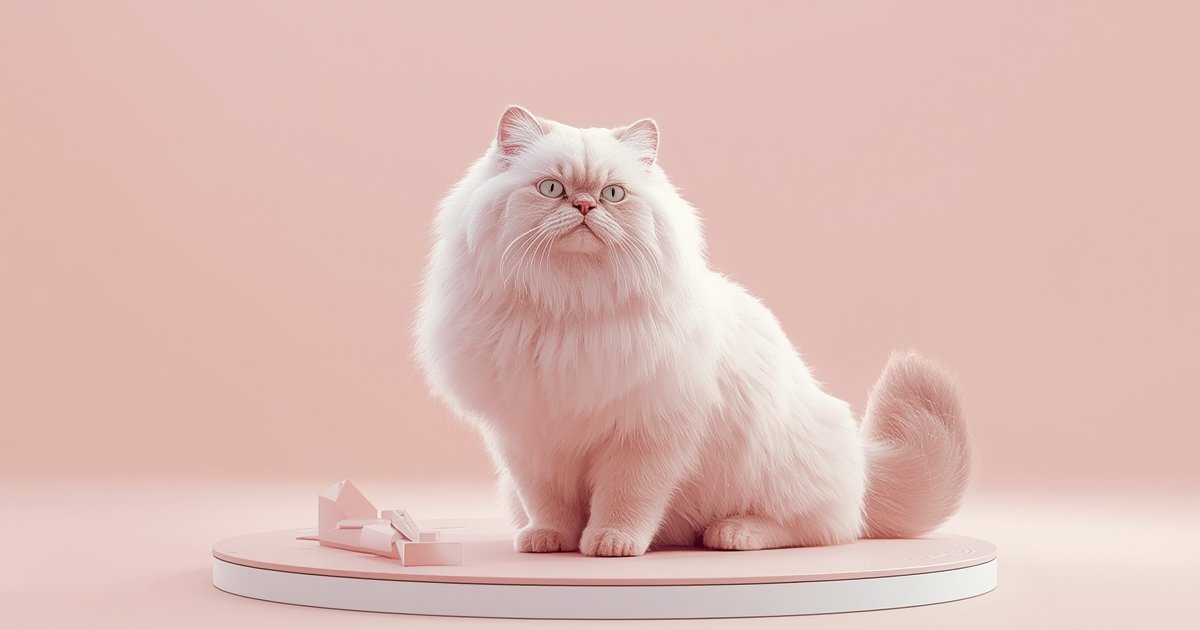
Master Persian grooming in 2026! Discover expert tips, essential tools, and a step-by-step guide to maintain your cat’s luxurious coat. Keep them healthy and happy.
The Persian cat, with its majestic long coat and sweet disposition, is a truly magnificent companion. However, that stunning, flowing fur doesn’t maintain itself. Proper Persian grooming is not just about aesthetics; it’s a vital part of their health and well-being, preventing painful mats and skin issues. This ultimate guide will walk you through everything you need to know to keep your fluffy friend looking, and feeling, their absolute best. Embrace the art of Persian grooming and unlock the silky secret to a happy, healthy cat.
Understanding the Persian Coat: A Foundation for Grooming
The Persian cat’s coat is a marvel of nature, but also a challenge. It’s renowned for its length, density, and fine texture. Unlike many other breeds, Persians possess a double coat: a soft, downy undercoat and a longer, silkier topcoat. This combination, while beautiful, is highly prone to matting and tangling if not meticulously cared for.
Understanding the specific characteristics of their fur is the first step in effective Persian grooming. The undercoat can quickly become dense and tangled, especially during shedding seasons, trapping loose hairs and forming mats close to the skin. The long guard hairs of the topcoat then further weave into these mats, making them incredibly difficult to remove. Regular and thorough grooming sessions are non-negotiable for this breed.
The Unique Challenges of Persian Fur
Several factors contribute to the complexity of Persian grooming. Their flat faces, or “peke-faces,” can lead to tear staining, which requires daily cleaning to prevent discoloration and potential skin irritation. The fine texture of their fur means it can easily knot. Furthermore, their love for lounging and their often sedentary lifestyle can make certain areas, like the underbelly and armpits, particularly susceptible to matting due to friction.
Owners must be proactive, not reactive, when it comes to their Persian’s coat. Waiting until mats form can lead to discomfort, skin infections, and potentially expensive trips to the professional groomer or veterinarian for shaving. A consistent routine is the best defense against these common problems.
Essential Tools for Effective Persian Grooming
Having the right arsenal of grooming tools is crucial for any Persian cat owner. Investing in quality products will not only make the process easier for you but also more comfortable for your feline companion. Avoid cheap, ineffective tools that can pull hair or irritate the skin.
Each tool serves a specific purpose, contributing to a comprehensive Persian grooming routine. From detangling to shining, the proper equipment can transform a daunting task into a manageable and even enjoyable bonding experience.
Comparison of Top Persian Grooming Tools
Choosing the right tools can be overwhelming. Here’s a comparison of essential grooming instruments designed to tackle the unique needs of Persian fur.
| Product | Price | Pros | Cons | Best For |
|---|---|---|---|---|
| Slicker Brush (e.g., Chris Christensen Big G) | $40-$70 | Excellent for removing loose undercoat and small tangles without pulling; gentle on skin. | Can be expensive; requires careful technique to avoid brush burn if misused. | Daily general detangling and undercoat removal. |
| Metal Comb (wide/fine tooth) | $15-$30 | Indispensable for checking for mats; reaches deeper into the coat than brushes. | Can pull if used on major tangles; takes practice to navigate dense fur. | Finishing touches, mat detection, face/leg grooming. |
| Dematting Tool (e.g., Safari Dematting Comb) | $10-$25 | Specifically designed blades to safely cut through small-to-medium mats without extensive pulling. | Requires extreme caution to avoid cutting skin; only for specific mat removal. | Addressing isolated mats that cannot be brushed out. |
| Blunt-Tip Scissors | $10-$20 | Safe for trimming small, stubborn mats close to the skin or tidying up fur around paws/sanitary areas. | Must be used with utmost care to avoid injury; not for large-scale trimming. | Detail work, carefully snipping small mats. |
| Cat-Specific Shampoo & Conditioner | $15-$35 | Formulated for feline skin pH; helps prevent dryness, reduce shedding, and maintain coat health. | Requires careful rinsing; some cats dislike baths. | Occasional deep cleaning and coat conditioning. |
Other Essential Grooming Supplies
Beyond the core tools, a few other items will significantly aid your Persian grooming efforts.
– **Nail Clippers:** Regular nail trims are essential to prevent overgrowth, which can lead to discomfort, ingrown nails, or damage to furniture. Use a scissor-style clipper specifically designed for cats.
– **Ear Cleaner:** A gentle, veterinarian-approved ear cleaner is needed for monthly ear checks and cleaning. This helps prevent wax buildup and ear infections.
– **Eye Wipes/Solution:** For Persians, daily cleaning around the eyes with a damp cloth or specialized eye wipes is crucial to manage tear staining and prevent irritation.
– **Grooming Table (Optional):** A raised grooming table with a non-slip surface can make the process much easier on your back and keep your cat more secure.
– **High-Velocity Dryer (Optional):** For those who frequently bathe their Persian, a pet-specific force dryer can significantly reduce drying time and help fluff the coat, preventing tangles.
The Step-by-Step Persian Grooming Routine
Consistency is the cornerstone of successful Persian grooming. Establishing a regular routine, ideally daily or every other day for brushing, will save you a lot of trouble in the long run.
Think of it as a bonding experience rather than a chore. Start grooming your Persian when they are young kittens to help them get accustomed to the process. Positive reinforcement, such as treats and praise, is key.
Daily Brushing for Mat Prevention
Daily brushing is the most critical component of Persian grooming. This is where you prevent the vast majority of mats from forming.
1. **Preparation:** Find a quiet, comfortable spot. Place your cat on a non-slip surface or a grooming table. Have all your tools within reach.
2. **Gentle Detangling:** Start by gently misting the coat with a detangling spray or a very light conditioner diluted with water. This helps to reduce static and makes brushing smoother.
3. **Section by Section:** Work in small sections, starting from the head and moving towards the tail. Use your fingers to gently separate the fur and feel for any small knots.
4. **Slicker Brush First:** Use the slicker brush to remove loose hair and minor tangles. Brush down to the skin, but be gentle. Pay special attention to high-friction areas: behind the ears, armpits, flanks, belly, and “britches” (the fur on their hind legs).
5. **Follow with Metal Comb:** After using the slicker, go over the same section with a wide-toothed metal comb. If the comb glides through smoothly, the section is clear. If it catches, gently work out any remaining tangles with the comb, using short, gentle strokes, or a dematting tool if necessary (with extreme caution).
6. **Full Body Coverage:** Ensure you’ve brushed every part of your cat’s body, including their tail, which can also mat.
Bathing Your Persian Cat
While daily brushing is paramount, periodic baths are also necessary for Persian grooming, typically every 4-6 weeks, or as needed, to remove dirt, grease, and excess oil that can contribute to matting.
1. **Pre-Bath Brushing:** Thoroughly brush and detangle your cat before the bath. Never attempt to bathe a matted cat, as water will tighten the mats, making them impossible to remove.
2. **Gather Supplies:** Have cat-specific shampoo, conditioner, towels, and a non-slip mat for the tub/sink ready. Use lukewarm water.
3. **Gentle Wetting:** Gently wet your cat’s entire coat, avoiding their eyes and ears. Use a showerhead on a low setting or a cup to pour water.
4. **Shampoo Application:** Apply a small amount of cat shampoo, working it into the fur. Be thorough but gentle. Rinse completely. Residual shampoo can irritate the skin.
5. **Conditioning:** Apply a cat conditioner, focusing on the ends and thicker parts of the coat. Let it sit for a few minutes as directed, then rinse thoroughly.
6. **Drying:** Gently squeeze excess water from the coat. Wrap your cat in a towel and pat dry. If your cat tolerates it, use a low-heat, pet-specific blow dryer while continually brushing their fur to prevent tangles as it dries. Ensure they are completely dry to prevent skin issues.
Additional Grooming Steps
Beyond brushing and bathing, a complete Persian grooming routine includes these regular tasks:
– **Nail Trimming (Every 2-4 Weeks):** Hold your cat’s paw, gently press the toe pad to extend the nail, and trim only the sharp tip, avoiding the quick (the pink part visible within the nail).
– **Ear Cleaning (Monthly):** Use a cotton ball dampened with vet-approved ear cleaner to gently wipe the visible parts of the outer ear. Never insert anything into the ear canal.
– **Eye Cleaning (Daily):** Gently wipe away tear stains and discharge around the eyes with a soft, damp cloth or specialized pet eye wipes.
– **Sanitary Trim (As Needed):** Use blunt-tip scissors to carefully trim fur around the anus and genitals to prevent fecal matter from clinging to the coat.
Tackling Common Grooming Challenges
Despite the best intentions, you might encounter specific challenges during your Persian grooming journey. Knowing how to address them safely and effectively is key to maintaining your cat’s comfort and health.
Dealing with Mats and Tangles
Mats are the bane of every Persian owner’s existence. Prevention through daily brushing is always best. However, if you find a mat:
– **Small Mats:** For small, loose tangles, gently work them out with your fingers first. Then use a wide-toothed metal comb, working from the ends of the hair towards the skin, gradually loosening the mat. A detangling spray can help.
– **Stubborn Mats:** If a mat is more stubborn, a dematting tool can be used with extreme care. The blades help to slice through the mat without pulling excessively. Always place your fingers between the mat and the skin to act as a barrier, protecting the skin from accidental nicks.
– **Severe Mats:** For large, dense mats that are close to the skin or cover a significant area, do not attempt to cut them out yourself with regular scissors. This is extremely dangerous and can lead to severe injury. In these cases, it’s best to consult a professional groomer or veterinarian. They can safely shave the matted areas, ensuring your cat’s comfort and preventing further skin irritation. Sometimes, general anesthesia might be required for severely matted cats.
Managing Tear Stains
Persians are prone to tear staining due to their brachycephalic (flat) facial structure. The tears can accumulate and cause red-brown discoloration, which can lead to skin irritation and bacterial growth if not managed.
– **Daily Cleaning:** This is non-negotiable. Gently wipe the area around the eyes with a damp, soft cloth or specialized pet eye wipes at least once a day, preferably twice.
– **Trimming:** Carefully trim the hair around the eyes with blunt-tip scissors to prevent it from soaking up tears and becoming a breeding ground for bacteria.
– **Diet and Water:** Ensure your cat is drinking filtered water, as minerals in tap water can sometimes exacerbate staining. Some owners find that certain foods or supplements can help reduce tear production or staining, but always consult your vet before making significant dietary changes.
Shedding Season Strategies
Persians shed year-round, but more intensely during seasonal changes. During these periods, you’ll need to step up your Persian grooming game.
– **Increased Brushing:** Increase daily brushing sessions to twice a day if possible. This will help remove more loose fur before it can form mats.
– **De-shedding Tools:** While slicker brushes are good, a dedicated de-shedding tool (like a rake-style comb) can be beneficial during heavy shedding to target the undercoat. Use it gently and sparingly to avoid irritating the skin.
– **Bathing:** A bath during peak shedding can help loosen and remove a significant amount of dead hair, especially if followed by a thorough blow-dry while brushing.
Diet, Health, and Their Impact on Coat Quality
Beyond the physical act of brushing, a Persian’s diet and overall health play a crucial role in the luster and condition of their coat. A healthy coat is a direct reflection of a healthy cat.
The Role of Nutrition
A high-quality diet rich in essential nutrients is fundamental for a healthy coat. Look for cat foods that list real meat as the first ingredient and contain balanced levels of proteins, fats, and carbohydrates.
– **Omega Fatty Acids:** These are particularly important for skin and coat health. Foods fortified with Omega-3 and Omega-6 fatty acids (found in fish oil, flaxseed) can significantly improve coat shine, reduce dryness, and help manage shedding. You might consider a vet-approved supplement if your cat’s diet doesn’t provide enough.
– **Vitamins and Minerals:** Ensure your cat receives adequate vitamins (especially A and E) and minerals (like zinc) that support healthy skin cell turnover and hair growth.
– **Hydration:** Always provide access to fresh, clean water. Proper hydration is vital for skin elasticity and overall coat health. Consider a water fountain to encourage more drinking.
Impact of Underlying Health Conditions
Sometimes, a sudden change in coat quality, excessive shedding, or recurring skin issues can be indicators of an underlying health problem.
– **Parasites:** Fleas, ticks, and mites can cause intense itching, leading to scratching, skin irritation, and coat damage. Regular parasite prevention is essential.
– **Allergies:** Cats can develop environmental or food allergies, which often manifest as skin problems, itching, and poor coat condition.
– **Thyroid or Hormonal Imbalances:** Conditions like hyperthyroidism or other endocrine disorders can affect hair growth and coat density.
– **Stress:** A stressed cat might overgroom, leading to bald spots or skin lesions, or conversely, neglect grooming, resulting in matting.
If you notice a significant or unexplained decline in your Persian’s coat quality, persistent skin issues, or changes in behavior, always consult your veterinarian. They can diagnose any underlying conditions and recommend appropriate treatment, which will, in turn, help restore your cat’s beautiful coat. Proper Persian grooming works hand-in-hand with good health practices.
Beyond the Brush: Professional Grooming and Advanced Care
While consistent home Persian grooming is essential, there are times when professional help can be invaluable. A professional groomer possesses specialized skills and tools to tackle more complex coat issues and offer services that might be difficult to perform at home.
When to Seek Professional Grooming
– **Severe Matting:** As mentioned, large, tight mats close to the skin are best handled by a professional groomer or veterinarian. Attempting to remove them at home can cause pain and injury.
– **Regular Trims:** If you’re uncomfortable with scissor work, especially for sanitary trims or tidying up paws, a professional can do it safely and effectively.
– **Full Shave/Lion Cut:** For cats prone to severe matting, or during extremely hot weather, a “lion cut” (shaving the body while leaving the mane, tail, and ‘boots’ on the legs) can be a practical solution. This should always be done by a professional.
– **Show Grooming:** If you’re showing your Persian, a professional groomer experienced with the breed can prepare their coat to perfection.
– **Difficult Cats:** Some cats are simply not amenable to extensive home grooming. A professional can often manage these cats more effectively, sometimes with sedation if recommended by a vet.
Finding a Qualified Professional
When choosing a professional groomer for your Persian, look for someone with experience specifically with long-haired breeds. Ask for recommendations, check reviews, and ensure they are certified and insured. A good groomer will prioritize your cat’s comfort and safety.
Advanced Care for Your Persian’s Coat
For those seeking to truly maximize their Persian’s coat health and beauty, consider these advanced care options:
– **Deshedding Treatments:** Some professional groomers offer specialized deshedding treatments that can significantly reduce loose hair and minimize future matting.
– **Ozone Therapy Baths:** These baths can help improve skin conditions, reduce inflammation, and promote a healthier coat by using ozone-infused water.
– **Specialized Conditioners and Treatments:** Ask your groomer or vet about advanced conditioning treatments, leave-in serums, or topical supplements that can further nourish the coat.
Remember, the goal of Persian grooming, whether at home or professionally, is to ensure your cat’s comfort, health, and happiness. A well-groomed Persian is a happy Persian.
Keeping your Persian cat’s luxurious coat in pristine condition requires dedication, the right tools, and a consistent routine. From daily brushing to understanding the impact of diet and health, every step contributes to their overall well-being. Regular Persian grooming prevents painful matting, promotes healthy skin, and strengthens the bond between you and your feline companion. Embrace these tips and make grooming a positive, cherished part of your life together, ensuring your silky-secret keeper remains a picture of elegance and health for years to come.
For more expert advice and personalized grooming tips, feel free to reach out to our team at Dax AI. We’re here to help you keep your Persian looking purr-fectly splendid!
Frequently Asked Questions (FAQ)
How often should I brush my Persian cat?
Ideally, Persian cats should be brushed daily. Their long, dense double coat is highly prone to matting, and daily brushing helps to remove loose hair and prevent tangles from forming.
Do Persian cats need baths?
Yes, Persian cats generally need baths every 4-6 weeks, or as needed, to keep their coats clean, free of oils that can cause matting, and reduce shedding. Always ensure thorough pre-bath detangling and complete drying.
What should I do if my Persian cat has severe mats?
For severe, tight mats close to the skin, it is highly recommended to seek professional help from a qualified groomer or veterinarian. Attempting to cut out large mats at home can be dangerous and cause injury to your cat’s delicate skin.
Why does my Persian cat have tear stains?
Persian cats are prone to tear stains due to their brachycephalic (flat) facial structure, which can cause tears to accumulate. This can lead to red-brown discoloration and skin irritation. Daily cleaning with a damp cloth or pet-specific eye wipes is essential.
Can I use human shampoo on my Persian cat?
No, you should never use human shampoo on your Persian cat. Human shampoos are formulated for a different pH balance than feline skin and can cause dryness, irritation, and other skin problems. Always use a cat-specific shampoo and conditioner.
Leave a Reply