

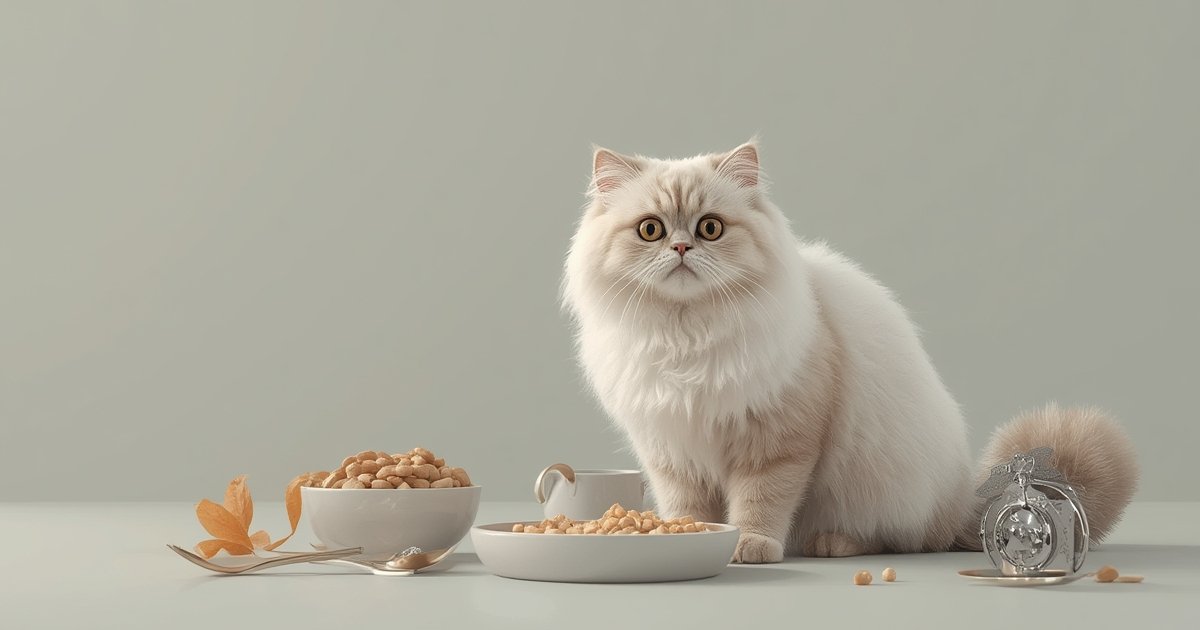
Meta Description: Unlock the secrets to a long, happy life for your Persian cat with our ultimate 2026 diet guide. Learn vital nutrition, feeding strategies, and top food choices for their unique needs.
Every Persian cat owner dreams of their feline companion living a long, happy, and healthy life, filled with purrs and playful moments. A cornerstone of achieving this dream is mastering the ideal Persian Diet. Understanding the specific nutritional requirements of these magnificent, long-haired felines is not just about filling a bowl; it’s about providing the precise balance of nutrients that support their unique physiology, from their luxurious coat to their gentle disposition. As we look towards 2026, staying informed on the best dietary practices becomes paramount for ensuring our beloved Persians thrive.
Understanding Your Persian Cat’s Unique Nutritional Needs
Persian cats are renowned for their distinctive features: a flat, brachycephalic face, a stocky build, and a stunning, dense coat. These characteristics, while charming, come with specific dietary considerations that differ from other cat breeds. Their unique physiology directly impacts how they eat, digest, and utilize nutrients.
One of the most obvious challenges for a Persian is their flat face. This makes picking up food difficult, often requiring specialized kibble shapes and sizes. Beyond their eating style, their long, flowing fur demands a diet rich in essential fatty acids and proteins to maintain its health and minimize hairballs. Ignoring these specific needs can lead to a range of health issues, making a tailored Persian Diet absolutely critical.
The Impact of Brachycephalic Features on Eating
The short muzzle and jaw structure of Persian cats can make it challenging for them to grasp and chew food efficiently. Many standard kibble sizes are simply too small or too large for them to pick up comfortably, leading to frustration, messy eating, and potentially insufficient food intake. This is why specialized kibble, often flat and disc-shaped, is often recommended for these breeds.
Furthermore, their facial structure can contribute to dental problems if not addressed through diet and regular care. Wet food can be easier for them to consume, but a combination approach often provides the best balance of hydration, dental support, and nutritional completeness. The right food shape also encourages proper chewing, aiding digestion.
Coat Health and Hairball Management
Persian cats are famous for their luxurious, long coats, which require significant grooming, both by their owners and by the cats themselves. This extensive self-grooming means they ingest a considerable amount of loose hair, which can lead to hairball formation. A key aspect of an effective Persian Diet is the inclusion of ingredients that help manage hairballs.
Foods rich in fiber, particularly insoluble fiber, can help ingested hair pass through the digestive tract more easily. Additionally, omega-3 and omega-6 fatty acids are crucial for maintaining skin and coat health, reducing shedding, and thus, potentially decreasing the amount of hair ingested. A shiny, healthy coat is a direct reflection of a well-balanced diet.
Sensitive Digestive Systems
Many Persian cats are prone to sensitive stomachs and digestive issues. This necessitates a diet that is highly digestible and free from common allergens or irritants. High-quality protein sources, prebiotics, and probiotics can support a healthy gut microbiome, which is essential for overall well-being and nutrient absorption. Owners should observe their cat’s stool for consistency and consult a vet if digestive upset is frequent.
Choosing a food formulated for sensitive digestion can make a significant difference in preventing issues like diarrhea, vomiting, and discomfort. Paying close attention to ingredients and opting for limited-ingredient diets can also be beneficial in identifying and avoiding potential triggers for your Persian cat.
Deciphering Dry vs. Wet Food: Which is Best for the Persian Diet?
The debate between dry and wet food is ongoing among pet owners and veterinarians. For Persian cats, each type of food offers distinct advantages and disadvantages that must be weighed carefully to determine the best approach for their unique needs. Many experts advocate for a combination of both to harness the benefits of each.
Ultimately, the choice or combination of dry and wet food for your Persian Diet should be based on your cat’s individual preferences, health status, and your veterinarian’s recommendations. Factors such as hydration needs, dental health, and specific dietary sensitivities will play a role in this decision.
The Benefits and Drawbacks of Dry Kibble
Dry kibble is often more convenient, cost-effective, and has a longer shelf life once opened. It can also help with dental hygiene, as the crunching action can scrape away plaque and tartar from the teeth, though this effect is often overstated. For Persian cats, specialized kibble shapes are available to accommodate their brachycephalic faces, making it easier for them to eat.
However, dry food has a lower moisture content, which can be a concern for cats who don’t drink enough water, potentially contributing to urinary tract issues. It also tends to be higher in carbohydrates compared to wet food. Owners must ensure fresh water is always available and consider supplementing with wet food to boost hydration.
The Advantages and Disadvantages of Wet Food
Wet food boasts a high moisture content, typically around 70-80%, which is excellent for keeping cats hydrated, especially those prone to urinary problems or those who aren’t avid water drinkers. It is often more palatable, making it a good choice for picky eaters or cats with a reduced appetite. Wet food also tends to be lower in carbohydrates and higher in protein, mirroring a cat’s natural diet.
On the flip side, wet food is generally more expensive, has a shorter shelf life once opened, and can contribute to dental issues if not complemented with dental care. It can also be messier to feed, especially for Persians with their long fur. Despite these minor drawbacks, its hydration and palatability benefits are significant.
Optimal Hybrid Feeding Strategies
Many veterinarians and experienced Persian cat owners recommend a hybrid feeding approach. This typically involves offering both dry and wet food, either at separate meals or as a mix. For instance, dry kibble can be offered throughout the day for grazing, while wet food is given once or twice daily to provide extra hydration and palatability.
This strategy allows cats to benefit from the dental scrubbing action of kibble (even if minimal) and the high moisture content of wet food. It also provides dietary enrichment and prevents food boredom. When combining, ensure the total daily caloric intake meets your cat’s needs to prevent under or overfeeding.
Essential Nutrients and Ingredients for a Healthy Persian Diet
A truly ultimate Persian Diet focuses on a balance of macronutrients and micronutrients vital for their specific health requirements. Not all cat foods are created equal, and understanding what to look for—and what to avoid—is key to choosing the best nutrition for your furry friend.
The right combination of protein, fats, and carbohydrates, along with essential vitamins and minerals, forms the foundation of a diet that supports a Persian cat’s overall health, from their opulent coat to their internal organ function. Choosing ingredients wisely can prevent common health issues and promote longevity.
High-Quality Protein Sources
Cats are obligate carnivores, meaning their bodies are designed to derive nutrients primarily from animal protein. For a Persian cat, high-quality animal-based protein sources are paramount. Look for ingredients like chicken, turkey, salmon, beef, or lamb as the first few ingredients on the label. These provide essential amino acids vital for muscle maintenance, tissue repair, and overall growth.
Avoid foods where the primary protein source is plant-based or rendered animal by-products of unknown origin. A diet rich in animal protein supports a strong immune system and helps maintain a healthy weight. The optimal Persian Diet will prioritize meat as its cornerstone.
Healthy Fats and Essential Fatty Acids
Fats are a concentrated source of energy for cats and play a crucial role in nutrient absorption, hormone production, and maintaining skin and coat health. Essential fatty acids, particularly omega-3 (from fish oil, flaxseed) and omega-6 (from poultry fat, vegetable oils), are indispensable for a Persian cat’s lustrous coat and to reduce shedding.
A deficiency in these fats can lead to dry, flaky skin, a dull coat, and increased shedding, exacerbating hairball issues. Aim for foods that list recognizable fat sources and contain a balanced ratio of omega-3 to omega-6 fatty acids to support both skin integrity and a healthy inflammatory response.
Balanced Carbohydrates, Vitamins, and Minerals
While cats don’t have a high dietary need for carbohydrates, quality complex carbohydrates like sweet potatoes, peas, or rice can provide energy and dietary fiber. Fiber is especially important for Persian cats to aid digestion and help manage hairballs by promoting the passage of ingested hair through the digestive tract.
Vitamins and minerals are crucial micronutrients that support every bodily function, from bone health (calcium, phosphorus) to vision (taurine) and immune function (vitamins A, E). Ensure the food is fortified with a complete spectrum of these, often listed as “chelated minerals” for better absorption. Taurine, an essential amino acid, is particularly vital for feline heart health and vision and must be present in sufficient quantities.
Navigating Special Dietary Considerations and Health Concerns
Beyond general nutrition, Persian cats often face specific health challenges that can be significantly influenced, or even mitigated, by their diet. Addressing these concerns proactively through tailored food choices is a cornerstone of responsible ownership and contributes to a happy life. A careful Persian Diet can be a powerful preventative tool.
Understanding these common issues—from hairball control to obesity management—allows owners to select foods and implement feeding strategies that best support their cat’s long-term health. Consulting with a veterinarian is always recommended for personalized advice on these concerns.
Hairball Management Beyond Fiber
While fiber is crucial for hairball management, some cats may need additional support. Certain cat food formulations include ingredients like psyllium husk or specialized blends of oils that act as lubricants, helping hair pass through the digestive system smoothly. Regular grooming also plays a vital role in reducing the amount of hair ingested.
For Persians particularly prone to hairballs, dietary supplements specifically designed for hairball control, such as pastes or treats, can be beneficial. These often contain emollients or additional fiber to aid the process. Always introduce new supplements gradually and under veterinary guidance.
Weight Management and Obesity Prevention
Persian cats, with their somewhat less active nature compared to more agile breeds, are susceptible to weight gain and obesity if their caloric intake isn’t carefully managed. Obesity can lead to serious health problems, including diabetes, joint issues, and reduced quality of life. Portion control is paramount in preventing this.
Choose a cat food formulated for indoor or less active cats, which typically has a lower calorie density. Measure food precisely according to package instructions or your vet’s recommendations, and limit treats. Regular, gentle play can also help maintain a healthy weight and keep your Persian active.
Dental Health and Food Choices
While dry kibble offers some dental benefits, it’s often not enough to prevent dental disease entirely, especially in brachycephalic breeds like Persians. However, some specialized dental diets are designed with unique kibble textures or coatings that actively reduce plaque and tartar buildup. These can be a valuable addition to the Persian Diet.
Regular dental check-ups and professional cleanings are essential. For daily care, consider dental treats or water additives formulated to improve oral hygiene. The goal is to minimize plaque accumulation, which can lead to gingivitis and periodontal disease, affecting overall health.
Urinary Tract Health and Hydration
Cats are naturally poor drinkers, and Persians are no exception. This low water intake, combined with certain dietary factors, can predispose them to urinary tract issues like crystal formation or bladder stones. Ensuring adequate hydration is critical, and a wet food-rich Persian Diet is highly beneficial here.
Some specialized urinary health diets are formulated to balance mineral levels (like magnesium and phosphorus) and maintain an optimal urinary pH, which can help prevent crystal formation. Always provide multiple sources of fresh water, including filtered water fountains, to encourage drinking.
Crafting a Feeding Schedule and Portion Control for Optimal Health
Beyond selecting the right food, how and when you feed your Persian cat are equally important for their health and well-being. A structured feeding schedule combined with precise portion control can prevent common issues like obesity and digestive upset, ensuring a consistent and beneficial Persian Diet.
Cats are creatures of habit, and establishing a routine can reduce stress and help manage their appetite. The goal is to provide the right amount of food at the right times to support their energy levels and metabolic needs without overfeeding.
Establishing a Consistent Feeding Schedule
Adult cats generally benefit from two to three meals per day. This approach helps regulate blood sugar levels, prevents overeating, and can make it easier to monitor their food intake. For example, a morning meal, an afternoon meal, and an evening meal can work well, especially for cats that are home alone during the day.
Free-feeding, where food is left out all day, can be problematic for Persians prone to weight gain. However, some cats do well with free-feeding, especially if they are good at self-regulating. The key is to observe your cat’s eating habits and adjust the schedule accordingly, always providing fresh food.
Implementing Precise Portion Control
Overfeeding is a leading cause of obesity in cats. Always refer to the feeding guidelines on your cat food packaging, but understand these are just starting points. Factors like your cat’s age, activity level, metabolism, and whether they are spayed or neutered will influence their actual caloric needs.
Use a kitchen scale or a precise measuring cup to ensure accurate portions. If your cat tends to gain weight, gradually reduce their portion size or switch to a lower-calorie food. Conversely, if your cat is underweight, incrementally increase their food intake. Regular weigh-ins and body condition scoring can help you stay on track.
Treats and Supplements: Mindful Inclusion
Treats can be a wonderful way to bond with your Persian cat, but they should be given in moderation. Treats should constitute no more than 10% of their daily caloric intake to prevent nutritional imbalances and weight gain. Opt for high-quality, cat-specific treats that offer some nutritional benefit or support dental health.
Supplements, such as omega fatty acid oils for coat health or probiotics for digestion, can be beneficial, but should only be introduced after consulting with your veterinarian. Always choose reputable brands and ensure they are appropriate for your cat’s specific needs. A holistic Persian Diet considers all inputs.
Top Food Brands Tailored for the Persian Diet
Choosing the right commercial cat food can be overwhelming with the myriad options available. However, several reputable brands have specifically formulated diets to meet the unique needs of Persian cats, addressing their brachycephalic jaws, long coats, and sometimes sensitive digestion. These brands often invest in research to create kibble shapes, nutrient profiles, and ingredient lists optimized for the breed.
When evaluating options for your Persian Diet, look for brands that emphasize high-quality animal proteins, balanced essential fatty acids, and fiber for hairball control. Additionally, consider formulations that cater to sensitive stomachs or specific life stages, such as kitten, adult, or senior. Here’s a comparison of some popular options:
Recommended Persian Cat Food Options
| Product | Price | Pros | Cons | Best For |
|---|---|---|---|---|
| Royal Canin Persian Adult Dry Cat Food | $40-60 (6-7lb bag) | Specifically designed almond-shaped kibble for brachycephalic jaws. Enriched with Omega 3 & 6 for coat health. Contains fibers to reduce hairballs. | Can be pricey. Some cats may not prefer the kibble texture. | Adult Persian cats with typical breed-specific needs and long coats. |
| Hills Science Diet Hairball Control Adult Dry Cat Food | $35-55 (7lb bag) | Natural fiber blend to reduce hairballs. Contains Vitamin E, Omega-3s, and Omega-6s for healthy skin and fur. Highly digestible ingredients. | Not specifically formulated for the Persian’s unique jaw shape, though overall size is manageable. | Persian cats prone to hairballs and sensitive digestion, looking for general health support. |
| Blue Buffalo Wilderness Chicken Recipe Grain-Free Dry Cat Food | $45-65 (10lb bag) | High protein, grain-free formula with real chicken. Contains Omega 3 & 6 fatty acids, and life source bits (vitamins, minerals, antioxidants). | Higher calorie density which requires strict portion control. Kibble shape is not specialized. | Active Persian cats or those needing a high-protein, grain-free diet, but owner must manage portions carefully. |
| Purina Pro Plan Savor Shredded Blend Adult Cat Food Salmon & Rice | $30-50 (7lb bag) | Features real salmon, a good source of omega fatty acids. Shredded texture for palatability. Contains prebiotics for digestive health. | Not a breed-specific formula. Some cats may pick out the shredded pieces. | Persian cats who enjoy a textured kibble and need support for skin/coat and digestion. |
When selecting a food, always introduce new options gradually over 7-10 days to prevent digestive upset. Start by mixing a small amount of the new food with their current food, slowly increasing the proportion of the new food each day until the transition is complete. Observe your cat for any changes in appetite, energy levels, coat condition, or stool consistency.
Remember that the “best” food is ultimately the one that your individual Persian cat thrives on, providing them with energy, a healthy weight, a lustrous coat, and no digestive issues. Regular veterinary check-ups are essential to monitor their overall health and make informed dietary adjustments as they age.
Ensuring your Persian cat lives a long, happy, and healthy life hinges significantly on the quality of their diet. By understanding their unique breed-specific needs, choosing the right combination of dry and wet foods, prioritizing essential nutrients, and being mindful of health concerns, you can craft the ultimate Persian Diet for 2026 and beyond. A well-fed Persian is a happy Persian, radiating health through their magnificent coat and gentle purrs. Proactive dietary management is a profound act of love and commitment to your cherished companion. Ready to optimize your Persian’s diet? Explore our other pet health articles or consult your vet for personalized advice. Join our community for more insights!
Frequently Asked Questions (FAQ)
How often should I feed my Persian cat?
Most adult Persian cats benefit from two to three meals per day. This helps regulate blood sugar, prevents overeating, and allows for consistent monitoring of their intake. Kittens and senior cats may require different schedules, so always consult your veterinarian.
What type of treats are best for Persian cats?
Opt for high-quality, cat-specific treats that are small and easy for their brachycephalic jaws to manage. Dental treats can also be beneficial. Remember that treats should only make up a small portion (less than 10%) of their daily caloric intake to prevent weight gain and nutritional imbalances.
Can a Persian cat be vegetarian or vegan?
No, cats are obligate carnivores, meaning they require nutrients found only in animal products to survive and thrive. A vegetarian or vegan diet is nutritionally incomplete for a cat and can lead to severe health problems, including blindness and heart failure due to taurine deficiency. Always provide animal-based protein.
How can I tell if my Persian cat’s diet is working?
Signs of a healthy Persian include a shiny, soft coat with minimal shedding, clear bright eyes, good energy levels, a healthy appetite, consistent and well-formed stools, and maintaining an ideal body weight. If you notice any drastic changes or concerns, consult your veterinarian.
Is it safe to give my Persian cat human food?
Generally, it’s best to avoid giving human food. Many human foods are unhealthy or even toxic to cats (e.g., onions, garlic, chocolate, grapes). Small amounts of plain, cooked meat like chicken or fish (without seasoning) can be an occasional treat, but always verify safety with your vet first.
Leave a Reply