

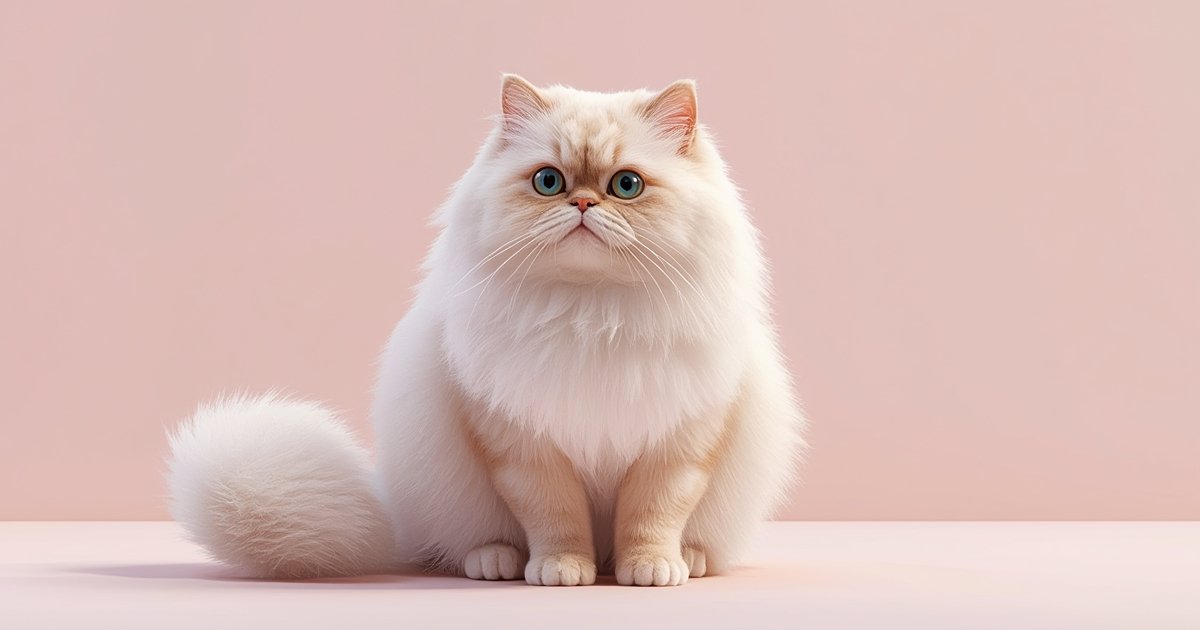
Unlock Persian grooming secrets for a happier, healthier cat in 2026. Discover essential tools, techniques, and daily routines your feline friend will adore.
The Essentials of Persian Grooming: A Daily Ritual
Persian cats are renowned for their stunning, luxurious coats, but this beauty comes with a significant commitment to regular care. Effective Persian grooming is not just about aesthetics; it’s crucial for your cat’s health and comfort. Without consistent attention, their long, dense fur can quickly become matted, leading to skin irritation, infections, and discomfort. Establishing a daily grooming routine from a young age is key to ensuring your Persian thrives.
Starting early helps your cat acclimate to the process, making grooming sessions a positive experience rather than a dreaded chore. This section will delve into the fundamental aspects of daily care, focusing on understanding your Persian’s unique coat and mastering essential brushing techniques.
Understanding Your Persian’s Unique Coat
The Persian cat’s coat is a marvel of nature, characterized by its long, flowing, double-layered structure. The outer coat consists of guard hairs that are fine and silky, while the undercoat is thick and woolly. This combination provides excellent insulation but is also highly prone to tangles and mats, especially around friction points like the armpits, behind the ears, and around the hindquarters.
Seasonal changes can also impact shedding levels, requiring even more diligent Persian grooming during these periods. Understanding the unique challenges of this coat type is the first step toward developing an effective grooming strategy that keeps your cat comfortable and looking magnificent.
Daily Brushing Techniques for Mat Prevention
Daily brushing is the cornerstone of effective Persian grooming. It helps remove loose hair, prevents mats from forming, distributes natural oils for a healthy shine, and provides an excellent opportunity to bond with your cat. The goal is to reach down to the skin to ensure the undercoat is thoroughly detangled.
Start with a wide-toothed comb to gently work through larger sections of fur, then follow up with a slicker brush to remove loose hair and smooth the coat. Always brush in the direction of hair growth, using short, gentle strokes. Be particularly careful around sensitive areas.
Selecting the Right Brushes and Combs
Having the correct tools makes all the difference in a successful Persian grooming routine. Investing in high-quality brushes and combs designed for long-haired cats will save you time and prevent discomfort for your feline friend. A good set of tools typically includes a wide-toothed metal comb, a fine-toothed metal comb, and a slicker brush.
Some owners also find a deshedding tool beneficial, especially during shedding seasons. Ensure all tools are clean and in good condition before each use.
Comparison of Essential Grooming Tools for Persian Cats
| Product | Price | Pros | Cons | Best For |
|---|---|---|---|---|
| Wide-toothed Metal Comb | $10-$25 | Excellent for initial detangling, works through mats gently. Durable and easy to clean. | May not remove all loose undercoat hair, can be pulled if used too aggressively. | Detangling large sections, initial mat removal. |
| Slicker Brush | $15-$35 | Effectively removes loose hair and dander, adds shine, good for daily maintenance. | Can be sharp if pressed too hard, requires careful handling to avoid skin irritation. | Removing shedding fur, smoothing the topcoat, daily maintenance. |
| Deshedding Tool (e.g., FURminator) | $30-$50 | Significantly reduces shedding by reaching deep into the undercoat. | Can remove too much hair if overused, potentially irritating skin; higher price point. | Heavy shedding periods, reducing hairballs. |
| Fine-toothed Flea Comb | $5-$15 | Ideal for checking for fleas and removing small debris from the fur. | Not suitable for detangling, can pull hair if used on matted areas. | Checking for parasites, cleaning around eyes and ears. |
Tackling Mats Safely and Gently
Despite diligent brushing, mats can sometimes form. When you encounter a mat, never pull at it or try to cut it with scissors unless you are absolutely sure of what you are doing. The skin under a mat can be very thin and easily cut.
Instead, try to gently work it apart with your fingers, using a small amount of cornstarch to help loosen the hairs. Then, use the wide-toothed comb, working from the outer edge of the mat inwards, a few hairs at a time. If the mat is too tight or too close to the skin, it’s best to consult a professional groomer or veterinarian for safe removal. Prevention is always better than cure when it comes to mats.
Beyond the Brush: Bathing Your Majestic Persian
While daily brushing is paramount, regular bathing is another essential component of thorough Persian grooming. Persians typically need a bath every 4-6 weeks, or more frequently if their coat gets particularly dirty or greasy. Bathing helps to remove accumulated dirt, dander, and excess oils that brushing alone cannot tackle, leaving the coat fresh, clean, and less prone to matting.
It can be a challenging task due to their long fur and often discerning personalities, but with patience and the right technique, it can become a routine part of their care.
Preparing for a Stress-Free Bath
Preparation is crucial for a successful bath. Before even thinking about water, make sure your cat’s coat is completely free of mats. Water will tighten mats, making them impossible to remove once wet. Gather all your supplies beforehand: cat-specific shampoo and conditioner (never use human products), several towels, cotton balls for ears, and a non-slip mat for the tub.
Choose a warm, quiet bathroom, and ensure the water temperature is lukewarm, similar to a baby’s bath. A calm environment and a few treats can help ease your cat’s anxiety.
The Step-by-Step Bathing Process
Once everything is ready, gently place your cat in the tub, using soothing words. Use a sprayer or a cup to thoroughly wet their coat, starting from the neck down, avoiding the face. Apply a small amount of cat shampoo, working it into a lather, paying special attention to areas prone to greasiness like the base of the tail and armpits.
Rinse thoroughly until no suds remain. Residual shampoo can irritate the skin and lead to dullness. Follow with a cat-specific conditioner, letting it sit for a few minutes as per product instructions, then rinse again meticulously. Throughout the process, keep the water out of their eyes and ears by placing cotton balls gently in their ears.
Drying and Finishing Touches
The drying process is just as important as the bath itself for effective Persian grooming. After rinsing, gently squeeze excess water from their fur and wrap them immediately in a large, absorbent towel. Blot, don’t rub, to prevent tangles. Use several towels if needed to get them as dry as possible.
Many Persians tolerate a pet-specific low-heat hairdryer, which can significantly speed up drying and prevent chilling. Always keep the dryer moving and check the air temperature on your hand regularly to ensure it’s not too hot. Once mostly dry, brush their coat gently to ensure no new tangles form as it finishes air-drying.
Keeping Your Persian Pristine: Eye, Ear, and Dental Care
Beyond the magnificent coat, other crucial aspects of Persian grooming often get overlooked. Regular attention to your cat’s eyes, ears, and teeth is vital for their overall health and prevents common issues specific to the breed. These routines, when done consistently, contribute significantly to your Persian’s comfort and well-being.
Neglecting these areas can lead to infections, discomfort, and potentially serious health problems. Incorporating these steps into your weekly or bi-weekly grooming schedule is highly recommended.
Gentle Eye Cleaning for Tear Stains
Persian cats are known for their brachycephalic (flat) faces, which can lead to excessive tearing and tear staining, especially in lighter-colored Persians. These reddish-brown stains are caused by porphyrins in their tears and can become a breeding ground for yeast and bacteria if not cleaned regularly. Daily eye cleaning is a must for proper Persian grooming.
Use a soft, damp cloth or a specialized pet eye wipe to gently clean around their eyes, working from the inner corner outwards. Never use human eye drops or harsh chemicals. If tear staining is persistent or accompanied by discharge, consult your veterinarian.
Routine Ear Checks and Cleaning
Persians can have longer hair inside their ears, making them more susceptible to wax buildup and ear infections. Weekly ear checks should be part of your Persian grooming routine. Gently fold back the ear flap and visually inspect the ear canal for redness, discharge, or any unusual odors. A healthy ear should be clean and pale pink.
If cleaning is needed, use a veterinarian-approved ear cleaner and cotton balls. Never use cotton swabs, as they can push debris deeper into the ear canal or damage the eardrum. Simply apply the cleaner to a cotton ball and gently wipe the visible parts of the ear. If you notice signs of infection, seek vet advice immediately.
Maintaining Oral Hygiene for Longevity
Dental health is often the most overlooked aspect of pet care. Just like humans, cats can suffer from periodontal disease, which can lead to pain, tooth loss, and even impact organ health. Regular tooth brushing is the most effective way to prevent plaque and tartar buildup.
Start early with a cat-specific toothbrush and toothpaste (never use human toothpaste). Aim for daily brushing, or at least several times a week. If brushing is difficult, discuss dental chews, water additives, or professional dental cleanings with your vet. Good oral hygiene is a critical part of comprehensive Persian grooming.
Nail Trimming and Paw Pad Health: The Unsung Heroes of Persian Grooming
While attention often focuses on the magnificent coat, the paws and nails of your Persian cat require consistent care as well. Overgrown nails can cause discomfort, lead to ingrown nails, or even affect your cat’s gait and balance. Furthermore, healthy paw pads are essential for their mobility and overall well-being. Incorporating nail trims and paw pad inspections into your regular Persian grooming schedule is vital.
Making these tasks a positive experience from a young age can prevent a lifetime of struggle. Patience, positive reinforcement, and the right tools are key.
The Art of Stress-Free Nail Trimming
Trimming your Persian’s nails might seem daunting, but it’s a manageable task with practice. Start by getting your cat comfortable with having their paws handled. Use sharp, cat-specific nail clippers to ensure a clean cut. Locate the quick, the pink part of the nail containing blood vessels and nerves; avoid cutting into it, as this can be painful and cause bleeding.
Only trim the clear tip of the nail. If your cat has dark nails, trim tiny bits at a time, looking for a small dot in the center of the clipped surface, which indicates you are nearing the quick. If you accidentally cut the quick, use styptic powder to stop the bleeding. Aim to trim nails every 2-4 weeks.
Caring for Sensitive Paw Pads
Your Persian’s paw pads are delicate and can be susceptible to dryness, cracking, or injury. Regular inspection of the paw pads is an important part of Persian grooming. Check for any cuts, punctures, foreign objects, or signs of irritation. In between the paw pads, the long fur of a Persian can also grow quite thick, potentially collecting debris or forming mats.
Gently trim this hair flush with the paw pads to prevent discomfort and improve traction. If your cat’s paw pads seem dry, you can apply a small amount of pet-safe paw balm or moisturizer. Always be gentle and observant for any signs of discomfort during these checks.
Nutrition and Lifestyle: Supporting a Luxurious Coat from Within
While external routines are vital, true Persian grooming excellence stems from within. A cat’s diet and overall lifestyle play a profound role in the health and appearance of their coat, skin, and general vitality. Providing optimal nutrition ensures that the building blocks for a strong, shiny coat are readily available, while a stress-free environment helps maintain a balanced system that supports healthy growth.
Considering these internal factors complements your external grooming efforts, leading to a truly magnificent and healthy Persian cat.
Dietary Factors for a Healthy Coat
A high-quality diet is the foundation of a healthy coat. Look for cat foods rich in animal-based protein, which is essential for hair growth and strength. Essential fatty acids, particularly Omega-3 and Omega-6, are also crucial for skin health and coat luster. Many premium cat foods are formulated with balanced levels of these nutrients.
Supplements like fish oil can also be beneficial, but always consult your veterinarian before adding any supplements to your cat’s diet. Adequate hydration is equally important; encourage water intake with fresh water bowls or a pet drinking fountain, as dehydration can contribute to dry skin and a dull coat.
Environmental Enrichment and Stress Reduction
Stress can manifest in various physical ways, including excessive shedding, poor coat condition, and over-grooming (or under-grooming). A calm, enriching environment helps reduce stress and promotes a healthy feline. Ensure your Persian has a safe, quiet space of their own, access to scratching posts, and engaging toys.
Interactive play sessions not only provide exercise but also strengthen your bond. Routine and predictability can also be very comforting to cats. A happy, low-stress cat is more likely to have a healthy coat and be more cooperative during their regular Persian grooming sessions.
Mastering Persian grooming is a journey that rewards patience, consistency, and a deep understanding of your cat’s unique needs. From daily brushing to regular baths, meticulous eye and ear care, and even attentive paw maintenance, each step contributes to the overall health and majestic appearance of your beloved feline. Remember that their diet and environment also play a critical role in maintaining that luxurious coat from the inside out.
By implementing these 2026 grooming hacks, you’re not just maintaining a beautiful pet; you’re actively contributing to their comfort, happiness, and longevity. Embrace these routines as an opportunity for bonding, and you’ll find that Persian grooming becomes a cherished ritual for both you and your cat.
Ready to elevate your Persian’s grooming game? Share your favorite tips or challenges with us in the comments! For more expert advice on pet care and advanced grooming techniques, subscribe to the Dax AI newsletter or explore our extensive library of articles.
Frequently Asked Questions (FAQ)
How often should I brush my Persian cat?
Persian cats should be brushed daily, without exception. Their long, dense double coat is highly prone to matting, and daily brushing is the most effective way to prevent tangles, remove loose hair, and distribute natural oils, keeping their coat healthy and comfortable.
What type of shampoo should I use for my Persian?
Always use a high-quality, cat-specific shampoo and conditioner. Human shampoos are formulated for human skin pH and can be irritating to a cat’s delicate skin. Look for products designed for long-haired cats or those with moisturizing properties to prevent dryness.
My Persian cat hates baths. How can I make it easier?
Start with short, positive experiences from a young age. Ensure the water is lukewarm and the environment is calm. Use a non-slip mat in the tub. If your cat is highly resistant, try a gradual approach: first, just get them comfortable in the tub without water, then add a small amount of water, and slowly build up to a full bath. Always reward with treats and praise.
How do I prevent tear stains on my Persian cat?
Daily cleaning is crucial. Use a soft, damp cloth or pet-specific eye wipes to gently clean around their eyes, removing any discharge. Keeping the hair around their eyes trimmed short can also help. Ensure they have access to fresh, filtered water, as some tap water minerals can exacerbate staining. If staining persists or is accompanied by unusual discharge, consult your vet.
Is it necessary to trim the hair between my Persian’s paw pads?
Yes, it is highly recommended. The long hair between their paw pads can collect debris, dirt, and litter, leading to discomfort or even matting. Trimming this hair flush with the pads helps keep their paws clean, improves traction, and prevents issues like splayed toes or infections.
Leave a Reply