

Meta Description: Discover expert tips for flawless Persian grooming! Learn brushing, bathing, and maintenance secrets to keep your Persian cat’s luxurious coat magnificent.
Unlocking the Secrets to a Pristine Persian Coat
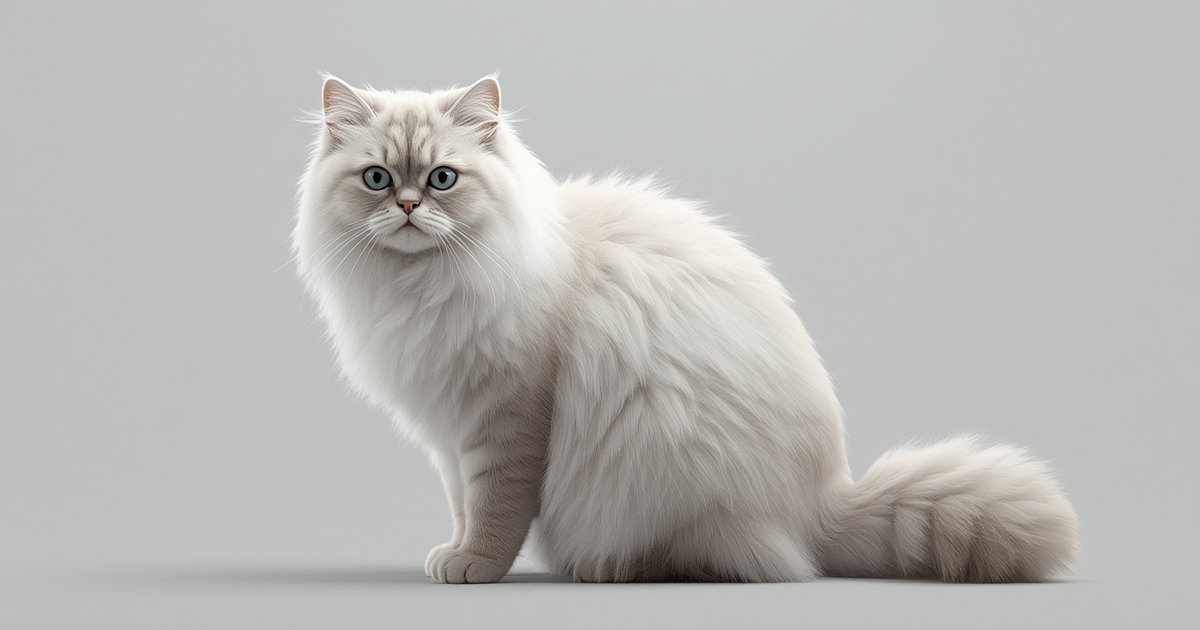
The majestic, flowing coat of a Persian cat is undeniably one of its most captivating features. This luxurious fur, however, doesn’t maintain itself. In fact, effective Persian grooming is a commitment that can transform a dull, matted coat into a soft, gleaming masterpiece. If you’ve ever struggled with tangles or wondered how to keep your Persian looking its absolute best, you’re in the right place. We’ll delve into the essential practices that will make your Persian’s coat look and feel better than ever before.
Caring for such a magnificent mane requires consistent effort and the right techniques. It’s more than just aesthetics; proper grooming is crucial for your cat’s health and comfort, preventing skin issues and discomfort caused by mats. Embrace these tips, and prepare to witness a remarkable difference in your feline friend’s appearance and well-being.
Understanding the Persian Coat: A Deep Dive into its Unique Structure
Before diving into the “how-to,” it’s vital to understand what makes the Persian coat so special and, frankly, so prone to tangles. This breed boasts a double coat, meaning it has a soft, dense undercoat beneath a long, silken topcoat. This combination creates that beautiful, voluminous appearance but also acts as a magnet for loose hair, dirt, and debris.
The undercoat is primarily responsible for insulation, keeping your Persian warm in winter and cool in summer. The longer guard hairs of the topcoat are what you see, providing protection and that characteristic flowing look. Both layers shed regularly, and without proper grooming, the shed hair gets trapped, leading to mats and tangles that can be incredibly difficult, and painful, to remove.
The sheer length and density mean that daily attention is not just recommended, but truly essential for effective Persian grooming. Neglecting this routine, even for a few days, can lead to significant matting, particularly in areas like the armpits, behind the ears, and around the hindquarters. Once a mat forms, it pulls on the skin, causing pain and potentially leading to skin infections.
The Essential Toolkit for Superior Persian Grooming
Having the right tools is half the battle when it comes to maintaining a Persian’s coat. Investing in quality grooming supplies will make the process smoother for both you and your cat, transforming it from a chore into a bonding experience. Don’t underestimate the power of specialized tools; they are designed to tackle the unique challenges posed by a Persian’s long hair.
Your basic grooming kit should include a variety of brushes and combs, designed for different stages of the grooming process. Additionally, specific cleaning solutions for eyes and ears are crucial, as Persians are prone to certain breed-specific issues. Clippers for nails are also a must to keep their paws healthy.
Choosing the Right Brushes and Tools
Selecting the correct grooming tools is paramount for efficient and comfortable Persian grooming. Each type of brush or comb serves a specific purpose in detangling, removing loose hair, and smoothing the coat. Using the wrong tool can pull the hair, cause discomfort, or even damage the coat.
For instance, a slicker brush is excellent for removing loose undercoat and small tangles, while a wide-toothed metal comb is essential for line brushing and identifying deeper mats. Pin brushes are great for finishing and adding shine. Consider the following comparison of essential grooming tools for your Persian:
| Product | Price | Pros | Cons | Best For |
|---|---|---|---|---|
| Slicker Brush (Self-Cleaning) | $15-$30 | Efficiently removes loose hair & small mats; self-cleaning button saves time. | Can be harsh if not used gently; bristles can scratch skin if pressed too hard. | Daily undercoat removal, detangling minor mats. |
| Metal Grooming Comb (Wide & Fine Teeth) | $10-$25 | Excellent for line brushing, finding hidden tangles, and overall finishing. | Requires patience; can pull hair if not used carefully on mats. | Thorough detangling, checking for mats after brushing. |
| Pin Brush with Rounded Tips | $12-$28 | Gentle on the coat, good for general brushing and distributing natural oils. | Less effective for deep detangling or removing dense undercoat. | Everyday brushing, coat finishing, gentle stimulation. |
| Dematting Tool (Blade Rake) | $18-$35 | Specifically designed to cut through stubborn mats without pulling skin. | Requires careful handling to avoid accidental cuts; not for general brushing. | Emergency mat removal when combs fail. |
Beyond brushes and combs, you’ll need high-quality cat shampoo and conditioner. Look for products specifically formulated for long-haired cats or those with sensitive skin, often labeled as “pH-balanced” and “tearless.” These will cleanse without stripping essential oils from the coat.
Don’t forget nail clippers designed for cats and styptic powder for any accidental nicks. Cotton pads or soft cloths with a veterinarian-approved eye cleaner are also crucial for daily tear stain management. A soft toothbrush and cat-specific toothpaste can also be invaluable for oral hygiene, which indirectly affects overall health and coat vitality.
Daily Rituals: Brushing Techniques for a Magnificent Mane
Consistent, gentle daily brushing is the cornerstone of effective Persian grooming. This routine prevents matting, removes loose hair, distributes natural skin oils, and provides a wonderful opportunity for bonding with your cat. Aim for at least 15-20 minutes a day, especially during shedding seasons.
Start by making grooming a positive experience from an early age. Use treats, gentle praise, and short sessions to build trust. Never force your cat if it’s resistant; instead, try again later or consult with a professional groomer for advice on handling. Patience is key.
1. **Preparation is Key:** Find a comfortable, elevated surface where your cat feels secure. Lay down a soft towel to prevent slipping. Gather all your tools before you begin.
2. **Gentle Detangling with a Slicker Brush:** Begin by gently brushing the entire coat with a slicker brush, moving with the direction of hair growth. Pay special attention to areas prone to matting: under the chin, behind the ears, armpits, and hind legs. Use short, gentle strokes, lifting small sections of hair as you go.
3. **The “Line Brushing” Technique:** This is crucial for reaching the undercoat. Part the hair horizontally with your hand, exposing the skin. Brush from the skin outwards, working in small sections, effectively brushing “line by line.” Start from the bottom (legs, belly) and work your way up. This ensures you’re reaching deep into the coat and not just skimming the surface. Use a wide-toothed metal comb for this.
4. **Addressing Mats:** If you encounter a mat, do not pull! First, try to gently tease it apart with your fingers. If it’s stubborn, use a dematting comb or tool, always working from the outer edge of the mat inwards, a little bit at a time. Hold the base of the mat with one hand to prevent pulling on the skin. For very tight mats, it’s safer to use electric clippers or seek professional help rather than risking injury to your cat.
5. **Finishing Touches:** Once the coat is free of tangles and loose hair, use a pin brush or a fine-toothed metal comb to smooth the entire coat, checking for any missed spots. This also helps to distribute natural oils, leaving the coat shiny and soft.
Remember, consistency is more important than duration. A little bit of daily Persian grooming goes a long way in preventing major issues and keeping your cat comfortable and happy.
Bathing Your Persian: A Spa Day, Not a Splash Zone
While daily brushing is paramount, regular bathing is also an essential part of comprehensive Persian grooming, especially for white or light-colored Persians. Baths help remove accumulated dirt, dander, and excess oils that brushing alone cannot tackle. For most Persians, a bath every 4-6 weeks is ideal, but some may need more or less depending on their lifestyle and coat condition.
Preparation is vital to minimize stress for both you and your cat. Trim their nails beforehand to prevent accidental scratches, and thoroughly brush out any mats. Water can tighten existing mats, making them nearly impossible to remove after bathing. Have everything you need within arm’s reach before starting: cat shampoo, conditioner, towels, and a cup or sprayer for rinsing.
1. **Pre-Bath Brushing and Mat Removal:** This step cannot be stressed enough. Ensure your cat’s coat is completely free of tangles and mats before it touches water. Mats act like sponges, absorbing water and becoming incredibly tight and painful.
2. **The Bathing Area:** Use a non-slip mat in a sink or tub. Fill the basin with a few inches of lukewarm water (test the temperature with your elbow) before bringing your cat in. This avoids startling them with running water.
3. **Wetting the Coat:** Gently place your cat in the water. Use a cup or a sprayer with low pressure to thoroughly wet the entire coat, being careful to avoid their eyes and ears. You can place cotton balls loosely in their ears to prevent water entry, but remember to remove them afterward.
4. **Shampooing:** Apply a small amount of cat-specific shampoo, working it into a lather from the neck down, focusing on the dirtiest areas. Massage gently through the coat, making sure to reach the skin. Never use human shampoo, as it can be too harsh and dry out their skin.
5. **Rinsing Thoroughly:** This is arguably the most critical part. Residual shampoo can irritate the skin and leave the coat dull. Rinse, rinse, and rinse again until the water runs clear and you feel no slipperiness in the fur. Use a cup or a gentle sprayer.
6. **Conditioning:** Apply a cat-specific conditioner, allowing it to sit for the recommended time (usually 2-5 minutes) before rinsing thoroughly. Conditioner helps to detangle and restore moisture to the coat.
7. **Drying:** Wrap your cat immediately in a large, absorbent towel and gently blot the excess water. Avoid vigorous rubbing, which can cause tangles. For Persians, blow-drying is often necessary to prevent matting and ensure they are completely dry, especially the dense undercoat. Use a pet-specific dryer or a human dryer on a low, cool setting. Keep the dryer moving and never hold it in one spot for too long to avoid overheating the skin. Brush as you dry to separate the hairs and prevent tangles.
Ensure your Persian is completely dry before allowing them to roam freely, especially in cooler environments, to prevent chilling and matting. A well-executed bath is a crucial component of comprehensive Persian grooming that leaves their coat soft, clean, and radiant.
Beyond the Brush: Addressing Common Persian Grooming Challenges
Persian cats, due to their unique facial structure and long fur, have specific grooming needs that extend beyond just brushing and bathing. Addressing these common challenges proactively will contribute significantly to their overall health and the pristine condition of their coat.
Eye Care and Tear Stains
Persians are renowned for their beautiful, large eyes, but their brachycephalic (flat) faces often lead to epiphora, or excessive tearing. This can result in unsightly reddish-brown tear stains on the fur beneath their eyes, which can also become a breeding ground for yeast and bacteria if neglected.
* **Daily Wiping:** Gently wipe around your Persian’s eyes daily with a soft, damp cloth or a veterinarian-approved eye wipe. Always wipe away from the eye.
* **Specialized Cleaners:** For stubborn stains, use a cat-safe tear stain remover recommended by your vet. Be patient, as significant stains may take time to lighten.
* **Consult Your Vet:** If tearing is excessive, suddenly increases, or the discharge changes color, consult your veterinarian to rule out underlying medical issues like blocked tear ducts or infections.
Ear Cleaning
Like all cats, Persians need their ears checked regularly. Their long fur can sometimes obscure the ear canal, making it prone to wax buildup.
* **Weekly Checks:** Gently fold back your cat’s ear flap and inspect the inner ear. It should be clean and pale pink, without excessive wax, redness, or odor.
* **Gentle Cleaning:** If there’s some buildup, use a cotton ball or gauze wrapped around your finger, lightly moistened with a vet-approved ear cleaner. Never use cotton swabs inside the ear canal, as this can damage the delicate inner ear structures.
* **Vet Consultation:** If you notice redness, swelling, discharge, a foul odor, or if your cat is shaking its head or scratching its ears excessively, contact your vet immediately.
Nail Trimming
Regular nail trims are essential not only for preventing scratches but also for your cat’s paw health. Overgrown nails can curve into the paw pads, causing pain and infection.
* **Frequency:** Aim to trim your Persian’s nails every 2-4 weeks.
* **Technique:** Use sharp, cat-specific nail clippers. Gently press on the paw pad to extend the nail. Only snip the very tip, avoiding the “quick” (the pink part visible within the nail, which contains blood vessels and nerves). If you accidentally cut the quick, apply styptic powder to stop the bleeding.
* **Start Early:** Acclimate your kitten to nail trims from a young age to make it a stress-free routine.
Diet and Coat Health
A healthy diet plays a significant role in the luster and condition of your Persian’s coat. A high-quality cat food rich in essential fatty acids (like Omega-3 and Omega-6) will support skin health and promote a shiny, strong coat.
* **Premium Cat Food:** Choose a reputable brand of cat food that lists meat as the primary ingredient.
* **Supplements:** Your vet may recommend supplements, such as fish oil, to further enhance coat health, especially if your cat has dry skin or a dull coat.
* **Hydration:** Ensure your Persian always has access to fresh, clean water, as hydration is vital for skin and coat health. Consider a pet water fountain to encourage drinking.
By diligently addressing these specific challenges, your comprehensive Persian grooming routine will result in a healthier, happier cat with an even more magnificent coat.
When to Seek Professional Persian Grooming Help
While at-home Persian grooming is crucial, there are times when seeking professional assistance is not just helpful, but necessary. Professional groomers have specialized tools, training, and experience to handle even the most challenging coats. Knowing when to call in the experts can save you stress, prevent discomfort for your cat, and ensure their well-being.
One of the primary reasons to visit a professional groomer is severe matting. If your Persian has extensive, tight mats that you cannot gently brush or tease out at home, attempting to remove them yourself can be painful and dangerous for your cat. Professional groomers are skilled at safely shaving down matted areas, which is often the kindest solution for severely matted coats. They can do this efficiently and with minimal stress to your cat.
Professional groomers also offer services like thorough de-shedding treatments that can significantly reduce the amount of loose hair in your home and prevent future matting. They have specialized high-velocity dryers that can penetrate the dense undercoat more effectively than home dryers, ensuring your cat is completely dry after a bath. This is critical for preventing skin issues and mats.
Consider professional grooming if:
– Your cat is resistant to at-home grooming, making the process stressful for both of you.
– You notice skin irritations, unusual lumps, or changes in coat texture that concern you.
– Your cat has severe matting that you cannot safely remove.
– You want a specific style, like a “lion cut,” which should only be performed by experienced professionals. This can be a good option for cats prone to severe matting or during hot summer months, but discuss the pros and cons with a groomer first.
– You simply want to ensure your cat receives a comprehensive, expert-level grooming session every few months to complement your home routine.
When choosing a professional groomer, look for one experienced with long-haired breeds, especially Persians. Ask for recommendations, check reviews, and ensure the facility is clean and well-maintained. A good groomer will prioritize your cat’s comfort and safety.
A Commitment to Splendor: Your Persian’s Future Coat
Maintaining the glorious coat of your Persian cat is an ongoing journey that requires dedication, the right tools, and a good understanding of their unique needs. From consistent daily brushing to mindful bathing and addressing specific challenges like tear stains, every step contributes to not just their stunning appearance, but also their overall health and happiness. Proper Persian grooming is a commitment, but the reward of a magnificent, healthy, and comfortable feline companion is immeasurable.
By implementing these comprehensive grooming tips, you’re not just performing a chore; you’re nurturing a bond and ensuring your beloved Persian cat lives its most comfortable and beautiful life. Embrace the routine, and you’ll soon find that your Persian’s coat will never be the same—it will be even more splendid.
Don’t let the beauty of your Persian cat’s coat become a burden. Take these tips to heart, and transform your grooming routine into an enjoyable ritual. Share your own Persian grooming success stories in the comments, or reach out to us if you have more questions about keeping your feline friend looking their best.
—
Frequently Asked Questions (FAQ)
How often should I brush my Persian cat?
For most Persian cats, daily brushing is highly recommended to prevent matting and remove loose hair. During shedding seasons, you may need to brush even more frequently.
What kind of shampoo is best for Persian cats?
Always use a cat-specific shampoo and conditioner, preferably one formulated for long-haired cats or those with sensitive skin. Look for pH-balanced and tearless options to avoid irritation. Never use human shampoos.
Can I shave my Persian cat?
Shaving a Persian cat, often into a “lion cut,” can be done by a professional groomer, usually to remove severe matting or for comfort in very hot climates. However, it’s a decision to discuss with your vet and groomer, as it can affect coat regrowth and skin sensitivity. It’s not generally recommended for regular maintenance if not necessary.
How do I prevent mats and tangles in my Persian’s coat?
The best prevention is consistent daily brushing using the line brushing technique, ensuring you reach the undercoat. Regular bathing with proper drying also helps. A high-quality diet rich in fatty acids supports coat health, making it less prone to tangling.
Is professional grooming necessary for Persian cats?
While daily home grooming is essential, professional grooming can be highly beneficial every few months. Professionals have the tools and expertise to handle stubborn mats, provide thorough de-shedding treatments, and safely perform tasks like full baths and clips, ensuring your Persian’s coat stays in top condition.
—
Leave a Reply