

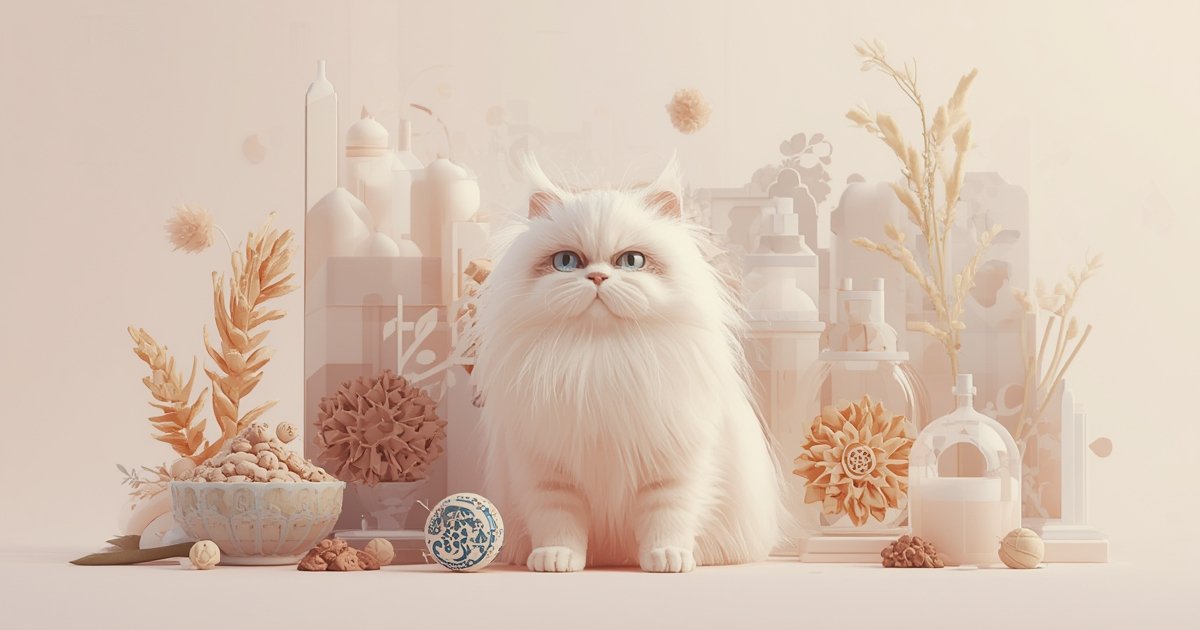
Meta Description: Uncover the ultimate guide to Persian cat nutrition for 2026. Learn about their unique dietary needs, essential nutrients, and common health challenges.
Unlocking Optimal Persian Nutrition: Why Diet Matters for Your Feline Friend
Are you wondering if your beautiful Persian cat is truly thriving on their current diet? Understanding the unique dietary requirements of this magnificent breed is paramount to their long-term health and happiness. Optimal Persian nutrition goes beyond just filling their bowl; it involves a deep dive into specific needs influenced by their distinctive flat faces, luxurious long coats, and often sensitive digestive systems. Ensuring they receive the right balance of nutrients can prevent common health issues, keep their coat lustrous, and maintain their playful demeanor. This comprehensive guide will arm you with the knowledge to make informed decisions about your Persian’s diet, guaranteeing they receive the best possible care.
Persian cats are renowned for their serene temperament and striking appearance, but these very characteristics come with specific considerations for their health. Their brachycephalic (flat) faces can make eating certain kibble shapes challenging, leading to inefficient nutrient intake if not addressed. Furthermore, their long, dense fur means they are prone to hairballs, which can be managed significantly through a fiber-rich diet.
A well-researched approach to Persian nutrition is not just about avoiding problems; it’s about promoting vitality. From kittenhood through their senior years, their nutritional demands evolve. This guide will walk you through the essential components of a healthy Persian diet, common pitfalls to avoid, and practical strategies for ensuring your furry companion enjoys a long, healthy life.
Essential Nutrients for Your Persian Cat’s Well-being
Just like humans, cats require a balanced intake of macronutrients and micronutrients to function optimally. For Persian cats, the precise balance is even more crucial due to their breed-specific predispositions. Prioritizing high-quality sources of protein, fats, and carbohydrates, along with essential vitamins and minerals, is the cornerstone of excellent Persian nutrition.
Protein: The Foundation of Feline Health
Cats are obligate carnivores, meaning protein is the most vital component of their diet. It’s essential for muscle maintenance, tissue repair, enzyme production, and a strong immune system. For Persian cats, high-quality animal-based protein sources are non-negotiable.
Ideal Protein Sources
– Chicken, turkey, and duck (whole meat, not just by-products)
– Beef, lamb, and venison
– Fish (salmon, tuna, mackerel) in moderation for essential fatty acids, but not as a primary protein source due to potential heavy metals and thiaminase.
Aim for cat foods that list a specific meat as the first ingredient. The percentage of protein should ideally be above 30% for adult cats, and even higher for kittens or pregnant queens. Adequate protein intake directly contributes to the strength and health of their signature long coat.
Fats: Energy, Skin, and Coat Health
Fats are a concentrated source of energy for cats and are crucial for the absorption of fat-soluble vitamins (A, D, E, K). They also play a significant role in maintaining the health of your Persian’s skin and the sheen of their beautiful coat. Essential fatty acids, particularly Omega-3 and Omega-6, are vital.
Key Fatty Acids and Their Benefits
– Omega-3 Fatty Acids (EPA and DHA): Found in fish oils, flaxseed oil. Support brain health, reduce inflammation, and promote a healthy coat.
– Omega-6 Fatty Acids (Linoleic Acid): Found in poultry fat, plant oils. Essential for skin barrier function and coat quality.
Look for foods that include named animal fats (e.g., chicken fat) and ideally contain supplemental Omega-3s. A deficiency in healthy fats can lead to dull coats, dry skin, and increased shedding, which is particularly undesirable for a long-haired breed.
Carbohydrates: Energy and Digestive Support
While not strictly necessary in large quantities for obligate carnivores, carbohydrates provide readily available energy and dietary fiber. For Persian cats, soluble and insoluble fibers are especially beneficial for digestive health and managing hairballs.
Beneficial Carbohydrate Sources
– Whole grains (brown rice, oats, barley) in moderation.
– Vegetables (peas, sweet potatoes, pumpkin) for fiber and vitamins.
– Fruits (berries) as occasional treats.
Avoid fillers like corn, wheat, or soy as primary carbohydrate sources, especially if your cat has sensitivities. Fiber helps move food through the digestive tract, aiding in the excretion of ingested hair and preventing uncomfortable hairball formation. A balanced approach to Persian nutrition considers the quality of these carb sources.
Vitamins and Minerals: Micronutrient Essentials
A complete and balanced diet should provide all the necessary vitamins and minerals. These micronutrients are vital for virtually every bodily function, from bone health to immune response and vision. Commercial cat foods formulated to meet AAFCO (Association of American Feed Control Officials) standards will generally have these included.
Important Vitamins and Minerals
– Vitamin A: For vision, immune function, and skin.
– B Vitamins: Essential for metabolism and energy.
– Vitamin D: Crucial for calcium absorption and bone health.
– Calcium and Phosphorus: For strong bones and teeth (maintain a proper ratio).
– Taurine: An essential amino acid for cats, vital for heart function and vision. Deficiency can lead to serious health issues.
Always ensure the cat food you choose explicitly states it is “complete and balanced” and meets AAFCO nutrient profiles for your cat’s life stage. Adding extra supplements without veterinary guidance can disrupt this delicate balance and potentially cause harm.
Choosing the Best Food Type for Your Persian Cat
Deciding between dry kibble, wet food, raw diets, or even homemade meals can be daunting. Each option presents unique advantages and disadvantages, especially when considering specific Persian nutrition requirements. The best choice often depends on your cat’s individual needs, health status, and your lifestyle.
Dry Kibble: Convenience and Dental Health
Dry kibble is a popular choice for its convenience, cost-effectiveness, and ease of storage. Many premium dry foods are specifically formulated for Persian cats, often featuring kibble shapes designed for their brachycephalic jaws to pick up more easily. Some also contain ingredients aimed at reducing hairballs and improving coat health.
Pros of Dry Kibble
– Convenient and easy to portion.
– Can help scrape plaque off teeth (though not a substitute for dental care).
– Less messy.
– Often designed with special kibble shapes for flat-faced breeds.
Cons of Dry Kibble
– Lower moisture content, requiring diligent water intake.
– Can be high in carbohydrates or fillers if not chosen carefully.
– Some cats may struggle with chewing due to dental issues or jaw structure.
If you choose dry kibble, ensure it’s a high-quality, meat-first formula. Always provide plenty of fresh water, perhaps even using a cat water fountain to encourage hydration.
Wet Food: Hydration and Palatability
Wet food, with its high moisture content (typically 70-80%), is excellent for hydration, which is vital for urinary tract health. Persians can be prone to kidney issues later in life, making adequate hydration a key preventative measure. Wet food is often more palatable, making it a good choice for picky eaters or cats with dental problems.
Pros of Wet Food
– High moisture content supports hydration and urinary health.
– Highly palatable for finicky eaters.
– Easier to chew for cats with dental issues or flat faces.
– Often lower in carbohydrates.
Cons of Wet Food
– More expensive per serving.
– Shorter shelf life once opened.
– Can contribute to faster dental plaque buildup if not complemented with dental care.
A mixed diet, incorporating both high-quality dry and wet food, can offer the best of both worlds, balancing convenience with superior hydration and palatability. This approach provides varied textures and flavors, keeping meal times interesting for your Persian.
Raw and Homemade Diets: Control and Customization
Raw food (BARF – Biologically Appropriate Raw Food) and meticulously prepared homemade diets are gaining popularity among owners seeking complete control over their cat’s ingredients. Proponents believe these diets mimic a cat’s ancestral diet and can lead to improved coat, energy, and overall health. However, these diets require significant research, commitment, and often veterinary consultation to ensure nutritional completeness and safety.
Pros of Raw/Homemade Diets
– Complete control over ingredients, allowing avoidance of allergens or fillers.
– High moisture content in raw meat.
– Can result in improved digestion, skin, and coat health for some cats.
Cons of Raw/Homemade Diets
– Risk of nutritional imbalances if not properly formulated.
– Risk of bacterial contamination (Salmonella, E. coli) from raw meat.
– Time-consuming and potentially more expensive.
– Requires careful handling and storage protocols.
If considering a raw or homemade diet, consult with a veterinary nutritionist. They can help you formulate a balanced diet tailored to your Persian’s specific needs, ensuring it meets all essential nutrient requirements and minimizes health risks. This is a critical aspect of responsible Persian nutrition for these options.
Comparison of Popular Persian Cat Food Options
When selecting the best food for your Persian, it’s helpful to compare brands that cater to their unique needs. Here’s a look at some common types of specialized Persian cat foods available:
| Product | Price | Pros | Cons | Best For |
|---|---|---|---|---|
| Royal Canin Persian Adult Dry Food | $40-$55 (3.5lb) | Specifically designed kibble for brachycephalic jaws; rich in Omega-3 & Omega-6 for coat health; aids hairball reduction. | Higher carbohydrate content than some alternatives; contains corn and wheat fillers. | Owners seeking breed-specific formulation for coat and hairball management. |
| Blue Buffalo Wilderness Chicken Dry Food | $35-$50 (5lb) | Grain-free, high-protein formula; includes “LifeSource Bits” for added vitamins/minerals; no corn, wheat, soy. | Kibble shape may not be ideal for all flat-faced Persians; can be rich for sensitive stomachs initially. | Persian owners prioritizing high protein, grain-free options. |
| Hill’s Science Diet Adult Hairball Control Wet Food | $25-$35 (24 x 2.9oz cans) | High moisture content supports hydration; formulated with natural fiber to reduce hairballs; palatable. | More expensive than dry food; some cats may not prefer pate texture; requires refrigeration after opening. | Persian cats prone to hairballs and in need of increased hydration. |
| Instinct Raw Boost Mixers Gut Health | $20-$30 (5.5oz bag) | Adds raw, freeze-dried protein & probiotics to kibble; excellent for digestive health & coat luster; grain-free. | Higher price point for a supplemental product; not a complete meal on its own. | Enhancing existing dry kibble with raw nutrition and digestive support. |
Addressing Common Dietary Challenges in Persian Cats
Persian cats, with their unique physiology, can face several diet-related challenges. Recognizing and addressing these issues promptly through appropriate Persian nutrition adjustments can significantly improve their quality of life.
Hairball Management
The long, luxurious coat of a Persian cat means they ingest a considerable amount of hair during grooming. While some hairballs are normal, excessive or frequent vomiting of hairballs indicates a need for dietary intervention. Fiber is your best friend here.
Dietary Strategies for Hairballs
– Increase dietary fiber: Look for foods formulated for “hairball control” that contain higher levels of natural fibers like psyllium husk, beet pulp, or cellulose.
– Regular grooming: While not strictly diet, regular brushing reduces the amount of loose hair ingested.
– Wet food: The higher moisture content of wet food can help hair pass through the digestive tract more smoothly.
– Specialized supplements: Some cats benefit from hairball paste, often containing petroleum jelly or similar lubricants, though dietary changes are usually preferred.
Ensuring adequate hydration is also crucial for hairball prevention, as a well-hydrated digestive system is more efficient. This aspect of Persian nutrition is often overlooked but vital.
Sensitive Digestion and Food Allergies
Many Persian cats have sensitive stomachs, manifesting as vomiting, diarrhea, or excessive gas. Identifying the trigger can be challenging but is key to resolving the issue. Food allergies or intolerances are common culprits.
Signs of Digestive Sensitivity
– Frequent vomiting (not related to hairballs)
– Diarrhea or consistently soft stools
– Excessive gas
– Itchy skin, especially around the ears and paws
– Poor coat quality
Managing Digestive Issues
– Novel protein diets: Introduce a food with a protein source your cat hasn’t eaten before (e.g., duck, venison, rabbit) to see if symptoms improve.
– Limited ingredient diets (LID): These foods contain a minimal number of ingredients, making it easier to pinpoint allergens.
– Hydrolyzed protein diets: Prescription diets where proteins are broken down into tiny particles, making them less likely to trigger an allergic reaction.
– Probiotics: Supplements containing beneficial bacteria can help restore gut flora balance.
Always consult your veterinarian if your Persian is experiencing chronic digestive problems. They can rule out underlying medical conditions and guide you through an elimination diet to identify specific food sensitivities. This methodical approach to Persian nutrition for sensitive cats is essential.
Obesity Prevention and Weight Management
Persians can be prone to weight gain, especially if they are indoor-only cats with lower activity levels. Obesity can lead to a host of health problems, including diabetes, arthritis, and heart disease. Proper portion control and appropriate food choices are crucial.
Strategies for Weight Management
– Measure food accurately: Do not free-feed. Use a measuring cup and stick to recommended portion sizes based on your cat’s ideal weight, not their current weight.
– Choose appropriate caloric density: Opt for foods designed for “indoor cats” or “weight management” which are typically lower in calories and higher in fiber.
– Increase activity: Engage your Persian in daily play sessions to burn calories and build muscle.
– Regular vet check-ups: Your vet can help assess your cat’s body condition score and recommend a target weight and feeding plan.
Gradual weight loss is safest. Rapid weight loss in cats can lead to hepatic lipidosis (fatty liver disease), a serious and potentially fatal condition. Any significant change in your Persian’s nutrition plan for weight loss should be discussed with your veterinarian.
Feeding Schedules, Portion Control, and Hydration
Beyond choosing the right food, how and when you feed your Persian cat greatly impacts their health and well-being. Establishing a consistent feeding routine, managing portion sizes, and ensuring constant access to fresh water are fundamental to excellent Persian nutrition.
Establishing a Consistent Feeding Schedule
Cats are creatures of habit, and a consistent feeding schedule can help regulate their digestive system and reduce anxiety. Most adult cats do well with two meals a day, typically morning and evening. Kittens, with their higher energy demands, may require 3-4 smaller meals throughout the day.
Avoid free-feeding, especially if your cat is prone to obesity. While convenient for owners, free-feeding makes it difficult to monitor food intake and can lead to overeating. Scheduled meals also allow you to observe your cat’s appetite, which can be an early indicator of illness.
Mastering Portion Control
Portion control is perhaps the most critical aspect of managing your Persian’s weight and overall health. The feeding guidelines on pet food bags are a good starting point, but they are often broad recommendations. Factors like age, activity level, metabolism, and whether your cat is spayed/neutered all influence caloric needs.
Tips for Effective Portion Control
– Use a measuring cup: Don’t eyeball portions. A precise measuring cup ensures consistency.
– Consult your vet: Your veterinarian can help you determine your cat’s ideal weight and calculate their daily caloric requirements based on their specific needs.
– Monitor body condition: Regularly assess your cat’s body condition score. You should be able to feel their ribs easily without seeing them, and they should have a discernible waist.
– Adjust as needed: If your cat is gaining or losing too much weight, adjust their portion size gradually.
Remember that treats should be given in moderation and factored into the daily caloric intake. They should make up no more than 10% of your cat’s total diet to prevent nutritional imbalances and weight gain. Treats are not a part of core Persian nutrition.
The Importance of Hydration
Water is essential for every bodily function, including nutrient transport, temperature regulation, and waste elimination. Given that Persians can be prone to urinary and kidney issues, ensuring adequate hydration is absolutely vital. While wet food contributes significantly to water intake, supplemental sources are still necessary.
Encouraging Water Consumption
– Multiple water bowls: Place several bowls around your home in quiet, easily accessible locations.
– Fresh water daily: Change the water at least once a day, and clean bowls regularly to prevent bacterial buildup.
– Water fountains: Many cats prefer moving water to still water. A circulating water fountain can entice them to drink more.
– Wide, shallow bowls: Some cats dislike their whiskers touching the sides of a deep bowl.
– Filtered water: If your tap water quality is poor, consider offering filtered water.
Signs of dehydration include sunken eyes, lethargy, loss of skin elasticity (skin tenting), and dry gums. If you suspect your Persian is dehydrated, contact your veterinarian immediately. Proper hydration is a foundational element of sound Persian nutrition.
Conclusion
Providing the right Persian nutrition is one of the greatest gifts you can give your beloved feline companion. From understanding their unique breed-specific needs to selecting high-quality ingredients, managing dietary challenges, and ensuring proper hydration, every decision contributes to their overall health and longevity. By focusing on a balanced diet rich in appropriate proteins, fats, and essential micronutrients, you are not just feeding your cat; you are investing in their vibrant future. Remember that regular veterinary check-ups and open communication with your vet are crucial for tailoring the best nutritional plan as your Persian cat grows and their needs evolve.
Take the first step towards optimizing your Persian’s health today. Review their current diet, consider the expert advice provided, and don’t hesitate to consult with your veterinarian for personalized recommendations. Your Persian cat deserves nothing less than the very best, and a thoughtful approach to their diet is a cornerstone of their well-being.
Want to learn more about feline health or have specific questions about your cat’s diet? Reach out to us directly or consult your trusted veterinary professional.
Frequently Asked Questions (FAQ)
How often should I feed my Persian cat?
Most adult Persian cats do well with two meals per day, typically in the morning and evening. Kittens, however, may require 3-4 smaller meals daily due to their higher energy needs and smaller stomach capacity.
What type of kibble shape is best for Persian cats?
Due to their brachycephalic (flat) faces, Persian cats often benefit from kibble shapes that are specifically designed for easy pick-up and chewing. Look for brands that mention “almond shape,” “special kibble design,” or “flat-faced friendly” on their packaging.
Are grain-free diets necessary for Persian cats?
Not necessarily. While some cats may have grain sensitivities, there’s no universal requirement for a grain-free diet for all Persians. The most important factor is the overall quality and balance of ingredients, with high-quality animal protein as the primary component. Always consult your vet if you suspect a grain allergy.
How can I tell if my Persian cat is overweight?
You should be able to easily feel your cat’s ribs without seeing them, and they should have a noticeable waist when viewed from above. If you can’t feel their ribs or if they have a saggy belly, they may be overweight. Your veterinarian can assess your cat’s body condition score accurately.
Can I give my Persian cat human food?
While some human foods are safe in very small quantities as occasional treats (e.g., plain cooked chicken, small pieces of certain fruits/vegetables), many human foods are harmful or toxic to cats (e.g., onions, garlic, chocolate, grapes). It’s best to stick to cat-specific food and treats to avoid nutritional imbalances or poisoning.
How much water should my Persian cat drink daily?
A general guideline is 2-4 ounces of water per 5 pounds of body weight per day. However, this varies based on diet (wet food provides more moisture), activity level, and environmental temperature. Encouraging consistent water intake through multiple bowls, fresh water, and possibly a water fountain is more important than tracking exact ounces.
References and Further Reading
- AAFCO (Association of American Feed Control Officials) – Standards for pet food nutrition.
- University of Wisconsin-Madison School of Veterinary Medicine – Clinical Nutrition Service – Expert advice on pet diets.
- ASPCA Pet Care: Cat Nutrition Tips – General guidelines for feline nutrition.
- American Association of Feline Practitioners (AAFP) – Resources for optimal feline health care.
Leave a Reply