

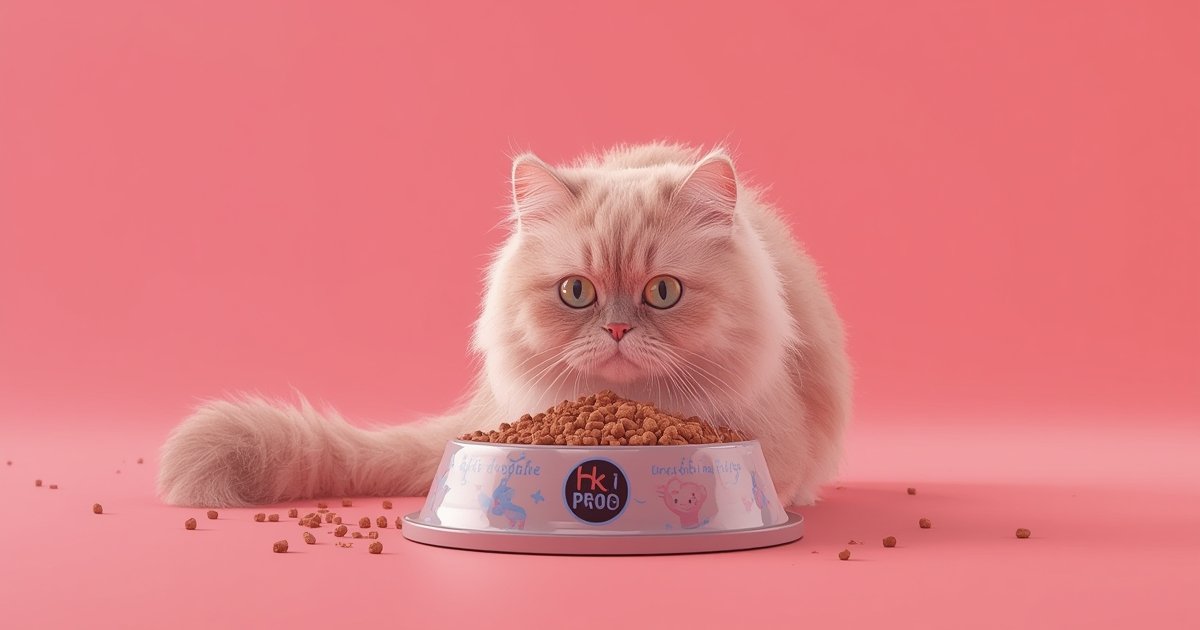
Meta Description: Discover the truth about Persian cat food in 2026! Learn essential nutrition tips, ingredient insights, and top food choices to ensure your beloved Persian thrives.
Understanding the Unique Nutritional Needs of Persian Cats
The luxurious coat, distinctive facial structure, and generally calmer demeanor of Persian cats are undeniably charming. However, these very traits also dictate a specific set of nutritional requirements that differ significantly from other breeds. Ignoring these unique needs can lead to a host of health issues, making the choice of Persian cat food crucial for their well-being.
Unlike your average domestic shorthair, Persians often have smaller, flatter faces (brachycephalic), which can make eating certain kibble shapes difficult. Their long, dense fur is also prone to hairballs, demanding a diet rich in fiber and specific nutrients to aid digestion and reduce shedding. Furthermore, their generally less active lifestyle compared to more agile breeds means calorie control is often a priority to prevent obesity.
The Brachycephalic Challenge: Eating Comfortably
The flattened face of a Persian cat is beautiful but presents a practical challenge: picking up food. Many standard kibble shapes are difficult for them to grasp, leading to frustration, messy eating, and potentially less food intake than needed. This is why specialized kibble designs are not just a marketing gimmick; they are a necessity for optimal Persian cat food consumption.
Look for kibble that is specifically designed for brachycephalic breeds, often shaped like an almond or a disc, allowing them to scoop it more easily with their tongues. The size should also be manageable, preventing choking hazards while encouraging thorough chewing. Proper chewing is vital for dental health and digestive enzyme activation.
Coat Health and Hairball Prevention
A Persian’s magnificent long coat is a hallmark of the breed, but it comes with the responsibility of rigorous grooming – both by you and by your cat. As they groom themselves, they ingest significant amounts of loose fur, which can accumulate in their digestive tract and form hairballs. While occasional hairballs are normal, frequent or severe hairballs can cause blockages, vomiting, and discomfort.
The right Persian cat food plays a pivotal role in managing hairballs. Diets rich in insoluble and soluble fibers can help ingested hair pass through the digestive system more easily. Ingredients like psyllium husk, beet pulp, and specific prebiotics contribute to a healthy gut microbiome, which is essential for overall digestive function and hairball control. Additionally, omega-3 and omega-6 fatty acids from sources like fish oil and flaxseed support healthy skin and coat, potentially reducing excessive shedding in the first place.
Weight Management for a Sedentary Lifestyle
Persian cats are known for their calm and often indoor-oriented personalities. While this makes them wonderful companions, it also means they typically burn fewer calories than more active breeds. This predisposition to a sedentary lifestyle makes them more susceptible to weight gain and obesity, which can lead to serious health problems like diabetes, arthritis, and heart disease.
Choosing a Persian cat food with appropriate calorie density is key. Look for formulas designed for indoor cats or those with moderate fat content. Portion control is paramount; always follow the feeding guidelines on the food package, adjusting for your cat’s specific activity level, age, and ideal weight. Regular monitoring of your cat’s weight and body condition score, in consultation with your veterinarian, is crucial to prevent and manage obesity effectively.
Decoding Labels: What to Look for in Quality Persian Cat Food
Navigating the myriad of options available in the pet food aisle can be overwhelming. Knowing how to read and interpret pet food labels is an essential skill for any Persian cat owner committed to providing the best nutrition. The ingredients list, nutritional analysis, and feeding guidelines all hold vital clues about the quality and suitability of a Persian cat food.
Prioritizing High-Quality Protein Sources
Cats are obligate carnivores, meaning their bodies are designed to derive nutrients primarily from animal protein. Therefore, the first ingredient in any quality Persian cat food should always be a named meat source. Look for ingredients like “chicken,” “salmon,” “lamb,” or “turkey.” Avoid vague terms like “meat meal” or “animal by-products” as the primary protein source, though high-quality named meat meals (e.g., “chicken meal”) can be excellent concentrated protein sources.
A diet rich in animal-derived protein supports muscle maintenance, energy levels, and essential bodily functions. The amino acids found in animal protein are vital for your Persian’s health, including taurine, which is critical for heart and eye health and cannot be adequately synthesized by cats from plant sources. Ensuring a high percentage of crude protein is important, typically above 30-35% for adult cats.
Essential Fats, Vitamins, and Minerals
Fats are a concentrated source of energy for cats and are crucial for the absorption of fat-soluble vitamins (A, D, E, K). Look for healthy fat sources such as chicken fat, salmon oil, or flaxseed oil. Omega-3 and omega-6 fatty acids are particularly important for skin and coat health, reducing inflammation, and supporting cognitive function.
Vitamins and minerals, though required in smaller quantities, play countless roles in your cat’s metabolism, immune system, and bone health. A complete and balanced Persian cat food will list a comprehensive array of these micronutrients, often fortified to meet AAFCO (Association of American Feed Control Officials) standards. This certification ensures the food provides all the necessary nutrients for a particular life stage.
Understanding Carbohydrates and Fillers
While cats don’t have a high dietary requirement for carbohydrates, they can provide a readily available energy source and help bind kibble together. Healthy carbohydrate sources include whole grains like brown rice, oats, and barley, or vegetables like peas and sweet potatoes. Avoid foods with excessive amounts of corn, wheat, or soy as primary ingredients, especially if your cat shows signs of sensitivities.
Some ingredients are often criticized as “fillers,” but not all non-meat ingredients are bad. For instance, beet pulp is a source of fiber beneficial for digestion. The key is balance and quality. A good Persian cat food minimizes cheap, nutrient-poor fillers and instead incorporates ingredients that offer specific nutritional benefits. Be wary of foods with long lists of unidentifiable ingredients or artificial colors, flavors, and preservatives.
Wet vs. Dry Persian Cat Food: Pros and Cons
The perennial debate between wet and dry food often leaves cat owners pondering the best choice for their feline friends. Both types of Persian cat food offer distinct advantages and disadvantages, and the optimal approach often involves a combination or a tailored choice based on your cat’s specific health needs and preferences.
Advantages of Dry Kibble
Dry kibble is convenient, easy to store, and typically more cost-effective than wet food. Its crunchy texture can also help scrape plaque off teeth, contributing to better dental hygiene, though it is not a substitute for regular dental care. For Persians, specially shaped kibble can make eating easier and more efficient.
Dry food can be left out for longer periods without spoiling, which can be beneficial for cats who prefer to graze throughout the day. It also typically has a higher caloric density, meaning smaller portions can provide adequate energy, which can be useful for cats with higher energy requirements or those who are underweight.
Benefits of Wet Food
The primary advantage of wet Persian cat food is its high moisture content, often exceeding 70%. This significantly contributes to your cat’s hydration, which is vital for kidney and urinary tract health, especially for cats prone to issues like urinary crystals or chronic kidney disease. Many cats, particularly those who don’t drink enough water independently, benefit immensely from a wet food diet.
Wet food is often more palatable and aromatic, making it an excellent choice for finicky eaters or senior cats with diminished senses of smell and taste. It can also be easier to chew and digest for cats with dental problems or sensitive stomachs. The lower caloric density per serving volume can also be helpful for weight management, as cats can feel fuller on fewer calories.
Combining the Best of Both Worlds
Many veterinarians and nutritionists advocate for a mixed-feeding approach, offering both wet and dry Persian cat food. This strategy combines the dental benefits and convenience of dry food with the hydration advantages and palatability of wet food. For example, you might offer a measured amount of dry kibble in the morning and a portion of wet food in the evening.
When mixing, ensure you are still adhering to total daily caloric intake recommendations to prevent overfeeding. Introducing both textures from a young age can also help prevent your cat from becoming overly picky later in life. Always transition between foods gradually over several days to avoid digestive upset.
Choosing the Right Formula: A Comparison of Top Persian Cat Food Options for 2026
Selecting the best Persian cat food means sifting through numerous brands and formulas. In 2026, the market offers increasingly specialized options, focusing on breed-specific needs, life stages, and common health concerns. Below, we compare some top contenders, keeping in mind the unique requirements of Persian cats.
Comparison of Top Persian Cat Food Brands
| Product | Price | Pros | Cons | Best For |
|---|---|---|---|---|
| Royal Canin Persian Adult Dry Food | $45-$60 (6-7 lb bag) | Almond-shaped kibble for brachycephalic jaws, specific nutrients for long coat health, proven hairball reduction. | Higher price point, contains some grains (corn, wheat gluten). | Adult Persians with typical breed needs (coat, face shape, hairballs). |
| Purina Pro Plan LiveClear Probiotic Rich Salmon & Rice (Sensitive Skin & Stomach) | $40-$55 (6-7 lb bag) | Targets feline allergens, supports digestive and skin health with probiotics and omega fatty acids, highly digestible. | Not specifically designed for brachycephalic jaws, may not directly address hairball control as primary focus. | Persian cats with sensitive digestion, skin issues, or those living with allergy sufferers. |
| Hill’s Science Diet Adult Hairball Control & Light Dry Food | $35-$50 (7 lb bag) | High natural fiber to reduce hairballs, lower calories for weight management, L-Carnitine to promote healthy weight. | Kibble shape is standard, not breed-specific. May be less palatable for some cats. | Overweight or less active adult Persians prone to hairballs. |
| Blue Buffalo Wilderness Chicken Recipe Grain-Free Wet Food | $25-$35 (12 x 5.5 oz cans) | Grain-free, high-quality deboned chicken as first ingredient, high moisture content, supports lean muscle. | More expensive per serving, may require dental care alongside. | Persian cats needing high moisture, grain-free option, or those with dental issues. |
Considerations for Different Life Stages
Just like humans, cats have varying nutritional requirements throughout their lives. A kitten’s energy demands for growth are vastly different from a senior cat’s needs for joint support and organ health.
* **Kittens:** Persian kittens require a diet rich in protein and fat to fuel their rapid growth and development. Look for formulas specifically labeled “kitten food” or “all life stages.” These typically have higher calorie and nutrient densities. The kibble should also be small enough for their tiny mouths.
* **Adults:** Adult Persians (typically 1-7 years) need a balanced diet that maintains their ideal weight and supports their skin and coat. This is where breed-specific Persian cat food shines, addressing hairball issues and feeding comfort.
* **Seniors:** Older Persians (7+ years) may benefit from diets lower in calories (to prevent weight gain if less active), with easily digestible proteins, and often supplemented with antioxidants, glucosamine, and chondroitin for joint support. Increased moisture from wet food can also be beneficial for aging kidneys.
Addressing Specific Health Concerns
Beyond age, some Persian cats may have specific health concerns that warrant specialized diets:
* **Sensitive Stomachs:** Look for “sensitive digestion” formulas that contain easily digestible ingredients, probiotics, and prebiotics. Novel protein sources (e.g., duck, venison) might be necessary if allergies are suspected.
* **Urinary Health:** Cats prone to urinary tract issues may benefit from prescription diets that control mineral levels (magnesium, phosphorus) to prevent stone formation and often encourage increased water intake through high moisture content. Always consult your vet before using prescription diets.
* **Allergies:** If your Persian shows signs of food allergies (skin irritation, chronic vomiting/diarrhea), your vet might recommend a limited ingredient diet or a hydrolyzed protein diet to identify and manage sensitivities.
Common Mistakes to Avoid When Feeding Your Persian
Even with the best intentions, cat owners can inadvertently make feeding mistakes that impact their Persian’s health. Being aware of these common pitfalls can help ensure your beloved feline companion thrives.
Overfeeding and Underfeeding
One of the most common mistakes is not accurately measuring food portions. Eyeballing can lead to significant overfeeding, especially with calorie-dense dry kibble, quickly resulting in obesity. Conversely, underfeeding can lead to nutrient deficiencies and weight loss. Always use a measuring cup and adhere to the feeding guidelines on your chosen Persian cat food packaging, adjusting as needed based on your cat’s weight, age, and activity level. Regularly consult your veterinarian to confirm your cat’s ideal weight and adjust portions accordingly.
Ignoring Water Intake
Cats, by nature, have a low thirst drive, originating from their desert-dwelling ancestors who got most of their moisture from prey. This makes adequate water intake crucial. Many cats don’t drink enough, especially if fed solely dry food. Provide multiple water bowls in different locations, consider a pet water fountain (many cats prefer moving water), and incorporate wet food into their diet to boost hydration. Dehydration can lead to serious kidney and urinary tract issues.
Sudden Diet Changes
A cat’s digestive system is sensitive to abrupt changes in diet. Switching food suddenly can lead to gastrointestinal upset, including vomiting, diarrhea, and loss of appetite. When introducing a new Persian cat food, do so gradually over 7-10 days. Start by mixing a small amount of the new food with their old food, slowly increasing the proportion of the new food each day until you’ve fully transitioned. This allows their digestive enzymes and gut flora to adapt.
Feeding Human Food Scraps
While it’s tempting to share your meal with your loving Persian, many human foods are unsuitable and potentially dangerous for cats. Fatty foods can cause pancreatitis, chocolate is toxic, onions and garlic can cause red blood cell damage, and even seemingly benign items like grapes or raisins are highly toxic. Stick to high-quality commercial Persian cat food and veterinarian-approved treats to ensure their safety and optimal nutrition. Consult your vet before introducing any new food item.
The Future of Persian Cat Food: Trends and Innovations in 2026
The pet food industry is constantly evolving, driven by scientific advancements, consumer demand, and a deeper understanding of feline nutrition. In 2026, several trends and innovations are shaping the landscape of Persian cat food, promising even more tailored and beneficial options for our beloved companions.
Personalized Nutrition and Custom Blends
One of the most exciting trends is the move towards personalized nutrition. Advances in genetic testing and AI analysis of health data are making it possible to create custom Persian cat food blends. These formulas can be precisely tailored to an individual cat’s breed, age, activity level, health conditions (e.g., kidney disease, allergies), and even genetic predispositions. Imagine a food designed to specifically manage your Persian’s unique hairball tendencies and prevent future health issues based on their DNA.
While still emerging, several companies are offering subscription services for customized pet food, where you fill out a detailed questionnaire about your cat, and they formulate and deliver a unique blend. This level of precision promises to optimize nutrient delivery and proactively address potential health challenges.
Sustainable and Ethical Sourcing
As consumers become more environmentally conscious, the demand for sustainably and ethically sourced pet food is growing. This trend extends to Persian cat food, with brands exploring alternative protein sources like insect protein, lab-grown meat, and plant-based options (though strict vegetarian or vegan diets are not recommended for obligate carnivores like cats without specific veterinary guidance).
Additionally, there’s a greater emphasis on transparency in ingredient sourcing, with consumers wanting to know where their meat, grains, and vegetables come from, and ensuring they are produced responsibly. This includes practices that minimize environmental impact and support animal welfare.
Enhanced Functional Ingredients
The incorporation of functional ingredients is another significant area of innovation. These are ingredients added to food not just for basic nutrition but for specific health benefits beyond just sustenance. For Persian cat food, this means a focus on ingredients that:
– **Target Hairball Reduction:** Next-generation fiber complexes, prebiotics, and specific enzymes for digestion.
– **Support Cognitive Health:** Increased levels of DHA and EPA from algae or fish oil, and brain-boosting antioxidants for senior cats.
– **Boost Immunity:** Advanced probiotic strains, postbiotics, and immune-modulating compounds.
– **Manage Stress and Anxiety:** Natural calming agents like L-tryptophan or specific herbal extracts, particularly relevant for indoor-only or anxious Persians.
These innovations aim to transform pet food from merely providing sustenance to actively enhancing health, longevity, and quality of life for Persian cats.
As we look to the future, the truth about Persian cat food in 2026 is one of increasing sophistication, personalization, and a deeper understanding of what truly makes these magnificent felines thrive. By staying informed and making educated choices, you can ensure your Persian enjoys a long, healthy, and happy life.
Remember, the right Persian cat food is a cornerstone of their overall health and happiness. By understanding their unique needs, decoding labels, and staying informed about the latest innovations, you’re not just feeding them; you’re investing in their well-being. For personalized advice, always consult your trusted veterinarian.
Contact us today to learn more about optimizing your cat’s nutrition and finding the perfect diet plan!
Frequently Asked Questions (FAQ) About Persian Cat Food
Is grain-free Persian cat food better?
Not necessarily. While some cats may have grain sensitivities, there’s no scientific evidence that grain-free diets are inherently superior for all cats. The focus should be on high-quality, digestible ingredients, whether they contain grains or not. Always consult your vet if you suspect a grain allergy.
How often should I feed my Persian cat?
Most adult Persian cats do well with two meals a day. Kittens require more frequent feedings, typically 3-4 times a day. Some cats prefer to graze, so leaving a measured amount of dry food out can work, but always monitor their intake to prevent overeating. Wet food should not be left out for extended periods to prevent spoilage.
Can I give my Persian cat human food as treats?
It’s generally best to avoid human food scraps. Many human foods are harmful or toxic to cats, and even safe ones can upset their digestive system or lead to weight gain. Stick to cat-specific treats designed for their nutritional needs. Small pieces of plain, cooked chicken or fish (without bones or seasoning) can be occasional treats, but always check with your vet first.
What are the signs of a poor diet in a Persian cat?
Signs of a poor diet can include a dull, greasy, or shedding coat, frequent hairballs, weight gain or loss, lethargy, vomiting, diarrhea, constipation, and dental problems. If you notice any of these symptoms, it’s crucial to consult your veterinarian for diagnosis and dietary recommendations.
How do I switch my Persian cat to a new food?
Transition slowly over 7-10 days. Start by mixing about 25% new food with 75% old food for a few days. If your cat tolerates it, increase the ratio to 50/50, then 75% new food to 25% old food, and finally to 100% new food. This gradual change helps prevent digestive upset.
References and Further Reading
- AAFCO: Understanding Pet Food Labels
- Tufts University Cummings School of Veterinary Medicine: Pet Nutrition FAQs
- Journal of Feline Medicine and Surgery: Dietary influences on hairball formation in cats
- American Veterinary Medical Association: Pet Food Safety
- American Association of Feline Practitioners: Cat Friendly Feeding
Leave a Reply