

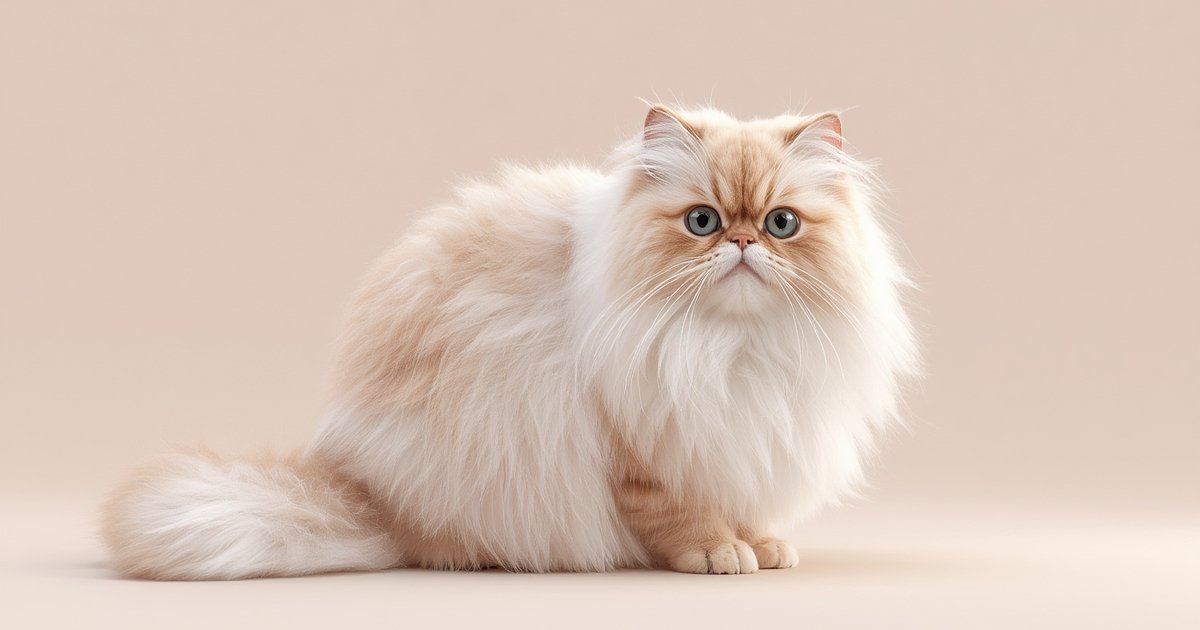
Master Persian grooming with our 2026 guide! Discover essential tools, techniques, and tips to keep your feline companion tangle-free and fabulous. Get expert advice now!
Understanding the Persian Coat: A Majestic Challenge
Persian cats are renowned for their luxurious, flowing coats, which are undeniably beautiful but also demand significant attention. Unlike many short-haired breeds, the Persian’s long, double coat is prone to matting and tangles if not regularly maintained. Understanding the unique challenges of Persian grooming is the first step towards keeping your cat comfortable and stunning.
The double coat consists of a dense undercoat and long, silky guard hairs. This combination, while providing excellent insulation, also traps loose hair, dander, and environmental debris. Without consistent Persian grooming, these can quickly form painful mats that pull at the skin, leading to discomfort, skin infections, and even behavioral changes in your beloved pet.
The Anatomy of a Persian’s Luxurious Fur
The beauty of a Persian cat lies in its distinctive coat. It’s not just long; it’s dense, fine, and has a particular texture that makes it prone to knots. This is why a consistent and dedicated Persian grooming routine is not just a cosmetic choice but a health necessity.
Factors like diet, humidity, and the cat’s activity level can also impact the coat’s condition. A well-hydrated cat with a balanced diet often has a healthier, more manageable coat, which makes the grooming process smoother for both pet and owner.
Essential Tools for Effective Persian Grooming
Successful Persian grooming hinges on having the right arsenal of tools. Investing in quality equipment will make the process easier, more efficient, and more comfortable for your cat. Don’t underestimate the impact that proper brushes, combs, and cleansers can have on maintaining that magnificent mane.
Brushes and Combs: Your First Line of Defense
A good grooming routine starts with the right brushes and combs. These tools are crucial for removing loose hair, preventing mats, and distributing natural oils throughout the coat. Choosing the correct type for your Persian’s specific coat texture can make a world of difference.
– **Stainless Steel Comb:** This is your primary tool for detangling and checking for mats. Look for one with both wide and fine teeth. The wide teeth are for initial detangling, and the fine teeth help identify smaller knots closer to the skin.
– **Slicker Brush:** Excellent for removing loose undercoat hair and smoothing the topcoat. Use it gently, as the wire bristles can scratch the skin if applied with too much pressure.
– **Pin Brush:** Ideal for general daily brushing, especially for longer sections of the coat. It helps to fluff the fur and remove surface debris without pulling.
– **Mat Splitter/Dematter:** A specialized tool designed to safely cut through stubborn mats without injuring the skin. Use with extreme caution and always away from the skin.
Bathing Essentials: Shampoos and Conditioners
While daily brushing is vital, regular bathing is also a key component of comprehensive Persian grooming. Persian cats should be bathed every 4-6 weeks to keep their coats clean, oil-free, and less prone to matting. Always use cat-specific products.
– **Degreasing Shampoo:** Persian coats can become oily, especially around the tail. A good degreasing shampoo helps to break down excess oils, ensuring a truly clean coat.
– **Moisturizing Shampoo and Conditioner:** After degreasing, a moisturizing shampoo followed by a conditioner will hydrate the skin and coat, making it softer, shinier, and easier to comb. Look for formulas designed for long-haired cats.
– **Tear Stain Remover:** Persian cats are prone to tear staining due to their unique facial structure. A gentle, cat-safe tear stain remover applied regularly can help keep their faces pristine.
Other Important Grooming Aids
Beyond brushes and bath products, a few other items are indispensable for a complete Persian grooming kit. These ensure you can address specific needs like nail care and ear hygiene.
– **Nail Clippers:** Keep your cat’s claws trimmed to prevent snagging and discomfort. Scissor-style clippers are often preferred for cats.
– **Ear Cleaner:** A vet-approved ear cleaning solution and cotton balls will help keep ears clean and free from wax buildup and potential infections.
– **Pet Dryer:** A quiet, low-heat pet dryer is essential for thoroughly drying your Persian after a bath, preventing matting and chills. Human hair dryers are often too hot and noisy.
– **Grooming Table with Arm (Optional):** For serious groomers, a dedicated table can elevate your cat to a comfortable working height, making the process less strenuous for you and potentially calmer for your cat.
Comparison of Top Grooming Brushes and Dematting Tools
Selecting the right tools is paramount for effective Persian grooming. Here’s a comparison of some popular options to help you choose what’s best for your furry friend:
| Product | Price | Pros | Cons | Best For |
|---|---|---|---|---|
| Chris Christensen Big G Slicker Brush | $50-70 | Exceptional for fluffing and removing undercoat, reduces shedding. | High price point, may be too aggressive for sensitive skin if not used gently. | Professional groomers and serious home groomers targeting dense, long coats. |
| Safari De-Matting Comb | $15-25 | Effectively cuts through small to medium mats, ergonomic design. | Requires careful use to avoid skin irritation, not for severe mats. | Quickly tackling developing mats and tangles during regular brushing sessions. |
| Andis Steel Pet Comb | $10-18 | Durable stainless steel, fine and coarse teeth for versatile use. | Can pull hair if not used on a relatively tangle-free coat. | Daily general detangling and checking for hidden knots after slicker brushing. |
| Pet Grooming Glove | $10-15 | Gentle, excellent for bonding, good for loose hair removal on surface. | Not effective for deep mats or significant detangling, less thorough. | Cats sensitive to traditional brushes, quick daily passes, and distributing natural oils. |
A Step-by-Step Persian Grooming Routine
Consistency is key when it comes to Persian grooming. Establishing a regular routine will not only keep your cat looking beautiful but also minimize stress for both of you. Here’s a comprehensive guide to maintaining their coat and overall hygiene.
Daily Brushing: The Foundation of Tangle-Free Fur
Daily brushing is the most critical aspect of Persian grooming. A quick 10-15 minute session each day can prevent the vast majority of mats from forming. This habit also strengthens the bond between you and your cat.
1. **Start with the Stainless Steel Comb:** Gently comb through the entire coat, section by section. Pay close attention to high-friction areas like behind the ears, armpits, flanks, and under the tail. Always comb *away* from the skin, working through any small knots carefully.
2. **Follow with a Slicker Brush:** Once the coat is free of tangles, use the slicker brush to remove loose undercoat and smooth the top layer. Brush in the direction of hair growth, using short, gentle strokes.
3. **Check for Mats:** Run your fingers through the coat after brushing to ensure no small mats were missed. If you find one, try to gently work it out with your fingers or the wide-toothed comb. For stubborn mats, refer to the mat removal section below.
The Bathing Ritual: Keeping it Clean and Healthy
Bathing a Persian can seem daunting, but it’s essential for maintaining their coat’s health and luster. Aim for a bath every 4-6 weeks, or as needed.
1. **Preparation is Key:** Before the bath, thoroughly brush your cat to remove all tangles. Wet mats become much harder to remove. Gather all your supplies: shampoo, conditioner, towels, a non-slip mat for the tub, and cotton balls for the ears.
2. **Gentle Wetting:** Use a hand-held shower sprayer on a low setting with lukewarm water. Gradually wet your cat from the neck down, avoiding the face. Speak soothingly to keep them calm.
3. **Shampoo and Rinse:** Apply a cat-specific degreasing shampoo first, focusing on oily areas. Rinse thoroughly until the water runs clear. Follow with a moisturizing shampoo, lather, and rinse again. Finally, apply conditioner, let it sit for a few minutes, and rinse meticulously. Residual shampoo can irritate the skin and attract dirt.
4. **Drying:** Gently squeeze excess water from the coat. Wrap your cat in a clean, absorbent towel and pat dry. Use a pet dryer on a low, cool setting, continuously brushing the coat as you dry to prevent tangles and ensure thorough drying, especially the undercoat.
Eye, Ear, and Nail Care: The Finishing Touches
Beyond the coat, these often-overlooked areas are crucial for your Persian’s overall health and comfort.
Eye Care
Persian cats often have tear staining due to their flat faces. Gently wipe their eyes daily with a soft, damp cloth or a cat-specific tear stain remover. Be careful not to touch the eyeball.
Ear Care
Check your cat’s ears weekly. If you notice any dirt or wax buildup, use a vet-approved ear cleaner and a cotton ball to gently wipe the visible parts of the ear. Never insert anything into the ear canal. If you see redness, odor, or excessive scratching, consult your vet.
Nail Trimming
Trim your Persian’s nails every 2-4 weeks. Use sharp, cat-specific clippers. Only snip the very tip of the nail, avoiding the quick (the pink part), which contains blood vessels and nerves. If unsure, ask your vet or a professional groomer for a demonstration.
Dealing with Mats and Tangles: Prevention and Removal
Despite your best efforts, mats can sometimes appear. The key is early detection and gentle, patient removal. Never pull at a mat, as this can be incredibly painful for your cat and damage their skin.
Preventative Measures for a Tangle-Free Coat
The best strategy for matting is prevention. Consistent Persian grooming significantly reduces the likelihood of severe tangles forming.
– **Daily Brushing:** As mentioned, this is non-negotiable. Even a few minutes a day can make a huge difference.
– **Regular Baths:** Clean fur is less likely to mat. The oils and debris that accumulate can bind hairs together, accelerating mat formation.
– **Proper Diet:** A diet rich in Omega-3 and Omega-6 fatty acids supports healthy skin and coat, making the fur stronger and less prone to breakage and matting.
– **Environmental Control:** Keep your home’s humidity at a comfortable level. Very dry air can make coats brittle, while overly humid air can make them sticky.
– **Grooming Sprays:** Some anti-static or detangling sprays can be used during brushing to help ease the comb through the coat and reduce static electricity, which contributes to tangles.
Safe Mat Removal Techniques
If you encounter a mat, approach it calmly and carefully. Your cat’s comfort and safety are paramount.
1. **Assess the Mat:** Determine its size and how close it is to the skin. Small, loose tangles can often be gently teased apart with your fingers or the wide teeth of a stainless steel comb.
2. **Powder or Spray:** Apply a small amount of cornstarch or a detangling spray to the mat. This can help to loosen the hairs and make them easier to separate.
3. **Work from the Outside In:** Never try to pull the whole mat at once. Isolate the mat, hold the fur at the base of the mat close to the skin to prevent pulling, and then work with small sections from the outer edges inwards, using the wide-toothed comb.
4. **Use a Mat Splitter:** For larger or tighter mats, a mat splitter or dematter can be used. Carefully slide the blade under the mat, parallel to the skin, and gently cut through it in sections. Always keep the blade away from the skin and use short, controlled movements.
5. **When to Seek Professional Help:** If mats are extensive, very tight, or close to the skin, it’s always best to consult a professional groomer or your veterinarian. Attempting to remove severe mats yourself can cause pain, skin lacerations, and trauma to your cat.
Diet and Lifestyle for a Healthy Persian Coat
Beyond the direct act of brushing and bathing, a cat’s overall health plays a massive role in the condition of its coat. A healthy diet and an appropriate living environment contribute significantly to easier Persian grooming and a more beautiful, healthier coat.
The Role of Nutrition in Coat Health
What your Persian eats directly impacts the quality of their skin and fur. A high-quality diet provides the necessary nutrients for a shiny, strong, and healthy coat.
– **Protein:** Cats are carnivores, and high-quality animal protein is essential for hair growth and strength. Look for cat foods where meat is the first ingredient.
– **Essential Fatty Acids:** Omega-3 and Omega-6 fatty acids are crucial for skin health and a glossy coat. Sources include fish oil, flaxseed, and certain animal fats. Many premium cat foods include these, or they can be supplemented under veterinary guidance.
– **Vitamins and Minerals:** Biotin, zinc, and Vitamin E are particularly important for skin and coat health. Ensure your cat’s diet is nutritionally complete and balanced.
– **Hydration:** Adequate water intake is vital for overall health, including skin and coat quality. Encourage drinking by providing fresh water daily, multiple water bowls, or a cat water fountain.
Environmental Factors and Coat Condition
Your cat’s living environment also impacts their coat. Thoughtful consideration of these factors can aid in Persian grooming efforts.
– **Indoor Living:** Persian cats are typically indoor cats, which protects their delicate coats from outdoor elements like dirt, parasites, and harsh weather that can damage fur and cause matting.
– **Cleanliness:** A clean home environment means less dust, dirt, and debris to get trapped in your cat’s fur. Regularly vacuuming and cleaning can indirectly reduce the frequency of intense Persian grooming sessions.
– **Comfortable Temperature and Humidity:** Extreme temperatures or very low humidity can dry out a cat’s skin and make their fur brittle and more prone to static and matting. Maintaining a comfortable, stable indoor environment is beneficial.
Professional Grooming vs. DIY Persian Grooming
Deciding whether to tackle Persian grooming yourself or enlist professional help depends on several factors, including your comfort level, your cat’s temperament, and the condition of their coat. Many Persian owners find a combination of both approaches to be the most effective.
When to Consider a Professional Groomer
Professional groomers have the expertise, tools, and experience to handle even the most challenging Persian coats. Here are situations where their help is invaluable:
– **Severe Matting:** If your cat has extensive, tight mats, a professional groomer can safely remove them, often requiring specialized clippers and techniques that minimize stress and pain for your cat.
– **Initial “Clean Slate”:** For new Persian owners, or if your cat’s coat has gotten out of hand, a professional groomer can provide a “reset” by giving a thorough groom and even a lion cut if necessary, making it easier for you to maintain afterward.
– **Specialty Services:** Professionals can offer services like de-shedding treatments, specialized baths for skin conditions, or even sedation grooming for highly anxious cats (usually under veterinary supervision).
– **Time Constraints or Physical Limitations:** If you lack the time, physical ability, or patience required for thorough Persian grooming, a professional is a great solution.
Benefits of DIY Persian Grooming
While professionals are excellent, daily DIY Persian grooming offers numerous advantages for both you and your cat.
– **Bonding:** Regular grooming sessions are a fantastic opportunity to bond with your cat, building trust and affection.
– **Early Detection:** By regularly handling your cat, you’ll become more attuned to their body, allowing for early detection of lumps, bumps, parasites, or skin issues that might otherwise go unnoticed.
– **Cost-Effective:** While initial tool investment is required, consistent home grooming is far more economical than frequent professional grooming appointments.
– **Reduced Stress:** Many cats are more comfortable being groomed in their own home environment by a familiar person, rather than in a new, potentially noisy place with strangers.
Ultimately, a balanced approach often works best. Maintain daily brushing and basic care at home, and schedule professional grooms every few months or as needed for more intensive tasks or problem areas. This ensures your Persian remains comfortable, healthy, and truly fabulous.
Maintaining a Persian cat’s luxurious coat is a commitment, but it’s one that yields immense rewards in the form of a happy, healthy, and beautiful companion. By understanding their unique grooming needs, investing in the right tools, establishing a consistent routine, and addressing potential issues proactively, you can ensure your Persian remains tangle-free and fabulous. Remember that good Persian grooming goes beyond aesthetics; it’s a vital part of your cat’s overall well-being and strengthens the special bond you share.
For personalized advice or to connect with fellow Persian cat enthusiasts, join the Dax AI community today!
Frequently Asked Questions (FAQ)
How often should I brush my Persian cat?
Ideally, Persian cats should be brushed daily for 10-15 minutes. Their long, dense coats are highly prone to matting, and daily brushing is the most effective way to prevent tangles and remove loose fur.
How often should Persian cats be bathed?
Persian cats generally benefit from a bath every 4-6 weeks. This helps to keep their coats clean, prevent excessive oil buildup, and reduce matting. Always use cat-specific shampoos and conditioners.
What should I do if my Persian cat has a severe mat?
For severe or extensive mats, it is always best to consult a professional groomer or a veterinarian. Attempting to cut out tight mats yourself can easily injure your cat’s skin and cause significant pain and trauma.
Is a lion cut good for Persian cats?
A lion cut, where most of the body fur is shaved short, can be beneficial for Persian cats with severe matting, skin conditions, or for those who struggle with heat in warmer climates. It can also make a “reset” for grooming easier. However, it should be done by a professional and considered carefully, as their fur takes time to grow back.
What kind of diet is best for a Persian’s coat health?
A high-quality cat food rich in animal protein and essential fatty acids (Omega-3 and Omega-6) is best for coat health. These nutrients support healthy skin and a shiny, strong coat. Consult your vet for specific dietary recommendations or supplements.
Leave a Reply