

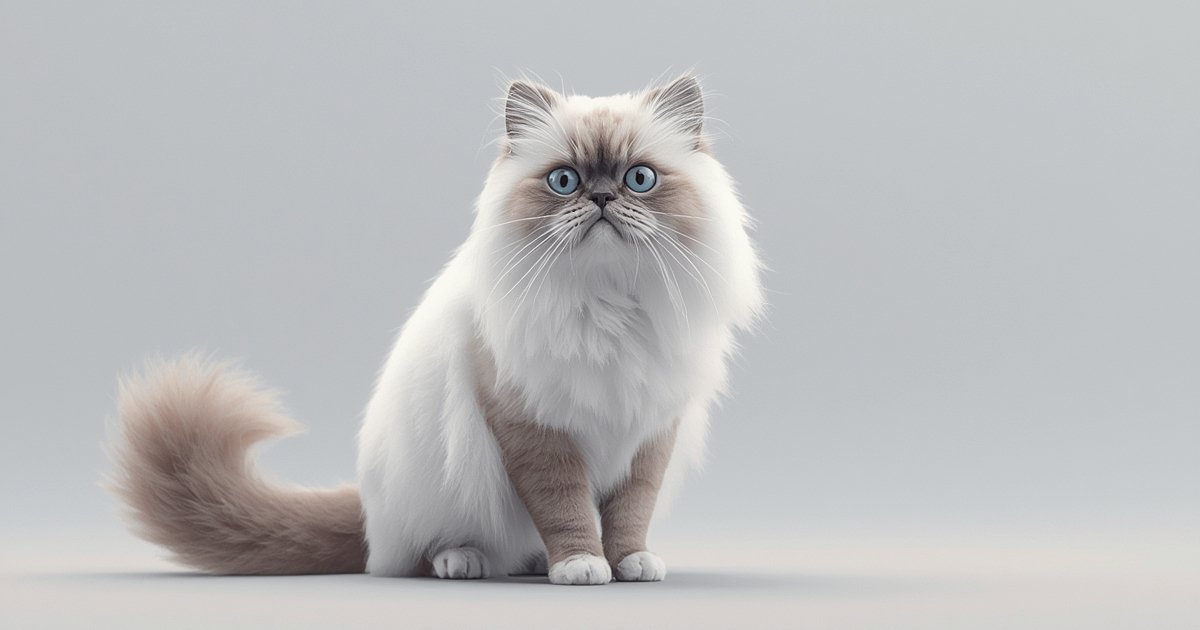
Caring for a Persian cat is a deeply rewarding experience, bringing joy with their majestic coats and sweet temperaments. However, beneath their luxurious exterior lies a unique set of predispositions, making awareness of specific health challenges crucial for every owner. Understanding common Persian health concerns is the first step toward ensuring a long, vibrant life for your feline companion. This article delves into the various health issues common to the breed, offering practical advice and preventative strategies.
Understanding the Persian Breed’s Unique Anatomy and Health
The distinctive flat face and long, flowing coat of the Persian cat, while beautiful, are also key contributors to many of their breed-specific health challenges. These traits, developed through selective breeding, make Persians particularly susceptible to certain conditions that aren’t as prevalent in other cat breeds. Proactive awareness of these anatomical nuances is fundamental to effective Persian health management.
Brachycephalic Syndrome: Respiratory and Ocular Concerns
Persian cats are a brachycephalic breed, meaning they have a shortened skull, flattened face, and short nose. This facial structure, while endearing, can lead to a condition known as brachycephalic syndrome. This syndrome encompasses a range of issues primarily affecting their breathing and eyes.
* **Stenotic Nares:** Narrowed nostrils that restrict airflow.
* **Elongated Soft Palate:** A soft palate that extends too far into the throat, partially blocking the airway.
* **Hypoplastic Trachea:** A windpipe that is smaller in diameter than normal.
These respiratory challenges can lead to noisy breathing, snoring, and even difficulty exercising or tolerating heat. Owners should observe their cat for any signs of breathing distress, such as open-mouthed breathing, excessive panting, or lethargy.
The flattened face also impacts their eyes. Persian cats often have large, prominent eyes that are prone to tearing and irritation.
* **Epiphora:** Excessive tearing due to tear ducts that are often kinked or unable to drain properly, leading to tear staining.
* **Entropion:** A condition where the eyelid rolls inward, causing eyelashes to rub against the cornea, leading to irritation, pain, and potentially ulcers.
* **Corneal Sequestrum:** A dark brown or black lesion on the cornea, often a complication of chronic irritation or trauma.
Regular eye cleaning is essential to prevent infections and discomfort associated with tear staining. Daily gentle wiping with a damp cloth or veterinarian-recommended eye wipes can make a significant difference in maintaining Persian health.
Common Genetic Health Conditions in Persian Cats
Beyond anatomical predispositions, Persian cats are known to carry several genetic conditions that require careful monitoring and, in some cases, genetic testing for breeders. Early detection and management are key to mitigating the impact of these diseases on your cat’s quality of life. Understanding these inherent risks is a vital component of responsible Persian health care.
Polycystic Kidney Disease (PKD)
PKD is one of the most well-known genetic diseases in Persian cats. It is an inherited condition that causes numerous cysts to form in the kidneys over time. These cysts grow and multiply, eventually leading to kidney failure. PKD is autosomal dominant, meaning a cat only needs to inherit one copy of the defective gene from a parent to develop the disease.
* **Symptoms:** Symptoms typically don’t appear until the cat is older (around 7 years or more) and include increased thirst, increased urination, lethargy, loss of appetite, weight loss, and vomiting.
* **Diagnosis:** PKD can be diagnosed through a simple genetic DNA test, which is highly recommended for all breeding Persians. Ultrasound imaging can also detect cysts, often at a younger age.
* **Management:** While there is no cure, management focuses on supportive care, dietary changes, and medications to slow progression and manage symptoms once kidney failure begins. Regular veterinary check-ups are crucial for monitoring kidney function.
Hypertrophic Cardiomyopathy (HCM)
HCM is the most common heart disease in cats, and Persians are among the breeds genetically predisposed to it. This condition involves a thickening of the heart muscle, particularly the left ventricle, which makes it harder for the heart to pump blood effectively.
* **Symptoms:** Many cats with HCM show no outward symptoms until the disease is advanced. When symptoms do appear, they can include lethargy, difficulty breathing, open-mouthed breathing, hind limb paralysis (due to blood clots), and sudden death.
* **Diagnosis:** A veterinary cardiologist can diagnose HCM using an echocardiogram (ultrasound of the heart). Genetic testing is available for some breeds, though not yet universally comprehensive for Persians.
* **Management:** Treatment focuses on managing symptoms and improving heart function with medications, such as beta-blockers, ACE inhibitors, and diuretics. Regular monitoring by a veterinarian is essential.
Progressive Retinal Atrophy (PRA)
PRA is a group of degenerative diseases that affect the photoreceptor cells in the retina, leading to progressive vision loss and eventually blindness. While not as common in Persians as PKD or HCM, it can occur.
* **Symptoms:** Initial signs often include night blindness, clumsiness in dim light, and dilated pupils. Over time, vision loss progresses, leading to complete blindness.
* **Diagnosis:** An ophthalmic examination can identify retinal degeneration. Genetic testing is available for some forms of PRA, and breeders should utilize these tests.
* **Management:** There is no cure for PRA, but affected cats can adapt remarkably well to blindness, especially if the process is gradual. Owners can help by keeping furniture in consistent locations and maintaining a predictable routine.
Grooming and Dermatological Concerns: The Price of Beauty
The Persian cat’s magnificent long coat is its crowning glory, but it also demands significant grooming effort. Neglecting this aspect of their care can lead to painful matting, skin issues, and even digestive problems. Proper grooming is not just about aesthetics; it’s a critical component of overall Persian health.
The Challenges of a Long Coat: Matting and Hairballs
Persians have a double coat, which is thick, dense, and prone to matting if not brushed daily. Mats can pull on the skin, causing pain, irritation, and skin infections. They can also hide parasites or injuries.
* **Daily Brushing:** Use a metal comb and a slicker brush to work through the coat gently, paying special attention to areas behind the ears, under the legs, and around the tail.
* **Professional Grooming:** Many owners opt for regular professional grooming, including baths and occasional trims, to keep the coat manageable.
* **Shaving:** In severe cases of matting, shaving the cat may be necessary by a professional groomer or vet. This should be done with extreme care to avoid nicks.
Hairballs are another common issue. Due to their extensive grooming habits and long fur, Persians ingest a lot of loose hair. While some hair passes through the digestive system, excess hair can accumulate in the stomach, forming hairballs that can cause vomiting, reduced appetite, and in severe cases, intestinal blockages.
* **Hairball Control Diet:** Specialized cat foods are formulated to help hair pass through the digestive tract.
* **Hairball Remedies:** Over-the-counter hairball pastes or supplements can help lubricate the digestive tract.
* **Increased Fiber:** Adding fiber to the diet can aid in digestion.
Skin Conditions: Seborrhea and Ringworm
Persian cats can be predisposed to certain dermatological issues. Seborrhea oleosa is a condition characterized by excessive oil production, leading to greasy, flaky skin, particularly around the face folds, neck, and tail. This can result in a distinct odor and recurrent skin infections.
* **Symptoms:** Oily coat, flakes, redness, itching, and a strong odor.
* **Management:** Regular bathing with medicated shampoos prescribed by a veterinarian, dietary supplements (e.g., omega fatty acids), and managing underlying causes can help.
Ringworm (Dermatophytosis) is a fungal infection that can be more challenging to detect in long-haired cats like Persians. It often presents as circular patches of hair loss, redness, and scaling, though in Persians, it might just look like general poor coat quality or localized hair loss.
* **Symptoms:** Circular lesions, broken hairs, scaly skin. Can be subtle in Persians.
* **Diagnosis:** Fungal culture is the most reliable diagnostic method.
* **Treatment:** Antifungal medications (topical and/or oral) and environmental decontamination are necessary.
Nutritional Needs and Dietary Management for Persian Health
Proper nutrition is foundational to maintaining optimal Persian health, especially given their unique physical characteristics and predispositions. A well-balanced diet can support their long coat, sensitive digestive systems, and help manage or prevent certain health issues. Choosing the right food is not just about calories; it’s about providing targeted support for their specific needs.
Specialized Diets for Persian Cats
Many commercial pet food brands offer formulations specifically designed for Persian cats. These diets often take into account their brachycephalic jaw structure, long coat, and potential for hairballs.
* **Kibble Shape:** Breed-specific kibble is often shaped and sized to be easier for a Persian cat’s flat face to pick up and chew, encouraging proper mastication.
* **Hairball Control:** These diets typically include increased fiber content (e.g., psyllium husk) to help ingested hair pass through the digestive tract more easily, reducing the formation of hairballs.
* **Skin and Coat Health:** Enhanced levels of omega-3 and omega-6 fatty acids, biotin, and other nutrients support skin barrier function and maintain the luster of their long coat, which is vital for overall Persian health.
* **Digestive Sensitivity:** Some formulations are designed with highly digestible proteins and prebiotics to support a healthy gut microbiome, which can be beneficial for cats prone to digestive upset.
It’s always best to consult with your veterinarian to determine the most appropriate diet for your individual Persian, considering their age, activity level, and any existing health conditions.
Comparison of Specialized Cat Foods for Persian Health
When selecting a specialized diet for your Persian, consider factors like ingredient quality, specific health benefits, and palatability. Here’s a comparison of common types of specialized cat food formulations that cater to the unique needs of Persian cats:
Comparison of Specialized Cat Foods for Persian Health
| Product Type | Average Price (per lb) | Pros | Cons | Best For |
|---|---|---|---|---|
| Breed-Specific Dry Food | $4.00 – $6.00 | Optimized kibble shape for brachycephalic jaws, targeted nutrients for coat & skin, hairball control. | Can be more expensive, specific ingredients might not suit all sensitivities. | General Persian health maintenance, ease of eating. |
| Hairball Control Dry Food | $3.50 – $5.50 | High fiber content effectively reduces hairball formation and aids digestion. | May have slightly lower protein levels, some cats might not enjoy texture. | Cats prone to frequent hairballs, long-haired breeds. |
| Sensitive Skin/Stomach Dry Food | $4.50 – $7.00 | Hypoallergenic ingredients, omega fatty acids for skin, highly digestible proteins for stomach. | Higher cost, may require a specific vet recommendation for true allergies. | Persians with dermatological issues, food sensitivities, or delicate digestion. |
| Wet Food (Complementary) | $0.75 – $1.50 (per can/pouch) | Increased moisture intake, often highly palatable, can be easier to eat for some cats. | Higher cost for complete diet, may not offer specific kibble shape advantages. | Hydration support, palatability for picky eaters, adjunct to dry food. |
Preventative Care and Veterinary Partnership for Optimal Persian Health
A strong partnership with a veterinarian is perhaps the most critical factor in ensuring your Persian cat’s long-term health and well-being. Regular check-ups, appropriate vaccinations, and a proactive approach to potential issues can prevent minor concerns from becoming major problems. This comprehensive approach is central to maintaining excellent Persian health throughout their lives.
The Importance of Regular Veterinary Check-ups
Annual or bi-annual veterinary visits are essential for all cats, but particularly for Persians due given their breed-specific vulnerabilities. These visits allow your vet to:
* **Perform a thorough physical examination:** Checking eyes, ears, teeth, skin, coat, and palpating organs.
* **Monitor weight and overall condition:** Catching subtle changes that might indicate underlying health issues.
* **Update vaccinations and parasite control:** Protecting against common diseases and infestations.
* **Discuss any behavioral changes or concerns:** Which can sometimes be indicators of health problems.
* **Screen for genetic conditions:** Early detection of issues like PKD or HCM through genetic testing or specialized diagnostics can lead to earlier intervention and better outcomes. For instance, a veterinarian can recommend genetic screening tests for common Persian health predispositions.
As your Persian cat ages, your vet may recommend more frequent check-ups and additional diagnostic tests, such as blood work or urine analysis, to monitor organ function and detect age-related diseases.
Environmental Enrichment and Stress Reduction
While not a direct medical intervention, a supportive and enriching home environment plays a significant role in your Persian’s overall health and happiness. Stress can exacerbate existing conditions and weaken the immune system.
* **Safe and Quiet Spaces:** Provide comfortable, quiet spots where your cat can retreat and feel secure.
* **Mental Stimulation:** Interactive toys, puzzle feeders, and regular playtime can keep their minds sharp and prevent boredom.
* **Cleanliness:** Maintain a clean litter box and living environment to prevent the spread of bacteria and fungi.
* **Consistent Routine:** Cats thrive on routine. Predictable feeding times, play sessions, and grooming schedules can reduce stress.
* **Temperature Control:** Due to their brachycephalic nature, Persians are more susceptible to overheating. Ensure they have access to cool, shaded areas, especially in warm climates.
By taking a holistic approach that includes diligent grooming, a specialized diet, and strong veterinary partnership, you can provide your beloved Persian cat with the best possible chance at a healthy, happy, and comfortable life.
Frequently Asked Questions About Persian Health
What is the most common health issue in Persian cats?
One of the most common issues in Persian cats is Polycystic Kidney Disease (PKD), an inherited condition that causes cysts to form in the kidneys. Another pervasive issue is related to their brachycephalic (flat-faced) anatomy, leading to breathing difficulties and eye problems like excessive tearing (epiphora) and entropion.
How can I tell if my Persian cat is having breathing problems?
Signs of breathing problems in Persian cats can include noisy breathing, snoring, open-mouthed breathing, excessive panting (especially when not exercising), reluctance to play, and lethargy. In severe cases, they might struggle for breath, showing a bluish tint to their gums. If you observe any of these symptoms, seek veterinary attention immediately.
Is there a special diet for Persian cats?
Yes, many pet food brands offer specialized diets for Persian cats. These often feature unique kibble shapes to accommodate their flat faces, increased fiber for hairball control, and specific nutrients (like omega fatty acids) to support their long coats and skin health. Consulting your vet can help you choose the best option for your cat’s specific needs.
How often should I groom my Persian cat?
Persian cats require daily grooming due to their long, dense coats. Daily brushing helps prevent matting, removes loose hair, and reduces the likelihood of hairballs. Regular professional grooming, including baths and occasional trims, can also be highly beneficial for maintaining their coat and skin health.
What is the average lifespan of a Persian cat?
With proper care and attention to their unique health needs, Persian cats can live between 12 to 17 years. Factors such as diet, exercise, regular veterinary check-ups, and early detection and management of any genetic conditions can significantly influence their lifespan and quality of life.
Leave a Reply