

Meta Description: Discover the ultimate Persian grooming guide for 2026! Learn essential tools, step-by-step routines, and expert tips to keep your Persian cat’s majestic coat healthy and beautiful.
Embracing the Majesty: Why Persian Grooming is Paramount
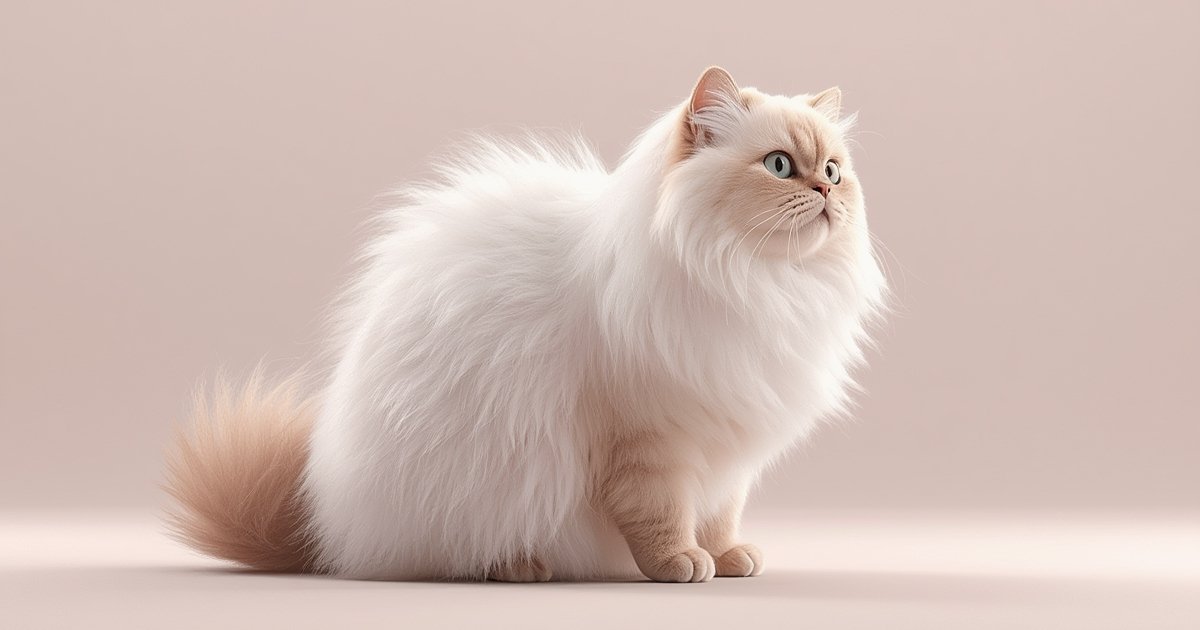
Persian cats are renowned for their stunning, luxurious coats, a hallmark of their regal appearance. This magnificent fur, however, comes with a significant responsibility: dedicated Persian grooming. Without consistent attention, their long, dense double coats can quickly become matted, leading to discomfort, skin issues, and a dull overall look. Regular Persian grooming is not just about aesthetics; it’s a vital part of maintaining your cat’s health, happiness, and bond with you.
Neglecting their unique coat structure can result in severe tangles and mats that pull on their skin, causing pain and creating breeding grounds for parasites and infections. Establishing a routine for Persian grooming from a young age helps them acclimate to the process, making it a more pleasant experience for both pet and owner. This guide will walk you through everything you need to know to keep your Persian’s royal locks in pristine condition in 2026 and beyond.
Understanding the Persian Coat: The Foundation of Effective Grooming
The Persian cat’s coat is a marvel of nature, but it’s also a high-maintenance feature that demands understanding. They possess a long, flowing double coat, consisting of a soft, woolly undercoat and a longer, coarser outer coat. This combination, while beautiful, is prone to tangling and matting if not managed daily.
Their fur can reach lengths of up to 5-8 inches, especially around the ruff, tail, and britches. This density provides insulation but also traps loose hair, dirt, and debris, making it a prime candidate for mat formation. Additionally, Persians shed year-round, with heavier seasonal sheds, necessitating a robust Persian grooming regimen.
The Unique Challenges of Persian Fur
Several factors contribute to the complexity of Persian grooming. Their flattened facial structure (brachycephalic) often leads to tear staining, which requires daily cleaning to prevent discoloration and skin irritation. The fine texture of their undercoat easily intertwines with the guard hairs, forming stubborn mats if brushing is infrequent.
Their generally docile and calm temperament can be an advantage, making them more amenable to grooming sessions. However, some Persians can be sensitive, so a gentle and patient approach is always key. Understanding these characteristics forms the bedrock of an effective Persian grooming strategy, ensuring their comfort and well-being.
Essential Tools for Your Persian Grooming Arsenal
Building the right collection of grooming tools is the first step towards successful Persian grooming. Investing in high-quality implements designed for long-haired cats will make the process easier and more effective. Don’t underestimate the impact of good tools; they can significantly reduce the time and effort required for daily maintenance.
Each tool serves a specific purpose, from detangling to de-shedding, and having the full set ensures you’re prepared for any grooming task. Proper care and cleaning of your tools will also extend their lifespan and ensure they remain effective.
Must-Have Grooming Implements
– **Stainless Steel Comb:** Essential for line brushing and checking for tangles. Look for one with both wide and fine teeth.
– **Slicker Brush:** Great for removing loose fur from the undercoat and general detangling. Choose one with soft, flexible pins.
– **Pin Brush:** Ideal for general brushing, stimulating skin circulation, and distributing natural oils.
– **Mat Splitter/Remover:** A crucial tool for safely cutting through mats without injuring your cat. Use with extreme caution.
– **Nail Clippers:** Guillotine or scissor-style clippers are suitable for cats. Regular nail trims prevent snags and discomfort.
– **Cat-Specific Shampoo and Conditioner:** Hypoallergenic, tearless formulas are best. Avoid human products, which can irritate feline skin.
– **Eye Cleaner:** Gentle, pH-balanced solutions to clean tear stains around the eyes.
– **Ear Cleaner:** Veterinary-approved solution for routine ear cleaning.
– **Grooming Wipes:** Convenient for quick clean-ups between baths, especially for paws or minor messes.
– **High-Velocity Pet Dryer (Optional but Recommended):** Significantly speeds up drying time after baths and helps “blow out” loose undercoat. Use on a cool or low-heat setting.
Choosing the Right Grooming Products for Your Persian
Selecting appropriate shampoos, conditioners, and specialized brushes can make a world of difference in your Persian grooming routine. The market offers a wide array of products, and knowing which ones are best suited for a long-haired, dense coat is crucial. Here’s a comparison of some popular options that are highly recommended for Persian cat care.
| Product | Price | Pros | Cons | Best For |
|---|---|---|---|---|
| FURminator deShedding Tool (Long Hair) | $35-50 | Excellent for removing loose undercoat, reduces shedding significantly. Ergonomic handle. | Can pull too much hair if not used correctly, may be harsh for very sensitive skin. | Reducing shedding and preventing mats in thick coats. |
| Chris Christensen Oval Pin Brush 27mm | $40-60 | High-quality pins glide through fur, reduces static, great for finishing and fluffing. Durable construction. | Expensive, pins can bend if stored improperly. | Everyday brushing, maintaining coat health, stimulating circulation. |
| Burt’s Bees for Cats Natural Tear Stain Remover | $10-15 | Natural ingredients, gentle formula, easy to apply with a cotton ball. Good for daily use. | May not remove severe, old stains completely, requires consistent application. | Daily cleaning of mild tear stains and preventing new ones. |
| Earthbath Oatmeal & Aloe Shampoo (Hypoallergenic) | $15-25 | Sulfate-free, paraben-free, effective for sensitive skin and dry coats. Pleasant scent. | Requires a separate conditioner for optimal detangling after wash. | Cats with sensitive skin, allergies, or dry, flaky coats. |
The Daily Grooming Routine: A Step-by-Step Guide for Flawless Persian Grooming
Consistency is the cornerstone of effective Persian grooming. A daily routine, even a short one, can prevent major issues and make the overall process less daunting for both you and your cat. This routine should become a calm, positive interaction, reinforcing your bond.
Start grooming sessions when your cat is relaxed, perhaps after a meal or a nap. Keep them short initially, gradually increasing the duration as your cat becomes more comfortable. Positive reinforcement, such as treats and praise, will go a long way.
Step-by-Step Daily Grooming Ritual
1. **Preparation and Inspection (5 minutes):**
* Find a comfortable, well-lit area. A non-slip mat on a table can be helpful.
* Gently talk to your cat and offer a treat.
* Do a quick visual inspection of their coat, looking for mats, dirt, or anything unusual. Pay special attention to high-friction areas like armpits, behind ears, and hind legs.
2. **Brushing (10-15 minutes):**
* **Line Brushing:** This technique ensures you reach the undercoat. Part the fur in small sections, starting from the belly or legs, and brush downwards, against the direction of hair growth initially, then with it. Use a slicker brush to remove loose fur, then follow with a stainless steel comb to ensure no tangles remain.
* Work systematically through the entire coat – back, sides, chest, belly, legs, and tail. Be extra gentle around sensitive areas. The tail can be particularly delicate, so support the base while brushing.
* If you encounter a small mat, try to gently tease it apart with your fingers or the wide teeth of a comb. For stubborn mats, use a mat splitter carefully, always protecting the skin. Never pull on mats.
3. **Facial Cleaning (2 minutes):**
* Due to their brachycephalic faces, Persians often have tear stains. Use a damp cloth or a cat-specific eye cleaner to gently wipe away discharge around the eyes.
* Use a separate, clean cloth to wipe their mouth area, especially after meals, to prevent food from matting the fur.
4. **Ear Cleaning (Weekly/Bi-weekly):**
* Lift the ear flap and inspect the inner ear for dirt, wax buildup, or redness.
* Apply a few drops of veterinarian-approved ear cleaner to a cotton ball (never use cotton swabs deep inside the ear canal).
* Gently wipe the visible parts of the ear. If you notice excessive wax, odor, or redness, consult your vet.
5. **Nail Trimming (Weekly/Bi-weekly):**
* Gently press on each paw pad to extend the nail.
* Clip only the clear tip, avoiding the pink quick (blood vessel). If unsure, consult your vet or groomer.
* Reward with a treat after each paw.
6. **Dental Care (Daily/Weekly):**
* Ideally, brush your cat’s teeth daily with a cat-specific toothbrush and toothpaste. This can be challenging for some cats, so even a few times a week is beneficial.
* Dental treats and water additives can supplement brushing but are not substitutes.
Consistent Persian grooming helps prevent mats, reduces shedding, and keeps your cat’s skin healthy. This dedication will ensure your beloved pet remains comfortable and splendid.
Bathing Your Royal Highness: Techniques and Tips for Persian Grooming
While daily brushing is paramount, regular bathing is also a crucial component of comprehensive Persian grooming, especially for show cats or those prone to oiliness or shedding. The frequency can vary from once a month to every 3-4 months, depending on your cat’s lifestyle and coat condition. Some Persians may require more frequent baths if they have sensitive skin conditions or get particularly dirty.
Bathing a Persian can be a challenging experience, but with proper preparation and technique, it can be managed effectively. The goal is to make it as stress-free as possible for your cat.
Preparing for the Bath
– **Pre-bath Brushing:** This is non-negotiable. Thoroughly brush your cat before the bath to remove any tangles or mats. Water will only tighten mats, making them impossible to remove later.
– **Nail Trim:** Trim nails before the bath to minimize potential scratches.
– **Gather Supplies:** Have everything ready: cat shampoo and conditioner, towels, a non-slip mat for the tub or sink, a cup for rinsing, and cotton balls for ears.
– **Protect Ears:** Place cotton balls loosely in your cat’s ears to prevent water from entering the ear canal, which can lead to infections.
– **Water Temperature:** Fill the tub or sink with 3-4 inches of lukewarm water. Test the temperature with your elbow – it should be comfortably warm, not hot.
The Bathing Process
1. **Gentle Introduction:** Gently place your cat in the water, talking to them calmly. Keep a firm but gentle grip.
2. **Wet the Coat:** Using a cup or a gentle shower sprayer, thoroughly wet your cat’s coat, working from the neck down, avoiding the face.
3. **Shampoo Application:** Apply a small amount of cat-specific shampoo, starting from the neck and working backwards. Gently massage the shampoo into the fur, making sure to work it down to the skin. Be thorough but avoid harsh scrubbing, which can cause tangles. Pay attention to greasy areas like the tail.
4. **Rinsing Thoroughly:** This is the most crucial step. Rinse your cat’s coat meticulously until all traces of shampoo are gone. Residual shampoo can irritate the skin and dull the coat. Use the cup or sprayer, ensuring the water runs clear.
5. **Conditioner (Optional but Recommended):** Apply a cat-specific conditioner, focusing on the ends of the fur. Let it sit for a few minutes as directed, then rinse even more thoroughly than the shampoo. Conditioner helps to detangle and moisturize the coat.
6. **Facial Cleaning:** Use a damp washcloth to gently clean your cat’s face, avoiding getting water in their eyes or nose.
Drying Your Persian
1. **Towel Dry:** Immediately after rinsing, wrap your cat in a large, absorbent towel. Gently blot and squeeze excess water from their fur. Do not rub vigorously, as this can cause tangles. You may need several towels.
2. **Blow Drying (Recommended):** For Persians, air drying is not sufficient as it can lead to mats and chills. Use a low-heat, low-speed pet dryer or a human hair dryer on the coolest setting. Keep the dryer moving constantly to avoid hot spots and hold it a safe distance from your cat’s skin. Brush as you dry to fluff the coat and prevent tangles.
3. **Post-Bath Brushing:** Once completely dry, give your Persian a thorough brushing with a slicker brush and then a wide-tooth comb to ensure there are absolutely no tangles or mats remaining. This final Persian grooming step helps to evenly distribute natural oils and ensures a pristine finish.
Tackling Common Grooming Challenges and Solutions
Even with a diligent Persian grooming routine, you may encounter specific challenges. Knowing how to address these common issues effectively can save you stress and ensure your cat remains comfortable. Proactive measures are always better than reactive ones.
Many issues can be mitigated with regular attention and the right techniques. Don’t hesitate to seek professional help if a problem becomes too difficult to handle on your own.
Dealing with Mats and Tangles
– **Prevention is Key:** Daily brushing, especially line brushing, is the best defense against mats.
– **Small Mats:** Gently tease small mats apart with your fingers, working from the outside in. Apply a detangling spray designed for cats to help loosen the fur.
– **Stubborn Mats:** For larger or tighter mats, a mat splitter or blunt-nosed scissors can be used with extreme caution. Always insert the tool *under* the mat, close to the skin, and cut *away* from the skin. If the mat is too close to the skin or too large, it’s safer to consult a professional groomer or veterinarian. Never try to cut out mats with sharp scissors pointing towards the skin.
Managing Tear Staining
– **Daily Wiping:** Use a soft, damp cloth or a cat-specific tear stain remover wipe to gently clean the area around your Persian’s eyes daily. This prevents stains from setting in.
– **Diet:** Some owners report that filtered water and high-quality, grain-free food can reduce tear staining, though scientific evidence is limited.
– **Veterinary Check:** Excessive tearing or reddish-brown discharge could indicate an underlying health issue, such as an eye infection, blocked tear ducts, or allergies. Consult your vet to rule out medical causes.
Addressing Dandruff and Dry Skin
– **Humidity:** Ensure your home environment isn’t too dry. A humidifier can help.
– **Dietary Supplements:** Omega-3 and Omega-6 fatty acid supplements (flaxseed oil, fish oil) can improve skin and coat health. Always consult your vet before adding supplements.
– **Moisturizing Shampoos:** Use hydrating, oatmeal-based shampoos and conditioners during baths.
– **Professional Advice:** Persistent dry skin or dandruff could be a sign of allergies, fungal infections, or other dermatological issues. A vet can diagnose and recommend appropriate treatment.
Overcoming Grooming Resistance
– **Start Young:** Introduce Persian grooming early in your cat’s life to help them acclimate.
– **Positive Reinforcement:** Use treats, praise, and gentle petting during and after grooming sessions.
– **Short Sessions:** Keep grooming sessions brief initially, gradually increasing the duration as your cat becomes more comfortable.
– **Calm Environment:** Groom in a quiet, relaxed setting without distractions.
– **Professional Help:** If your cat is extremely resistant or aggressive during grooming, a professional groomer or vet can provide guidance, or even perform the grooming themselves. They may also identify underlying pain or anxiety contributing to the behavior.
Prioritizing Your Persian’s Well-being Through Consistent Grooming
The majestic beauty of a Persian cat is undeniably captivating, and maintaining that beauty requires consistent, loving effort. This ultimate Persian grooming guide for 2026 has provided you with the essential knowledge and practical steps to ensure your feline companion’s coat remains magnificent and, more importantly, that they stay healthy and comfortable. From understanding their unique coat structure to assembling the right tools, mastering daily routines, and tackling specific challenges, every aspect of Persian grooming contributes to their overall well-being.
Remember, each Persian is an individual, and patience, consistency, and a gentle approach are key to making grooming a positive experience for both of you. By dedicating time to regular Persian grooming, you’re not just caring for their coat; you’re strengthening your bond and ensuring your royal companion thrives for years to come. Explore more pet care insights and grooming tips on Dax AI to continue enriching your pet parenting journey.
Frequently Asked Questions (FAQ)
How often should I brush my Persian cat?
Persian cats should be brushed daily, ideally twice a day. Their long, dense double coats are highly prone to matting, and daily brushing is crucial to remove loose hair, prevent tangles, and distribute natural oils.
What type of shampoo is best for a Persian cat?
Always use a cat-specific, hypoallergenic shampoo and conditioner. Look for formulas designed for long-haired breeds or sensitive skin, often containing ingredients like oatmeal or aloe. Avoid human shampoos, which can be too harsh and disrupt your cat’s skin pH.
How often should I bathe my Persian cat?
The frequency of bathing can vary. Most Persians benefit from a bath every 1 to 3 months, depending on their activity level, coat condition, and whether they are show cats. Some may need more frequent baths if they have oily skin or specific health conditions.
How do I remove mats from my Persian cat’s fur?
For small mats, gently try to tease them apart with your fingers or a wide-tooth comb after applying a cat-safe detangling spray. For larger or more stubborn mats, use a mat splitter or blunt-nosed scissors with extreme caution, always cutting away from the skin. If mats are severe or too close to the skin, it is safest to consult a professional groomer or veterinarian.
Is professional grooming necessary for Persian cats?
While you can do most grooming at home, professional grooming can be highly beneficial, especially for complex tasks like sanitary trims, extensive de-matting, or full lion cuts during warmer months. Professionals have specialized tools and expertise to handle difficult situations and ensure a thorough job.
Leave a Reply