

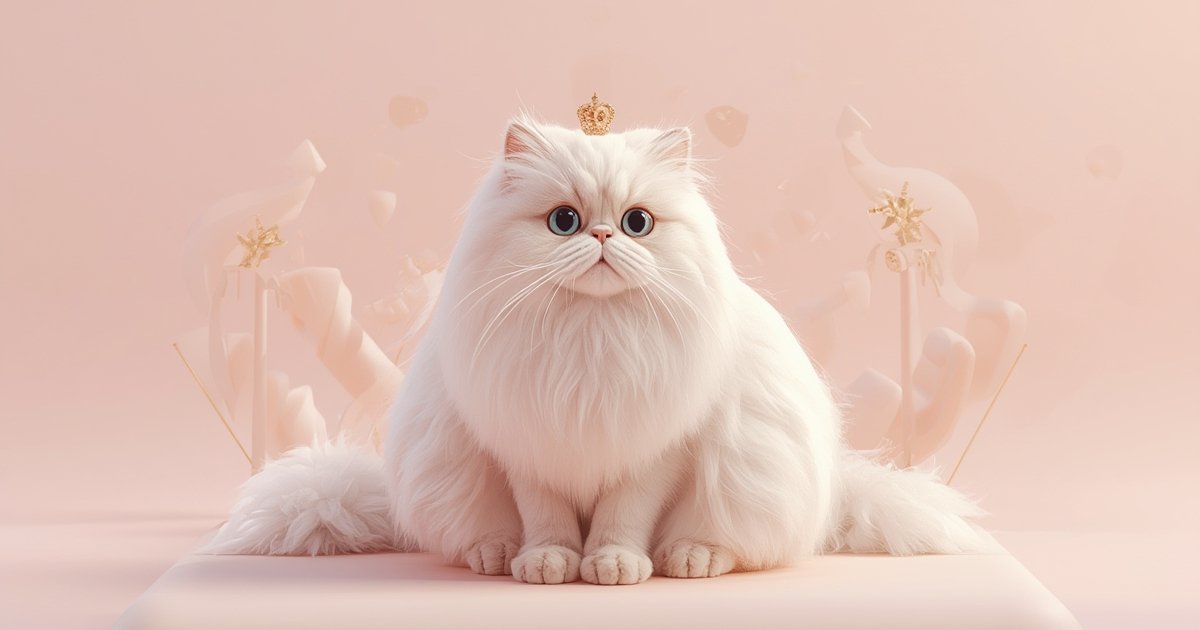
Unlock the secrets to flawless Persian Grooming in 2026. Discover expert tips, essential tools, and a step-by-step guide to keep your Persian cat’s coat majestic and healthy.
Understanding the Persian Coat: The Foundation of Flawless Grooming
Persian cats are renowned for their luxurious, flowing coats, a hallmark of their majestic beauty. However, this stunning feature comes with significant grooming responsibilities. Their double coat consists of a dense undercoat and a long, silky outer coat that can easily tangle and mat if not properly maintained.
The sheer volume and texture of a Persian’s fur make daily attention non-negotiable. Without consistent Persian grooming, their beautiful coats can quickly become matted, leading to skin irritation, infections, and discomfort for your feline friend. Understanding the unique characteristics of their fur is the first step toward effective grooming.
Persian cats typically shed year-round, with heavier shedding periods in spring and autumn. During these times, dead hair can accumulate rapidly, contributing to mat formation. Regular brushing not only removes loose hair but also distributes natural oils, keeping the coat healthy and shiny.
The Structure of the Persian Double Coat
The Persian coat is composed of two distinct layers, each with its own role. The undercoat is soft, dense, and serves as insulation, keeping the cat warm in winter and cool in summer. The outer coat, or guard hairs, are longer, silkier, and provide protection from external elements.
This combination creates a challenge because the fine undercoat can easily intertwine with the longer guard hairs. When shedding occurs, these loose hairs can bond together with the healthy fur, forming tight knots and mats close to the skin. Ignoring these can lead to painful skin pulling and even open sores.
Why Regular Grooming is Non-Negotiable
Beyond aesthetics, consistent grooming is vital for your Persian’s health and well-being. Mats can restrict movement, cause skin infections due to trapped moisture and bacteria, and make it difficult for your cat to regulate their body temperature.
Moreover, the act of grooming provides an excellent opportunity to bond with your cat and perform routine health checks. You can inspect their skin for fleas, ticks, or unusual lumps, check their eyes and ears for any discharge or signs of infection, and examine their teeth and claws. Early detection of any issues can prevent more serious health problems down the line.
Establishing a routine early in your cat’s life helps them become accustomed to the process, making grooming a pleasant experience for both of you. It’s an investment in their comfort, health, and overall quality of life.
Essential Tools for Superior Persian Grooming
Equipping yourself with the right tools is paramount for effective Persian grooming. Just like a skilled artist needs the right brushes, a Persian cat owner needs specific grooming instruments to manage their cat’s magnificent coat. High-quality tools make the process easier, more efficient, and more comfortable for your feline companion.
Investing in durable, cat-friendly tools can prevent damage to the coat and skin, ensuring a positive grooming experience. Cheap, ineffective tools can pull hair, irritate the skin, and make grooming a battle rather than a bonding moment. Here’s a breakdown of the essential items you’ll need.
Brushes and Combs: The Core of Your Grooming Kit
The cornerstone of any Persian grooming routine is a set of reliable brushes and combs. Each serves a distinct purpose in detangling, dematting, and smoothing the coat.
– **Slicker Brush:** This brush features fine, short wires packed closely together on a flat or curved surface. It’s excellent for removing loose hair, detangling superficial knots, and stimulating the skin to promote healthy circulation. Use it gently, especially on sensitive areas.
– **Wide-Toothed Metal Comb:** Indispensable for working through deeper tangles and ensuring the coat is thoroughly combed from root to tip. The wide spacing of the teeth prevents pulling and is ideal for initial detangling, particularly after bathing.
– **Fine-Toothed Metal Comb:** Perfect for finishing touches, smoothing the coat, and checking for any missed tangles. It’s also excellent for facial grooming, especially around the eyes, though with extreme care.
– **Dematting Tool (or Mat Splitter):** A specialized tool with sharp, inwardly curved blades designed to safely cut through stubborn mats without pulling large amounts of hair. Use with caution and only when other methods fail, as improper use can injure your cat.
Bathing and Eye Care Essentials
Beyond brushes, certain products are crucial for maintaining hygiene and addressing specific Persian cat needs.
– **Cat-Specific Shampoo and Conditioner:** Never use human shampoo on your cat, as their skin pH is different. Choose a high-quality, moisturizing cat shampoo, preferably one formulated for long-haired breeds. A conditioner will help detangle and add shine.
– **Pet Dryer (Low Heat/Noise):** A dedicated pet dryer, or a human hair dryer set to a cool or low-heat setting, is essential for thoroughly drying your Persian’s coat after a bath. Incomplete drying can lead to skin issues and matting.
– **Nail Clippers:** Keep your cat’s claws trimmed to prevent them from getting caught on things or injuring themselves or you. Guillotine-style or scissor-style clippers are common. Make sure to have styptic powder on hand in case you cut too close to the quick.
– **Cotton Balls/Pads and Eye Wash:** Persian cats are prone to tear staining due to their unique facial structure. Gentle, cat-specific eye wash and soft cotton pads are necessary for daily cleaning around their eyes.
– **Ear Cleaner:** A vet-approved ear cleaning solution and cotton balls will help keep their ears free from wax buildup and prevent infections.
Comparison of Essential Grooming Tools
Choosing the right tools can feel overwhelming with the variety available. Here’s a comparison of popular and highly effective Persian grooming tools:
| Product | Price | Pros | Cons | Best For |
|---|---|---|---|---|
| Safari Self-Cleaning Slicker Brush | $15-20 | Retracts bristles for easy hair removal, ergonomic handle, effective for removing loose fur. | Can be sharp if not used gently, not ideal for deep mats. | Daily brushing, removing shedding hair. |
| Andis Pet Steel Grooming Comb | $10-15 | Two comb densities (fine and coarse), durable stainless steel, excellent for detangling. | Requires careful handling to avoid pulling, can’t cut mats. | All-around detangling and finishing. |
| Resco Original Guillotine Nail Trimmer | $18-25 | Precise, clean cuts; comfortable grip; professional groomer favorite. | Blade needs regular replacement, can be intimidating for new users. | Regular nail trimming. |
| JW Pet GripSoft Dematting Rake | $12-18 | Curved blades for safe mat removal, comfortable handle, effective for severe tangles. | Can cut hair unevenly if not used carefully, requires training. | Tackling stubborn mats and knots. |
| Bio-Groom Fluffy Puppy Tear-Free Shampoo | $15-20 | Gentle, tear-free formula; cleans and conditions effectively; leaves coat soft. | May require a separate conditioner for very long coats, mild scent. | Sensitive skin, regular bathing. |
A Step-by-Step Guide to Daily and Weekly Persian Grooming Routines
Consistency is the cornerstone of successful Persian grooming. Establishing a clear daily and weekly routine will keep your cat’s coat in pristine condition, prevent painful matting, and reinforce your bond. Patience and a gentle approach are key to making these sessions enjoyable for your cat.
Start grooming sessions when your cat is relaxed, perhaps after a nap or a meal. Keep sessions short initially, gradually increasing the duration as your cat becomes more accustomed. Always end with praise and a small treat to create positive associations.
Daily Persian Grooming Rituals (5-10 minutes)
Daily attention is crucial for preventing mats from forming and maintaining overall coat health. These short, focused sessions make weekly tasks much easier.
1. **Full Body Brushing:** Begin with a wide-toothed comb to gently check for any superficial tangles. Follow with a slicker brush, working in small sections, always brushing in the direction of hair growth. Pay special attention to high-friction areas like the armpits, behind the ears, and the “britches” (rear legs).
2. **Face Cleaning:** Persian cats are known for their brachycephalic (flat) faces, which can lead to excessive tearing and tear stains. Use a damp cotton ball or a cat-specific eye wipe to gently clean around their eyes daily. Wipe away any discharge to prevent staining and irritation.
3. **Quick Check:** While brushing, quickly check their ears for dirt or redness, and their paws for any debris lodged between their toes. This quick check can prevent minor issues from becoming major problems.
Weekly Grooming Sessions (30-60 minutes)
Once a week, dedicate a longer session to more thorough grooming tasks, including bathing and nail trimming. This extensive Persian grooming helps maintain their regal appearance and hygiene.
1. **Thorough Combing and Dematting:** After initial brushing, use your wide-toothed comb to work through the entire coat, ensuring no mats are forming close to the skin. If you encounter a mat, try to gently tease it apart with your fingers or the wide-toothed comb. For stubborn mats, use a dematting tool with extreme care, cutting away from the skin.
2. **Bathing Your Persian:**
– **Preparation:** Before bathing, thoroughly brush and comb your cat to remove any tangles. Mats become tighter and harder to remove when wet. Gather all your supplies: cat shampoo, conditioner, towels, a non-slip mat for the tub, and a pet dryer.
– **Wetting:** Use lukewarm water and slowly wet your cat, starting from their back and moving down, avoiding their face. You can use a damp cloth for their face.
– **Shampooing:** Apply cat-specific shampoo, gently massaging it into their coat, paying attention to the densest areas. Rinse thoroughly until no soap residue remains.
– **Conditioning:** Apply conditioner, leave it on for the recommended time, and rinse thoroughly.
– **Drying:** Gently squeeze excess water from their fur with your hands. Wrap them in a towel and blot dry. Then, use a pet dryer on a cool or low-heat setting, keeping it moving to prevent overheating. Brush while drying to prevent new tangles.
3. **Nail Trimming:** Carefully trim the tips of your cat’s nails, avoiding the quick (the pink part containing blood vessels and nerves). If unsure, consult your vet or groomer for a demonstration. Keep styptic powder handy.
4. **Ear Cleaning:** Gently clean your cat’s ears using a vet-approved ear cleaner and cotton balls. Do not use cotton swabs (Q-tips) inside the ear canal. Clean only the visible parts of the outer ear.
Creating a Positive Grooming Experience
Making grooming a positive experience is vital for a stress-free cat and owner. Start slow, introduce tools gradually, and use treats and praise generously. Never force your cat or punish them for resistance, as this can create negative associations. If your cat is particularly resistant, break sessions into even shorter intervals or consider seeking guidance from a professional groomer.
Tackling Common Grooming Challenges: Mats, Tangles, and Tear Stains
Despite diligent daily and weekly routines, Persian cats can still present unique grooming challenges. Mats, severe tangles, and persistent tear stains are common issues that require specific attention and techniques. Addressing these challenges effectively is a crucial aspect of overall Persian grooming.
Early intervention is always best. A small tangle caught early is far easier to deal with than a large, painful mat. Regular vigilance during your grooming sessions will help you spot these issues before they escalate.
Dealing with Mats and Severe Tangles
Mats are the nemesis of every Persian owner. They are tight clumps of fur that can pull on the skin, cause pain, and lead to skin infections. Preventing them through daily brushing is ideal, but when they do form, careful removal is necessary.
1. **Assess the Mat:** Determine the size and location of the mat. Small, superficial tangles can often be teased out. Large, dense mats close to the skin are more challenging and may require professional help.
2. **Apply Cornstarch or Detangling Spray:** Lightly sprinkle cornstarch onto the mat or use a cat-specific detangling spray. This helps to loosen the hair and reduce friction, making it easier to work through.
3. **Gentle Teasing:** Using a wide-toothed metal comb, gently work on the edges of the mat, teasing out small sections of hair at a time. Hold the base of the hair near the skin to prevent pulling. This process requires patience and a very light touch.
4. **Using a Dematting Tool (with Caution):** For stubborn mats that cannot be teased apart, a dematting tool can be used. These tools have small blades that can cut through the mat. Always hold the skin taut around the mat to avoid cutting the skin. Work slowly and in small sections.
5. **Clipping (Extreme Cases):** If a mat is too tight, too close to the skin, or too painful for your cat to tolerate manual removal, the safest option is to carefully clip it out. Use blunt-nosed scissors or small electric clippers, always placing a comb between the skin and the blade as a guard. If you are unsure, it is always best to seek the help of a professional groomer or veterinarian. Never attempt to cut a mat without a guard or proper training.
Managing Persistent Tear Stains
Tear staining is a common cosmetic and hygienic issue for Persian cats due to their facial structure. The epiphora (excessive tearing) can cause reddish-brown stains, which are often a breeding ground for yeast and bacteria, leading to further irritation and odor.
1. **Daily Cleaning:** The most effective method is consistent daily cleaning. Use a soft, damp cloth or cotton ball with lukewarm water or a cat-specific tear stain remover. Gently wipe the area below the eyes to remove fresh tears and debris.
2. **Specialized Eye Wipes:** Several brands offer pre-moistened wipes specifically designed to break down tear stains. Look for products that are alcohol-free and safe for use around the eyes.
3. **Dietary Considerations:** Some owners find that certain ingredients in their cat’s diet can contribute to tear staining. Switching to a high-quality, grain-free cat food or one with different protein sources can sometimes help. Consult your vet before making significant dietary changes.
4. **Filtered Water:** In some cases, minerals in tap water can contribute to staining. Providing filtered or distilled water might offer some improvement.
5. **Veterinary Consultation:** If tear staining is severe, accompanied by redness, swelling, or excessive discharge, consult your veterinarian. There could be an underlying medical issue, such as an eye infection, blocked tear ducts, or allergies, that requires veterinary treatment.
Effective Persian grooming means being prepared for these specific challenges. With patience and the right techniques, you can keep your Persian looking immaculate and feeling comfortable.
Beyond the Brush: Diet, Health, and Professional Grooming Considerations
While daily brushing and regular baths are critical, achieving truly perfect Persian grooming goes deeper than the surface. Your cat’s overall health, diet, and sometimes the intervention of professional groomers play a significant role in the condition of their coat and skin. A holistic approach ensures your Persian thrives.
The saying “you are what you eat” holds true for cats too. A healthy diet directly impacts coat luster and skin health, making grooming efforts more effective. Similarly, regular health checks can reveal underlying issues affecting their fur.
The Role of Diet and Nutrition in Coat Health
A high-quality diet is fundamental for a healthy, vibrant coat. A cat’s fur is primarily made of protein, so a diet rich in animal-based protein sources is essential. Look for cat foods that list meat (chicken, fish, turkey) as the first few ingredients.
– **Omega Fatty Acids:** Essential fatty acids, particularly Omega-3 and Omega-6, are vital for skin hydration and coat shine. These can often be found in fish oils (like salmon oil) or flaxseed oil, which can be supplemented into your cat’s diet under veterinary guidance. Many premium cat foods also include these.
– **Vitamins and Minerals:** Adequate intake of vitamins (especially A, E, and B-complex) and minerals (like zinc and copper) supports healthy skin and hair growth. A balanced, complete cat food should provide all necessary nutrients.
– **Hydration:** Ensure your Persian always has access to fresh, clean water. Good hydration contributes to skin elasticity and overall health, which in turn impacts coat quality.
When to Consider Professional Grooming
While DIY Persian grooming is achievable, there are times when a professional groomer becomes an invaluable resource. They possess specialized tools, expertise, and techniques that can make a significant difference, especially for cats with challenging coats or those who resist at-home grooming.
– **Severe Matting:** If your cat has extensive, tight matting that you cannot safely remove, a professional groomer can often handle it with specialized clippers and techniques, reducing stress and potential injury to your cat. In some cases, a vet may recommend sedation for extreme matting.
– **Regular Maintenance:** For busy owners, scheduling professional grooming sessions every 6-8 weeks can complement your at-home efforts, ensuring a thorough bath, blow-dry, full brush-out, and sanitary trim.
– **Sanitary Trims:** Groomers can perform precise sanitary trims around the rear and belly, which helps prevent fecal matter from sticking to the fur and reduces the risk of urinary tract infections, especially for older or less flexible cats.
– **Lion Cuts:** In cases of severe matting or during hot summer months, some owners opt for a “lion cut,” where most of the body fur is clipped short, leaving a mane, tail tuft, and leg tufts. This should always be done by a professional to ensure safety and an even cut.
– **Show Grooming:** If you are showing your Persian, a professional groomer specializing in show-standard grooming can prepare your cat to perfection, highlighting their breed characteristics.
Routine Health Checks and Veterinary Care
Regular veterinary check-ups are paramount for your Persian’s overall health, which directly influences their coat condition. Your vet can identify and address underlying health issues that might manifest as poor coat quality, excessive shedding, or skin problems.
– **Parasite Control:** Ensure your cat is on a consistent flea, tick, and worm prevention program as recommended by your vet. Parasites can cause intense itching, skin irritation, and damage to the coat.
– **Allergies and Skin Conditions:** If you notice persistent itching, flaky skin, bald spots, or sores, consult your vet. These could be signs of allergies, fungal infections, or other dermatological conditions requiring medical treatment.
– **Dental Health:** Poor dental hygiene can lead to infections that impact overall health, sometimes even affecting coat quality. Regular dental checks and cleanings are important.
By integrating a healthy diet, knowing when to seek professional help, and maintaining regular veterinary care, you are not just grooming your Persian; you are nurturing their entire well-being, ensuring they live a long, comfortable, and beautiful life.
Frequently Asked Questions About Persian Grooming
How often should I brush my Persian cat?
Persian cats should be brushed daily for at least 5-10 minutes. Their long, dense double coat is highly prone to matting, and daily brushing is essential to remove loose hair, prevent tangles, and distribute natural oils for a healthy, shiny coat.
How often should I bathe my Persian cat?
Most Persian cats benefit from a bath every 3-6 weeks. Regular bathing helps keep their coat clean, free of oils and debris that can contribute to matting, and can also help manage shedding. Always use a cat-specific shampoo and conditioner.
What is the best type of brush for a Persian cat?
A combination of tools is best. A slicker brush is excellent for daily detangling and removing loose fur, while a wide-toothed metal comb is crucial for working through deeper tangles and ensuring the coat is thoroughly combed down to the skin. A fine-toothed comb is good for finishing and facial areas.
How do I prevent tear stains on my Persian cat?
Daily cleaning around the eyes with a damp cloth or cat-specific eye wipes is the most effective way to prevent tear stains. Ensure the area is kept dry. Dietary changes, filtered water, and professional tear stain removers can also help, but consult your vet if staining is severe or accompanied by other symptoms.
Is it okay to shave my Persian cat?
Shaving (often a “lion cut”) should generally be reserved for specific situations, such as severe matting that cannot be safely brushed out, or for medical reasons. While some owners opt for it in hot climates, it can alter the coat’s texture, lead to uneven regrowth, and potentially interfere with their natural temperature regulation. Always have shaving done by a professional groomer or vet.
What if my Persian cat hates grooming?
Start grooming from a young age, keep sessions short, and use positive reinforcement (treats, praise). Introduce tools gradually. If your cat is highly resistant, try breaking sessions into very short intervals (1-2 minutes) multiple times a day. For severe resistance, consult a professional groomer or your veterinarian, as excessive stress can be harmful to your cat.
Mastering the art of Persian grooming is a journey, not a destination. It requires dedication, the right tools, and a deep understanding of your feline friend’s unique needs. By embracing these practices, you’re not just maintaining a beautiful coat; you’re actively contributing to your Persian cat’s health, happiness, and comfort for years to come.
Remember, a well-groomed Persian is a happy Persian. So, grab your brush, set aside some time, and enjoy the rewarding experience of caring for your magnificent companion. Consistent Persian grooming is the ultimate expression of your love and commitment.
Have more questions or need personalized advice? Don’t hesitate to reach out to a professional groomer or your veterinarian.
Leave a Reply