

Meta Description: Ensure your Persian cat thrives in 2026! Discover the ultimate Persian Health checklist covering grooming, nutrition, vet care, and more for a truly purr-fect companion.
Understanding the Unique Needs of Persian Health
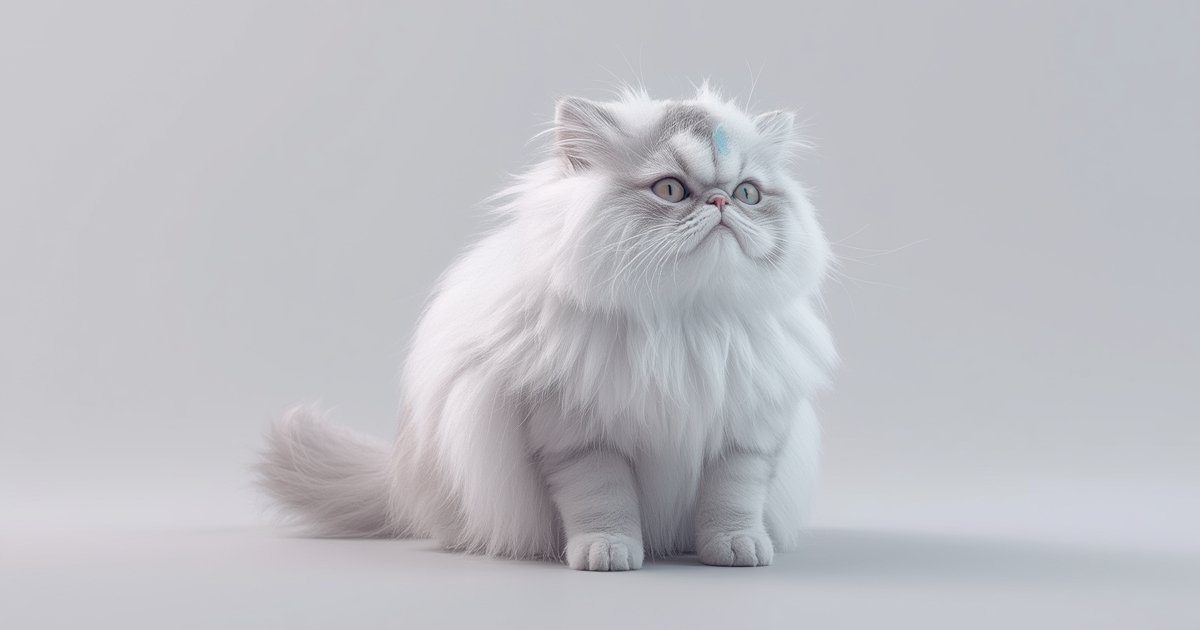
The majestic Persian cat, with its luxurious coat and sweet demeanor, is a cherished companion for many. However, their distinctive features, while beautiful, come with specific care requirements. Achieving optimal Persian Health for your feline friend in 2026 and beyond means understanding these unique needs and adopting a proactive approach to their well-being. This comprehensive checklist will guide you through every essential aspect, ensuring your Persian enjoys a vibrant, healthy life.
From their charming flat faces to their thick, flowing fur, every aspect of a Persian’s anatomy plays a role in their overall health. Recognizing potential predispositions and addressing them before they become serious issues is paramount. Proper Persian Health management is a commitment to their comfort and longevity.
Essential Daily Grooming for Optimal Persian Health
One of the most defining characteristics of a Persian cat is their stunning long coat, which requires diligent daily grooming to maintain. Neglecting this crucial aspect of Persian Health can lead to painful mats, skin infections, and discomfort for your cat. Regular grooming is not just about aesthetics; it’s a vital preventative health measure.
Daily Brushing Techniques
Your Persian’s long, dense coat is prone to tangles and mats, especially around the chest, legs, and undercarriage. Daily brushing is non-negotiable.
- Start Young: Introduce brushing early in your cat’s life to make it a positive experience.
- Use the Right Tools: A good quality metal comb with both wide and fine teeth, a slicker brush, and a de-shedding tool are indispensable.
- Section the Coat: Work in small sections, gently detangling knots with your fingers before using a comb. Always brush down to the skin to remove loose hair and prevent matting.
- Be Patient: Keep sessions short and positive, rewarding your cat with treats and praise.
Eye and Ear Cleaning Routines
Persians are known for their brachycephalic (flat) faces, which can lead to excessive tearing and tear staining. This requires daily attention.
- Eye Wipes: Use a soft, damp cloth or a pet-specific eye wipe to gently clean around your cat’s eyes daily. This prevents tear stains and reduces the risk of skin irritation or infection.
- Ear Checks: Check your Persian’s ears weekly for redness, discharge, or foul odor, which could indicate an infection. Clean with a vet-approved ear cleaner and cotton balls, never cotton swabs in the ear canal.
Dental Care for Long-Term Persian Health
Dental health is often overlooked but is critical for overall Persian Health. Periodontal disease is common in cats and can lead to serious health issues if left untreated.
- Brushing Teeth: Aim to brush your cat’s teeth daily or at least several times a week using a feline-specific toothbrush and toothpaste. Never use human toothpaste.
- Dental Chews and Diets: Incorporate dental treats or vet-approved dental diets to help reduce plaque and tartar buildup.
- Professional Cleanings: Schedule regular dental check-ups with your veterinarian, who may recommend professional cleanings under anesthesia when necessary.
Comparison of Essential Grooming Tools for Persians
Investing in the right tools makes a significant difference in maintaining your Persian’s coat and overall hygiene. Here’s a comparison of some highly recommended grooming essentials.
| Product | Price | Pros | Cons | Best For |
|---|---|---|---|---|
| Chris Christensen Big G Slicker Brush | $50-$70 | Exceptional for detangling and fluffing thick Persian coats. Gentle on skin. | Higher price point. Can be bulky for smaller areas. | Serious groomers and owners of show Persians. |
| Safari Cat Shedding Comb | $10-$15 | Effective at removing loose undercoat and preventing mats. Durable metal construction. | Can pull if used improperly on matted fur. | Everyday detangling and deshedding for all Persians. |
| Angels’ Eyes Gentle Tear Stain Wipes | $15-$25 | Pre-moistened wipes for easy daily cleaning around the eyes. Contains natural ingredients. | Requires consistent daily use for best results. Some cats dislike the scent. | Daily tear stain prevention for brachycephalic breeds. |
| Vet’s Best Dental Gel Toothpaste & Brush Kit | $10-$20 | Enzymatic formula helps fight plaque and tartar. Kit includes brush. | Some cats may resist the taste or texture. | Beginners in feline dental care. |
Nutrition and Hydration: Fueling Your Persian’s Well-being
A well-balanced diet is fundamental to excellent Persian Health. Their unique jaw structure and long hair coat necessitate specific dietary considerations. Proper nutrition supports their immune system, maintains a healthy weight, and contributes to a lustrous coat.
Dietary Requirements for Persians
Persian cats often have difficulty picking up standard kibble due to their flat faces. Look for specific kibble shapes designed for brachycephalic breeds, usually crescent-shaped or smaller discs, which are easier to grasp.
- High-Quality Protein: Cats are obligate carnivores, meaning their diet must be rich in animal-based protein. Look for real meat (chicken, fish, turkey) as the first ingredient.
- Omega Fatty Acids: Essential for skin and coat health, helping to prevent excessive shedding and matting. Fish oil supplements can also be beneficial under vet guidance.
- Digestibility: Choose formulas that are easily digestible to prevent upset stomachs, which can be a concern for some Persians. Fiber content helps manage hairballs.
Choosing the Right Food
Consult with your veterinarian to determine the best diet for your individual Persian, considering their age, activity level, and any specific health conditions. Both wet and dry food can be part of a healthy diet.
- Wet Food Benefits: Provides excellent hydration, which is crucial for kidney health.
- Dry Food Benefits: Can help with dental hygiene (though not a substitute for brushing) and is convenient for free-feeding, if appropriate for your cat.
Importance of Fresh Water and Hydration Strategies
Hydration is critical, especially for Persians prone to urinary tract issues or kidney disease. Ensuring constant access to fresh water is paramount for good Persian Health.
- Multiple Water Stations: Place several water bowls around your home.
- Water Fountains: Many cats prefer moving water. A pet water fountain can encourage increased water intake.
- Cleanliness: Wash water bowls daily to prevent bacterial buildup.
- Wet Food: Incorporate wet food into their diet to boost hydration.
Proactive Veterinary Care and Common Persian Health Concerns
Regular veterinary check-ups are the cornerstone of preventative Persian Health care. These visits allow your vet to catch potential issues early, administer necessary vaccinations, and provide guidance on maintaining your cat’s well-being.
Regular Check-ups and Vaccinations
Even if your Persian appears healthy, annual vet visits are essential. For senior cats or those with chronic conditions, twice-yearly visits may be recommended.
- Comprehensive Exams: Your vet will perform a thorough physical examination, checking weight, teeth, ears, eyes, and listening to their heart and lungs.
- Vaccinations: Keep your cat’s vaccinations up-to-date to protect against common feline diseases such as rabies, feline panleukopenia, feline herpesvirus, and feline calicivirus.
- Parasite Prevention: Discuss year-round flea, tick, and heartworm prevention with your vet.
Specific Conditions Affecting Persian Health
Persians are predisposed to several breed-specific health issues due to their unique genetics and conformation. Awareness and early detection are key.
- Polycystic Kidney Disease (PKD): This inherited condition causes cysts to form in the kidneys, leading to kidney failure over time. Genetic testing is available for PKD, and reputable breeders screen their cats. Regular ultrasound screenings can help monitor affected cats.
- Brachycephalic Respiratory Syndrome: Their flattened faces can lead to narrowed nostrils (stenotic nares), an elongated soft palate, and hypoplastic trachea. Symptoms include noisy breathing, snoring, and exercise intolerance. In severe cases, surgery may be recommended.
- Hypertrophic Cardiomyopathy (HCM): A common heart disease in cats where the heart muscle thickens, making it harder to pump blood. Regular cardiac screenings (echocardiograms) are important for early detection, especially for breeding cats.
- Progressive Retinal Atrophy (PRA): Another inherited eye condition that can lead to blindness. Responsible breeders test for PRA.
- Dental Disease: As mentioned, dental issues are prevalent. Regular home care and professional cleanings are vital.
Monitoring Changes in Behavior
Your Persian’s behavior is a strong indicator of their health. Any significant changes warrant a call to your veterinarian.
- Appetite Changes: A sudden decrease or increase in eating or drinking.
- Litter Box Habits: Changes in urination frequency, straining, or urinating outside the box.
- Activity Levels: Lethargy, hiding more, or a reluctance to play.
- Grooming Habits: Over-grooming, under-grooming, or sudden matting.
- Vocalizations: Increased or decreased meowing, especially if accompanied by other symptoms.
Creating a Safe and Enriched Environment for Your Persian
Beyond physical care, a stimulating and secure environment is crucial for your Persian’s mental and emotional Persian Health. A happy cat is often a healthy cat.
Indoor Safety Tips
Persians are typically indoor cats, which protects them from outdoor dangers, but indoor environments have their own risks.
- Toxic Plants: Research common household plants and remove any that are toxic to cats (e.g., lilies, sago palms, azaleas).
- Household Hazards: Secure cleaning supplies, medications, and small objects that could be swallowed. Keep cords tucked away.
- Window Screens: Ensure all window screens are secure to prevent accidental falls.
- Temperature Control: Persians can be sensitive to extreme heat due to their brachycephalic nature. Ensure they have access to cool, comfortable areas, especially in warmer climates.
Mental Stimulation and Play
While often perceived as placid, Persians still need mental and physical stimulation to prevent boredom and maintain good Persian Health.
- Interactive Toys: Provide a variety of toys, including wand toys, puzzle feeders, and crinkle balls.
- Scratching Posts: Offer multiple scratching surfaces (vertical and horizontal) to satisfy their natural urge to scratch and maintain paw health.
- Perches and Cat Trees: Give them vertical space to climb and observe their surroundings, promoting exercise and security.
- Regular Playtime: Dedicate at least 15-20 minutes daily to interactive play sessions with your cat.
Stress Reduction
Cats are creatures of habit and can be sensitive to changes in their environment. Stress can manifest in various health and behavioral issues.
- Routine: Maintain a consistent feeding, play, and grooming schedule.
- Safe Spaces: Ensure your Persian has quiet, private spaces where they can retreat and feel secure.
- Pheromone Diffusers: Consider using feline pheromone diffusers (e.g., Feliway) to create a calming atmosphere, especially during times of change or stress.
By diligently following this ultimate Persian Health checklist, you’re investing in a future filled with purrs, cuddles, and companionship. Proactive care, a keen eye for detail, and a loving environment are the keys to ensuring your Persian cat thrives in 2026 and for many years to come.
Ready to give your Persian the best life possible? Start implementing these tips today and watch your feline friend flourish. For more personalized advice, always consult your trusted veterinarian.
Frequently Asked Questions (FAQ)
How often should I brush my Persian cat?
Persian cats should be brushed daily to prevent mats and tangles in their long, dense coats. Daily brushing also helps distribute natural oils, keeps their skin healthy, and reduces the amount of shedding around your home.
What are the signs of Polycystic Kidney Disease (PKD) in Persians?
Early signs of PKD can be subtle and may include increased thirst, frequent urination, weight loss, and lethargy. As the disease progresses, your cat may experience vomiting, loss of appetite, and a dull coat. Regular vet check-ups and genetic testing are crucial for early detection and management.
Do Persian cats need special food due to their flat faces?
Yes, many Persian cats benefit from specialized kibble designed for brachycephalic breeds. These kibbles often have a unique shape (e.g., crescent or flat disc) that is easier for them to pick up and chew, promoting better digestion and reducing mess. Always ensure their diet is high in quality animal protein and offers hydration.
How can I tell if my Persian cat is stressed?
Signs of stress in Persian cats can include hiding more, changes in appetite or litter box habits, excessive grooming (or under-grooming), increased vocalization, aggression, or a reluctance to play. If you notice persistent changes, consult your veterinarian to rule out underlying health issues.
Are Persian cats prone to heatstroke?
Yes, due to their brachycephalic (flat-faced) nature, Persians can have difficulty regulating their body temperature and are more susceptible to heatstroke. It’s crucial to keep them in cool, air-conditioned environments, especially during hot weather, and avoid strenuous activity in the heat.
Leave a Reply