

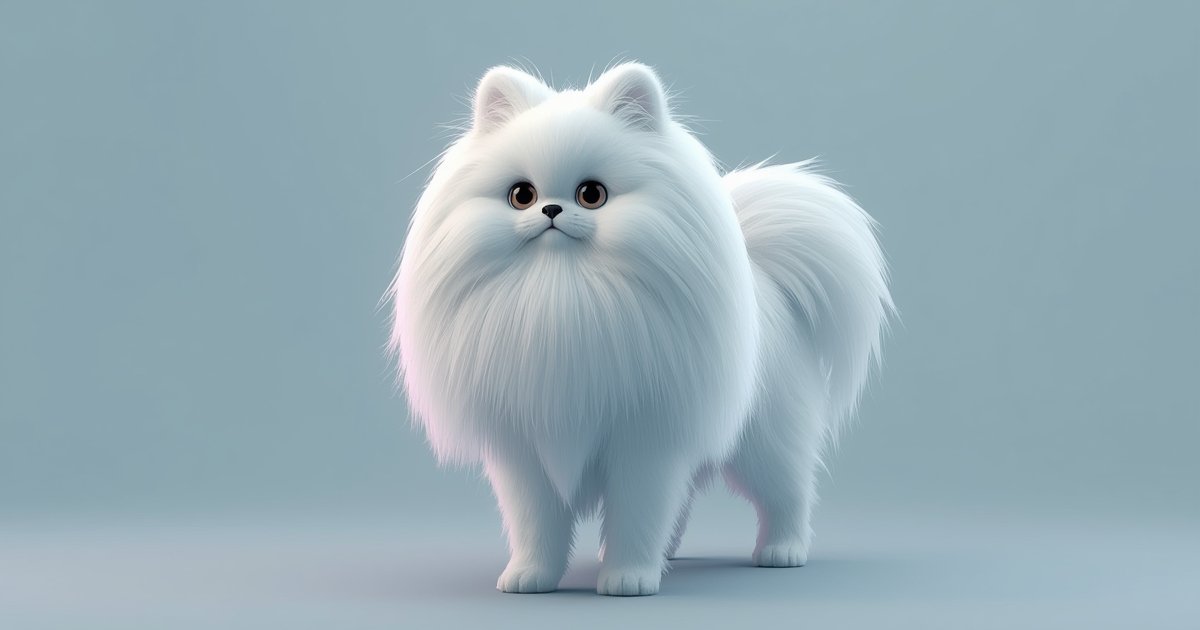
Mastering the art of keeping your Persian cat looking immaculate and feeling fantastic is a true labor of love. These regal felines are renowned for their luxurious, long coats, which, while beautiful, require significant dedication to maintain. Effective Persian grooming isn’t just about aesthetics; it’s a vital part of their overall health and well-being. Without a consistent routine, their magnificent fur can quickly become a tangled, matted mess, leading to skin issues, discomfort, and even infections. This guide will equip you with the essential grooming hacks for 2026, ensuring your fluffy companion remains silky smooth and happy.
The Daily Ritual: Brushing for Brilliance
The cornerstone of any effective Persian grooming regimen is daily brushing. Neglecting this crucial step, even for a day or two, can lead to the formation of mats that are difficult and painful to remove. Establishing a consistent daily routine will not only keep your cat’s coat in pristine condition but also strengthen your bond.
Understanding the Persian Coat
Persians possess a unique double coat. The outer coat consists of long, fine guard hairs, while the undercoat is dense and soft. This combination, along with the natural oils in their skin, can easily trap loose hair and dirt, creating perfect conditions for matting. Understanding this structure is key to successful Persian grooming.
Their coat tends to be longer around the ruff, legs, and tail, areas where mats are particularly prone to forming. Regularly inspecting these areas will help you catch small tangles before they escalate into serious problems. Be gentle but thorough.
Essential Brushing Techniques
Effective brushing involves more than just running a comb through the fur. It requires specific techniques and the right tools to penetrate both layers of the coat without causing discomfort.
Line Brushing Explained
Line brushing is the most effective method for Persians. It ensures you reach the undercoat and remove all loose hair and tangles. Start by parting the fur, typically along the back or side, and brush section by section, starting from the skin outwards.
– Begin at the bottom of your cat’s leg or flank, using a slicker brush or a wide-toothed comb.
– Hold the top layers of hair up with one hand, exposing a small section of the undercoat.
– Brush downwards, working through the small section of hair from the skin to the tips.
– Once that section is tangle-free, drop a little more hair from the upper layer and repeat the process, slowly working your way across and up the cat’s body.
– Pay special attention to “hot spots” like armpits, behind the ears, the belly, and the hindquarters, where mats frequently form.
Dealing with Knots and Tangles
Prevention is always better than cure, but even with daily brushing, small knots can appear. Never pull at a knot, as this will hurt your cat and make them averse to future grooming sessions.
– Use a de-matting spray or a sprinkle of cornstarch on the knot to help loosen it.
– Gently tease the knot apart with your fingers or the blunt end of a comb.
– If it’s a stubborn mat, use a mat splitter or a pair of blunt-nosed scissors, always pointing away from the skin, to carefully cut through the mat. Work slowly and in small increments.
– For large or very tight mats, professional intervention is recommended. A groomer can remove them safely without injuring your cat.
Bathing Your Persian: A Spa Day, Not a Struggle
While daily brushing is paramount, regular bathing is also an integral part of comprehensive Persian grooming. It helps remove dirt, excess oils, and loose hair that brushing alone might miss, contributing to a truly silky smooth coat. For Persians, bathing every 4-6 weeks is often ideal, depending on their coat condition and lifestyle.
Pre-Bath Preparation is Key
Never attempt to bathe a matted Persian. Water will only tighten the mats, making them impossible to remove and causing significant discomfort. Always ensure the coat is completely tangle-free before a bath.
– Thoroughly brush your cat, completing a full line brushing session to remove all knots and loose hair.
– Trim your cat’s nails beforehand. This protects both you and your cat from accidental scratches during the bath.
– Gather all your supplies: shampoo, conditioner, towels, a non-slip mat for the tub, and a cup or sprayer for rinsing.
– Place cotton balls gently in your cat’s ears to prevent water from entering the ear canal, which can lead to infections.
Step-by-Step Bathing Process
A calm, reassuring demeanor from you can make a big difference in making bath time a less stressful experience for your Persian. Warm water, soft towels, and a gentle touch are your best allies.
Choosing the Right Shampoo and Conditioner
The products you use are vital for maintaining a healthy coat and skin. Always opt for cat-specific shampoos and conditioners, as human products can irritate their skin and strip essential oils.
– Look for shampoos formulated for long-haired cats, those that are tear-free, or specifically designed for sensitive skin.
– Hypoallergenic and natural ingredient options are excellent choices for minimizing skin irritation.
– A good conditioner is essential for Persians. It helps detangle the coat, adds moisture, and reduces static, making subsequent brushing easier.
Once you have your products, wet your cat thoroughly with lukewarm water, applying shampoo from neck to tail, avoiding the face. Lather gently, focusing on areas prone to oiliness, then rinse meticulously. Follow with conditioner, letting it sit for the recommended time before rinsing until the water runs clear.
Drying Techniques for a Fluffy Finish
Proper drying is just as important as washing. Residual dampness can lead to skin issues and makes matting worse. The goal is to get your cat as dry as possible, as quickly as possible, without frightening them.
– Immediately after rinsing, wrap your cat in a large, absorbent towel and gently blot out as much water as you can. Do not rub vigorously, as this can create tangles.
– For an even drier and fluffier coat, use a pet-specific force dryer on a low, cool setting. These dryers push water out of the coat without using heat, which can damage their fur and skin.
– If a force dryer isn’t available, a regular hairdryer on the coolest and lowest setting can be used, but keep it moving constantly and never point it directly at your cat’s face or ears. Always brush as you dry to prevent matting.
– Continue brushing until the coat is completely dry. Any dampness can lead to mats and skin problems.
Tools of the Trade: Modern Grooming Gadgets for Persians
The world of pet care is constantly evolving, and 2026 brings an array of advanced grooming tools that can significantly streamline your Persian grooming routine. Investing in the right gadgets can make grooming more efficient and enjoyable for both you and your cat.
Innovative Brushes and Combs
Beyond the traditional slicker brush and wide-toothed comb, new designs offer enhanced features for tackling the unique challenges of a Persian’s coat.
– **Self-Cleaning Slicker Brushes:** These brushes feature retractable bristles, making cleanup a breeze and ensuring maximum efficiency for every brushing session.
– **Undercoat Rakes with Rotating Teeth:** Designed to penetrate the dense undercoat without pulling, rotating teeth glide through tangles more smoothly, reducing discomfort for your cat.
– **Dematting Combs with Blades:** While requiring careful use, these combs feature small, sharp blades designed to cut through stubborn mats efficiently. They are a must-have for serious Persian grooming, but proper technique is crucial.
– **Ionic Brushes:** Some advanced brushes emit negative ions that are said to reduce static, smooth the hair cuticle, and add shine, giving your Persian an extra touch of glamour.
Comparison of Top Grooming Tools
Choosing the right tools can feel overwhelming with so many options. Here’s a comparison of some popular and effective grooming tools beneficial for Persian cats.
| Product | Price | Pros | Cons | Best For |
|---|---|---|---|---|
| FURminator Deshedding Tool (Long Hair) | $35-50 | Excellent for removing loose undercoat and reducing shedding. | Can be too harsh if used improperly or too often; not for mats. | Weekly deshedding maintenance on a tangle-free coat. |
| Hertzko Self-Cleaning Slicker Brush | $15-25 | Retracts bristles for easy hair removal; gentle on sensitive skin. | May not penetrate very dense mats; bristles can bend over time. | Daily brushing, general detangling, and removal of loose hair. |
| Chris Christensen Big G Slicker Brush | $50-70 | Premium quality, gentle yet effective, excellent for fluffing and detangling. | Higher price point; requires careful handling to avoid skin irritation. | Professional grooming, show cats, and serious home groomers for superior results. |
| Andis Dematting Rake (9-Blade) | $20-35 | Effectively cuts through stubborn mats and tangles with minimal pulling. | Blades are sharp, requiring extreme caution; not for everyday use. | Targeted mat removal and breaking up large tangles. |
Smart Grooming Aids for Future-Proof Care
Looking ahead, advancements in pet tech are poised to revolutionize how we approach Persian grooming. While some are still emerging, they offer a glimpse into the future.
– **Automated Brushing Stations:** Imagine a gentle, quiet station where your cat can relax while an automated brush system removes loose hair. While not widely available yet, prototypes are being developed.
– **UV Sanitizing Grooming Tools:** Tools that automatically sanitize themselves with UV light after use, ensuring optimal hygiene and reducing the spread of bacteria. This can be particularly beneficial for shared grooming tools.
– **Smart Grooming Apps:** Apps that use AI to analyze your cat’s coat condition through photos, recommending specific grooming schedules, products, or alerting you to potential skin issues early on.
Beyond the Brush: Eyes, Ears, and Nails
Grooming a Persian extends beyond their magnificent coat. Their unique facial structure and overall health require attention to other key areas to prevent common issues and ensure their comfort.
Tear Stain Management for Persians
Persians are notorious for tear staining due to their brachycephalic (flat) faces and often shallow eye sockets. This can lead to dark reddish-brown streaks beneath their eyes, which, if left uncleaned, can cause skin irritation and even infection.
– **Daily Wiping:** Gently wipe around your cat’s eyes daily using a soft, damp cloth or a specialized tear stain remover pad. Use warm water or a vet-approved saline solution.
– **Trim Hair Around Eyes:** Carefully trim any long hairs around the eyes that might wick tears or irritate the eyes, but always use blunt-nosed scissors and extreme caution.
– **Dietary Considerations:** Some owners find that certain diets or filtered water can reduce tear staining. Consult your vet about any dietary changes or supplements like probiotics.
– **Professional Products:** There are many over-the-counter tear stain removers, but always choose products specifically formulated for cats and ideally recommended by your veterinarian.
Ear Cleaning Best Practices
Regular ear checks and cleaning are important to prevent wax buildup, dirt, and potential ear infections. Persians can have more hair inside their ears, making them susceptible to these issues.
– **Weekly Checks:** Gently fold back your cat’s ear flap and inspect the inner ear for redness, discharge, foul odor, or excessive wax. A small amount of light brown wax is normal.
– **Gentle Cleaning:** If cleaning is needed, use a cotton ball or gauze pad dampened with a vet-approved ear cleaner. Never use cotton swabs, as these can push debris further into the ear canal and potentially cause damage.
– **Avoid Deep Probing:** Only clean the parts of the ear you can easily see. Do not insert anything into the ear canal. If you notice signs of infection (strong odor, excessive scratching, head shaking, dark discharge), consult your veterinarian immediately.
Nail Trimming: A Stress-Free Approach
Keeping your Persian’s nails trimmed is crucial for their comfort, preventing ingrown claws, and protecting your furniture. Aim to trim their nails every 2-4 weeks.
– **Start Young:** Introduce nail trimming early in life to get your cat accustomed to the process. Make it a positive experience with treats and praise.
– **The Right Tools:** Use sharp, cat-specific nail clippers. Scissor-style clippers are often preferred for their precision.
– **Identify the Quick:** The “quick” is the pink part inside the nail that contains blood vessels and nerves. Avoid cutting into it, as it will be painful and bleed. For clear nails, it’s easy to see. For dark nails, trim only the very tip, or consult a vet/groomer.
– **One Nail at a Time:** If your cat is resistant, trim only one or two nails at a time, making it a quick and less stressful event, and complete the rest later. Reward them heavily.
Diet and Health: The Foundation of a Fabulous Coat
While external care is vital, true coat brilliance for a Persian starts from within. A balanced diet and overall good health are fundamental to a lustrous, silky smooth coat. Think of it as an internal Persian grooming secret.
Nutritional Impact on Coat Health
What your Persian eats directly influences the quality of their skin and fur. A diet rich in essential nutrients provides the building blocks for healthy hair growth and skin integrity.
– **High-Quality Protein:** Cats are obligate carnivores, requiring a diet rich in animal protein. Protein is crucial for hair structure and strength. Look for cat foods with real meat as the first ingredient.
– **Omega Fatty Acids:** Omega-3 and Omega-6 fatty acids are vital for skin and coat health, reducing dryness, flakiness, and promoting a shiny coat. Many premium cat foods include these, often from sources like fish oil or flaxseed.
– **Vitamins and Minerals:** Ensure their food contains a complete spectrum of vitamins (especially Vitamin E and Biotin) and minerals (like Zinc and Copper) that support cellular health, including skin and hair cells.
– **Avoid Fillers:** Opt for foods without excessive fillers, artificial colors, or by-products, as these can sometimes lead to sensitivities that manifest as skin or coat issues.
Hydration and Skin Well-being
Adequate water intake is another often-overlooked aspect of coat health. Dehydration can lead to dry, brittle fur and dull skin, making the coat more prone to matting and less resilient.
– **Fresh Water Always Available:** Ensure your Persian always has access to fresh, clean water. Change it daily and clean the bowl regularly.
– **Water Fountains:** Many cats are enticed to drink more from flowing water. A pet water fountain can be an excellent investment to encourage hydration.
– **Wet Food:** Incorporating wet food into their diet significantly boosts their water intake, as wet food typically contains 70-80% moisture, compared to 10% in dry kibble.
When to Seek Professional Persian Grooming Help
Despite your best efforts, there are times when a professional groomer or veterinarian is the best resource for your Persian. Knowing when to call in the experts can prevent more serious problems.
– **Severe Matting:** If your cat develops extensive or tight mats that you cannot safely remove, a professional groomer has the tools and expertise to shave them off without causing injury or undue stress.
– **Skin Issues:** Any persistent skin irritation, redness, flakiness, or sores should be evaluated by a veterinarian. These can be signs of allergies, parasites, or underlying health conditions.
– **Behavioral Challenges:** If your cat becomes overly aggressive or stressed during grooming, a professional groomer might be able to work with them more effectively or offer advice on behavioral modification techniques.
– **Health Concerns:** If your cat shows any signs of illness, lethargy, changes in appetite, or unusual lumps, consult your veterinarian promptly. A healthy cat is a happy cat with a beautiful coat.
Maintaining a Silky Smooth Persian
Achieving and maintaining that characteristic silky smooth coat on your Persian requires dedication, the right tools, and a holistic approach to their care. From daily line brushing and regular bathing to vigilant eye and ear care, and a nourishing diet, every aspect contributes to their radiant appearance and robust health. By implementing these grooming hacks for 2026, you’re not just ensuring your Persian looks their best; you’re also fostering a deeper bond and contributing significantly to their overall well-being. Embrace the journey of Persian grooming, and you’ll be rewarded with a magnificent, happy, and healthy companion.
For more expert tips and personalized advice, don’t hesitate to reach out to Dax AI’s team of pet care specialists.
Frequently Asked Questions About Persian Grooming
What is the most common grooming challenge for Persian cats?
The most common challenge is preventing and managing mats and tangles in their long, dense double coat. Daily brushing and regular bathing are crucial to avoid severe matting, which can be painful and lead to skin problems.
How often should I bathe my Persian cat?
Most Persian cats benefit from a bath every 4-6 weeks, though this can vary depending on their lifestyle, coat condition, and individual needs. Always ensure their coat is completely mat-free before bathing.
What kind of brush is best for a Persian cat?
A good quality slicker brush and a wide-toothed metal comb are essential. A de-shedding tool can also be beneficial for removing loose undercoat, and a de-matting comb can help with stubborn tangles.
How do I prevent tear stains on my Persian?
Daily gentle wiping around the eyes with a damp cloth or specialized tear stain remover pads is key. Trimming hair around the eyes and consulting your vet about diet or specific products can also help manage tear staining.
Is professional grooming necessary for a Persian cat?
While consistent home grooming can maintain their coat, professional grooming is often recommended every few months, especially for full trims, de-shedding treatments, or if mats become too severe to handle at home. Professionals have specialized tools and expertise.
Leave a Reply