

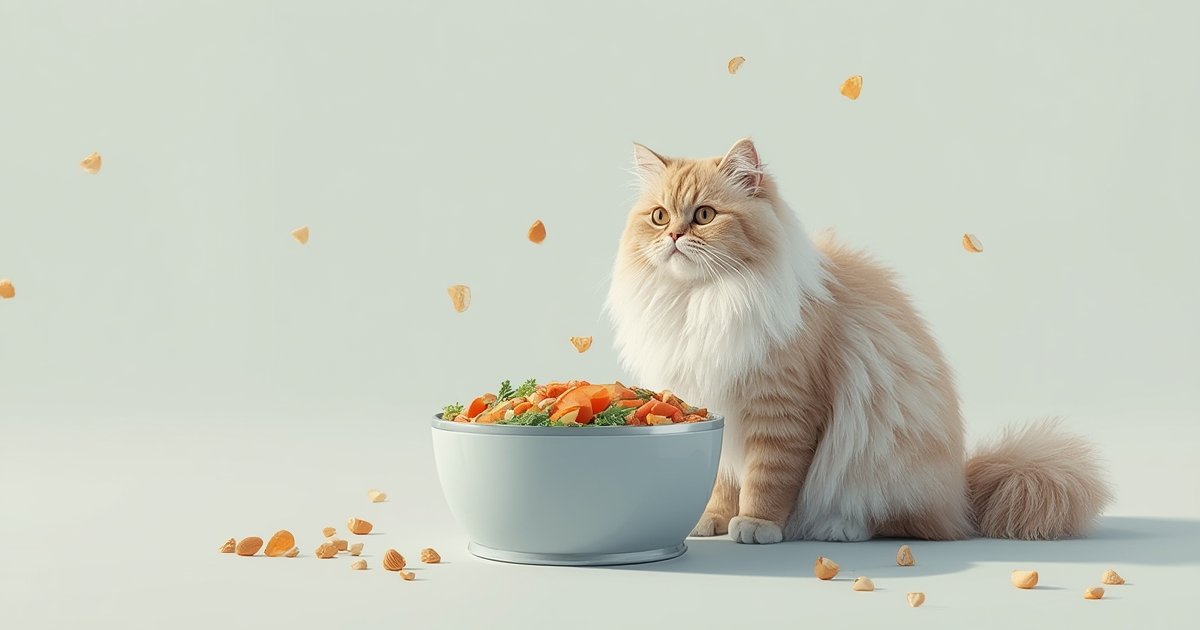
Meta Description: Discover the top nutrition secrets for a healthy Persian cat in 2026. Learn about specialized diets, essential nutrients, and practical feeding tips to optimize your feline’s well-being.
Understanding the Unique Nutritional Needs of Persian Cats
Persian cats, with their majestic long coats and charming flat faces, are truly unique companions. Their distinctive physiology demands a tailored approach to Persian nutrition that goes beyond what’s typically found in standard cat food. Understanding these specific requirements is the first step toward ensuring your beloved feline thrives.
These magnificent breeds are prone to certain health challenges that can be significantly mitigated, if not entirely prevented, through careful dietary management. From managing hairballs to supporting their beautiful, dense fur and accommodating their unique facial structure for easier eating, every aspect of their diet plays a crucial role. We’re looking ahead to 2026, where advancements in feline nutritional science continue to refine our understanding of what makes a Persian truly healthy.
The Impact of Their Distinctive Features on Diet
The Persian cat’s brachycephalic (flat-faced) structure impacts how they eat. Their short muzzles and unique jaw alignment can make it challenging to pick up standard kibble. This often leads to a preference for specific kibble shapes and sizes designed for easier consumption.
Their luxurious long coat, while beautiful, is a major factor in their nutritional needs. A diet rich in specific fatty acids and proteins is essential to maintain coat health, reduce shedding, and minimize hairball formation. Without proper nutrition, their fur can become dull, matted, and their skin flaky.
Deciphering Dry, Wet, and Raw: The Best Food Choices for Your Persian
When it comes to selecting the best food for your Persian cat, the options can be overwhelming. Dry kibble, wet food, and raw diets each offer distinct advantages and considerations. Making an informed choice is paramount for optimal Persian nutrition. It’s not just about what they’ll eat, but what provides the most comprehensive benefits for their specific needs.
Many factors come into play, including your cat’s age, activity level, existing health conditions, and even personal preferences. A balanced diet should always be the goal, ensuring all essential nutrients are provided in the correct proportions. Consulting with a vet or a feline nutritionist can offer personalized guidance.
Specialized Dry Kibble for Persians
Dry kibble is often a convenient and cost-effective option. For Persian cats, specialized dry foods are formulated with unique kibble shapes (often flatter or larger) to facilitate easier pickup and chewing with their brachycephalic jaws. These formulations also tend to include ingredients aimed at supporting coat health and reducing hairballs.
Look for high-quality protein sources as the first ingredient. Many brands incorporate specific fiber blends to aid in hairball passage and omega-3 and omega-6 fatty acids for skin and coat luster. Always ensure the chosen kibble meets the AAFCO (Association of American Feed Control Officials) nutritional standards for cats.
The Benefits of Wet Food
Wet food offers excellent hydration, which is crucial for overall feline health, especially for cats prone to urinary tract issues. The higher moisture content can also contribute to a feeling of fullness, which can be beneficial for weight management. Wet food is often more palatable for picky eaters and provides a rich source of animal-based protein.
When selecting wet food, prioritize formulations with real meat or fish as the primary ingredient and avoid those with excessive fillers, artificial colors, or preservatives. Pate textures can be particularly easy for Persians to consume, minimizing mess and frustration.
Exploring Raw and Homemade Diets
Raw food diets (BARF – Biologically Appropriate Raw Food or Prey Model Raw) aim to mimic a cat’s ancestral diet. Proponents suggest benefits like improved digestion, shinier coats, increased energy, and better dental health. However, raw diets require meticulous preparation to ensure nutritional completeness and safety from pathogens.
Homemade cooked diets offer more control over ingredients but also demand a thorough understanding of feline nutritional requirements to prevent deficiencies or excesses. These diets should always be prepared under the guidance of a veterinary nutritionist to ensure they are balanced and appropriate for your Persian’s specific needs. Improperly formulated homemade diets can lead to severe health problems.
Comparison of Top Specialized Persian Cat Foods
Selecting the right food can be daunting. Here’s a brief comparison of types of specialized foods commonly recommended for Persian cats, focusing on their unique requirements for Persian nutrition.
| Product Type | Focus | Pros | Cons | Best For |
|---|---|---|---|---|
| Specialized Dry Kibble (e.g., Royal Canin Persian) | Kibble shape, coat health, hairball control | Designed for brachycephalic jaws, specific nutrients for fur, convenient | Can be less hydrating, some cats may find it less palatable than wet food | Daily feeding, convenience, specific breed needs |
| High-Moisture Wet Food (e.g., Fancy Feast, Wellness Core Pate) | Hydration, palatability, protein-rich | Excellent for hydration, highly palatable, easier for some Persians to eat | More expensive per serving, shorter shelf life once opened | Picky eaters, cats needing extra hydration, managing weight |
| Limited Ingredient Dry Food (e.g., Instinct LID, Natural Balance LID) | Sensitive stomachs, allergy management | Reduces potential allergens, easy to identify problematic ingredients, specialized for digestion | May not always have breed-specific kibble shapes, could lack some standard supplements | Persian cats with food sensitivities or allergies |
| Veterinary-Prescribed Therapeutic Diet (e.g., Hill’s Prescription Diet, Purina Pro Plan Vet) | Specific health conditions (e.g., kidney, urinary, dental) | Scientifically formulated for disease management, often highly palatable | Requires veterinary prescription, can be more costly, less variety | Persians with diagnosed medical conditions |
Essential Nutrients and Supplements: Going Beyond the Basics
Beyond just choosing the right type of food, understanding the specific nutrients vital for your Persian cat is critical. Optimal Persian nutrition hinges on a balanced intake of proteins, fats, carbohydrates, vitamins, and minerals. Sometimes, even with a high-quality diet, supplements might be necessary to address specific deficiencies or support particular health aspects.
Always consult your veterinarian before introducing any new supplements to your cat’s diet. They can assess your cat’s individual needs based on age, health status, and existing diet, ensuring any additions are safe and beneficial. Self-prescribing can sometimes lead to imbalances or adverse reactions.
The Role of High-Quality Protein
Protein is the cornerstone of a feline diet, and this is especially true for Persian cats. As obligate carnivores, cats require animal-based protein to thrive. Protein supports muscle development, enzyme production, hormone regulation, and, importantly for Persians, healthy skin and a luxurious coat.
Look for foods where real meat (chicken, turkey, lamb, fish) is listed as the first ingredient. High-quality protein sources ensure your cat receives essential amino acids like taurine, which is vital for heart health and vision and cannot be synthesized by cats themselves.
Fats for Skin, Coat, and Energy
Dietary fats are crucial for providing concentrated energy and facilitating the absorption of fat-soluble vitamins (A, D, E, K). For Persian cats, specific fatty acids play a significant role in maintaining their signature long, dense coat and healthy skin.
Omega-3 and omega-6 fatty acids are particularly important. Omega-3s, often found in fish oil (EPA and DHA), help reduce inflammation and promote a shiny coat. Omega-6s, found in poultry fat and certain vegetable oils, contribute to skin barrier function. A balanced ratio of these fatty acids is key.
Vitamins and Minerals: The Micronutrient Powerhouses
Vitamins and minerals are micronutrients that, while needed in smaller amounts, are absolutely essential for countless bodily functions. They support everything from immune system health and bone density to nerve function and metabolism.
A well-balanced, high-quality commercial cat food should provide all the necessary vitamins and minerals. However, specific situations might warrant additional supplementation, such as B vitamins for energy or Vitamin E for its antioxidant properties. Always ensure any supplements are feline-specific and properly dosed.
When Are Supplements Necessary?
While a complete and balanced diet is the ideal foundation for Persian nutrition, certain supplements can offer targeted support.
– **Hairball Supplements**: Psyllium husk or other fiber-rich supplements can aid in the passage of ingested hair, reducing hairball frequency.
– **Omega Fatty Acid Supplements**: If your cat’s coat is dull or they suffer from dry, flaky skin, an omega-3 supplement (like fish oil) can make a significant difference.
– **Joint Supplements**: For older Persian cats or those with a predisposition to joint issues, glucosamine and chondroitin supplements can help support joint health and mobility.
– **Probiotics**: For cats with sensitive stomachs or digestive upset, probiotics can help maintain a healthy gut microbiome.
Managing Common Persian Health Challenges Through Diet
Persian cats, despite their generally robust nature, are predisposed to a few specific health issues. Many of these conditions can be effectively managed, or even prevented, through a thoughtfully constructed diet. Focusing on tailored Persian nutrition is a proactive step towards a longer, healthier life for your feline companion.
Early identification of symptoms and prompt veterinary consultation are always recommended. Dietary adjustments, when appropriate, can be a powerful tool in a holistic health management plan. Understanding the link between diet and specific ailments empowers you as a pet owner.
Hairball Management Through Fiber
Hairballs are perhaps the most common issue for long-haired breeds like Persians. Their meticulous grooming habits mean they ingest a significant amount of fur, which can accumulate in the digestive tract. While regular grooming helps, diet plays a crucial role.
Diets rich in specific types of fiber, such as beet pulp, psyllium, or cellulose, can help move ingested hair through the digestive system more easily, reducing the formation and regurgitation of hairballs. Look for specialized “hairball control” formulas or consider fiber supplements under veterinary guidance.
Addressing Sensitive Stomachs and Digestive Issues
Some Persian cats have sensitive digestive systems, manifesting as vomiting, diarrhea, or a generally upset stomach. This can often be attributed to food intolerances or allergies. Identifying and eliminating trigger ingredients is key.
Limited ingredient diets (LIDs) or hypoallergenic formulas can be beneficial. These diets typically contain novel protein sources (like duck or venison) and fewer, simpler ingredients to minimize the chance of an adverse reaction. Probiotics can also support gut health and improve digestion.
Maintaining Dental Health
Dental health is often overlooked but is crucial for a cat’s overall well-being. Poor dental hygiene can lead to painful gum disease, tooth loss, and even systemic health issues. While regular brushing is ideal, diet can contribute to dental care.
Certain specialized dry kibbles are designed with a unique texture that helps scrub plaque off teeth as the cat chews. These dental-specific kibbles can be a valuable addition to your Persian’s diet, though they are not a substitute for professional dental cleanings or regular at-home care.
Supporting Kidney and Urinary Tract Health
Feline lower urinary tract disease (FLUTD) and kidney issues are concerns for many cats, including Persians. Proper hydration is paramount, making wet food an excellent choice due to its high moisture content.
Some specialized diets are formulated to support urinary health by controlling mineral levels (like magnesium and phosphorus) to prevent crystal formation. For cats with kidney disease, prescription diets with controlled protein and phosphorus levels are often necessary to slow disease progression.
Hydration, Portion Control, and Feeding Schedules: Practical Tips for Optimal Health
Beyond the type of food, how and when you feed your Persian cat significantly impacts their health and well-being. Establishing proper hydration habits, adhering to precise portion control, and maintaining a consistent feeding schedule are practical, yet powerful, pillars of optimal Persian nutrition. These routines contribute to digestion, weight management, and overall happiness.
Implementing these practices requires consistency and attention to your cat’s individual needs. What works for one Persian might need slight adjustments for another. Observing your cat’s eating habits and body condition will help you fine-tune their routine for the best outcomes.
The Importance of Hydration
Cats naturally have a low thirst drive, and their ancestors primarily obtained moisture from their prey. This makes ensuring adequate water intake crucial, especially if your Persian primarily eats dry kibble. Dehydration can lead to urinary tract issues and kidney problems.
– **Fresh Water Always Available**: Always provide multiple bowls of fresh, clean water in different locations.
– **Water Fountains**: Many cats prefer flowing water, making pet water fountains an excellent investment. The movement and aeration can entice them to drink more.
– **Wet Food**: Incorporating wet food into their diet is one of the easiest ways to boost hydration.
– **Flavoring Water**: A tiny bit of tuna juice (in water, not directly as a meal) or a few ice cubes can sometimes encourage drinking.
Mastering Portion Control
Obesity is a growing problem among domestic cats, and Persians are no exception. Overweight cats are at higher risk for diabetes, joint problems, and other health complications. Portion control is essential for maintaining a healthy weight.
– **Follow Guidelines**: Start by following the feeding guidelines on your chosen cat food packaging, but remember these are just starting points.
– **Monitor Weight**: Regularly weigh your cat and adjust portion sizes based on their activity level and ideal body weight. Your vet can help determine their ideal weight.
– **Measuring Tools**: Use a precise measuring cup or a digital scale to ensure accurate portions every time. Eyeballing can lead to significant overfeeding.
– **Avoid Free-Feeding**: While convenient, free-feeding (leaving food out all day) often leads to overconsumption. Scheduled meals allow for better portion management.
Establishing a Consistent Feeding Schedule
Cats are creatures of habit, and a consistent feeding schedule can help regulate their digestion, reduce anxiety, and even minimize begging behaviors. Establishing a routine reinforces their sense of security and predictability.
– **Multiple Small Meals**: Most adult cats benefit from two to three small meals per day, mimicking their natural hunting patterns.
– **Consistency**: Try to feed at roughly the same times each day. If your schedule varies, feed before you leave for work and immediately when you return.
– **Transition Slowly**: If you’re changing your cat’s feeding schedule or food, do so gradually over several days to avoid digestive upset.
– **Quiet Environment**: Ensure a calm, quiet place for your cat to eat, away from high-traffic areas or other pets that might cause stress.
The Future of Feline Wellness: Innovations in Persian Nutrition for 2026 and Beyond
As we look towards 2026, the field of Persian nutrition continues to evolve, driven by scientific research, technological advancements, and a deeper understanding of feline physiology. Innovations are emerging that promise even more personalized and effective dietary strategies for our beloved long-haired companions. Staying informed about these developments will allow pet owners to leverage the latest in feline wellness.
The future holds exciting possibilities, from advanced diagnostic tools that pinpoint individual nutritional needs to novel ingredients and sophisticated feeding technologies. These innovations aim to not only prevent illness but also optimize overall vitality and longevity for Persian cats. Embracing these changes means providing the best possible care.
Personalized Nutrition Plans
The trend towards personalized nutrition is gaining momentum in human and pet health alike. In 2026, we can expect more sophisticated tools for creating bespoke Persian nutrition plans. This might involve:
– **DNA Testing**: Genetic testing to identify predispositions to certain conditions (e.g., specific sensitivities, likelihood of obesity) that can then inform dietary choices.
– **Microbiome Analysis**: Analyzing a cat’s gut microbiome to tailor diets that support a healthy digestive ecosystem, potentially addressing issues like IBD or chronic diarrhea more effectively.
– **Wearable Tech Integration**: Smart collars or feeders that monitor activity levels, eating patterns, and even weight changes, providing data that can be used to adjust calorie intake and nutrient balance in real-time.
Advanced Ingredient Science
Nutritional science is constantly uncovering new ingredients and refining existing ones to maximize benefits. For Persian cats, this could mean:
– **Novel Protein Sources**: The exploration of insect-based proteins or cultured meat alternatives that are highly digestible and sustainable, offering new options for cats with allergies.
– **Targeted Micronutrients**: More precise formulations of vitamins, minerals, and amino acids designed to address specific breed-related genetic predispositions or enhance coat health, cognitive function, and immune response.
– **Prebiotics and Postbiotics**: Beyond probiotics, the focus is expanding to prebiotics (which feed beneficial gut bacteria) and postbiotics (beneficial compounds produced by probiotics), offering a more comprehensive approach to gut health.
Smart Feeding Technology
Technology is making pet care more convenient and precise. Smart feeding solutions are becoming more integrated into daily life:
– **Automated Feeders with Facial Recognition**: Imagine a feeder that recognizes your Persian and dispenses the exact portion size, preventing other pets from stealing food.
– **Remote Monitoring**: Apps that allow you to monitor your cat’s eating habits, ensure they’ve eaten their meal, and even adjust feeding times from anywhere.
– **Integrated Health Systems**: Smart feeders that connect with veterinary systems, sharing data on food intake and potentially flagging concerns for early intervention.
Ready to give your Persian the best? Share your thoughts, questions, or success stories with us in the comments below, or connect with our expert team for personalized advice.
Frequently Asked Questions (FAQ)
What is the best type of food for a Persian cat?
The best food for a Persian cat often involves a combination of specialized dry kibble designed for their brachycephalic jaws and high-moisture wet food for hydration. High-quality protein sources and ingredients supporting coat health and hairball control are key.
How can I prevent hairballs in my Persian cat?
Preventing hairballs involves regular grooming, frequent brushing, and a diet rich in specific fibers (like psyllium husk or beet pulp). Look for “hairball control” cat food formulas or discuss fiber supplements with your vet.
Do Persian cats need supplements?
Most healthy Persian cats on a complete and balanced diet do not require additional supplements. However, older cats, those with specific health conditions (e.g., joint issues, dull coat), or cats on homemade diets might benefit from vet-approved supplements like omega-3 fatty acids, probiotics, or joint support.
How much should I feed my Persian cat?
The amount of food depends on your cat’s age, weight, activity level, and the specific calorie content of their food. Always start by following the feeding guidelines on the food packaging and adjust based on your cat’s body condition and advice from your veterinarian.
What are the signs of a food allergy in a Persian cat?
Signs of a food allergy or sensitivity in Persian cats can include chronic vomiting or diarrhea, excessive scratching or licking, skin rashes, ear infections, and dull coat. If you suspect an allergy, consult your vet for diagnosis and dietary recommendations, often involving a limited ingredient diet.
Leave a Reply