

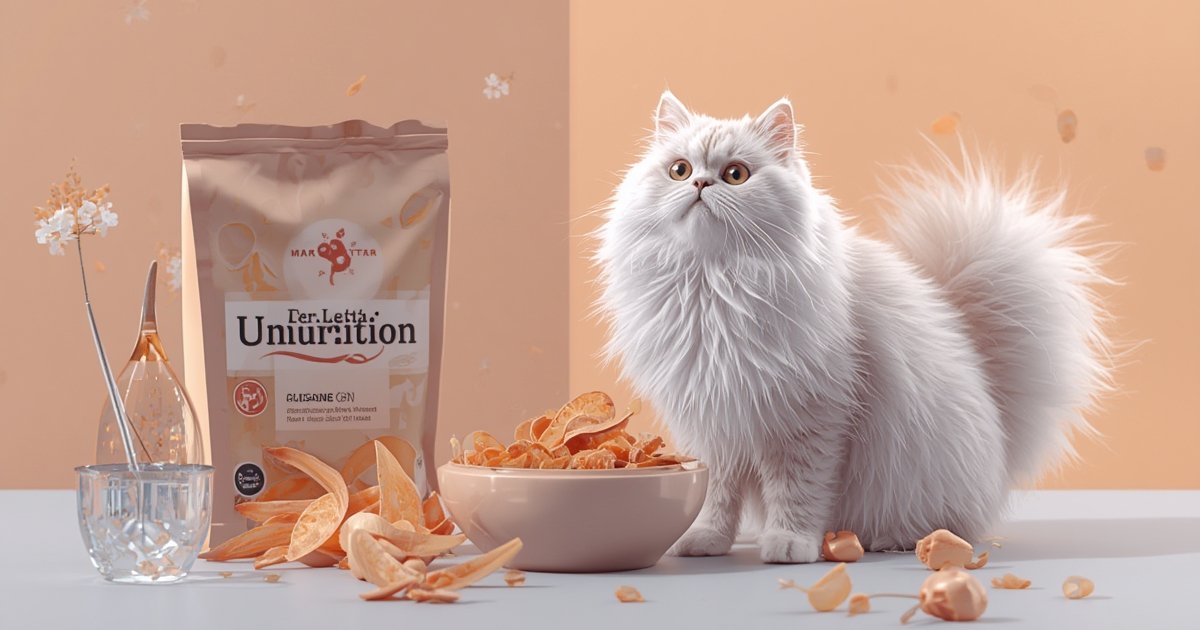
Discover optimal Persian nutrition for 2026. Learn about diet essentials, choosing the best food, tackling common issues, and ensuring your Persian cat thrives with expert tips.
The regal Persian cat, with its luxurious coat and sweet disposition, is truly a jewel among felines. Ensuring their health and longevity requires meticulous care, and at the heart of that care lies optimal Persian nutrition. As we look towards 2026, understanding the specific dietary needs of these magnificent creatures becomes even more crucial for maintaining their iconic beauty and robust well-being. A well-balanced diet is not just about sustenance; it’s about preventing health issues, enhancing coat quality, and supporting their overall vitality. This comprehensive guide will help you navigate the complexities of feline diets to provide the very best for your cherished Persian companion.
Understanding the Unique Nutritional Needs of Persian Cats
Persian cats have distinct physiological characteristics that influence their dietary requirements. Their brachycephalic (flat) facial structure means they can struggle with picking up certain kibble shapes, and their long, dense fur makes them prone to hairballs. Moreover, their typically less active indoor lifestyle requires careful caloric management to prevent obesity. Recognizing these specific needs is the first step toward superior Persian nutrition.
Coat Health and Protein Requirements
A Persian cat’s magnificent coat is a defining feature, and its health is directly linked to their diet. High-quality protein is paramount, as fur is primarily composed of protein. A diet rich in animal-based protein sources, such as chicken, turkey, fish, and beef, provides the essential amino acids needed for a strong, lustrous coat and healthy skin. Aim for cat foods where animal protein is listed as the first ingredient.
Beyond protein, essential fatty acids play a crucial role. Omega-3 and omega-6 fatty acids, found in fish oil and flaxseed, are vital for skin hydration and a glossy, tangle-free coat. These nutrients help reduce dryness and flaking, which can contribute to excessive shedding and discomfort for your cat. A deficiency in these fats can lead to a dull, dry coat and increased skin problems.
Digestive Sensitivity and Hairball Management
Persian cats are notorious for hairballs due to their extensive grooming and long fur. While regular grooming helps, a specialized diet can significantly reduce the frequency and severity of hairballs. Look for formulas that include natural fiber sources like psyllium husk or beet pulp. These fibers help move ingested hair through the digestive tract, preventing it from forming troublesome hairballs.
Many Persians also have sensitive digestive systems, making proper Persian nutrition even more important. Some may react poorly to certain grains or artificial additives. Opting for easily digestible ingredients and avoiding common allergens can prevent upset stomachs, vomiting, and diarrhea. Probiotics and prebiotics can also support a healthy gut microbiome, improving digestion and nutrient absorption.
Caloric Balance for a Sedentary Lifestyle
Persian cats are generally less active than many other breeds, often preferring naps and gentle play over vigorous exercise. This sedentary lifestyle means they require fewer calories to maintain a healthy weight. Overfeeding can quickly lead to obesity, which carries a host of health risks, including diabetes, arthritis, and heart disease. Precise portion control and appropriate caloric density in their food are crucial.
Regularly monitoring your Persian’s weight and body condition score is essential. Consult your veterinarian for guidance on the ideal weight range for your individual cat. Adjusting their food intake based on their activity level and age will ensure they remain fit and healthy, promoting longevity and preventing obesity-related complications.
Deciphering Cat Food Labels: What to Look for in 2026
Understanding cat food labels can feel like decoding a secret language, but it’s a critical skill for providing optimal Persian nutrition. The ingredients list, guaranteed analysis, and feeding guidelines all offer vital clues about the quality and suitability of a product. Learning to read these labels effectively empowers you to make informed choices for your feline companion.
High-Quality Protein Sources
The first few ingredients on a cat food label are the most abundant. For a Persian, you want to see named meat sources like “chicken,” “turkey meal,” “salmon,” or “beef” as the primary ingredients. Avoid products that list “meat by-products” or “meat and bone meal” as the sole protein sources, as these can be of lower and inconsistent quality. Cats are obligate carnivores, meaning their diet must be primarily meat-based.
Whole meats provide the most digestible and complete amino acid profile. Meat meals (e.g., chicken meal) are also excellent, as they are rendered forms of meat with moisture removed, resulting in a concentrated protein source. Ensure these protein sources are clearly identified, rather than vague terms.
Essential Fatty Acids: Omega-3s and Omega-6s
Look for sources of essential fatty acids that support skin and coat health, crucial for Persian cats. Ingredients like fish oil (salmon oil, sardine oil), flaxseed, and chicken fat are good indicators. These fats contribute to a shiny coat, reduce skin dryness, and can help manage inflammation. The balance between omega-3 and omega-6 is also important, typically with a higher ratio of omega-6.
These fats are not just for coat health; they also support brain development, vision, and overall cellular function. A diet rich in these beneficial fats can contribute significantly to your Persian’s long-term health and vitality. Check the guaranteed analysis for minimum percentages of these fatty acids.
Carbohydrates and Fillers: Proceed with Caution
While cats don’t strictly require carbohydrates, some are included in commercial cat foods. Look for easily digestible carbohydrates like sweet potato, peas, or brown rice in moderation. Avoid foods with excessive amounts of corn, wheat, or soy, especially if your cat has sensitivities. These ingredients are often used as inexpensive fillers and offer little nutritional value to a carnivore.
Excessive carbohydrates can contribute to weight gain and may not be ideal for a cat’s digestive system. Always prioritize foods with lower carbohydrate content and higher protein. “Grain-free” doesn’t automatically mean better, as some grain-free foods can have high levels of other carbohydrates like potatoes or legumes.
Vitamins, Minerals, and Taurine
A complete and balanced cat food will include a full spectrum of vitamins and minerals. Look for terms like “zinc proteinate,” “iron proteinate,” or “chelated minerals,” which indicate better absorption. Taurine is an essential amino acid for cats; a deficiency can lead to serious heart and eye problems. Ensure that taurine is explicitly listed in the ingredients, particularly in dry kibble.
The presence of a statement like “formulated to meet the nutritional levels established by the AAFCO Cat Food Nutrient Profiles” on the label is crucial. This indicates that the food provides a complete and balanced diet for your cat’s specific life stage (e.g., adult maintenance, all life stages).
Wet vs. Dry vs. Raw: Choosing the Best Diet for Your Persian
The debate over the best type of cat food is ongoing, and each option comes with its own set of advantages and disadvantages. When considering Persian nutrition, it’s essential to weigh these factors against your cat’s individual health needs, preferences, and your lifestyle. A combination of food types is also a viable and often recommended approach.
The Benefits and Drawbacks of Dry Kibble
Dry kibble is convenient, cost-effective, and has a long shelf life. Its crunchy texture can help scrape away tartar from teeth, promoting dental health to some extent. Many dry foods are specially formulated with larger, easier-to-grasp kibble shapes for brachycephalic breeds like Persians, helping them eat more comfortably.
However, dry kibble is low in moisture, which can be a concern for cats who don’t drink enough water. Cats naturally get a significant portion of their hydration from their food. Over-reliance on dry food can potentially contribute to urinary tract issues and kidney problems over time. Also, some kibbles can be high in carbohydrates and less palatable for picky eaters.
Why Wet Food is Often Recommended for Persians
Wet cat food, also known as canned or pâté food, has a high moisture content, typically 70-80%. This significantly contributes to your Persian cat’s hydration, which is vital for kidney and urinary health. The higher moisture content also means it’s often less calorically dense per serving, making it easier to manage weight. Its strong aroma and softer texture are usually more appealing to picky Persians and those with dental issues.
Wet food is often higher in protein and lower in carbohydrates than dry kibble, aligning better with a cat’s carnivorous diet. The main drawbacks include higher cost, shorter shelf life once opened, and the need for refrigeration. For Persian nutrition, many experts recommend incorporating a significant amount of wet food into their diet.
Exploring Raw and Homemade Diets (with caveats)
Raw diets, often referred to as Biologically Appropriate Raw Food (BARF) diets, aim to mimic a cat’s ancestral diet, consisting of raw meat, organs, and bones. Proponents claim benefits such as shinier coats, increased energy, and improved digestion. Similarly, homemade cooked diets allow owners complete control over ingredients, catering specifically to allergies or sensitivities.
However, both raw and homemade diets carry significant risks. Raw food poses bacterial contamination risks (salmonella, E. coli) for both the cat and household members. Homemade diets, whether raw or cooked, are extremely difficult to balance nutritionally without expert veterinary guidance. A deficiency in essential nutrients, particularly taurine, can have devastating health consequences. Always consult a veterinary nutritionist before embarking on such a diet to ensure it is complete and balanced.
Top Persian Nutrition Food Brands: A Comparison for 2026
Choosing the right commercial food brand for your Persian cat can be overwhelming with so many options available. When making your selection, consider brands that specifically cater to breed-specific needs or offer high-quality, easily digestible ingredients. Here’s a comparison of some popular and well-regarded brands that often feature in discussions about optimal Persian nutrition.
| Product | Price | Pros | Cons | Best For |
|---|---|---|---|---|
| Royal Canin Persian Adult | $$$ | Specifically designed kibble shape for Persian jaws. High protein and targeted nutrients for coat and hairball control. | Contains grains (corn, wheat). Can be pricier than some alternatives. | Persian cats with typical breed needs and without grain sensitivities. |
| Blue Buffalo Wilderness Salmon Recipe (Wet) | $$ | Grain-free, high-quality salmon as first ingredient. High moisture content for hydration. | Higher cost per serving than dry food. Strong fish odor may not appeal to all. | Persians needing a high-protein, grain-free wet food and added hydration. |
| Orijen Original Cat Food (Dry) | $$$$ | Biologically appropriate, high in fresh and raw animal ingredients. Very high protein, low carb. | Premium price point. Very rich formula might be too much for some sensitive stomachs. | Active Persians needing a diet extremely rich in animal protein. |
| Wellness Core Original Pâté (Wet) | $$ | Grain-free, protein-rich with various meat sources. Supports digestion and muscle maintenance. | Can be expensive, especially for larger cats. Availability may vary. | Persians with sensitivities to grains and requiring high-quality, balanced wet nutrition. |
Addressing Common Persian Cat Nutritional Challenges
Despite the best intentions, Persian cats can face unique health challenges that often have dietary solutions. Understanding these common issues and how Persian nutrition can help manage or prevent them is vital for their well-being. Proactive dietary adjustments can make a significant difference in their quality of life.
Combating Hairball Issues Through Diet
Hairballs are a common nuisance for Persian owners. Beyond regular grooming, diet plays a huge role. Look for cat foods specifically marketed for “hairball control.” These formulas typically contain increased levels of dietary fiber, which helps move ingested hair through the digestive tract and out with feces, rather than being vomited up. Natural fiber sources like psyllium husk, beet pulp, and cellulose are effective.
Additionally, ensuring adequate hydration through wet food can lubricate the digestive system, further aiding hair passage. Some owners find that adding a small amount of petroleum-free hairball paste or a specific supplement (under veterinary guidance) can also be beneficial in conjunction with a specialized diet.
Managing Weight and Preventing Obesity
Obesity is a widespread problem in domestic cats, and Persians, with their often sedentary lifestyles, are particularly susceptible. Overweight cats face risks of diabetes, arthritis, heart disease, and reduced mobility. Preventing obesity involves strict portion control and feeding appropriate caloric intake. Avoid free-feeding, where food is left out all day. Instead, feed measured meals at set times.
If your Persian is already overweight, a veterinarian can recommend a weight-loss diet. These diets are typically lower in calories and fat but high in protein and fiber to promote satiety and muscle retention. Incorporating more interactive play to increase activity levels will also support healthy weight management.
Dietary Solutions for Sensitive Stomachs and Allergies
Many Persians have sensitive digestive systems, manifesting as vomiting, diarrhea, or constipation. Food allergies or intolerances are common culprits. If you suspect an allergy, a limited-ingredient diet (LID) or a hydrolyzed protein diet may be recommended by your vet. LIDs contain a novel protein source (e.g., duck, venison, rabbit) and a single carbohydrate source, minimizing exposure to common allergens.
Hydrolyzed protein diets break down proteins into tiny components that the immune system doesn’t recognize as allergens. These diets often require a strict 8-12 week trial period to accurately diagnose and manage sensitivities. Avoiding artificial colors, flavors, and preservatives can also benefit cats with sensitive stomachs.
Hydration: A Key Component of Persian Nutrition
Cats generally have a low thirst drive, meaning they may not drink enough water to compensate for a dry diet. This makes hydration a cornerstone of optimal Persian nutrition, especially given their predisposition to certain urinary tract issues. As mentioned, feeding wet food is an excellent way to boost water intake.
Provide multiple fresh water sources around your home, including ceramic or stainless steel bowls, and consider a pet drinking fountain. Many cats prefer moving water, and a fountain can encourage them to drink more. Regularly cleaning water bowls and replenishing them with fresh water will also encourage better hydration habits.
Feeding Schedules, Portion Control, and Supplementation
Establishing a consistent feeding routine, managing portions precisely, and understanding when supplements are truly beneficial are all crucial aspects of comprehensive Persian nutrition. These practices ensure your cat receives the right amount of nutrients at the right time, supporting their overall health and vitality.
Establishing a Consistent Feeding Routine
Cats thrive on routine. Feeding your Persian at consistent times each day helps regulate their digestive system and can reduce anxiety around meal times. Most adult cats do well with two meals per day, roughly 12 hours apart. Kittens, pregnant, or lactating queens may require more frequent feedings.
A fixed schedule also allows you to monitor your cat’s appetite more closely. Any sudden changes in eating habits can be an early indicator of a health issue, and a consistent routine makes these changes easier to spot. Avoid leaving food out all day, as this can lead to overeating and make it difficult to monitor intake.
Accurate Portion Control for Optimal Health
Portion control is paramount for preventing obesity, especially in less active breeds like Persians. The feeding guidelines on cat food packaging are a starting point, but they are often based on the needs of an “average” cat and may need adjustment. Factors like age, activity level, metabolism, and whether your cat is neutered/spayed will influence their individual caloric needs.
Use a kitchen scale to accurately measure dry kibble, as scoops can be inconsistent. For wet food, stick to the recommended can or pouch sizes. Regularly assess your cat’s body condition – you should be able to feel their ribs without seeing them, and they should have a discernible waist. If you’re unsure, consult your veterinarian for precise portion recommendations tailored to your Persian’s specific needs.
When to Consider Nutritional Supplements
For most Persian cats fed a high-quality, complete, and balanced commercial diet, additional supplementation is not necessary. In fact, over-supplementation can be harmful, leading to nutrient imbalances or toxicity. However, there are specific circumstances where supplements may be beneficial, always under the guidance of a veterinarian.
– **Hairball Supplements:** For chronic hairball issues that diet alone cannot fully control, veterinarian-recommended hairball pastes or fiber supplements can help.
– **Joint Supplements:** Older Persians or those with a predisposition to arthritis might benefit from glucosamine and chondroitin supplements to support joint health.
– **Omega Fatty Acids:** If your cat’s coat is particularly dull or dry, or if they have skin issues, an omega-3 supplement (like fish oil) can be beneficial, even if their food contains some.
– **Probiotics:** For cats with ongoing digestive sensitivities, chronic diarrhea, or during/after antibiotic treatment, a probiotic supplement can help restore gut flora.
Never give human vitamins or medications to your cat without specific veterinary advice, as many can be toxic to felines.
The Future of Persian Nutrition: Trends and Innovations for 2026
The field of pet nutrition is constantly evolving, with new research and technologies emerging regularly. As we approach 2026, several trends are shaping the future of Persian nutrition, offering exciting possibilities for even more personalized and effective dietary care. Staying informed about these innovations can help you make the best choices for your cat’s long-term health.
Personalized Diets and Genetic Testing
One of the most significant trends is the move towards personalized pet nutrition. Advances in genetic testing for cats are allowing owners to identify breed-specific predispositions to certain conditions (e.g., polycystic kidney disease in Persians) or sensitivities. This information can then be used to formulate diets tailored precisely to an individual cat’s genetic makeup, minimizing risks and optimizing health.
Beyond genetics, personalized diets can consider a cat’s age, activity level, existing health conditions, and even microbiome analysis. Companies are starting to offer custom-blended foods based on these detailed profiles, moving beyond a one-size-fits-all approach to Persian nutrition.
Probiotics and Prebiotics for Gut Health
The importance of gut health, or the microbiome, is gaining increasing recognition in both human and animal health. Probiotics (beneficial bacteria) and prebiotics (food for these bacteria) are becoming standard inclusions in high-quality cat foods and specialized supplements. A healthy gut microbiome is linked to improved digestion, nutrient absorption, a stronger immune system, and even behavioral well-being.
Expect to see more research and product development in this area, with targeted strains of probiotics for specific feline health issues. Supporting your Persian’s gut health will be a key strategy for overall vitality in the coming years.
Sustainable and Ethical Sourcing
Consumer demand for ethically sourced and sustainable pet food ingredients is on the rise. In 2026, more companies will be transparent about where their ingredients come from, focusing on humane animal welfare practices and environmentally friendly production methods. This includes wild-caught fish, humanely raised meats, and plant-based ingredients from sustainable farms.
While primarily an ethical concern, sustainable sourcing often correlates with higher quality ingredients. For conscious pet owners, choosing brands committed to these practices will be an increasingly important factor in their Persian nutrition decisions.
Ensuring optimal Persian nutrition is a journey that evolves with your cat’s age, health, and the advancements in feline dietary science. By prioritizing high-quality protein, managing hydration, understanding labels, and addressing specific challenges like hairballs and weight, you lay the foundation for a vibrant and healthy life for your beloved Persian. Always consult with your veterinarian to tailor dietary choices to your individual cat’s unique needs. Their expertise is invaluable in navigating the world of cat nutrition and ensuring your Persian thrives.
For further personalized advice, or to discuss specific dietary concerns for your Persian cat, please do not hesitate to reach out to our team of pet health experts at Dax AI. Your cat’s health is our priority.
Frequently Asked Questions (FAQ)
How often should I feed my Persian cat?
Most adult Persian cats do well with two meals per day, roughly 12 hours apart. Kittens, senior cats, or those with specific health conditions may require more frequent, smaller meals. Always refer to your veterinarian’s advice and the feeding guidelines on your cat food packaging, adjusting as needed based on your cat’s activity level and weight.
Is a grain-free diet necessary for Persians?
A grain-free diet is not inherently necessary for all Persian cats. While some cats may have sensitivities or allergies to certain grains, many do not. The quality of ingredients, particularly the protein source, and overall balance of the diet are more important than whether it contains grains. If you suspect your cat has a grain sensitivity, consult your veterinarian for proper diagnosis and dietary recommendations.
What are the signs of poor Persian nutrition?
Signs of poor Persian nutrition can include a dull, dry, or flaky coat, excessive shedding, skin issues, weight loss or gain, lethargy, poor dental health, chronic digestive upset (vomiting, diarrhea), or a weakened immune system. Any persistent change in your cat’s health or behavior warrants a visit to your veterinarian.
Can I give my Persian cat human food?
While some human foods are safe for cats in very small amounts (e.g., plain cooked chicken or salmon), many are not and can be toxic or cause digestive upset. Never give your cat onions, garlic, chocolate, grapes, raisins, alcohol, or caffeine. Human food should never replace a complete and balanced cat diet. Always consult your vet before introducing any new food.
How do I transition my Persian cat to a new food?
Transitioning your Persian cat to a new food should be done gradually over 7-10 days to avoid digestive upset. Start by mixing 25% new food with 75% old food for 2-3 days. If tolerated, increase to 50% new food for another 2-3 days, then 75% new food for 2-3 days, until you are feeding 100% new food. Monitor your cat for any signs of digestive distress during this period.
Leave a Reply