

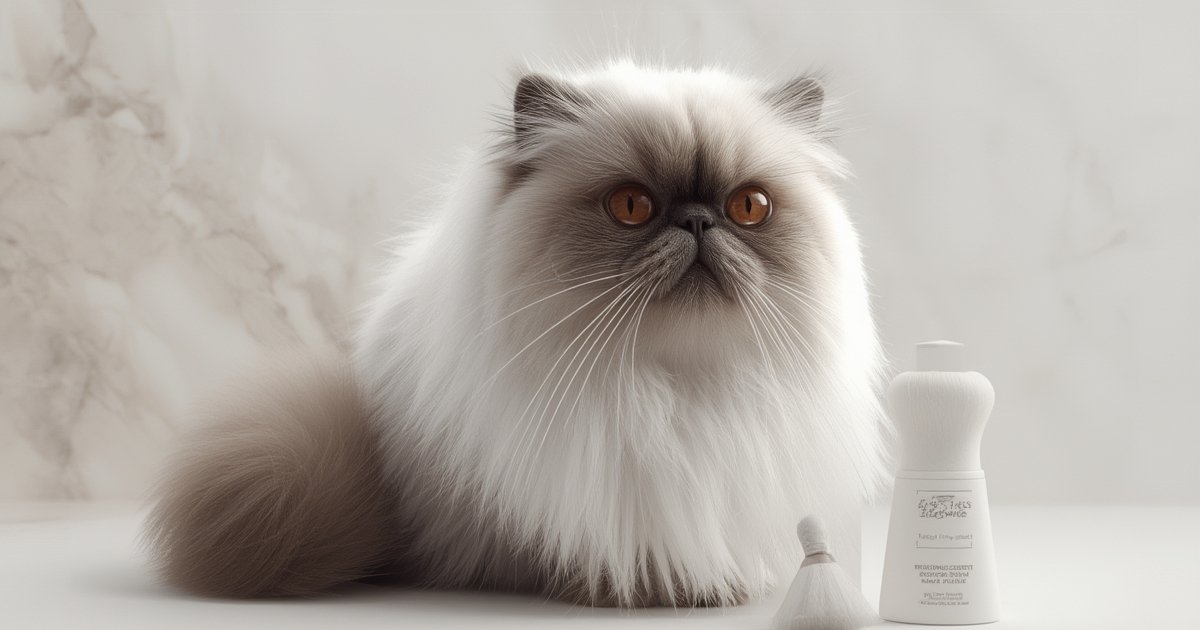
Unlock the secrets to pristine Persian Grooming! Discover daily routines, essential tools, and expert tips for maintaining your Persian cat’s majestic coat with effortless elegance.
Unveiling the Majesty: The Unique World of Persian Cat Coats
There’s an undeniable allure to the Persian cat, with its distinctive flat face, sweet expression, and, most notably, its magnificent long, flowing coat. This luxurious fur is a hallmark of the breed, a testament to centuries of selective breeding that has resulted in one of the most beautiful and high-maintenance coats in the feline world. Proper Persian Grooming isn’t just about aesthetics; it’s a critical component of their health and well-being.
The Persian cat’s double coat consists of a dense undercoat and a long, silky outer coat. This combination, while stunning, is prone to matting, tangles, and the accumulation of debris. Without consistent care, their fur can quickly become matted, leading to skin irritation, infections, and discomfort. Understanding the unique challenges and rewards of this regal coat is the first step towards mastering the art of effortless elegance in your daily Persian Grooming routine.
Beyond the fur itself, Persian cats also have unique facial structures that require special attention. Their brachycephalic (flat) faces often lead to tear staining and potential breathing issues, which are also part of a comprehensive grooming regimen. Embracing these specific needs ensures your feline companion not only looks splendid but also feels comfortable and healthy, making the daily grooming ritual a bonding experience rather than a chore.
Equipping Your Grooming Arsenal: Essential Tools for Persian Perfection
Successful Persian Grooming hinges on having the right tools. Investing in quality equipment will make the process smoother for both you and your cat, transforming a potentially daunting task into a manageable daily routine. A well-stocked grooming kit is paramount for keeping your Persian’s coat in pristine condition and preventing common issues like matting and skin problems.
Here are the fundamental tools every Persian cat owner should have:
- – **Slicker Brush:** This brush is your primary weapon against tangles and mats. Its fine, short wires are excellent for removing loose hair from both the topcoat and the undercoat, helping to prevent mats before they form.
- – **Metal Comb (Wide-toothed and Fine-toothed):** A good quality metal comb is indispensable. Start with the wide-toothed side to gently work through larger tangles, then switch to the fine-toothed side to ensure all small knots are removed and to check for fleas or debris.
- – **Mat Splitter or Dematting Tool:** For those stubborn mats that inevitably occur, a mat splitter can carefully cut through the mat without damaging too much surrounding fur. Use with extreme caution.
- – **Blunt-nosed Scissors:** Essential for carefully trimming small mats close to the skin or around sensitive areas like the eyes, paws, and sanitary region. Always use blunt-nosed scissors to prevent accidental injury.
- – **Cat-specific Shampoo and Conditioner:** Choose formulas designed for long-haired cats, preferably tearless for facial areas, and free of harsh chemicals that could irritate sensitive skin.
- – **High-Velocity Pet Dryer:** While optional, a good pet dryer can significantly speed up drying time after baths, preventing chilling and ensuring the coat is thoroughly dry to prevent matting.
- – **Cotton Balls or Soft Cloths:** For gently cleaning around the eyes and ears.
- – **Eye Cleaner:** A vet-approved solution for daily tear stain removal.
- – **Nail Clippers (Guillotine or Scissor-style):** Regular nail trimming is crucial for your cat’s comfort and to protect your furniture.
- – **Dental Care Kit:** Includes a cat toothbrush and enzymatic toothpaste to maintain oral hygiene.
Comparing Top Grooming Gadgets for Your Persian
While traditional tools are the backbone of Persian grooming, modern innovations can make some aspects easier and more efficient. Here’s a look at some specialized gadgets that can elevate your routine.
| Product | Price | Pros | Cons | Best For |
|---|---|---|---|---|
| Wahl Pet Pro Grooming Kit | $70-100 | All-in-one kit with clippers, scissors, combs. Durable and reliable. Quiet motor for less stress. | Clippers may not be powerful enough for very dense mats. May require additional specialized brushes. | New owners, all-around home grooming, regular touch-ups. |
| Pet Grooming Vacuum Attachment Kit | $40-80 | Connects to most vacuums, removes loose hair directly into the canister, reduces shedding around the house. | Can be noisy and frightening for some cats. Requires a compatible vacuum. | Shedding management, reducing allergens, cats tolerant of vacuum noise. |
| Happy Hoodie for Pets | $15-25 (2-pack) | Soft, stretchy fabric band covers ears, muffles loud noises during grooming/drying, reduces anxiety. | Some cats may still resist. Only addresses noise-related anxiety. | Anxious cats, during drying with high-velocity dryers, nail trims. |
| LickiMat Soother with Suction Cup | $10-20 | Suction cup allows attachment to shower wall or floor, spreads wet food/treats to distract cat during baths or brushing. | Not all cats are food-motivated. Requires regular cleaning. | Distracting cats during baths, nail trims, or intense brushing sessions. |
The Daily Ritual: A Step-by-Step Guide to Effortless Persian Grooming
Consistency is key when it comes to Persian Grooming. Establishing a daily routine will not only keep your cat looking beautiful but also allow you to bond and identify any potential health issues early. This daily commitment is a small price to pay for the joy and companionship your Persian brings.
1. Daily Brushing: The Foundation of a Flawless Coat
The most important step in daily Persian Grooming is thorough brushing. This should be done for at least 15-20 minutes every day.
- – **Preparation:** Find a calm, comfortable spot. Start by gently talking to your cat and offering a treat.
- – **Slicker Brush First:** Use the slicker brush to carefully work through the entire coat, moving in the direction of hair growth. Pay special attention to areas prone to matting: under the legs, behind the ears, on the belly, and around the “mane.”
- – **Section by Section:** For thoroughness, try brushing in sections. Lift layers of fur and brush from the skin outwards. This helps remove the undercoat and prevents mats from forming close to the skin.
- – **Metal Comb Follow-up:** After using the slicker brush, go over the entire coat with a wide-toothed metal comb, then the fine-toothed side. The comb should glide smoothly through the fur. If it snags, you’ve found a tangle that needs gentle detangling.
- – **Detangling Knots:** If you encounter a knot, do not pull. Gently work it out with your fingers first. If it’s stubborn, use the wide-toothed comb to tease it apart, holding the fur at the base of the knot to prevent pulling on the skin. A mat splitter may be needed for severe mats (see troubleshooting section).
2. Eye and Face Cleaning: Maintaining Purity
Persian cats are known for their beautiful, expressive eyes, but their flat faces make them prone to tear staining. Daily cleaning is essential to prevent unsightly stains and skin irritation.
- – **Gentle Wipe:** Dip a cotton ball or soft cloth in warm water or a vet-approved eye cleaner. Gently wipe around your cat’s eyes, being careful not to touch the eyeball itself.
- – **Remove Stains:** For persistent tear stains, a specialized tear stain remover (always check with your vet for safe options) can be applied according to product instructions. Consistency is key here.
- – **Nose Folds:** If your Persian has prominent facial folds, gently wipe these areas clean as well to prevent moisture and bacteria buildup, which can lead to skin fold dermatitis.
3. Ear Cleaning: A Quick Check-Up
Regular ear checks are an important part of overall Persian Grooming.
- – **Visual Inspection:** Lift your cat’s ears and visually inspect the ear canal. It should be clean and pale pink, free of excessive wax, redness, or foul odor.
- – **Gentle Wipe:** If you see a small amount of dirt or wax, use a cotton ball moistened with a vet-approved ear cleaner to gently wipe the visible parts of the outer ear. Never insert anything into the ear canal.
- – **Vet Visit:** If you notice excessive wax, a strong odor, redness, or your cat is shaking its head or scratching its ears frequently, consult your veterinarian.
4. Dental Hygiene: A Smile That Shines
Just like humans, cats need dental care to prevent plaque, tartar buildup, and gum disease.
- – **Daily Brushing:** Ideally, brush your cat’s teeth daily using a cat-specific toothbrush and enzymatic toothpaste (never human toothpaste).
- – **Technique:** Gently lift your cat’s lip and brush the outer surfaces of the teeth. Focus on the gum line.
- – **Alternative:** If daily brushing is not feasible, aim for several times a week. Dental treats, water additives, or specialized diets can also help, but brushing is the most effective method.
5. Nail Trimming: Keeping Paws Prim and Proper
Regular nail trims prevent nails from becoming overgrown, which can be painful for your cat and damaging to your furniture.
- – **Frequency:** Aim to trim your cat’s nails every 2-4 weeks.
- – **Technique:** Hold your cat’s paw firmly and gently press on the toe pad to extend the nail. Only snip the very tip of the white part of the nail, avoiding the pink “quick” which contains blood vessels and nerves.
- – **Positive Reinforcement:** Offer treats and praise to make nail trimming a positive experience. If you’re unsure, ask your vet or a professional groomer to demonstrate.
Navigating Common Challenges in Persian Grooming
Even with a diligent daily routine, Persian cats present unique grooming challenges. Knowing how to effectively address these can save you time, stress, and potential vet visits.
Tackling Mats: Prevention and Gentle Removal
Mats are the nemesis of every Persian cat owner. They form when loose fur intertwines and knots together, often pulling on the skin and causing discomfort. Prevention is always better than cure in Persian Grooming.
- – **Consistent Brushing:** The best defense is a strong offense—daily, thorough brushing, especially in high-friction areas.
- – **Identifying Early:** Feel for small bumps under the fur during your daily routine. Catching them early makes removal much easier.
- – **Working a Mat:** For small, surface mats, try to gently tease them apart with your fingers or the wide-toothed metal comb. Apply a detangling spray designed for cats if needed.
- – **Mat Splitters:** For more stubborn mats, a mat splitter can be used. Hold the fur at the base of the mat to prevent pulling the skin, and carefully slice through the mat. Never use regular scissors to cut mats close to the skin, as it’s easy to cut the cat’s skin due to its thinness and how mats pull it up.
- – **Professional Help:** For severe, pelted mats, it’s safest to consult a professional groomer or your veterinarian. They can safely shave off the mats without injuring your cat. Sedation might be necessary for extensive matting.
Conquering Tear Stains: Beyond Daily Wipes
While daily cleaning helps, some Persians are prone to significant tear staining due to their facial structure and genetics. Persistent reddish-brown stains can be frustrating.
- – **Dietary Influence:** Some suggest that certain ingredients in cat food can contribute to tear staining. Discuss with your vet if a change in diet could help, focusing on high-quality, grain-free options.
- – **Filtered Water:** Using filtered or distilled water instead of tap water can sometimes reduce mineral deposits that exacerbate staining.
- – **Professional Products:** There are various over-the-counter products specifically designed to reduce tear stains. Always read reviews and consult your vet before introducing new products to ensure they are safe for your cat and effective for their specific issue.
- – **Underlying Health Issues:** Excessive tearing can sometimes indicate an underlying health issue such as allergies, blocked tear ducts, or an eye infection. If you notice a sudden increase in tearing or discharge, a vet visit is imperative.
Bathing Your Persian: A Necessary Evil
While often dreaded by both cat and owner, regular bathing (every 4-6 weeks) is crucial for keeping your Persian’s long coat clean, free of oils, and manageable.
- – **Preparation is Key:** Brush out all tangles and mats *before* the bath. Mats will tighten when wet and become impossible to remove.
- – **Gather Supplies:** Have everything ready: cat-specific shampoo, conditioner, several towels, a non-slip mat for the tub, and a cup for rinsing.
- – **Water Temperature:** Use lukewarm water. Ensure the water level is not too high.
- – **Gentle Washing:** Wet your cat thoroughly, apply shampoo, and gently massage it into the fur, working from neck to tail. Be careful around the face; use a damp cloth for that area.
- – **Thorough Rinsing:** This is critical. Residual shampoo can irritate the skin and make the coat greasy. Rinse until the water runs completely clear. Follow with conditioner if desired, and rinse thoroughly again.
- – **Drying:** Gently squeeze excess water from the coat. Wrap your cat in a warm towel. For best results and to prevent matting, use a pet-specific hairdryer on a low, cool setting. Brush while drying to ensure the coat is smooth and completely dry.
Beyond the Brush: Diet, Health, and Professional Support
While daily brushing and targeted cleaning are the cornerstones of Persian Grooming, a truly elegant and healthy cat requires a holistic approach that extends beyond the grooming table. Their diet, overall health, and sometimes, the intervention of professionals, play equally vital roles.
The Link Between Diet and Coat Health
What your Persian cat eats has a direct impact on the luster, strength, and overall health of their coat. A poor diet can lead to dull, brittle fur, excessive shedding, and skin problems.
- – **High-Quality Protein:** Ensure your cat’s diet is rich in high-quality animal protein, which is essential for healthy hair growth.
- – **Omega Fatty Acids:** Look for cat foods that include omega-3 and omega-6 fatty acids (like those found in fish oil or flaxseed). These promote a shiny coat, healthy skin, and can even help reduce shedding.
- – **Vitamins and Minerals:** A balanced diet with adequate vitamins (especially B vitamins) and minerals (like zinc) is crucial for skin and coat integrity.
- – **Hydration:** Always provide access to fresh, clean water. Good hydration is essential for skin elasticity and overall health, which in turn supports a healthy coat.
Recognizing When to Seek Professional Grooming
Even the most dedicated owner may find some aspects of Persian Grooming challenging, or encounter situations that require expert intervention. Professional groomers have specialized tools, techniques, and experience that can be invaluable.
- – **Severe Matting:** If your cat develops extensive, tight mats close to the skin, attempting to remove them yourself can be painful and dangerous. A professional groomer can safely shave them out, often using specialized clippers.
- – **Difficult Temperament:** Some cats simply do not tolerate grooming well, making tasks like bathing or nail trimming a battle. A professional groomer is trained to handle anxious or aggressive cats safely and effectively.
- – **Time Constraints:** If your schedule doesn’t allow for daily, thorough grooming, a professional groomer can provide regular maintenance baths, brush-outs, and trims to keep your Persian’s coat in top condition.
- – **Health Concerns:** If you notice skin irritations, persistent ear issues, or unusual lumps during grooming, always consult your veterinarian first. Groomers are not veterinarians and cannot diagnose or treat medical conditions.
The Role of Veterinary Care
Routine veterinary check-ups are fundamental to your Persian’s overall health, which inherently influences their grooming needs. A healthy cat will have a healthier coat and fewer grooming-related issues.
- – **Parasite Prevention:** Your vet will recommend appropriate flea, tick, and worm prevention, which directly impacts skin and coat health.
- – **Allergy Management:** If your Persian suffers from allergies (environmental or food-related), these can manifest as skin irritation, excessive scratching, and poor coat quality. Your vet can help diagnose and manage these conditions.
- – **Dental Health:** Regular dental check-ups and professional cleanings by a vet are crucial for preventing periodontal disease, which can lead to pain and systemic health issues.
- – **Monitoring Overall Health:** Your vet can spot early signs of illness or conditions that might affect your cat’s ability to groom itself or maintain a healthy coat.
Mastering the art of Persian Grooming is a journey, not a destination. It requires patience, consistency, and a deep understanding of your beloved feline’s unique needs. By embracing a holistic approach that combines daily care with proper nutrition and regular veterinary oversight, you can ensure your Persian cat lives a comfortable, healthy, and majestically elegant life. The bond you build through these dedicated moments of care will be as beautiful and enduring as their stunning coat.
Ready to enhance your Persian’s daily routine? Explore our comprehensive resources on feline health and wellness to discover more tips and products that can simplify your journey to effortless elegance. Contact us today for personalized advice and recommendations!
Frequently Asked Questions About Persian Grooming
How often should I brush my Persian cat?
Persian cats require daily brushing, ideally for 15-20 minutes, to prevent mats and tangles due to their dense, long coats. Consistency is key to maintaining their fur’s health and beauty.
What is the best way to deal with tear stains on a Persian cat?
Daily gentle cleaning with a warm, damp cloth or a vet-approved eye cleaner is crucial. For persistent stains, consider specialized tear stain removers after consulting your vet, and review their diet and water source for potential improvements.
How often should I bathe my Persian cat?
Most Persian cats benefit from a bath every 4-6 weeks to keep their coat clean, free of oil buildup, and manageable. Always thoroughly brush out any mats before bathing to prevent them from tightening.
Is it safe to trim mats out of my Persian cat’s fur myself?
Small, surface mats can sometimes be carefully teased apart with fingers or a wide-toothed comb. For larger or tight mats close to the skin, it’s highly recommended to use a mat splitter with extreme caution or, ideally, seek a professional groomer or veterinarian to prevent accidental injury to your cat’s delicate skin.
What kind of food is best for a Persian cat’s coat health?
Look for high-quality cat food rich in animal protein and essential fatty acids like Omega-3 and Omega-6. These nutrients are vital for a healthy, shiny coat and overall skin health. Always ensure they have access to fresh, clean water.
Leave a Reply