

Meta Description: Master Persian grooming for a stunning coat! Discover secrets, tools, and step-by-step guides to keep your feline fluffy and healthy in 2026.
Understanding the Magnificent Persian Coat
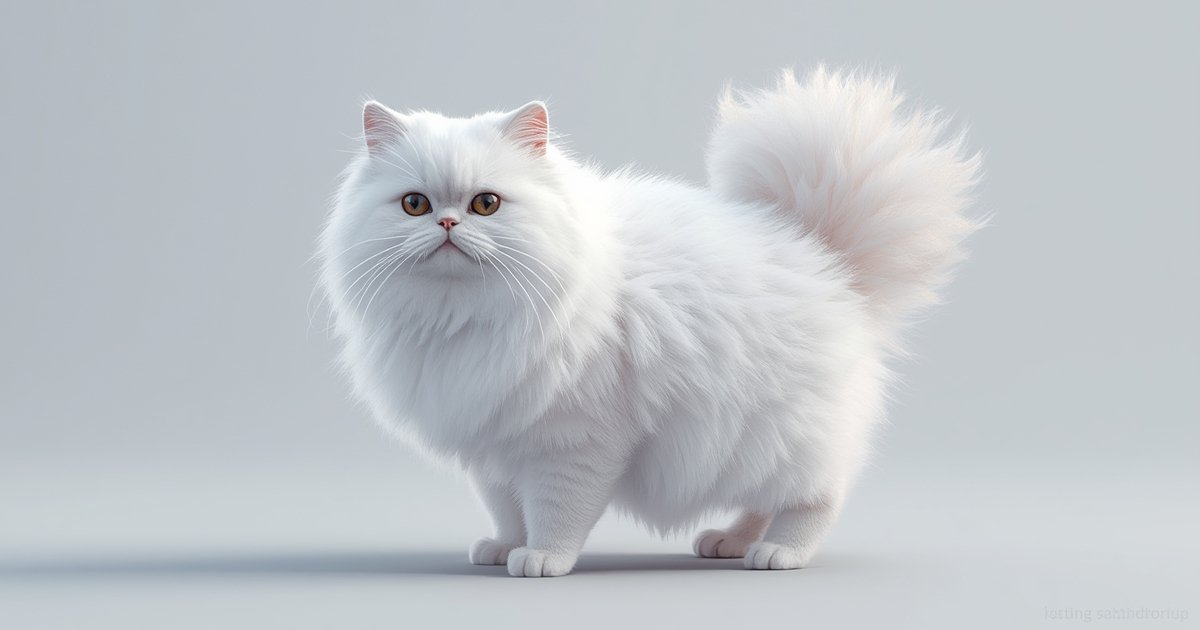
The Persian cat, with its aristocratic air and luxurious long coat, is a breed synonymous with elegance. Their flowing fur is undeniably beautiful, but achieving and maintaining that iconic fluff requires dedication and the right approach to Persian grooming. Far from being just a cosmetic chore, consistent Persian grooming is crucial for their health, comfort, and overall well-being. Neglecting their magnificent mane can lead to painful mats, skin issues, and even behavioral problems, making a proactive grooming routine essential for every Persian owner.
In 2026, with new tools and refined techniques, keeping your Persian’s coat pristine is more achievable than ever. This guide will walk you through the secrets to unlocking your Persian cat’s fluffiest potential, ensuring they remain a picture of health and beauty.The Unique Challenges of Persian Fur
Persian cats possess a double coat: a soft, dense undercoat and long, silky guard hairs. This combination is what gives them their volume and warmth, but it also makes them prone to matting. The fine undercoat can easily tangle with the longer outer coat, especially in areas like the armpits, belly, and behind the ears, creating knots that can quickly become large, painful mats if not addressed.
Beyond mats, Persians are also known for shedding, particularly seasonally. Regular grooming helps manage this shedding, reducing the amount of fur around your home and preventing hairballs, which can be a significant health concern for long-haired breeds. A proper Persian grooming regimen also stimulates blood circulation, distributing natural oils that keep the skin and coat healthy and shiny.Essential Tools for Effective Persian Grooming
Having the right arsenal of grooming tools is half the battle when it comes to maintaining a Persian’s coat. Investing in high-quality brushes, combs, and bathing supplies designed for long-haired breeds will make your grooming sessions more efficient and comfortable for both you and your cat. Attempting Persian grooming with inadequate tools can be frustrating and even harmful.
Here’s a breakdown of the must-have items for your grooming kit:
- Slicker Brush: Ideal for removing loose hair and detangling the outer coat without pulling.
- Metal Comb (Wide-toothed and Fine-toothed): Essential for working through mats and ensuring no tangles remain. The wide-toothed end starts the process, and the fine-toothed end finishes it.
- De-matting Tool or Mat Splitter: A specialized tool for safely breaking down tough mats without causing discomfort.
- Nail Clippers: Keeping nails trimmed prevents them from snagging on carpets or causing injury.
- Cat-Specific Shampoo and Conditioner: Formulated for a cat’s delicate skin and pH balance, these products are crucial for bathing.
- Eye Wipes and Ear Cleaner: For managing tear stains and maintaining ear hygiene.
- High-Velocity Dryer (Pet-specific): Speeds up drying time significantly after bathing and helps fluff the coat.
Comparison of Top Grooming Brushes for Persians
Selecting the right brush is paramount for effective Persian grooming. Different brushes serve different purposes, and a combination is often best. Here’s a look at some popular options:
| Product | Price | Pros | Cons | Best For |
|---|---|---|---|---|
| Hertzko Self-Cleaning Slicker Brush | $15-$20 | Retractable bristles for easy cleaning, effective for removing loose hair and light tangles. Gentle on the skin. | May not penetrate very dense undercoats as deeply as some specialized brushes. | Daily brushing, removing surface tangles, maintaining fluff. |
| Chris Christensen Big G Slicker Brush | $50-$70 | Ergonomic design, dense and long pins reach deep into the undercoat, excellent for de-matting and fluffing. Professional grade. | Higher price point, can be overwhelming for new groomers if not used carefully. | Serious mat prevention, deep detangling, achieving maximum fluff. |
| Andis Pet Steel Grooming Comb | $10-$15 | Two comb densities (coarse/fine) for versatile detangling, durable stainless steel construction. Essential for checking for mats. | Not designed for bulk hair removal, purely for detangling and finishing work. | Post-brushing mat checks, finishing touches, delicate areas like face and legs. |
The Step-by-Step Persian Grooming Routine
A consistent grooming schedule is the cornerstone of a healthy, beautiful Persian coat. Ideally, you should aim for daily brushing and a bath every 4-6 weeks, or as needed. Establishing a routine early in your cat’s life will help them become accustomed to the process, making it less stressful for everyone involved. Remember, patience and positive reinforcement are key to successful Persian grooming.
Daily Brushing and Detangling
Daily brushing is non-negotiable for Persians. It prevents mats from forming, removes loose hair, and distributes natural oils. Start by making grooming a calm and positive experience. Offer treats and gentle praise.
- Gather Your Tools: Have your slicker brush and metal comb ready.
- Start Gentle: Begin with the slicker brush, working in small sections, always brushing in the direction of hair growth. Start from the head and work your way down the body, paying special attention to the chest, armpits, stomach, and hind legs where mats are common.
- Layer Brushing: For truly fluffy coats, use a technique called “line brushing.” Part the hair and brush the undercoat upwards, then let the top coat fall back over. This ensures you’re reaching all layers.
- Comb Through: After brushing a section, follow up with your wide-toothed metal comb to check for any remaining tangles. If the comb glides through smoothly, that section is mat-free. If you encounter a snag, gently work it out with the comb or a de-matting tool.
- Address Mats Promptly: If you find a small mat, try to gently tease it apart with your fingers, then use the wide-toothed comb. For larger, tighter mats, a mat splitter or blunt-nosed scissors can be used carefully, cutting *away* from the skin. If a mat is too close to the skin or too large, it’s best to consult a professional groomer or veterinarian to avoid injuring your cat.
Bathing Your Persian Cat
Bathing a Persian can seem daunting, but it’s essential for keeping their coat clean, free of oils that attract dirt, and preventing skin issues. Aim for a bath every 4-6 weeks. Ensure you have cat-specific shampoo, conditioner, a couple of towels, and a pet-safe dryer ready.
- Pre-Bath Prep: Thoroughly brush your cat before bathing to remove any mats or loose hair. Water will only tighten mats, making them impossible to remove.
- Lukewarm Water: Use lukewarm water, not hot, and introduce your cat to the bath slowly. A non-slip mat at the bottom of the tub can help them feel more secure.
- Shampoo Application: Wet your cat’s fur thoroughly, then apply a diluted cat-specific shampoo. Work it gently through their coat, avoiding their eyes and ears. Use a washcloth for their face.
- Rinse, Rinse, Rinse: This is crucial! Ensure all shampoo is completely rinsed out to prevent skin irritation and residue buildup. Conditioners help detangle and add shine.
- Condition and Rinse Again: Apply cat-specific conditioner, let it sit for a few minutes as per instructions, then rinse thoroughly.
- Towel Dry: Gently squeeze excess water from their fur, then wrap them in a clean towel.
- Blow Dry: Use a low-heat, pet-specific blow dryer to dry their coat completely. This helps prevent matting and ensures their undercoat is dry, which can take a long time. Brush gently as you dry to fluff the coat and prevent tangles.
Tackling Common Persian Grooming Challenges
Despite best efforts, certain challenges are common in Persian grooming. Knowing how to address them effectively can save you time, stress, and discomfort for your feline friend.
Managing Mats and Tangles
Mats are the bane of Persian owners. Prevention is key, but when they do appear, a strategic approach is vital. Never pull at a mat, as this is painful for your cat. Instead, use a de-matting tool or carefully cut them out with blunt-nosed scissors. Always insert a comb between the mat and the skin before cutting to protect their delicate skin. If mats are severe or widespread, a professional groomer or vet can shave them out safely.
Regular application of a detangling spray or a light conditioning spray during daily brushing can also help prevent new mats from forming by lubricating the hair shafts and making them less prone to tangling.
Combating Tear Stains
Persian cats are known for their brachycephalic (flat) faces, which can lead to excessive tearing and subsequent tear stains around their eyes. These reddish-brown stains are caused by porphyrins, pigments in their tears that oxidize when exposed to air.
To manage tear stains, gently wipe your cat’s eyes daily with a soft, damp cloth or a specialized pet eye wipe. Ensure the area is kept dry, as moisture can lead to yeast infections. In some cases, dietary changes or supplements recommended by your vet can help reduce tearing. Regular Persian grooming includes attention to these details.
Shedding Season Strategies
Persians shed year-round, but more intensely during seasonal changes. During these periods, you’ll want to increase your brushing frequency, possibly to twice a day. A deshedding tool can be helpful, but use it sparingly and gently to avoid irritating the skin or damaging the coat. A good bath during shedding season can also help release a lot of loose undercoat, making subsequent brushing more effective.
Ensuring your cat is well-hydrated and fed a high-quality diet rich in Omega-3 and Omega-6 fatty acids can also contribute to a healthier coat and potentially reduce excessive shedding.
Dietary and Health Impact on Coat Quality
A beautiful, fluffy coat isn’t just about external Persian grooming; it’s also a reflection of internal health. A balanced diet and good overall health play a crucial role in the luster, thickness, and manageability of your Persian’s fur.
Nutrition for a Radiant Coat
The food your cat eats provides the building blocks for healthy skin and hair. Look for cat foods that list high-quality animal protein as the primary ingredient. Essential fatty acids, particularly Omega-3s and Omega-6s, are vital for skin hydration and coat shine. Many premium cat foods are fortified with these nutrients, or you can add supplements as recommended by your veterinarian.
A diet deficient in these nutrients can lead to a dull, dry, brittle coat, and even increased shedding. Ensure your cat has constant access to fresh water, as hydration is also key to healthy skin and hair follicles.
Regular Vet Check-ups
Underlying health issues can manifest as poor coat condition. Skin allergies, parasites, hormonal imbalances, and even dental problems can all impact the quality of your Persian’s fur. Regular veterinary check-ups are essential to catch and address any health concerns early.
Your vet can also provide personalized advice on nutrition, supplements, and specialized Persian grooming techniques tailored to your cat’s specific needs, ensuring their coat remains in peak condition.
Mastering Persian grooming is an ongoing journey of care, patience, and love. By committing to a consistent routine, utilizing the right tools, and understanding your cat’s unique needs, you can ensure their luxurious coat remains a source of pride and comfort. Your fluffy companion deserves the best, and with these 2026 grooming secrets, you’re well-equipped to provide it. Discover more expert tips and join our community by signing up for the Dax AI newsletter today. Your feline friend will thank you!
Frequently Asked Questions About Persian Grooming
How often should I brush my Persian cat?
Persian cats should be brushed daily to prevent mats and remove loose hair. Their double coat is very prone to tangling, and daily brushing significantly reduces the risk of painful mats forming.
What is the best type of brush for a Persian cat?
A combination of tools is best. A slicker brush is excellent for daily use and removing loose hair, while a metal comb (with both wide and fine teeth) is essential for detangling and checking for mats. A de-matting tool can be useful for stubborn knots.
How often should I bathe my Persian cat?
Most Persian cats benefit from a bath every 4-6 weeks. Regular bathing helps keep their coat clean, free of excess oils, and reduces the likelihood of skin issues. Always use cat-specific shampoos and conditioners.
Can I use human shampoo on my Persian cat?
No, you should never use human shampoo on cats. Human shampoos have a different pH balance than cat skin and can cause irritation, dryness, or other skin problems. Always opt for cat-specific grooming products.
What should I do if my Persian cat has a severe mat?
For severe or very large mats, it’s best to seek assistance from a professional groomer or veterinarian. Attempting to cut out tight mats close to the skin can easily injure your cat. They have specialized tools and techniques to remove mats safely and with minimal stress.
How can I prevent tear stains on my Persian cat?
Daily cleaning of the eye area with a damp cloth or pet-specific eye wipes is crucial. Keeping the area dry can prevent yeast growth. If excessive tearing persists, consult your vet to rule out any underlying health issues or recommend specific treatments.
Leave a Reply