

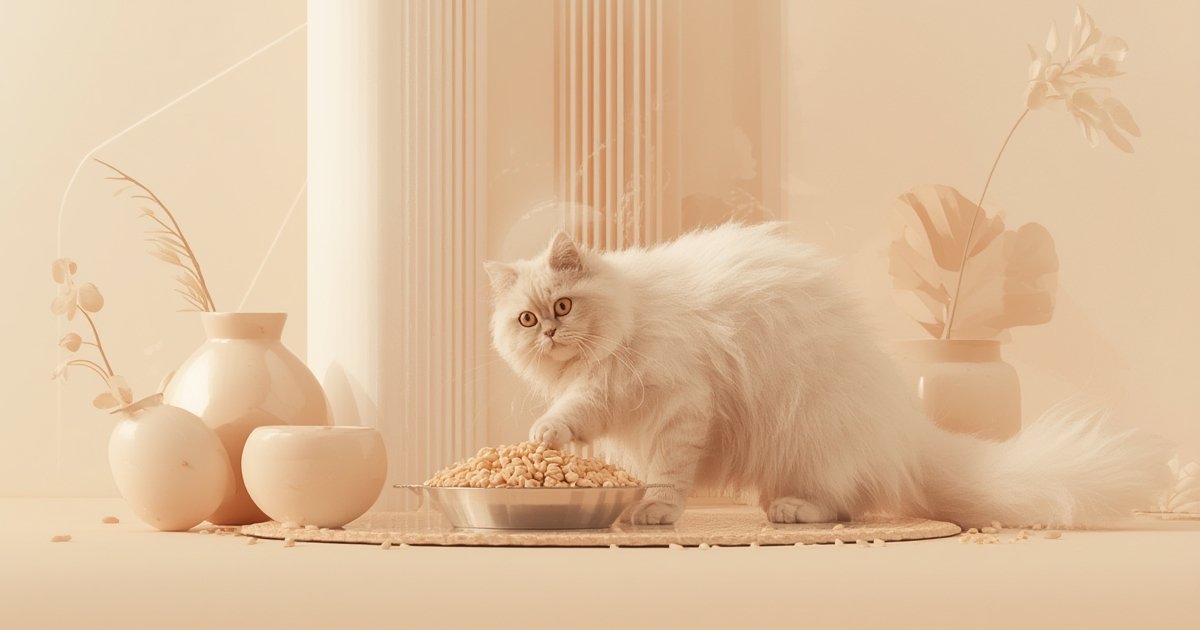
Discover essential 2026 Persian cat nutrition tips to keep your feline friend healthy. Learn about diet types, common mistakes, and expert advice for a vibrant life.
Persian cats, with their majestic long coats and sweet temperaments, are truly a regal breed. Their distinctive features, however, come with specific care requirements, especially when it comes to their diet. Ensuring optimal Persian cat nutrition is not just about filling a bowl; it’s about providing the precise building blocks for their unique physiology, supporting their luxurious fur, flat facial structure, and overall well-being. This guide will walk you through the essential 2026 nutrition insights to keep your beloved Persian thriving, vibrant, and healthy for years to come.
Understanding the Unique Nutritional Needs of Persian Cats
Persian cats are renowned for their stunning appearance, but these very traits also dictate their dietary requirements. Their brachycephalic (flat) face often makes it challenging for them to pick up standard kibble, while their long, thick fur demands specific nutrients for maintenance. Digestive sensitivities are also more common in this breed, making a carefully tailored diet crucial for their overall health.
The Breed-Specific Challenges
The flat face of a Persian cat means they have a unique way of eating. They tend to use the underside of their tongue to scoop up food, rather than grasping it with their teeth. This can lead to difficulty with certain kibble shapes and sizes, potentially causing frustration or inadequate intake. Some cats may even swallow air while eating, leading to digestive discomfort.
Their beautiful long coat is another significant factor. A healthy coat is a direct reflection of a well-balanced diet, particularly rich in essential fatty acids. Poor nutrition can lead to dull, matted fur, increased shedding, and even skin issues. These cats are also prone to hairballs due to their extensive grooming, making fiber content an important consideration in their diet.
Essential Nutrients for Persian Cat Nutrition
Just like all felines, Persian cats are obligate carnivores, meaning their diet must be primarily meat-based. Protein is paramount, providing the amino acids necessary for muscle maintenance, enzyme function, and, of course, that glorious coat. Look for high-quality animal proteins as the first ingredient in any cat food.
Fats are crucial for energy and essential fatty acids like Omega-3 and Omega-6, which are vital for skin health, a glossy coat, and reducing inflammation. Carbohydrates should be limited and come from easily digestible sources, as cats lack the enzymes to process complex carbohydrates efficiently. Vitamins and minerals are also essential, supporting everything from bone health to immune function.
Taurine, an amino acid, is particularly important for cats. It supports heart health and vision, and cats cannot synthesize it themselves, so it must be supplied through their diet. A deficiency can lead to serious health problems. Fiber is another key component, aiding digestion, preventing constipation, and helping to manage hairballs.
Decoding Commercial Cat Food Labels for Your Persian
Navigating the myriad of commercial cat food options can be daunting. Understanding what to look for on a label is critical to making informed choices for your Persian cat’s nutrition. The ingredient list tells the true story of what’s inside the bag or can.
Wet Food vs. Dry Food: What’s Best?
Both wet and dry foods have their advantages, and many Persian owners opt for a combination. Dry kibble is convenient, can help clean teeth, and typically has a higher caloric density per serving. However, its lower moisture content means cats need to drink more water. For Persian cats, specially designed kibble shapes that are easier to pick up can be a game-changer.
Wet food offers excellent hydration, which is particularly beneficial for cats, as they often have a low thirst drive. It can also be more palatable and easier to digest for some cats. However, it’s generally more expensive, spoils faster once opened, and doesn’t offer the same dental benefits as dry kibble. Many experts recommend a diet that incorporates both to maximize benefits.
Ingredients to Look For and Avoid
When scrutinizing food labels, prioritize formulas with real meat as the first ingredient. Examples include chicken, turkey, salmon, or lamb. Meat by-products can be acceptable if they are specified (e.g., “chicken liver”) and come from reputable sources, as they provide valuable nutrients. Look for sources of healthy fats like chicken fat or salmon oil.
Avoid foods with excessive fillers like corn, wheat, or soy, as these can be difficult for cats to digest and offer little nutritional value. Artificial colors, flavors, and preservatives should also be avoided. Carrageenan, a common thickener in wet foods, is also a controversial ingredient that some owners choose to avoid due to potential inflammatory effects. Understanding these distinctions is fundamental to proper Persian cat nutrition.
Comparison of Premium Persian Cat Food Brands
Choosing the right brand tailored for your Persian cat’s unique needs can significantly impact their health. Here’s a comparison of some premium options available in 2026, keeping in mind specific formulations for brachycephalic breeds and coat health.
| Product | Price | Pros | Cons | Best For |
|---|---|---|---|---|
| Royal Canin Persian Adult Dry Food | $40-$55 (3.5lb bag) | Specifically designed kibble for brachycephalic jaws; rich in Omega fatty acids for coat health. | Contains grains; higher price point. | Adult Persian cats with typical breed challenges. |
| Blue Buffalo Wilderness Salmon Wet Food | $30-$45 (12-pack cans) | Grain-free, high-protein formula; excellent hydration; natural ingredients with beneficial antioxidants. | Can be messy; higher cost per serving than dry food. | Persian cats needing high moisture content and sensitive stomachs. |
| Hill’s Science Diet Indoor Adult Chicken Recipe | $35-$50 (4lb bag) | Balanced nutrition for indoor cats; digestible fibers for hairball control; moderate calorie count. | Not specifically formulated for flat-faced breeds; may require larger kibble size. | Persian cats prone to hairballs and weight management. |
| Taste of the Wild Canyon River Feline Recipe | $38-$52 (5lb bag) | Grain-free, made with novel proteins like trout and smoked salmon; probiotics for digestive health. | Kibble size may not be optimized for Persian facial structure. | Persian cats with sensitivities to common proteins and needing digestive support. |
The Role of Hydration and Supplements in Persian Cat Nutrition
Beyond solid food, water is arguably the most critical nutrient for your cat. Coupled with targeted supplements when necessary, it forms a complete picture of optimal Persian cat nutrition, supporting everything from kidney function to joint health.
Ensuring Adequate Water Intake
Cats naturally have a low thirst drive, stemming from their desert-dwelling ancestors who obtained most of their moisture from prey. In a domestic setting, especially with a dry kibble diet, this can lead to chronic mild dehydration, contributing to urinary tract issues and kidney problems. Encouraging water intake is therefore paramount.
Here are ways to ensure your Persian cat drinks enough:
– Provide multiple water bowls around the house.
– Use wide, shallow bowls that don’t irritate their sensitive whiskers.
– Consider a pet drinking fountain; many cats are attracted to moving water.
– Offer filtered water, as some cats are particular about taste.
– Incorporate wet food into their diet to increase moisture intake.
When Are Supplements Necessary?
A well-balanced, high-quality commercial cat food should ideally provide all the nutrients your Persian cat needs. However, there are instances where supplements can be beneficial, always under the guidance of a veterinarian.
– **Omega-3 Fatty Acids:** For coat health, skin issues, and anti-inflammatory benefits, especially for senior cats with joint pain. Sources include fish oil.
– **Probiotics:** To support digestive health, particularly for cats with sensitive stomachs, chronic diarrhea, or during antibiotic treatment.
– **Hairball Remedies:** Often containing psyllium husk or other fibers, these can help facilitate the passage of swallowed fur and reduce hairball frequency.
– **Joint Supplements:** Glucosamine and chondroitin can be helpful for older Persian cats prone to arthritis or joint stiffness.
– **Vitamin or Mineral Boosters:** Only if a diagnosed deficiency exists, as overdosing can be harmful.
Always consult your veterinarian before introducing any supplements to your Persian cat’s diet to ensure they are appropriate and correctly dosed.
Common Feeding Mistakes and How to Avoid Them
Even with the best intentions, owners can inadvertently make feeding mistakes that impact their Persian cat’s health. Recognizing and correcting these common errors is key to maintaining proper Persian cat nutrition.
Overfeeding and Obesity Risks
Obesity is a growing concern among domestic cats, including Persians. An overweight cat is at higher risk for numerous health problems, including diabetes, arthritis, heart disease, and liver issues. It’s crucial to measure food portions according to your cat’s age, activity level, and ideal body weight, rather than free-feeding or guessing.
– **Follow Feeding Guidelines:** Always refer to the feeding guidelines on your chosen cat food package, but remember these are starting points.
– **Monitor Weight:** Regularly weigh your cat and adjust food portions as needed.
– **Limit Treats:** Treats should make up no more than 10% of your cat’s daily caloric intake.
– **Engage in Play:** Encourage physical activity through interactive play to burn calories and maintain a healthy weight.
The Importance of a Consistent Feeding Schedule
Cats are creatures of habit, and a consistent feeding schedule can greatly benefit their digestive system and overall well-being. Irregular feeding times can lead to stress, digestive upset, and even begging behaviors.
– **Establish a Routine:** Feed your Persian cat at the same times each day. Most adult cats do well with two meals, 12 hours apart.
– **Avoid Free-Feeding:** While convenient, leaving food out all day can lead to overeating and makes it difficult to monitor appetite, which is an important indicator of health.
– **Consider Automatic Feeders:** If your schedule is erratic, an automatic feeder can help maintain consistency and deliver precise portions.
Special Dietary Considerations for Different Life Stages
A Persian cat’s nutritional needs change dramatically throughout their life. What’s perfect for a playful kitten won’t be sufficient for a lounging senior. Adjusting their diet according to their life stage is a cornerstone of responsible Persian cat nutrition.
Kitten Nutrition Guidelines
Persian kittens grow rapidly and require a diet rich in protein, fat, and essential vitamins and minerals to support their development. Kitten-specific formulas are formulated with higher calorie and nutrient densities.
– **High Protein:** Essential for muscle and tissue growth.
– **DHA:** Important for brain and vision development.
– **Small Kibble Size:** Easier for tiny mouths to chew and digest.
– **Frequent Small Meals:** Kittens typically need 3-4 small meals a day.
Adult and Senior Cat Dietary Adjustments
Once your Persian reaches adulthood (around 1 year), their growth slows, and their dietary needs shift to maintenance. An adult formula helps prevent weight gain and provides balanced nutrition.
As your Persian cat ages into their senior years (typically 7+ years), their metabolism slows, activity levels decrease, and they may experience changes in organ function or dental health.
– **Lower Calorie Density:** To prevent weight gain in less active seniors.
– **Increased Digestibility:** Easily digestible proteins and fats.
– **Joint Support:** Formulas with glucosamine and chondroitin can be beneficial.
– **Increased Hydration:** Wet food may become even more important for kidney health and dental comfort.
Addressing Food Sensitivities and Allergies
Some Persian cats may develop sensitivities or allergies to certain ingredients, often manifesting as digestive upset (vomiting, diarrhea) or skin issues (itching, excessive grooming). Identifying the culprit requires careful observation and often, a veterinarian-guided elimination diet.
– **Hypoallergenic Diets:** These use novel protein sources (e.g., duck, venison) or hydrolyzed proteins that are less likely to trigger an allergic reaction.
– **Limited Ingredient Diets (LID):** Contain fewer ingredients, making it easier to pinpoint and avoid allergens.
– **Consult Your Vet:** Always work with your veterinarian to diagnose food allergies and develop a safe and effective dietary plan. Self-diagnosing and restricting your cat’s diet without professional guidance can lead to nutritional deficiencies.
Providing your Persian cat with the right nutrition throughout every stage of their life is the ultimate act of care. From selecting appropriate food to ensuring proper hydration and addressing specific health concerns, your diligence in their diet will translate directly into a healthier, happier, and longer life for your beloved feline companion. By staying informed about the latest in Persian cat nutrition, you are investing in their vibrant future.
If you have concerns about your Persian cat’s diet or notice any changes in their eating habits or health, please consult your veterinarian immediately. For more in-depth articles on feline health and well-being, explore our extensive library of resources or sign up for our newsletter.
Frequently Asked Questions
How often should I feed my Persian cat?
Adult Persian cats generally thrive on two meals a day, roughly 12 hours apart. Kittens, due to their rapid growth, may need 3-4 smaller meals per day. It’s best to establish a consistent feeding schedule rather than free-feeding.
What human foods are safe for Persian cats?
While cats are curious, most human foods are not suitable for them. Small amounts of plain, cooked lean meats like chicken or turkey (without bones or seasoning) can be given as an occasional treat. Avoid onions, garlic, chocolate, grapes, raisins, avocado, alcohol, and any cooked bones. Always consult your vet before introducing new human foods.
How do I know if my Persian cat is getting proper nutrition?
A well-nourished Persian cat will have a healthy, glossy coat, bright eyes, good energy levels, a healthy appetite, and consistent litter box habits. Regular vet check-ups are essential to monitor their weight and overall health, catching any nutritional deficiencies or health issues early.
Can I make homemade food for my Persian cat?
While possible, making a nutritionally complete and balanced homemade diet for cats is extremely challenging and risky. It requires precise formulation to ensure all essential vitamins, minerals, and amino acids (like taurine) are present in the correct ratios. It’s highly recommended to consult with a board-certified veterinary nutritionist if you are considering a homemade diet to avoid severe deficiencies.
References and Further Reading
- https://www.aaha.org/your-pet/pet-owner-resources/keeping-pets-healthy/nutrition-basics/
- https://vetmed.tamu.edu/news/pet-talk/the-importance-of-water/
- https://www.petmd.com/cat/nutrition/evr_ct_raw_food_diet_for_cats
- https://www.vet.cornell.edu/departments-centers-and-institutes/cornell-feline-health-center/health-information/feline-health-topics/feeding-your-cat
Leave a Reply