

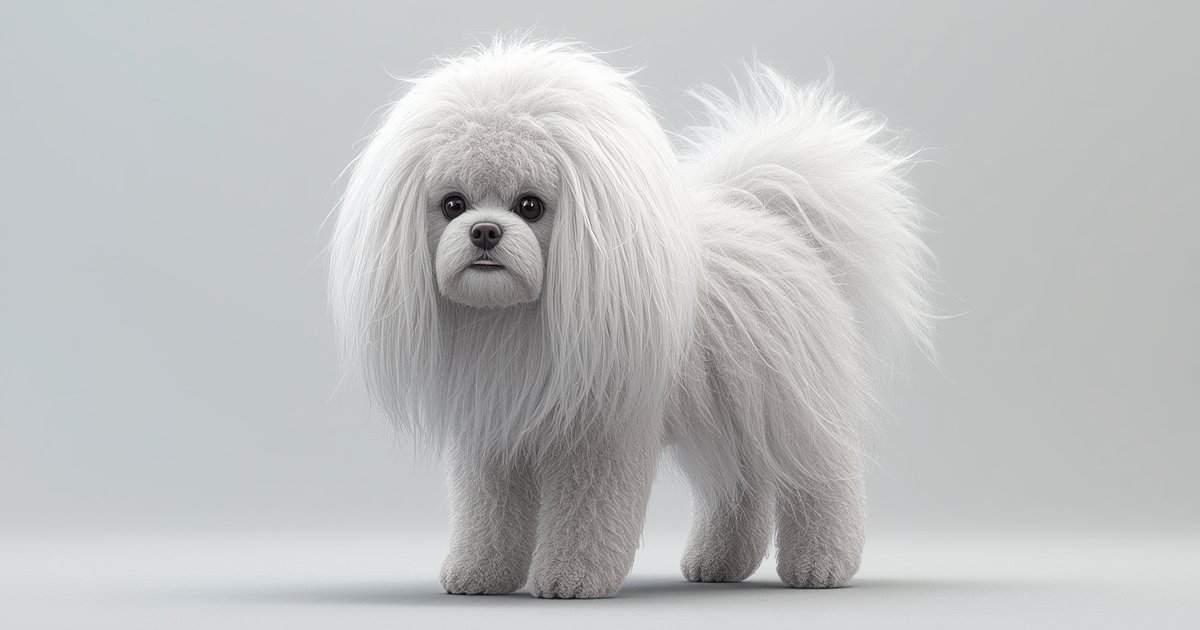
Unravel the ultimate guide to Persian grooming in 2026. Discover expert tips, essential tools, and a step-by-step routine for a dazzling, healthy Persian mane.
Understanding the Unique Persian Coat
The majestic Persian cat is renowned for its luxurious, long coat, a hallmark of its beauty and elegance. However, this dense, flowing fur isn’t just for show; it requires diligent and consistent care to maintain its splendor and prevent serious health issues. Understanding the specific characteristics of the Persian coat is the first step in effective Persian grooming.
Persian cats possess a double coat, meaning they have a soft, woolly undercoat and a longer, silkier topcoat. This combination creates a magnificent volume but also makes them highly prone to matting and tangling. Without regular attention, these mats can quickly become tight, pulling on the skin, causing pain, skin irritation, and even infections.
The length of a Persian’s fur can vary, but it typically reaches several inches, especially around the ruff, tail, and britches. This glorious length, coupled with the fine texture of the undercoat, acts like a magnet for dirt, dust, and litter particles. Proper Persian grooming is therefore not just about aesthetics; it’s a crucial aspect of their overall hygiene and well-being.
Genetics play a significant role in the quality and thickness of a Persian’s coat. Some lines may have a denser undercoat than others, requiring even more frequent grooming. Environmental factors, diet, and general health also impact coat condition, making a holistic approach to care essential.
Essential Tools for Effective Persian Grooming
Equipping yourself with the right tools is paramount for a successful and stress-free Persian grooming routine. Using inappropriate or low-quality tools can damage your cat’s delicate fur, cause discomfort, and make the grooming process much more challenging for both of you. Investing in high-quality grooming tools is a wise decision that will pay dividends in the long run.
Your grooming kit should be comprehensive, covering brushing, de-matting, bathing, and nail care. Each tool serves a specific purpose in maintaining the pristine condition of your Persian’s coat and overall hygiene. Regular maintenance and cleaning of these tools will also extend their lifespan and ensure optimal performance.
Must-Have Brushes and Combs
- Slicker Brush: Essential for removing loose hair from the undercoat and detangling minor knots. Choose one with fine, bent wire bristles and rubber-tipped ends to prevent scratching the skin.
- Metal Comb (Wide and Fine-toothed): A critical tool. The wide-toothed section is for initial detangling, while the fine-toothed section helps locate and remove smaller mats and loose fur, particularly around sensitive areas like the face and behind the ears.
- Pin Brush: Ideal for the topcoat, this brush helps to smooth the fur and distribute natural oils, adding shine without pulling. Look for pins with rounded ends to protect the skin.
- Dematter Tool or Mat Splitter: A specialized tool designed to carefully cut through stubborn mats without hurting your cat. Use with extreme caution and always follow instructions.
Bathing and Drying Essentials
- Cat-Specific Shampoo and Conditioner: Never use human products, as they can irritate a cat’s skin and strip natural oils. Opt for tearless, moisturizing formulas designed for long-haired cats.
- Absorbent Towels: Plenty of soft, highly absorbent towels are needed to blot excess water after bathing.
- Pet Hair Dryer (Cool/Low Heat Setting): A dedicated pet dryer is safer than a human hairdryer, which can overheat. Always use a cool or low-heat setting to avoid burning your cat’s skin and keep the dryer moving.
Nail and Ear Care
- Cat Nail Clippers: Choose a sharp, scissor-style clipper for clean cuts. Regular nail trims prevent painful ingrown nails and reduce potential scratching during grooming.
- Styptic Powder: An absolute must-have in case you accidentally cut into the quick of a nail. It quickly stops bleeding.
- Ear Cleaner Solution: Use a vet-approved solution to gently clean ears and prevent wax buildup or infections.
- Soft Cotton Balls or Gauze: For applying ear cleaner and wiping around the ear canals. Never use cotton swabs inside the ear.
Comparison of Top Grooming Tools for Persian Cats
Investing in quality tools simplifies the Persian grooming process significantly. Here’s a comparison of some popular options:
| Product | Price | Pros | Cons | Best For |
|---|---|---|---|---|
| Challenger Slicker Brush | $18 – $25 | High-density pins for effective undercoat removal. Ergonomic handle. Durable construction. | Can be too harsh if not used gently. | Daily brushing, de-shedding. |
| Safari Cat Shedding Comb | $10 – $15 | Dual-sided with wide and narrow teeth. Excellent for detangling and finding small mats. | Teeth can bend if forced through large mats. | Detail work, daily maintenance. |
| Petkin Jumbo Eye Wipes | $8 – $12 | Gentle, pre-moistened wipes for tear stains. Safe for daily use around sensitive eyes. | Not effective for severe, long-standing stains. | Routine eye area cleaning. |
| Master Grooming Tools Mat Remover | $20 – $30 | Sharp, curved blades safely split mats. Comfortable grip. Reduces pulling. | Requires careful handling to avoid skin injury. | Tackling stubborn, large mats. |
The Daily and Weekly Persian Grooming Routine
Consistency is key when it comes to Persian grooming. Establishing a regular routine will not only keep your cat looking splendid but also minimize the stress associated with grooming sessions. Breaking down the grooming process into daily and weekly tasks makes it more manageable and prevents major issues from developing.
Daily Grooming Tasks
The daily routine focuses on preventative measures and quick touch-ups. These short sessions build trust with your cat and keep minor tangles from becoming significant mats. Aim for 5-10 minutes each day, ideally at the same time.
- Gentle Brushing: Use a metal comb or slicker brush to go through the most tangle-prone areas: under the legs, around the ruff, behind the ears, and on the belly. This removes loose fur and prevents early mat formation.
- Eye and Nose Cleaning: Persians are prone to tear staining and nasal discharge due to their brachycephalic (flat) faces. Gently wipe around their eyes and nose with a damp, warm cloth or a specialized pet eye wipe. This prevents crust buildup and skin irritation.
- Quick Inspection: While brushing, run your hands over your cat’s body to check for any new lumps, bumps, skin irritations, or emerging mats. Early detection can prevent more serious problems.
Weekly Grooming Tasks
Weekly sessions are more in-depth and address areas that require more attention. These typically take longer, sometimes 30-60 minutes, depending on your cat’s coat condition and cooperation.
- Thorough Brushing and Combing: This is the main event of your Persian grooming week. Start with a slicker brush to loosen the undercoat, then follow with a wide-toothed metal comb to work through any tangles. Finish with the fine-toothed comb to ensure no small knots remain. Always brush in the direction of hair growth.
- Paw Pad Trimming: The fur between a Persian’s paw pads can grow quite long, collecting litter and dirt. Carefully trim this fur using blunt-nosed scissors to prevent discomfort, improve traction, and maintain hygiene.
- Nail Clipping: Trim your cat’s claws every 1-2 weeks. Only snip the very tip of the clear part of the nail, avoiding the quick (the pink part), which contains blood vessels and nerves. If you’re unsure, ask your vet for a demonstration.
- Ear Cleaning: Check your cat’s ears for redness, odor, or excessive wax. If cleaning is needed, apply a vet-approved ear cleaner to a cotton ball and gently wipe the visible parts of the ear. Never insert anything into the ear canal.
- Sanitary Clip (as needed): The fur around a Persian’s hindquarters can become soiled easily. A careful sanitary clip can prevent this. Use blunt-nosed scissors or small clippers to trim the fur short in this area. If you’re uncomfortable, a professional groomer can do this.
Tackling Common Grooming Challenges (and Solutions)
Despite the best intentions, Persian grooming can present its fair share of challenges. From stubborn mats to cats who dislike grooming, knowing how to address these issues effectively is crucial for maintaining your Persian’s health and happiness. Patience, persistence, and the right techniques are your best allies.
Dealing with Mats and Tangles
Mats are perhaps the most common and frustrating challenge in Persian grooming. They form when loose hair intertwines and becomes tightly bound, often pulling on the skin.
- Prevention is Key: The best defense against mats is daily brushing. Consistent daily attention significantly reduces the chances of mat formation.
- Gentle Detangling: For small, loose tangles, use a metal comb and gently work them out, starting from the ends and working towards the skin. You can apply a detangling spray or a small amount of cornstarch to help loosen the knot.
- Using a Dematter Tool: For more stubborn mats that are close to the skin, a mat splitter or dematter tool can be used. Follow the natural growth of the hair and never pull. Only split the mat, don’t try to rip it out.
- When to Seek Professional Help: If mats are extensive, very tight, or your cat is in pain, do not attempt to remove them yourself. Severe mats often require professional grooming or veterinary intervention, sometimes even sedation, to shave them out safely. Attempting to cut out tight mats at home can easily lead to accidental cuts to the skin.
Bathing a Reluctant Persian
Many cats dislike baths, but bathing is an essential part of Persian grooming due to their long coats.
- Start Early: Introduce bathing slowly from kittenhood if possible. Positive reinforcement, treats, and calm handling can make a big difference.
- Preparation is Crucial: Before the bath, thoroughly brush your cat to remove any mats, as water will tighten them. Have all your supplies (shampoo, conditioner, towels) within reach.
- Temperature and Gentleness: Use lukewarm water. Place a non-slip mat in the tub or sink. Gently wet your cat, apply shampoo sparingly, and rinse thoroughly. Ensure no shampoo residue is left behind, as it can irritate the skin.
- Drying Safely: Blot your cat with absorbent towels, then use a pet dryer on a cool/low setting, keeping it moving constantly. Ensure your cat is completely dry, especially the undercoat, to prevent skin issues and matting.
- Make it Positive: End each bath session with praise, treats, and plenty of cuddles.
Managing Tear Stains and Face Cleaning
Persians are notorious for tear stains due to their facial structure.
- Daily Wiping: Gently wipe the area around their eyes daily with a warm, damp cloth or specialized pet eye wipes. This prevents the buildup of porphyrin, the pigment that causes reddish-brown stains.
- Address Underlying Issues: Excessive tearing can sometimes indicate an underlying health issue (e.g., allergies, blocked tear ducts, eye infections). If you notice a sudden increase in tearing or discharge, consult your veterinarian.
- Facial Brushing: Use a fine-toothed metal comb to gently comb away any food particles or debris from the fur around their mouth and chin after meals.
Nutrition and Health for a Luminous Mane
A truly flawless Persian mane isn’t solely the result of diligent external grooming; it’s a reflection of excellent internal health and nutrition. What your Persian eats directly impacts the quality, shine, and strength of their coat. A balanced diet, adequate hydration, and appropriate supplements can significantly enhance their fur’s condition and make Persian grooming much easier.
The Role of Diet in Coat Health
Just like humans, cats need a nutrient-rich diet to thrive. For Persians, specific dietary components are vital for a healthy coat:
- High-Quality Protein: As obligate carnivores, cats require a diet rich in animal-based protein. Protein provides the amino acids necessary for hair growth and strength. Look for foods where meat is the first ingredient.
- Essential Fatty Acids (Omega-3 and Omega-6): These fatty acids, particularly Omega-3s found in fish oils (like salmon oil), are crucial for skin health and a shiny, soft coat. They reduce dryness, flakiness, and inflammation.
- Vitamins and Minerals: A range of vitamins (especially Biotin, Vitamin E, and A) and minerals (like Zinc and Copper) contribute to healthy skin and coat. A complete and balanced cat food typically provides these.
Avoid foods with excessive fillers, artificial colors, or by-products, as these offer little nutritional value and can lead to skin issues or dull coats. Consult your veterinarian for recommendations on high-quality cat food brands specifically formulated for long-haired breeds.
Hydration for a Healthy Coat
Water is fundamental for every bodily function, including skin and coat health. Dehydrated cats can have dry, brittle fur and flaky skin.
- Fresh Water Access: Always ensure your Persian has access to fresh, clean water. Change their water bowl daily and clean it regularly to prevent bacterial buildup.
- Water Fountains: Many cats prefer drinking from moving water sources, which can encourage increased water intake. A pet water fountain can be a great investment.
- Wet Food: Incorporating wet food into your cat’s diet significantly boosts their water intake. Wet food typically contains around 70-80% moisture, compared to dry kibble which is only about 10%.
Supplements for Extra Support
While a complete diet should provide most necessary nutrients, some supplements can offer additional support for coat health, especially for Persians with specific needs or seasonal shedding.
- Omega-3 Fatty Acid Supplements: Fish oil or krill oil supplements are excellent sources of Omega-3s. They can improve coat luster, reduce shedding, and alleviate dry skin. Always choose a pet-specific supplement and consult your vet for the correct dosage.
- Biotin: Sometimes included in coat-specific supplements, Biotin is a B vitamin known to support hair and skin health.
- Probiotics: A healthy gut contributes to overall health, including skin and coat condition. Probiotic supplements can help maintain a balanced digestive system.
Before introducing any supplements, always consult with your veterinarian. They can help determine if a supplement is truly necessary and recommend the safest, most effective options and dosages for your individual cat. Remember, supplements should complement, not replace, a high-quality, balanced diet.
Advanced Persian Grooming Techniques and Considerations
Once you’ve mastered the basics of daily and weekly Persian grooming, you might want to explore advanced techniques or consider specific situations that require extra care. These considerations can further enhance your Persian’s comfort and beauty, ensuring they remain in top condition throughout their lives.
Professional Grooming vs. At-Home Care
While at-home Persian grooming is essential, there are times when professional help is invaluable.
- Benefits of Professional Groomers:
- Expertise in mat removal without causing pain or injury.
- Specialized tools and techniques for deep cleaning and de-shedding.
- Experience with difficult or anxious cats, providing a safe environment.
- Full-service options including sanitary clips, lion cuts, and thorough blow-drying.
- When to Call a Pro:
- If your cat has extensive, tight matting you can’t safely remove.
- If your cat is particularly resistant or aggressive during grooming.
- For a fresh start with a full shave-down (e.g., a “lion cut”) to manage a severely matted or very thick coat, especially during hot weather.
- If you’re going on vacation and need your cat to be well-maintained.
Even with regular professional grooming, daily brushing and eye cleaning at home remain critical for maintenance between appointments.
Seasonal Grooming Adjustments
A Persian’s coat may require different attention depending on the season.
- Warmer Months: Increased shedding can occur. More frequent brushing helps remove loose undercoat, preventing mats and keeping your cat cooler. Consider a lighter sanitary trim or even a professional “lion cut” if your cat struggles with heat or extensive matting.
- Colder Months: The coat becomes denser. While still requiring regular brushing, ensure your cat has a warm environment if they have a shorter “lion cut” to avoid getting chilled.
Senior Cat Grooming
As Persians age, their grooming needs may change.
- Increased Sensitivity: Older cats may have more sensitive skin or arthritis, making grooming uncomfortable. Be extra gentle and use soft brushes.
- Less Self-Grooming: Senior cats may not be as flexible or energetic to groom themselves effectively. This means you’ll need to step up your manual Persian grooming efforts, potentially grooming more frequently.
- Health Checks: Use grooming sessions as an opportunity to check for new lumps, stiff joints, or any signs of discomfort. Regular veterinary check-ups are even more important.
The “Lion Cut” Debate
A “lion cut,” where the body fur is shaved short, leaving a mane, tail tip, and “boots” on the paws, is a common solution for severely matted Persians or those who struggle with heat.
- Pros: Excellent for relieving severe matting, keeps cats cooler in hot climates, can simplify at-home maintenance for a period.
- Cons: Can alter coat texture upon regrowth, may not be aesthetically pleasing to all owners, some cats can get chilled, and it doesn’t eliminate the need for *all* grooming (mane, tail, and face still need care).
Discuss this option with your veterinarian or a professional groomer to determine if it’s the right choice for your Persian.
Frequently Asked Questions (FAQ)
How often should I groom my Persian cat?
For a flawless Persian mane, daily brushing for 5-10 minutes is ideal to prevent mats and remove loose fur. A more thorough session, including combing, nail trimming, and ear checks, should be performed weekly. Baths are typically needed every 4-6 weeks, or more often if your cat gets particularly dirty.
What if my Persian cat hates being groomed?
Start grooming sessions when your cat is relaxed. Keep sessions short and positive, using treats and praise. Introduce tools gradually. If your cat is highly resistant, consider consulting a professional groomer who has experience with anxious cats, or speak to your vet for advice on calming techniques or anti-anxiety aids.
Can I use human shampoo on my Persian cat?
No, you should never use human shampoo on your Persian cat. Human shampoos have a different pH level than cat skin and can strip natural oils, leading to dry, irritated skin, and dull fur. Always use a cat-specific, moisturizing shampoo designed for long-haired breeds.
How do I prevent tear stains on my Persian’s face?
Daily cleaning of the area around the eyes with a warm, damp cloth or specialized pet eye wipes is the most effective prevention. Regular checks for excessive tearing and ensuring good diet can also help. If stains are severe or sudden, consult your vet to rule out underlying health issues.
Is shaving a Persian cat a good idea?
Shaving a Persian cat (often into a “lion cut”) can be a good option for severely matted cats, those struggling with heat, or owners who find daily grooming overwhelming. However, it’s a significant decision. The fur may grow back with a different texture, and it doesn’t negate all grooming needs. Discuss with a professional groomer or vet before proceeding.
What is the best way to remove a mat from my Persian’s fur?
For small tangles, gently work them out with a wide-toothed metal comb, starting from the ends. For more stubborn mats, a mat splitter or dematter tool can be used carefully to cut through the mat without harming the skin. Never pull or rip a mat out. For extensive or very tight mats, it’s safest to seek help from a professional groomer or veterinarian.
References and Further Reading
- ASPCA – Cat Grooming Tips
- CatHealth.com – Persian Cat Grooming
- The Cat Fanciers’ Association – Persian FAQs
- Texas A&M Vet Med – The Importance of Proper Pet Nutrition
Maintaining the regal beauty of a Persian cat’s coat is a commitment, but one that is incredibly rewarding. By embracing this ultimate 2026 grooming guide, you’re not just ensuring a flawless appearance for your beloved feline; you’re actively contributing to their health, comfort, and overall happiness. Remember, consistency, patience, and the right tools are your best allies in keeping that magnificent mane in pristine condition.
Ready to elevate your Persian’s grooming routine? Start implementing these tips today and watch your cherished companion truly shine. For more detailed advice, personalized product recommendations, or to connect with grooming experts, visit Dax AI’s dedicated Pet Care hub, or reach out directly to our support team for tailored guidance.
Leave a Reply