

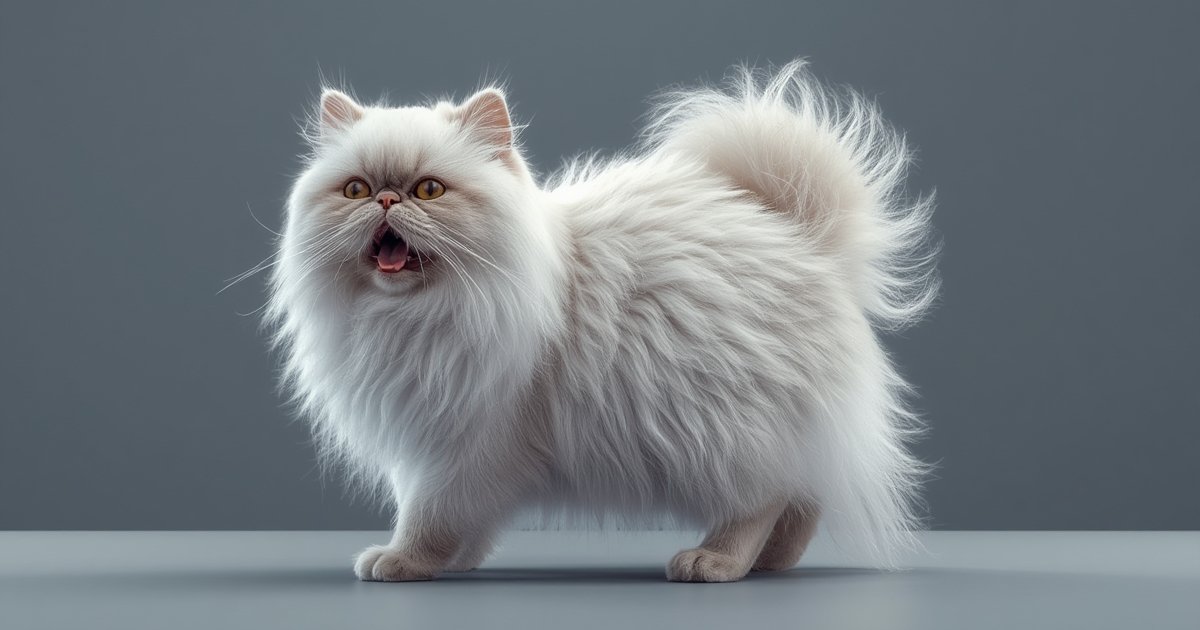
Master the art of Persian grooming to keep your cat’s luxurious coat immaculate and healthy. Dive into expert tips, essential tools, and a routine that will ensure your beloved feline always looks their best.
The Unique Needs of the Persian Coat
Persian cats are renowned for their magnificent, long, flowing coats, which are undeniably beautiful but also demand significant attention. This distinctive double coat consists of a dense undercoat and a longer, silken topcoat, making it highly prone to matting and tangling. Without consistent and proper Persian grooming, these issues can quickly escalate, leading to discomfort, skin problems, and even pain for your feline friend. Understanding the unique structure of their fur is the first step towards effective care.
Their luxurious locks are not just for show; they serve an evolutionary purpose. However, in a domestic setting, especially with the modern Persian’s highly exaggerated features, the coat can become a challenge. Regular maintenance is not just about aesthetics; it’s a crucial aspect of their overall health and well-being. A matted coat can hide skin infections, parasites, and prevent proper air circulation, leading to hot spots and other dermatological issues.
Why Regular Grooming is Non-Negotiable
Daily brushing is the cornerstone of any effective Persian grooming regimen. Skipping even a few days can result in small knots turning into larger, more stubborn mats that are difficult and painful to remove. Beyond mat prevention, regular grooming sessions offer several other benefits that contribute to your cat’s health and happiness.
It helps distribute natural skin oils throughout the coat, keeping it healthy and shiny. Brushing also stimulates circulation, which is beneficial for skin health. Furthermore, it significantly reduces the amount of loose hair your Persian might swallow during self-grooming, thereby minimizing hairball formation – a common concern for long-haired breeds.
Essential Tools for Effective Persian Grooming
Having the right arsenal of tools is paramount to successful Persian grooming. Investing in high-quality products specifically designed for long-haired cats will make the process much smoother for both you and your feline companion. Avoid using human brushes or those designed for short-haired breeds, as they won’t effectively penetrate the Persian’s dense double coat.
The market offers a wide array of grooming tools, and selecting the best ones can seem daunting. Focus on tools that are gentle yet effective, ensuring they don’t pull or irritate your cat’s sensitive skin. Remember, consistency in using these tools is key to maintaining a healthy and tangle-free coat.
A Curated List of Must-Have Grooming Gadgets
– **Slicker Brush:** Essential for removing loose hair and detangling the outer coat. Choose one with fine, bent wires that have protected tips.
– **Metal Comb (Wide and Fine-Toothed):** Crucial for working through tangles and mats. The wide-toothed side is for initial detangling, while the fine-toothed side helps remove loose undercoat and check for any missed knots.
– **Undercoat Rake/De-shedding Tool:** Designed to safely remove the loose, dead undercoat, which is a primary cause of matting. Use with caution and follow instructions to avoid skin irritation.
– **Blunt-Tipped Scissors:** For carefully trimming small mats that cannot be brushed out, especially around delicate areas like the face, paws, and sanitary region. Always use with extreme care to avoid accidental nicks.
– **Nail Clippers:** Keep your Persian’s claws trimmed to prevent them from getting caught in their long fur or causing scratches.
– **Cat-Specific Shampoo and Conditioner:** Hypoallergenic, tearless formulas designed for long-haired cats will help maintain coat health and make brushing easier after baths.
– **Pet-Specific Wipes:** Useful for quick clean-ups around the eyes, mouth, and paws between baths.
Comparison of Top Grooming Brushes for Persians
Choosing the right brush is critical for effective Persian grooming without causing discomfort. Here’s a comparison of some popular options:
| Product | Price | Pros | Cons | Best For |
|---|---|---|---|---|
| Chris Christensen Big G Slicker Brush | $65-80 | Exceptional for detangling and removing undercoat. Gentle on skin. | High price point. | Professional-level grooming, serious mat prevention. |
| Hertzko Self-Cleaning Slicker Brush | $15-25 | Affordable, easy to clean with retractable bristles. Effective for light tangles. | May not penetrate very dense coats as deeply. | Daily brushing, general maintenance for mild coats. |
| Safari De-matting Comb | $10-18 | Excellent for safely breaking up tough mats and tangles. | Can pull hair if not used carefully; not for everyday brushing. | Targeted mat removal, occasional use. |
| Andis Pet Steel Grooming Comb | $8-15 | Versatile with both wide and fine teeth. Durable and long-lasting. | Doesn’t remove as much loose hair as a slicker brush. | Finishing touches, checking for missed tangles. |
Mastering the Daily Persian Grooming Routine
Consistency is the secret weapon in maintaining a pristine Persian coat. Establishing a daily grooming routine from an early age will not only keep their fur immaculate but also strengthen the bond between you and your cat. A few minutes each day is far more effective and less stressful than trying to tackle severe matting once a week.
Approach grooming sessions with patience and a gentle touch. Many Persians learn to enjoy their daily pampering, especially if it’s associated with positive reinforcement like treats and praise. Make it a relaxing experience, not a chore.
Step-by-Step Daily Brushing Guide
1. **Preparation:** Find a quiet, comfortable spot where your cat feels secure. Lay down a towel or mat to collect loose fur. Have all your tools within reach.
2. **Gentle Introduction:** Start by gently petting your cat, then slowly introduce the slicker brush. Begin brushing from the head, working your way down the back and sides. Always brush in the direction of hair growth.
3. **Section by Section:** For a thorough Persian grooming, work in small sections. Part the fur and brush from the skin outwards, ensuring you reach the undercoat. Pay extra attention to areas prone to matting, such as behind the ears, armpits, flanks, and hind legs.
4. **Targeting the Undercoat:** Use your undercoat rake or de-shedding tool to gently remove loose undercoat. Be careful not to press too hard or overuse this tool, as it can irritate the skin.
5. **Detangling with a Metal Comb:** After using the slicker brush and undercoat rake, follow up with the wide-toothed metal comb to check for any remaining tangles. If you encounter a knot, gently try to work it out with your fingers first, then use the comb.
6. **Addressing Delicate Areas:**
– **Face:** Use a fine-toothed comb or small brush around their flat face, being extra careful around the eyes and nose. Many Persians experience tear staining, so gently wipe their eyes daily with a damp cloth or specialized pet eye wipe.
– **Paws:** Check between their paw pads for mats or debris. Trim any long fur here to prevent slipping and improve hygiene.
– **Sanitary Area:** Keep the fur around their hindquarters trimmed short to prevent fecal matter from clinging to their coat. This is crucial for hygiene and preventing infections.
7. **Positive Reinforcement:** End each session with praise, a small treat, and some playtime. This helps your cat associate grooming with positive experiences.
Bathing and Advanced Persian Grooming Techniques
While daily brushing is essential, occasional baths are also a necessary part of a complete Persian grooming routine, typically every 4-6 weeks, or as needed. Bathing helps remove dirt, excess oils, and loose hair that brushing alone cannot tackle. Due to their dense coat, bathing a Persian requires careful technique and patience.
Beyond regular bathing, specific advanced grooming techniques, like trimming, can help maintain coat health and prevent severe matting in problem areas. These skills can be learned over time, or you might opt for professional assistance for more complex needs.
The Art of Bathing a Persian Cat
1. **Pre-Bath Brushing:** Always give your Persian a thorough brushing before bathing to remove as many tangles and loose hairs as possible. Mats will tighten when wet, becoming much harder to remove.
2. **Gather Supplies:** Have cat-specific shampoo and conditioner, towels, a non-slip mat for the tub, and cotton balls ready.
3. **Protecting Eyes and Ears:** Place a cotton ball loosely in each ear to prevent water from entering. Gently apply a veterinary-approved eye lubricant or a tiny bit of Vaseline around the eyes to protect them from shampoo.
4. **Warm Water:** Use lukewarm water. Gently wet your cat’s coat, starting from the neck and working your way down, avoiding direct spray to the face.
5. **Shampoo Application:** Apply a diluted cat shampoo, gently working it into a lather, paying close attention to the undercoat. Be thorough but gentle, avoiding scrubbing too vigorously.
6. **Rinsing Thoroughly:** This is the most crucial step. Rinse, rinse, and rinse again until the water runs clear and you’re certain all shampoo residue is gone. Any leftover shampoo can irritate the skin and lead to dull fur.
7. **Conditioning:** Apply a cat-specific conditioner, allowing it to sit for the recommended time before rinsing even more thoroughly than the shampoo.
8. **Drying:** Gently squeeze excess water from the coat. Wrap your cat in a large, absorbent towel and pat them dry. Many Persians tolerate a low-heat, quiet pet dryer (never a human hairdryer, which can be too hot and noisy). Continuously brush while drying to prevent tangles. Ensure your cat is completely dry to prevent skin issues.
Trimming and Mat Removal
– **Sanitary Trim:** Regularly trim the fur around the anus and genitals using blunt-tipped scissors to prevent hygiene issues.
– **Paw Pad Trim:** Trim the fur between their paw pads to prevent mats and improve traction.
– **Mat Removal:** For small, loose mats, try gently teasing them apart with your fingers or the wide-toothed comb. For larger, tighter mats, it’s safer to carefully cut them out using blunt-tipped scissors, always pointing the tips away from the skin and placing a comb between the mat and the skin as a guard. If a mat is very close to the skin or large, consult a professional groomer or veterinarian. Never pull or rip mats, as this is extremely painful.
Addressing Common Persian Grooming Challenges
Even with the most diligent efforts, Persian owners often face specific challenges related to their cat’s unique coat and features. Understanding these common issues and how to effectively manage them is vital for ensuring your Persian remains healthy and comfortable. Proactive measures can prevent minor annoyances from becoming major problems.
From tear stains to stubborn mats, each challenge requires a specific approach. Patience, consistency, and the right tools are your best allies in overcoming these hurdles. Remember that every Persian is an individual, and some may require more attention in certain areas than others.
Tear Stains and Eye Care
Persians are famous for their brachycephalic (flat) faces, which can lead to excessive tearing and tear staining. The tears collect in the facial folds and oxidize, creating unsightly reddish-brown stains.
– **Daily Wiping:** Gently wipe around your cat’s eyes daily with a soft, damp cloth or a pet-specific eye wipe.
– **Trimming Hair:** Carefully trim the hair around their eyes to prevent it from irritating the eye or wicking tears onto the face.
– **Veterinary Check:** If staining is severe or accompanied by redness, discharge, or squinting, consult your vet to rule out underlying medical conditions.
Preventing and Dealing with Hairballs
Due to their long coats, Persians are highly prone to hairballs. While regular grooming significantly reduces the ingested hair, some hairball formation is inevitable.
– **Frequent Brushing:** This remains the most effective preventive measure.
– **Hairball Control Diet:** Specialized cat foods designed to aid in the passage of ingested hair.
– **Hairball Laxatives/Supplements:** Consult your vet about safe and effective hairball remedies or supplements, often containing petroleum jelly or psyllium.
Skin Sensitivity and Allergies
Some Persians can have sensitive skin, which may react to certain shampoos, environmental allergens, or even food.
– **Hypoallergenic Products:** Use shampoos and conditioners specifically formulated for sensitive skin.
– **Monitor Skin:** Regularly check for redness, rashes, excessive scratching, or bald patches during grooming.
– **Vet Consultation:** If you suspect allergies or skin irritation, a vet can diagnose the cause and recommend appropriate treatment.
The Benefits of Professional Persian Grooming
While daily home grooming is indispensable, there are significant advantages to incorporating professional Persian grooming into your cat’s care regimen. Professional groomers possess specialized skills, tools, and expertise that can provide a level of care difficult to replicate at home, especially for complex tasks.
Considering professional grooming is not an admission of failure but rather a commitment to ensuring your beloved Persian receives the best possible care. It can save you time, reduce stress, and address specific issues that might be challenging for a home groomer.
When to Seek Professional Help
– **Severe Matting:** If your cat has extensive or very tight mats that you cannot safely remove at home, a professional groomer can often shave them out without causing pain or injury.
– **Specialty Cuts:** For certain breed-specific cuts or aesthetic preferences, a professional groomer is equipped to handle the task.
– **Nervous Cats:** If your Persian is highly resistant to grooming, a professional groomer has techniques and experience to handle difficult cats with less stress.
– **Sanitary and Lion Cuts:** These are often best left to professionals to ensure safety and a proper result. A “lion cut” can be a lifesaver for cats with chronic matting problems or during hot summer months.
– **Expert Advice:** Professional groomers can offer tailored advice on products and techniques specific to your cat’s coat type and needs.
A beautiful, silky coat is the hallmark of a healthy and well-cared-for Persian cat. By consistently implementing a comprehensive Persian grooming routine, you’re not just maintaining their stunning appearance but also ensuring their comfort, hygiene, and overall well-being. Embrace the journey of caring for their magnificent fur, and you’ll be rewarded with a happy, healthy, and beautifully groomed feline companion.
For personalized advice or further questions, don’t hesitate to reach out to our team of feline care experts. We’re here to help you and your Persian thrive!
Frequently Asked Questions (FAQ)
How often should I brush my Persian cat?
Persian cats should be brushed daily. Their dense double coat is prone to tangling and matting, and daily brushing prevents these issues, distributes natural oils, and reduces hairball formation.
Can I use human shampoo on my Persian cat?
No, you should never use human shampoo on your Persian cat. Human shampoos have a different pH balance than cat skin and can cause dryness, irritation, or skin issues. Always use a high-quality, cat-specific shampoo, preferably one designed for long-haired or sensitive skin.
What if my Persian cat hates being groomed?
Start grooming sessions when your cat is relaxed and keep them short initially, gradually increasing the duration. Use positive reinforcement like treats and praise. If your cat is highly resistant, consider consulting a professional groomer or your veterinarian for advice on desensitization techniques or professional assistance.
How do I prevent tear stains on my Persian?
Daily cleaning is key. Gently wipe around their eyes with a damp cloth or pet-specific eye wipes. You can also carefully trim the hair around their eyes. If staining is severe, a vet check is recommended to rule out underlying medical issues.
Is it okay to shave my Persian cat?
Shaving (often a “lion cut”) can be an effective solution for severe matting, medical reasons, or to help a cat stay cool in extreme heat. However, it should typically be done by a professional groomer or veterinarian. The coat may take a long time to grow back, and in some cases, it might grow back differently.
Leave a Reply