

Meta Description: Master Persian cat grooming for a tangle-free, luxurious coat. Our 2026 guide covers tools, techniques, and tips for a healthy, happy feline.
Understanding Your Persian Cat’s Unique Coat Needs
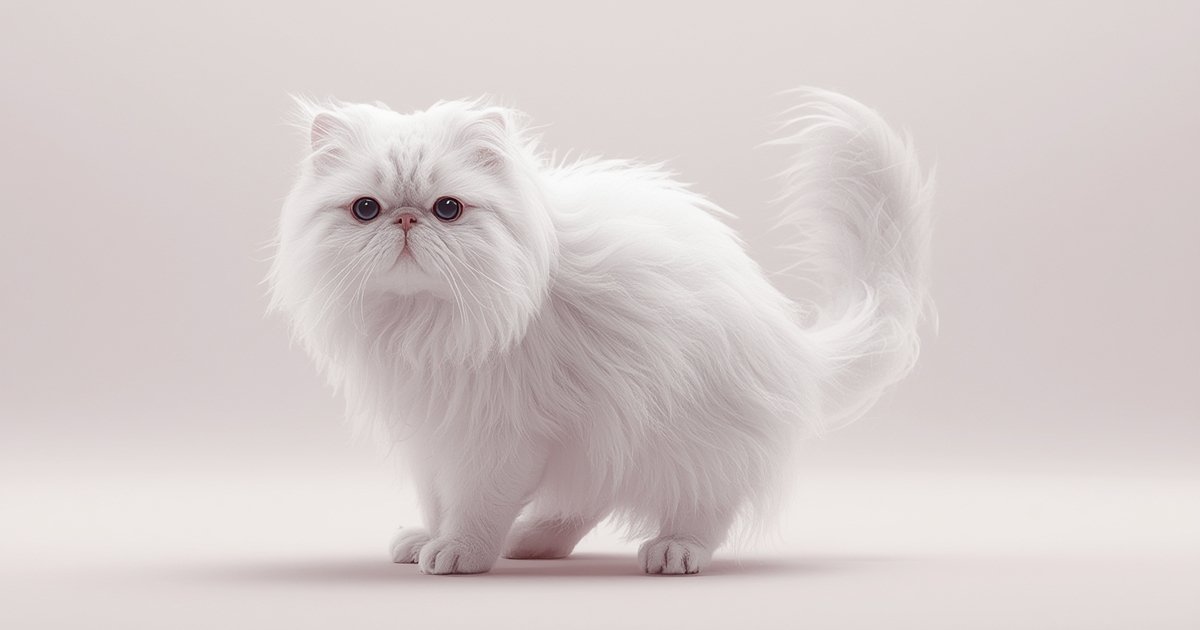
The majestic Persian cat, with its distinctive flat face and flowing, luxurious coat, is a vision of feline elegance. However, this beauty comes with a responsibility: extensive and consistent Persian grooming. Neglecting their magnificent fur can lead to painful mats, skin issues, and discomfort for your beloved companion.
Unlike many other breeds, Persians possess a double coat—a dense undercoat and a long, silky topcoat. This combination, while stunning, is highly prone to tangling and matting, especially around the ears, armpits, and hindquarters. Proactive and proper Persian grooming is not just about aesthetics; it’s crucial for their health and well-being.
The Double-Coat Dilemma
A Persian cat’s double coat serves as both insulation and protection in natural environments. However, in a domestic setting, without natural shedding aids like rough bushes or branches, this dense fur can quickly become a challenge. The soft undercoat tends to shed frequently and can get trapped within the longer guard hairs, forming stubborn knots and mats.
These mats can pull on the skin, causing pain, restricting movement, and even leading to skin infections if moisture and debris get trapped underneath. Understanding this unique coat structure is the first step in mastering effective Persian grooming.
Why Regular Persian Grooming is Non-Negotiable
Daily attention to your Persian’s coat is more than just a recommendation; it’s an essential part of responsible pet ownership. Regular grooming sessions strengthen the bond between you and your cat, allowing you to check for any skin abnormalities, parasites, or injuries.
Consistent brushing helps to distribute natural skin oils, promoting a healthy, shiny coat while reducing shedding around your home. It also minimizes the ingestion of loose hair during self-grooming, thereby preventing hairballs, which can be a serious health concern for long-haired breeds.
Essential Persian Grooming Tools for a Tangle-Free Mane
Having the right arsenal of tools is paramount to successful Persian grooming. Investing in high-quality equipment will make the process easier, more comfortable for your cat, and ultimately more effective in maintaining their glorious coat. Here’s what you’ll need.
Brushes and Combs: Your First Line of Defense
These are the workhorses of your grooming kit. Each type serves a specific purpose in detangling, deshedding, and smoothing the coat.
Slicker Brush
A slicker brush features fine, wire bristles clustered together, often with angled tips. It’s excellent for removing loose undercoat and detangling minor knots without damaging the topcoat.
Use it gently, working in small sections, to lift dead hair and fluff up the coat. Always ensure the bristles don’t scratch your cat’s delicate skin.
Metal Comb (Wide-toothed and Fine-toothed)
A good quality metal comb is indispensable for breaking up mats and checking for tangles that the slicker brush might miss. Start with the wide-toothed end to work through larger sections and gently tease out knots.
Follow up with the fine-toothed end to smooth the coat and ensure all smaller tangles are removed. This comb is crucial for ensuring thorough Persian grooming.
Deshedding Tool
Tools like the FURminator (or similar brands) are designed to reach through the topcoat and effectively remove loose undercoat without cutting the guard hairs. This can significantly reduce shedding and prevent matting.
Use deshedding tools sparingly, perhaps once a week during heavy shedding seasons, as overusing them can irritate the skin or damage the coat.
Shampoos and Conditioners: The Right Formula Matters
Bathing a Persian cat can be a daunting task, but with the right products, it becomes manageable. Look for shampoos specifically formulated for long-haired cats, often containing detangling agents and gentle cleansers.
A good conditioner is equally important to hydrate the coat, reduce static, and make brushing easier after the bath. Hypoallergenic or tearless formulas are ideal for sensitive Persian skin and eyes.
Nail Clippers and Styptic Powder
Regular nail trims are essential to prevent nails from growing too long, which can cause discomfort, make walking difficult, or even lead to ingrown nails. Use cat-specific clippers, either scissor-style or guillotine-style.
Always have styptic powder on hand. This is a crucial safety measure in case you accidentally cut too far back into the quick, causing bleeding. A tiny pinch of powder will stop the bleeding quickly.
Eye and Ear Cleaning Supplies
Persian cats are known for their brachycephalic (flat) faces, which can lead to excessive tearing and tear staining. Gentle eye wipes or a soft cloth moistened with warm water or a vet-approved eye cleaner are necessary for daily cleaning.
For ears, use a vet-approved ear cleaning solution and cotton balls or soft pads. Never use cotton swabs directly inside the ear canal, as this can cause injury. Only clean the visible parts of the outer ear.
Comparison of Top Grooming Tools for Persian Cats
| Product | Price | Pros | Cons | Best For |
|---|---|---|---|---|
| Safari De-matting Comb | $12 – $18 | Effectively breaks up mats without pulling; ergonomic handle. | Can be sharp if not used carefully; not for general brushing. | Targeted mat removal, especially behind ears and legs. |
| Chris Christensen Big G Slicker Brush | $50 – $65 | High-quality pins glide through thick coats; durable construction; minimizes coat damage. | Premium price point; larger size can be intimidating for small cats. | Daily brushing, fluffing the coat, serious deshedding. |
| Burt’s Bees for Cats Natural Tear Stain Remover | $8 – $12 | Gentle, natural ingredients; easy application with dropper or cotton ball. | Requires consistent daily use for best results; may not remove old, set-in stains completely. | Preventing and treating new tear stains in sensitive cats. |
| Millers Forge Nail Clipper | $10 – $15 | Sharp blades for clean cuts; comfortable grip; trusted by professionals. | Can be bulky for some users; practice needed to avoid quicking. | Regular nail trimming for all cat sizes. |
The Step-by-Step Persian Grooming Routine
Establishing a consistent Persian grooming routine is key to maintaining your cat’s beautiful coat and overall health. Here’s a detailed, step-by-step guide to keep your Persian looking its best.
1. Daily Brushing Protocol
Daily brushing is the cornerstone of effective Persian grooming. Dedicate 10-15 minutes each day to this activity, making it a positive experience for your cat with treats and praise.
Start by gently laying your cat on its side or lap. Work in small sections, always brushing in the direction of hair growth. Pay special attention to areas prone to matting: behind the ears, under the chin, armpits, stomach, and tail.
Use the slicker brush first to remove loose hair and minor tangles, then follow with the metal comb. The comb will help you detect any hidden knots that the brush might have missed. If you encounter a mat, do not pull. Gently work it out using your fingers and the wide-toothed comb, slowly teasing apart the strands.
2. Monthly Bathing Ritual
While daily brushing keeps tangles at bay, a regular bath (typically once a month, or every 4-6 weeks) is essential to remove accumulated dirt, dander, and oils that contribute to matting and dullness.
Pre-Bath Preparation
Before the bath, always give your cat a thorough brushing to remove any mats or tangles. Mats will tighten when wet, making them nearly impossible to remove. Trim their nails beforehand to protect yourself from scratches.
Gather all your supplies: two towels, cat-specific shampoo and conditioner, cotton balls for ears, and a non-slip mat for the tub or sink. Fill the tub with a few inches of lukewarm water.
The Bathing Process
Gently place your cat into the water. Reassure them with a calm voice. Wet the coat thoroughly, avoiding the eyes and ears. Apply a small amount of shampoo and work it into a lather, paying attention to all parts of the body. Rinse thoroughly until no suds remain.
Apply conditioner, let it sit for a few minutes as per product instructions, then rinse meticulously. Residual shampoo or conditioner can irritate the skin or make the coat feel greasy.
Drying Techniques
Immediately after the bath, wrap your cat in a towel and gently blot the excess water. Never rub vigorously, as this can cause tangles. Use a second dry towel to absorb more moisture.
Many Persian owners use a pet-specific forced-air dryer on a low, cool setting. Keep the dryer moving constantly to avoid overheating any one spot. Brush the coat as you dry to prevent tangles and achieve that fluffy, show-ready look.
3. Nail Trimming Best Practices
Regular nail trims, ideally every 2-4 weeks, are vital. Hold your cat gently but firmly. Identify the quick – the pink part of the nail that contains blood vessels and nerves. Only cut the clear tip of the nail, avoiding the quick.
If your cat has dark nails, it can be harder to see the quick. Trim tiny bits at a time, or use a flashlight behind the nail. If you do accidentally cut the quick, apply styptic powder immediately to stop the bleeding.
4. Eye and Ear Care
Persian cats often develop tear stains due to their facial structure. Daily cleaning of the eye area with a soft, damp cloth or specialized eye wipe is crucial. Gently wipe away any discharge or discoloration around the eyes.
For ears, check them weekly for redness, odor, or excessive wax. Use a vet-approved ear cleaner by applying a few drops to a cotton ball and gently wiping the visible parts of the ear. Never insert anything into the ear canal.
5. Dental Hygiene: An Overlooked Aspect of Persian Grooming
Dental care is an often-neglected component of a cat’s overall health, including comprehensive Persian grooming. Just like humans, cats can suffer from plaque, tartar buildup, and gum disease, which can lead to painful infections and systemic health problems.
Introduce tooth brushing early if possible, using a cat-specific toothbrush and enzymatic toothpaste. Aim for a few times a week. Dental treats, water additives, and professional dental cleanings by a veterinarian also play important roles in maintaining good oral health.
Common Persian Grooming Challenges and Solutions
Even with a diligent routine, you might encounter specific challenges unique to Persian cats. Knowing how to address them can save you time, stress, and vet bills.
Mats and Tangles: Prevention and Removal
The best solution for mats is prevention through daily brushing. If you find a mat, resist the urge to pull or cut it with regular scissors, as this can easily cut the skin.
Instead, use a de-matting comb or a seam ripper to carefully tease the mat apart, working from the outer edges inwards. If a mat is severe or close to the skin, professional help from a groomer or vet might be necessary to shave it off safely.
Shedding Season Management
Persian cats typically have two major shedding seasons annually, in spring and autumn, as their coats adjust to temperature changes. During these times, increase your brushing frequency, possibly twice a day, focusing on thorough deshedding.
A good quality deshedding tool can be very effective, but remember to use it sparingly to avoid irritating the skin. Nutritional supplements, such as omega fatty acids, can also support healthy coat turnover.
Dealing with Tear Stains
Tear stains are a common aesthetic concern for Persians. Consistent daily cleaning is the most important step. Ensure there are no underlying medical issues causing excessive tearing, such as blocked tear ducts or allergies, by consulting your vet.
Specialized tear stain removers can help, but avoid products containing harsh chemicals or antibiotics unless prescribed by a vet. Keeping the eye area dry and clean is key to reducing the red-brown discoloration.
Introducing Grooming to a Reluctant Cat
Some cats are naturally more resistant to grooming. Start early when they are kittens to help them acclimate. Keep grooming sessions short, positive, and full of rewards (treats, praise, playtime).
Gradually increase the duration and intensity. If your cat is highly anxious, consider using calming aids or consulting your vet or a professional groomer for advice on desensitization techniques. Patience is crucial for successful Persian grooming.
Advanced Tips for a Show-Stopping Persian Coat
Beyond the basics, there are further steps you can take to ensure your Persian’s coat is not just healthy but truly magnificent.
Nutrition’s Role in Coat Health
A healthy coat starts from within. Feed your Persian a high-quality, balanced diet rich in essential fatty acids (Omega-3 and Omega-6), vitamins, and minerals. Look for cat foods that list real meat as the first ingredient and avoid excessive fillers.
Supplements like fish oil or flaxseed oil can also contribute to a shiny, healthy coat and reduce shedding, but always consult your veterinarian before adding any supplements to your cat’s diet.
Professional Grooming vs. DIY
While DIY Persian grooming is achievable and rewarding, there are times when professional help is invaluable. A professional groomer has specialized tools, techniques, and experience with long-haired breeds.
Consider professional grooming for deep deshedding treatments, severe matting, or if your cat is particularly challenging to groom at home. Many owners opt for a mix, handling daily brushing themselves but scheduling regular professional baths and trims.
Preparing for the Future: Grooming in 2026
As we look to 2026, advances in pet care technology continue to evolve. We might see smart grooming tools that analyze coat health, or even app-connected brushes that track grooming sessions and provide personalized recommendations.
The core principles of diligent, gentle, and consistent Persian grooming will always remain, but embracing new innovations can make the process even more efficient and beneficial for your feline friend.
Maintaining a Persian cat’s magnificent coat is a labor of love that requires dedication, the right tools, and a consistent routine. By understanding their unique needs and implementing the step-by-step grooming guide provided, you can ensure your beloved feline companion remains comfortable, healthy, and beautifully tangle-free.
Remember, Persian grooming is more than just a chore; it’s an opportunity to bond with your cat and proactively monitor their health. Embrace the process, and you’ll be rewarded with a happy, stunning Persian cat.
For more expert advice and to stay updated on the latest in pet care, subscribe to Dax AI’s newsletter or follow us on social media!
Frequently Asked Questions (FAQ)
How often should I brush my Persian cat?
Persian cats should be brushed daily for at least 10-15 minutes. Their double coat is highly prone to matting, so consistent daily brushing is crucial to prevent tangles and remove loose hair.
What should I do if my Persian cat has a severe mat?
For severe mats, especially those close to the skin, it is best to consult a professional groomer or veterinarian. Attempting to cut or pull out severe mats at home can be painful for your cat and may lead to accidental cuts to their skin.
Is it safe to bathe a Persian cat at home?
Yes, it is safe to bathe a Persian cat at home, provided you use cat-specific shampoos and conditioners, prepare properly (pre-brushing, nail trimming), and rinse the coat thoroughly. Always ensure the water temperature is lukewarm and dry your cat completely afterward to prevent chilling and matting.
How can I prevent tear stains on my Persian cat?
Daily cleaning of the eye area with a soft, damp cloth or vet-approved eye wipes is the most effective way to prevent tear stains. Ensure their face is kept dry, and consult your vet to rule out any underlying medical conditions causing excessive tearing.
What kind of food is best for a Persian cat’s coat health?
A high-quality cat food rich in essential fatty acids (Omega-3 and Omega-6), proteins, vitamins, and minerals is best. Look for formulas that prioritize real meat as the primary ingredient to support skin and coat health. Consult your vet for personalized dietary recommendations.
Leave a Reply