

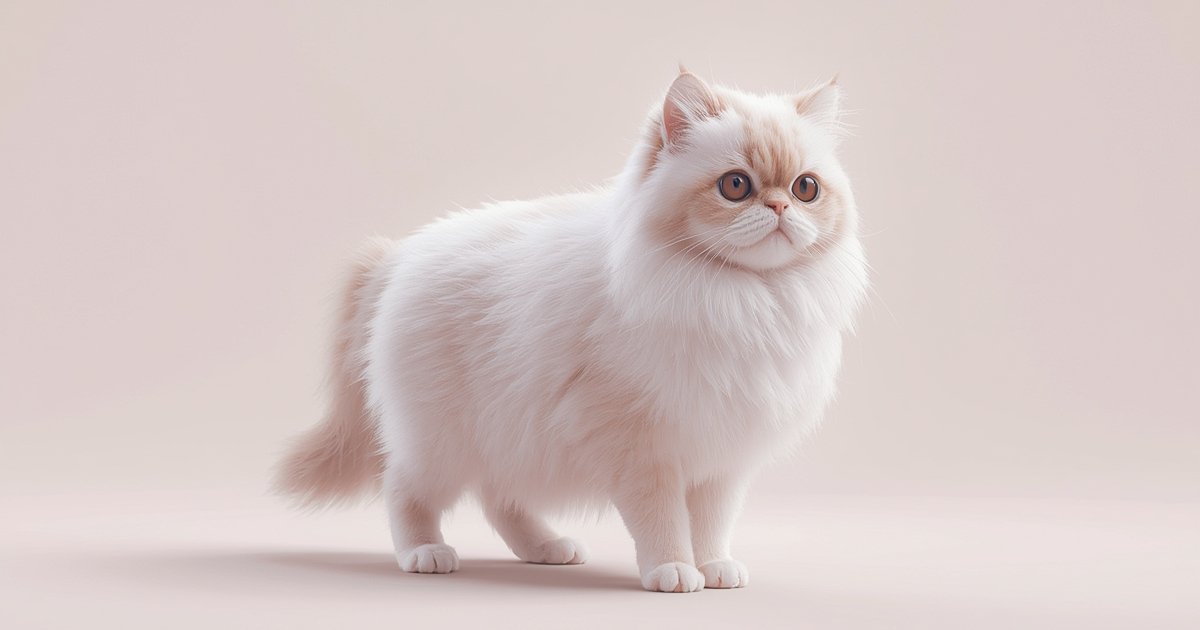
Unlock 7 vital secrets to ensure your Persian cat thrives in 2026. Discover expert tips on nutrition, grooming, health, and more for a truly healthy Persian.
Persian cats, with their luxurious coats, distinctive flat faces, and serene personalities, are truly magnificent companions. Their majestic presence brings joy to countless homes. However, owning a Persian comes with specific responsibilities, especially when it comes to their health. As we look towards 2026, the commitment to fostering a truly healthy Persian is more important than ever, requiring a dedicated approach to their unique needs.
Ensuring your beloved feline lives its fullest, healthiest life involves understanding seven crucial aspects of their care. From their specialized diet to intricate grooming routines and proactive health management, each element plays a pivotal role. This guide will delve into these vital secrets, providing you with actionable insights to keep your Persian purring with vitality.
The Foundation: Optimal Nutrition for a Healthy Persian
A balanced, high-quality diet is the cornerstone of any healthy Persian. Given their brachycephalic (flat) faces, Persians often have unique eating challenges that require careful consideration. Kibble size and shape, for example, can make a significant difference in how easily they consume their food.
Choosing the right food goes beyond just preference; it directly impacts their coat health, energy levels, and overall well-being. Look for foods specifically formulated for long-haired breeds, as these often contain higher levels of omega fatty acids and prebiotics to support both skin and digestive health.
Tailoring Diet to Breed Needs
Persian cats are prone to certain health issues, such as hairballs and dental problems, which can often be mitigated through diet. Foods rich in fiber can aid in the passage of ingested hair, reducing the frequency and severity of hairballs. Similarly, certain kibble designs can help clean teeth as your cat chews, contributing to better oral hygiene.
Consider a mix of wet and dry food. Wet food provides essential hydration, which is beneficial for kidney health, while dry kibble can offer convenience and some dental benefits. Always consult your veterinarian to determine the best dietary plan tailored to your cat’s age, activity level, and specific health conditions for a truly healthy Persian.
Hydration and Supplementation
Adequate hydration is just as crucial as the food itself. Many cats don’t drink enough water, which can lead to urinary tract issues. Provide multiple water sources, including ceramic or stainless steel bowls, and consider a pet drinking fountain, which can encourage them to drink more due to the flowing water. Ensure water is fresh and clean daily.
Supplements can play a supportive role, but should always be introduced under veterinary guidance. Omega-3 fatty acids, for example, can contribute to a lustrous coat and healthy skin. Probiotics might be recommended to support digestive health, especially if your Persian is prone to sensitive stomachs or hairball issues. A healthy Persian benefits immensely from these thoughtful dietary considerations.
Immaculate Grooming: More Than Just Looks
The Persian cat’s iconic long, flowing coat is undeniably beautiful, but it requires significant maintenance. Without a consistent grooming routine, their fur can quickly become matted, leading to skin infections, discomfort, and even pain. Grooming is not just about aesthetics; it’s a vital part of maintaining a healthy Persian.
Establishing a daily grooming ritual will not only keep their coat pristine but also serve as a wonderful bonding experience. It allows you to regularly check for any skin issues, lumps, or parasites that might otherwise go unnoticed.
Daily Brushing & Preventing Matting
Daily brushing is non-negotiable for a Persian cat. Invest in a high-quality metal comb and a slicker brush. Start by gently untangling any small knots with your fingers, then use the slicker brush to remove loose hair and debris. Follow up with the comb to ensure there are no hidden mats, especially in sensitive areas like under the arms, behind the ears, and around the hindquarters.
Mats can form quickly and, if left untreated, can pull on the skin, causing severe pain and restricting movement. If you encounter a mat that cannot be gently untangled, do not pull it. It might be safer to carefully cut it out with blunt-nosed scissors or seek professional grooming assistance. Regular brushing is the key to a healthy Persian coat.
Eye, Ear, and Dental Care
Due to their distinctive facial structure, Persian cats are prone to tear staining and eye discharge. Gently wipe their eyes daily with a soft, damp cloth or a specialized eye wipe to prevent buildup and irritation. Similarly, check their ears weekly for any signs of redness, odor, or excessive wax, and clean them with a vet-approved ear cleaner if necessary.
Dental hygiene is often overlooked but crucial. Daily or at least frequent tooth brushing with cat-specific toothpaste can prevent plaque and tartar buildup, which can lead to periodontal disease. Regular dental check-ups with your vet are also essential to catch any issues early. Neglecting these areas can impact the overall health of your Persian.
Proactive Health Management & Vet Partnerships
Even with the best nutrition and grooming, regular veterinary care is paramount for maintaining a healthy Persian. Proactive health management means not just reacting to illness but actively preventing it and monitoring your cat’s well-being. Establishing a strong relationship with a trusted veterinarian is critical.
Your vet can provide tailored advice, administer necessary vaccinations, and perform regular check-ups to detect potential health issues before they become serious. This foresight is a cornerstone of responsible Persian cat ownership.
Regular Check-ups and Vaccinations
Annual veterinary check-ups are essential, even if your Persian appears perfectly healthy. These visits allow your vet to perform a thorough physical examination, check weight, listen to heart and lungs, and discuss any changes in behavior or habits. Early detection of issues like heart murmurs, dental disease, or kidney problems can lead to more effective treatment and better outcomes.
Stay up-to-date on all recommended vaccinations and parasite prevention. Vaccinations protect against common feline diseases, while regular deworming and flea/tick prevention safeguard against internal and external parasites that can compromise your cat’s health and comfort. A healthy Persian depends on consistent preventative care.
Understanding Common Persian Ailments
Persian cats are predisposed to certain breed-specific health conditions due to their genetics and distinctive features. These include Polycystic Kidney Disease (PKD), which can be screened for, and hypertrophic cardiomyopathy (HCM), a type of heart disease. Their brachycephalic structure can also lead to respiratory issues, such as brachycephalic airway syndrome, causing noisy breathing or difficulty exercising.
Other common concerns include eye conditions like entropion (inward-folding eyelids) and progressive retinal atrophy, as well as dental overcrowding. Being aware of these predispositions allows you to discuss specific screening tests and monitoring with your vet, ensuring you are doing everything possible to maintain a healthy Persian.
Advanced Pet Health Monitoring Tools
In 2026, technology offers exciting new ways to monitor your cat’s health from home. Smart gadgets and apps can provide valuable insights into activity levels, eating habits, and even sleep patterns, helping you identify subtle changes that might indicate a problem. While not a replacement for veterinary care, these tools can complement your proactive approach.
Here’s a comparison of some popular pet health monitoring tools:
Comparison of Pet Health Monitoring Tools
| Product | Price | Pros | Cons | Best For |
|---|---|---|---|---|
| Smart Feeder Pro | $180 – $250 | Automates feeding times, portion control, records meal consumption, app integration. | Requires Wi-Fi, battery replacement, higher initial cost. | Ensuring consistent feeding schedules and portion sizes, monitoring eating habits. |
| Pet Activity Tracker X | $70 – $120 | Monitors steps, sleep patterns, calories burned, GPS tracking for outdoor cats. | Can be bulky for some cats, subscription might be required for full features. | Monitoring activity levels, identifying lethargy or hyperactivity, tracking location. |
| Smart Litter Box Monitor | $150 – $300 | Tracks litter box usage, weight, and waste consistency, sends alerts for changes. | High cost, may not fit all litter box types, requires regular maintenance. | Early detection of urinary tract issues, constipation, or weight fluctuations. |
Nurturing Environment & Emotional Well-being
A physically healthy Persian also needs to be emotionally sound. A stress-free, stimulating, and safe environment is crucial for their mental well-being, which directly impacts their physical health. Persians, while generally calm, still require engagement and a sense of security.
Creating a sanctuary for your feline friend involves more than just providing food and shelter. It means understanding their needs for play, rest, and interaction within their home territory.
Creating a Safe and Stimulating Home
Ensure your home is a safe haven for your Persian. This means securing windows, removing toxic plants, and keeping harmful chemicals out of reach. Provide vertical spaces like cat trees or shelves, as cats naturally enjoy elevated viewpoints. These spaces offer both security and opportunities for exercise.
Environmental enrichment is vital to prevent boredom and stress. Offer a variety of toys, rotate them regularly to keep things interesting, and provide scratching posts or pads. Interactive toys that mimic prey can be particularly engaging for a healthy Persian.
The Importance of Play and Interaction
Despite their calm demeanor, Persians benefit greatly from regular playtime with their owners. Short, consistent play sessions can help keep them physically active and mentally stimulated. Use wand toys, laser pointers (with caution to always end on a ‘catch’), or even simple crumpled paper balls.
Social interaction, whether with you or other calm pets, contributes to their emotional health. Persians thrive on companionship and affection. Daily petting, lap time, and gentle grooming sessions reinforce your bond and provide comfort, all contributing to a content and healthy Persian.
Stress Reduction for a Happy, Healthy Persian
Cats are creatures of habit and can be sensitive to changes in their environment. Major life events like moving, new pets, or even significant changes in routine can cause stress. Observe your Persian for signs of stress, such as excessive grooming, changes in appetite, or withdrawal.
To reduce stress, maintain a consistent routine for feeding and play. Provide quiet, safe retreats where your cat can feel secure. Pheromone diffusers, such as Feliway, can also help create a calming atmosphere. A calm environment is essential for a truly healthy Persian, both inside and out.
Responsible Breeding, Weight, and Exercise for Longevity
The journey to a healthy Persian often begins even before they enter your home. Understanding the importance of responsible breeding practices and committing to proper weight management and exercise throughout their lives are critical for their long-term health and well-being.
These elements, combined with all the other secrets, form a comprehensive approach to ensuring your Persian enjoys a long, vibrant life.
Understanding Genetics and Ethical Sourcing
If you’re considering a purebred Persian, choosing a reputable and ethical breeder is paramount. A responsible breeder will prioritize the health and temperament of their cats, performing genetic testing for conditions like PKD and HCM. They will also provide health guarantees and allow you to meet the kitten’s parents.
Avoid breeders who rush adoptions or cannot provide health records. Alternatively, consider adopting a Persian from a rescue organization. Many wonderful Persians are looking for loving homes, and rescue groups often have thorough health evaluations. This ethical approach is vital for supporting a healthy Persian population.
Maintaining Ideal Weight and Activity Levels
Obesity is a growing concern for household pets and can lead to a host of health problems, including diabetes, arthritis, and heart disease. Monitor your Persian’s weight regularly and adjust their food intake and exercise as needed. You should be able to feel their ribs without seeing them, and they should have a discernible waist.
Encourage gentle play and activity. While Persians are not typically highly active cats, regular play sessions are crucial for maintaining muscle tone and preventing boredom. Use toys that encourage them to bat, pounce, and chase. Even short bursts of activity several times a day can make a big difference for a healthy Persian.
By diligently applying these seven vital secrets, you’re not just caring for a pet; you’re cultivating a thriving, happy, and healthy Persian that will enrich your life for years to come. Your commitment to their well-being ensures they can live their best life, full of purrs and affection.
Embarking on the journey to ensure your Persian cat is super healthy in 2026 involves a holistic approach, touching every facet of their life. From providing them with optimal nutrition and meticulous grooming to establishing a robust preventative healthcare routine and nurturing their emotional well-being, each secret builds upon the next to create a harmonious foundation for vitality. Remember, a truly healthy Persian is a result of consistent effort, informed choices, and boundless love. By implementing these vital strategies, you’re not just reacting to needs but proactively shaping a future of vibrant health for your cherished feline. Start applying these secrets today and witness the transformation in your Persian’s health and happiness. For more insights into feline health and to discover tools that can assist in your pet care journey, explore the extensive resources available on Dax AI.
Frequently Asked Questions (FAQ)
What are the most common health issues for Persian cats?
Persian cats are known for several breed-specific health concerns due to their unique genetics and brachycephalic features. These often include Polycystic Kidney Disease (PKD), Hypertrophic Cardiomyopathy (HCM), respiratory issues related to their flat faces (Brachycephalic Airway Syndrome), eye conditions like entropion and excessive tearing, and dental overcrowding.
How often should I groom my Persian cat?
Persian cats require daily grooming to prevent matting and maintain the health of their long, dense coats. This includes daily brushing and combing to remove loose fur and detangle knots. Additionally, their eyes should be wiped daily, and ears and teeth checked weekly, with regular professional grooming or bathing every 4-6 weeks.
What type of food is best for a Persian cat?
The best food for a Persian cat is typically a high-quality, animal-protein-rich diet specifically formulated for long-haired or indoor cats. Due to their flat faces, consider kibble that is specially shaped for easier consumption. A mix of wet and dry food is often recommended to ensure adequate hydration and provide variety. Always consult your veterinarian for specific dietary recommendations tailored to your cat’s age, weight, and health status.
Can Persian cats be exercised like other cat breeds?
While Persians are not as highly active as some other breeds, they still require regular, gentle exercise to maintain a healthy weight and mental stimulation. Short, interactive play sessions with wand toys or laser pointers are ideal. Due to their brachycephalic nature, avoid strenuous activity that could lead to breathing difficulties, especially in warm weather. Focus on consistent, low-impact play.
Leave a Reply